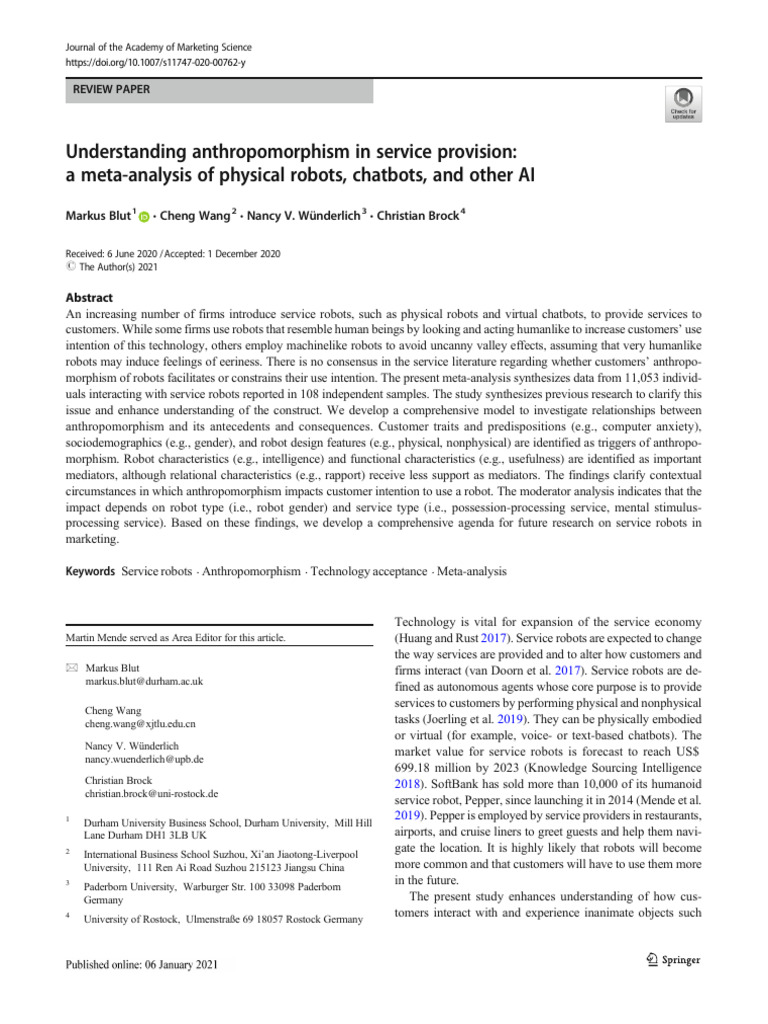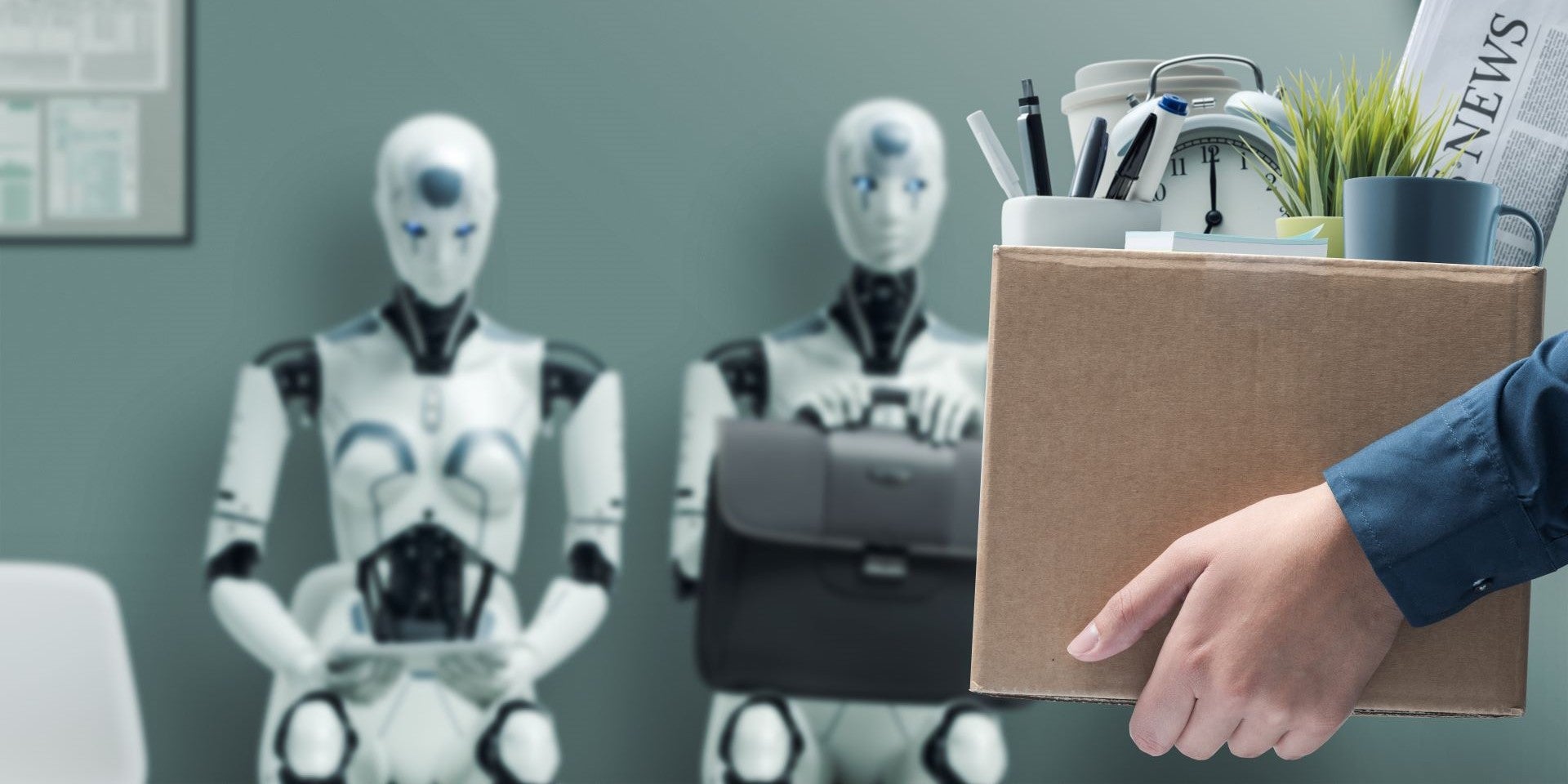
The specter of artificial intelligence looms large over the modern workforce, its tendrils stretching into every industry from healthcare to finance. As algorithms grow more sophisticated and robots inch closer to human-like cognition, a pressing question emerges: Will anthropomorphic machines eventually render human labor obsolete? This isn’t merely a futuristic thought experiment—it’s a conversation reshaping economies, education, and even our cultural narratives. The answer, as with most profound shifts, is neither binary nor static. It demands a nuanced exploration of technological capabilities, ethical dilemmas, and the indomitable adaptability of human ingenuity.
The Rise of Anthropomorphic AI: Beyond the Uncanny Valley
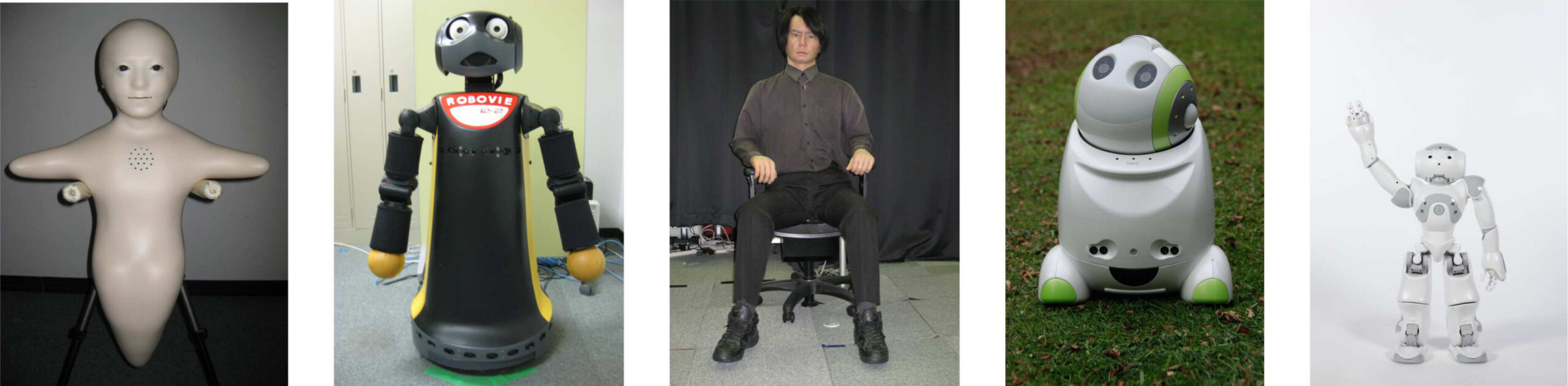
Anthropomorphism—the attribution of human traits to non-human entities—has long been a double-edged sword in robotics. Early attempts at humanoid robots like Honda’s ASIMO or Boston Dynamics’ Atlas were met with a mix of awe and unease, their movements eerily precise yet devoid of true emotional resonance. Today, advancements in generative AI and neural networks have blurred these lines further. Robots like Engineered Arts’ Ameca or Engineered Arts’ Mesmer can now mimic facial expressions, modulate voices, and even engage in rudimentary conversation, blurring the boundary between machine and man.
Yet, the uncanny valley persists. While these machines can perform tasks with superhuman efficiency, their lack of genuine consciousness renders them hollow imitations of human interaction. The real breakthrough isn’t in replication but in augmentation—AI systems designed to complement human skills rather than replace them. For instance, surgical robots like the da Vinci system don’t replace surgeons; they enhance their precision, reducing human error in high-stakes procedures.
The key distinction lies in the purpose of anthropomorphism. When a robot is engineered to assist rather than supplant, its integration into society becomes less contentious. The challenge, then, is ensuring that this augmentation doesn’t devolve into exploitation—a scenario where humans become mere overseers of their own obsolescence.

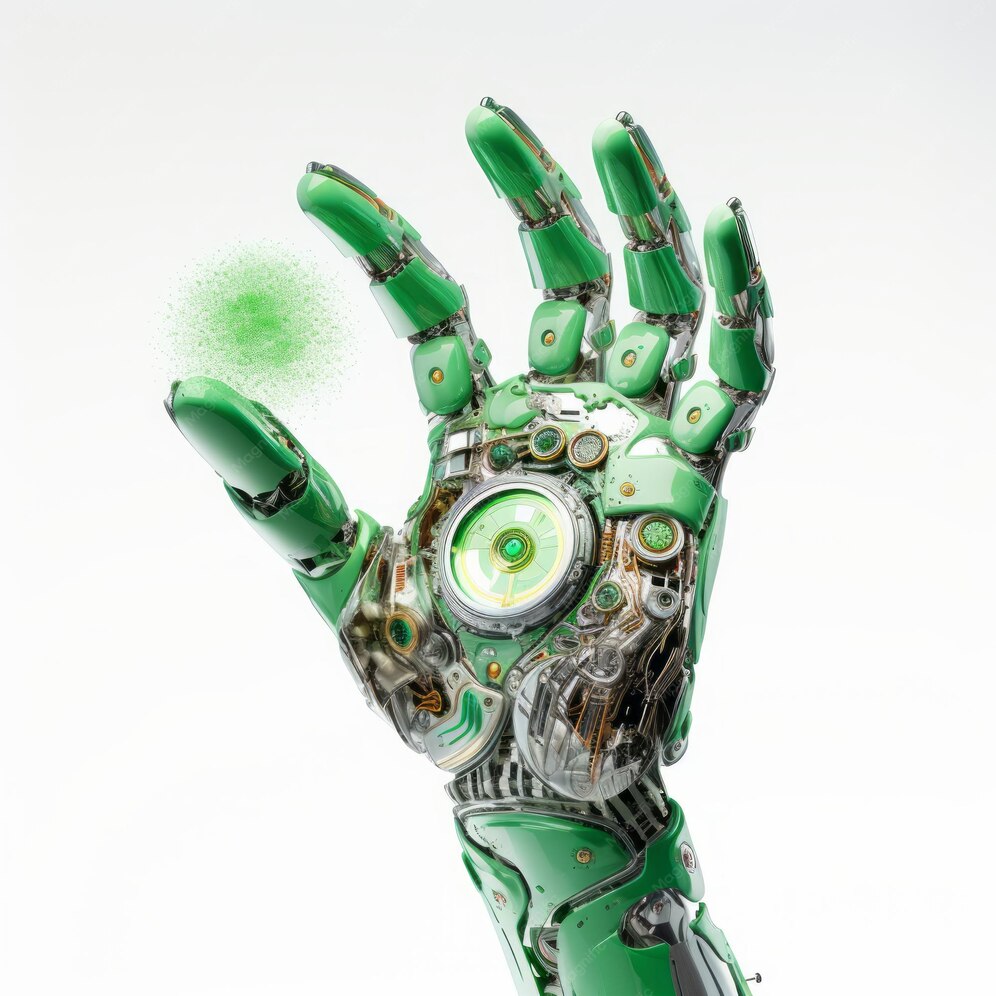
Humanoid robots like Ameca represent the cutting edge of anthropomorphic AI, but their true value lies in how they augment rather than replace human roles.
Economic Disruption: The Looming Shadow of Job Polarization
The economic implications of AI-driven automation are already reshaping labor markets, but the narrative isn’t one of uniform devastation. Instead, we’re witnessing a phenomenon economists term job polarization—a bifurcation where middle-skill jobs (think administrative roles or routine manufacturing tasks) vanish, while high-skill (AI engineers, data scientists) and low-skill (caregivers, artisans) positions proliferate. This isn’t a dystopian collapse but a seismic shift in the nature of work itself.
Consider the rise of generative AI tools like MidJourney or GitHub Copilot. These systems don’t just automate tasks; they redefine them. A graphic designer using MidJourney might spend less time on drafts and more on refining concepts, while a programmer leveraging Copilot could accelerate debugging by an order of magnitude. The net effect? A reallocation of human effort toward creativity, strategy, and emotional intelligence—qualities machines struggle to replicate.
Yet, this transition isn’t without friction. The gig economy, already a harbinger of precarious labor, could expand as AI-driven platforms proliferate. Companies might outsource entire workflows to algorithmic managers, leaving workers in a limbo of contingent, devalued roles. The solution lies in proactive policy: universal basic income experiments, reskilling initiatives, and corporate accountability measures to ensure that technological progress doesn’t come at the cost of societal stability.

Job polarization is reshaping the workforce, with AI poised to disrupt mid-tier roles while creating new opportunities in high-skill and human-centric professions.
Ethical Quandaries: The Soul of the Machine
If the economic debate centers on what AI can do, the ethical discourse interrogates what it should do. Anthropomorphic robots, with their human-like visages, amplify these concerns. Can a machine ever be held accountable for its actions? Should a care robot, designed to comfort the elderly, be programmed with empathy—or is its simulated concern a form of deception?
One of the most contentious issues is the illusion of agency. When a robot like Sophia speaks at the United Nations, its statements are scripted or generated by algorithms, yet audiences often perceive them as the product of independent thought. This blurring of lines raises questions about consent, manipulation, and the very definition of personhood. Should robots be granted rights? Conversely, should humans be held liable for the actions of their AI counterparts?
The answer may lie in the concept of algorithmic transparency. If an AI’s decision-making process is explainable and auditable, its integration into society becomes more palatable. For example, an AI judge in a courtroom would need to provide clear, traceable reasoning for its rulings—something even the most advanced neural networks struggle to achieve today. Until then, the ethical terrain remains treacherous, with each advancement in anthropomorphism forcing us to confront our own humanity.
The Human-AI Symbiosis: A New Era of Collaboration
Rather than framing the future as a battle between humans and machines, the most compelling vision is one of symbiosis—a partnership where each augments the other’s strengths. This isn’t mere speculation; it’s already happening in fields like healthcare, where AI systems analyze medical imaging to detect tumors with superhuman accuracy, while radiologists interpret the results through the lens of clinical experience.
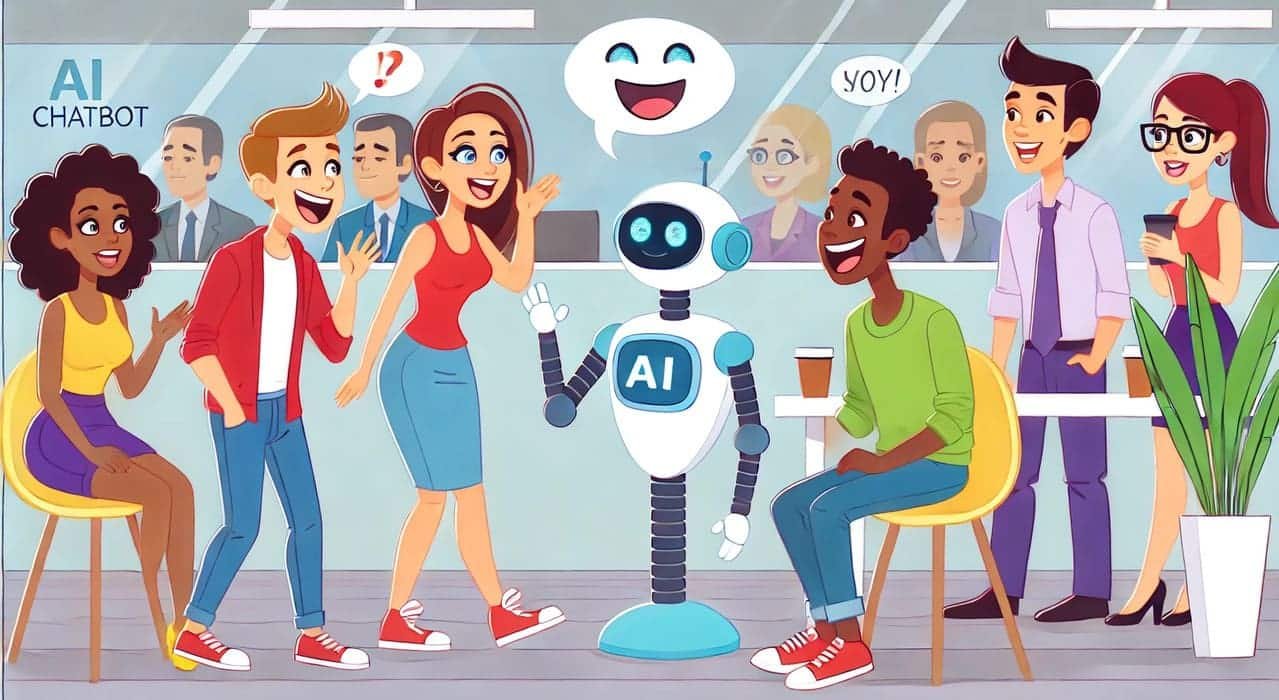
In creative industries, AI tools are becoming collaborators rather than competitors. Musicians use AI to generate harmonic progressions, writers employ it to brainstorm plot twists, and architects leverage it to optimize structural designs. The result? A renaissance of hybrid creativity, where human intuition meets machine precision. The key to this symbiosis is intentional design—AI systems that serve as tools rather than replacements, empowering humans to achieve feats they couldn’t alone.
Yet, this collaboration requires a fundamental shift in how we perceive technology. Instead of asking, “Can AI do this task?” we must ask, “How can AI enhance this human endeavor?” The difference is subtle but profound. It reframes progress not as a zero-sum game but as an evolutionary leap, where technology becomes an extension of human potential rather than a threat to it.

The future of work may lie not in replacement but in collaboration, where AI amplifies human capabilities rather than rendering them obsolete.
Preparing for the Inevitable: Education and Adaptation
The pace of AI advancement demands a parallel evolution in education. Traditional models, which prioritize rote memorization and standardized testing, are ill-equipped for a world where machines excel at pattern recognition and data processing. Instead, the workforce of tomorrow will need adaptive intelligence—the ability to learn, unlearn, and relearn in response to technological shifts.
This means a pivot toward STEAM (Science, Technology, Engineering, Arts, and Mathematics) education, with an emphasis on interdisciplinary thinking. Students must be fluent not just in coding but in ethics, psychology, and systems design. Critical thinking will become the ultimate skill, as humans learn to navigate a landscape where AI can generate plausible but incorrect answers with alarming confidence.
Lifelong learning will transition from a luxury to a necessity. Platforms like Coursera and edX are already democratizing access to education, but the challenge lies in making reskilling accessible to all socioeconomic strata. Governments and corporations must invest in continuous learning programs, ensuring that no segment of society is left behind in the AI revolution. The goal isn’t just to survive the automation wave but to ride it toward new horizons of innovation.
The Cultural Psyche: How Narratives Shape Our AI Future
No discussion of AI’s future is complete without acknowledging its cultural footprint. From Mary Shelley’s Frankenstein to the Terminator franchise, humanity’s relationship with artificial beings has always been fraught with ambivalence. These narratives aren’t mere entertainment; they’re a collective meditation on our deepest fears and aspirations.
Today, pop culture is grappling with the implications of anthropomorphic AI in new ways. Shows like Westworld and Humans explore the ethical dilemmas of sentient machines, while films like Ex Machina probe the boundaries of consciousness and manipulation. These stories serve as cautionary tales, urging us to consider the consequences of our creations before they outpace our control.
Yet, culture also offers a counterbalance—a space to imagine utopian possibilities. The optimistic visions of Star Trek, where AI like Data embodies curiosity and camaraderie, remind us that technology can be a force for harmony. The challenge is to cultivate a cultural narrative that embraces AI not as a rival but as a partner in humanity’s ongoing evolution.
As we stand on the precipice of this new era, the question isn’t whether anthropomorphic robots will replace humans, but how we choose to define our relationship with them. The future isn’t a predetermined path but a canvas—one we paint with every ethical decision, technological innovation, and cultural dialogue. The machines are coming, but the story of what comes next is ours to write.