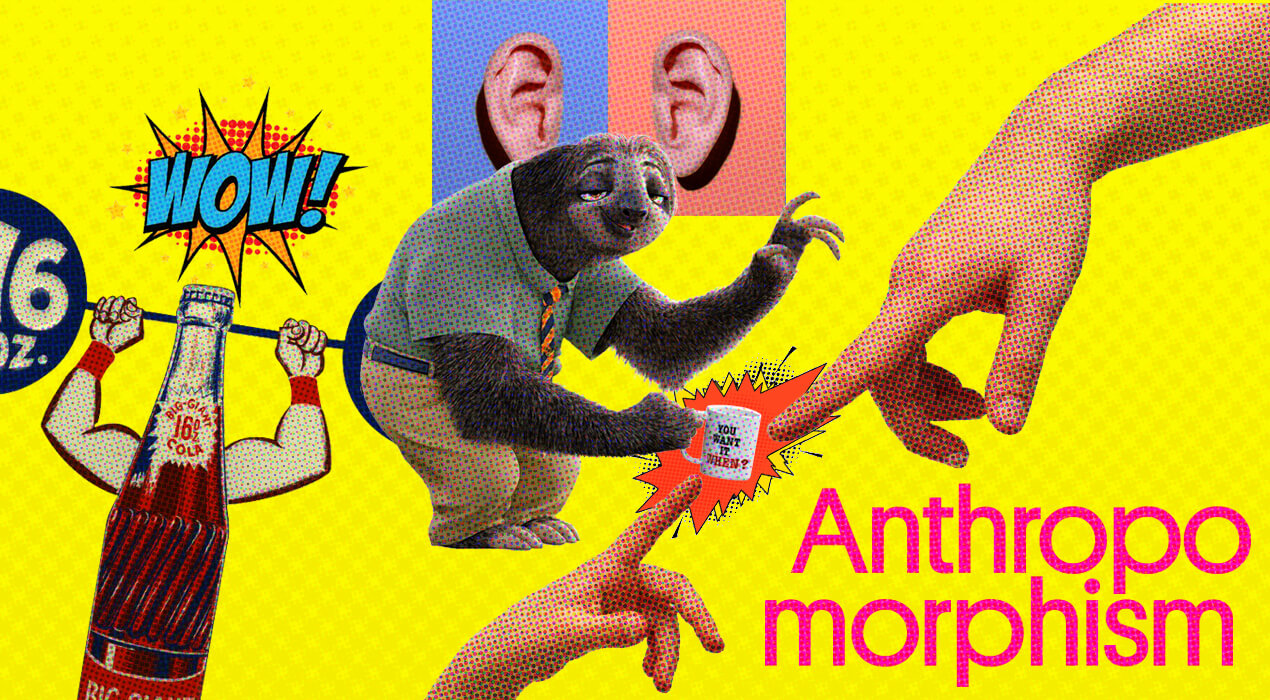
Anthropomorphism—the attribution of human traits, emotions, or intentions to non-human entities—has long been a cornerstone of artistic expression. From the earliest cave paintings to the avant-garde sculptures of today, artists have wielded this technique to bridge the gap between the familiar and the unknown, transforming animals, objects, and even abstract concepts into vessels of human experience. This narrative journey explores how anthropomorphism has evolved across centuries, revealing its enduring power to captivate, provoke, and illuminate the human condition.
The Primordial Roots: Cave Paintings and the Dawn of Symbolism
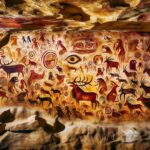
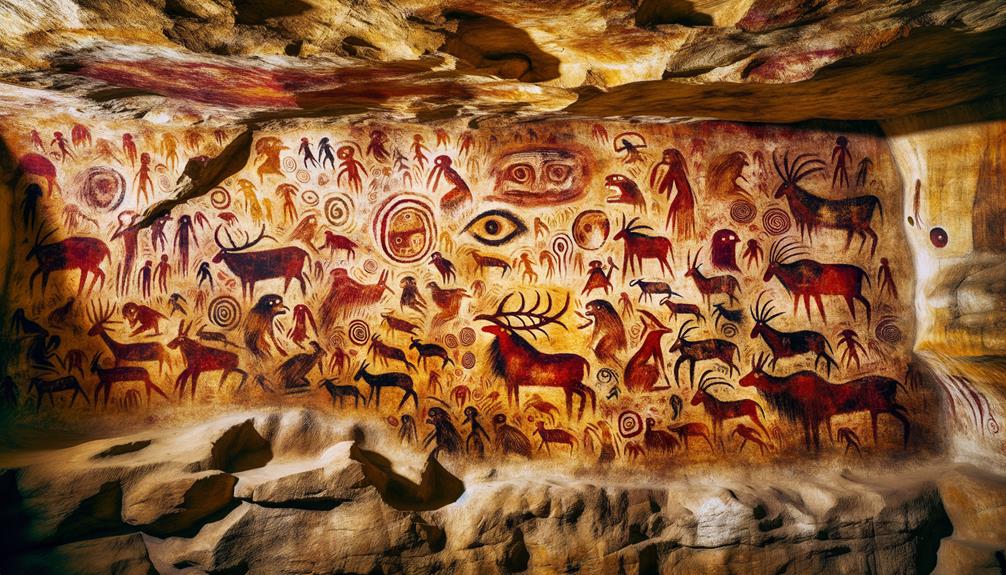
The genesis of anthropomorphism in art can be traced back to the Paleolithic era, where early humans etched their visions onto cave walls. These primitive yet profound works, such as the Lascaux and Chauvet caves, depict animals—bison, horses, and lions—rendered with remarkable anatomical precision. Yet, beyond their literal representation, these figures often exude a latent humanity. The arched necks of horses, the poised stances of bulls, and the almost theatrical postures of predators suggest a narrative, a story of struggle, dominance, or reverence. Anthropomorphism here was not a conscious stylistic choice but an instinctive act of imbuing the natural world with meaning, a way to make the unfamiliar feel familiar.
These early artists were not merely documenting wildlife; they were engaging in a form of proto-narrative, where animals became stand-ins for human emotions and conflicts. The Sorcerer of Les Trois Frères, a composite figure blending human and animal traits, exemplifies this fusion. Its antlered head and upright posture evoke a shamanic figure, a mediator between the human and the divine. Such imagery underscores how anthropomorphism served as a tool for early humans to grapple with the mysteries of existence, transforming the untamed wilderness into a stage for their own dramas.
Classical Antiquity: Gods, Myths, and the Human-Animal Hybrid
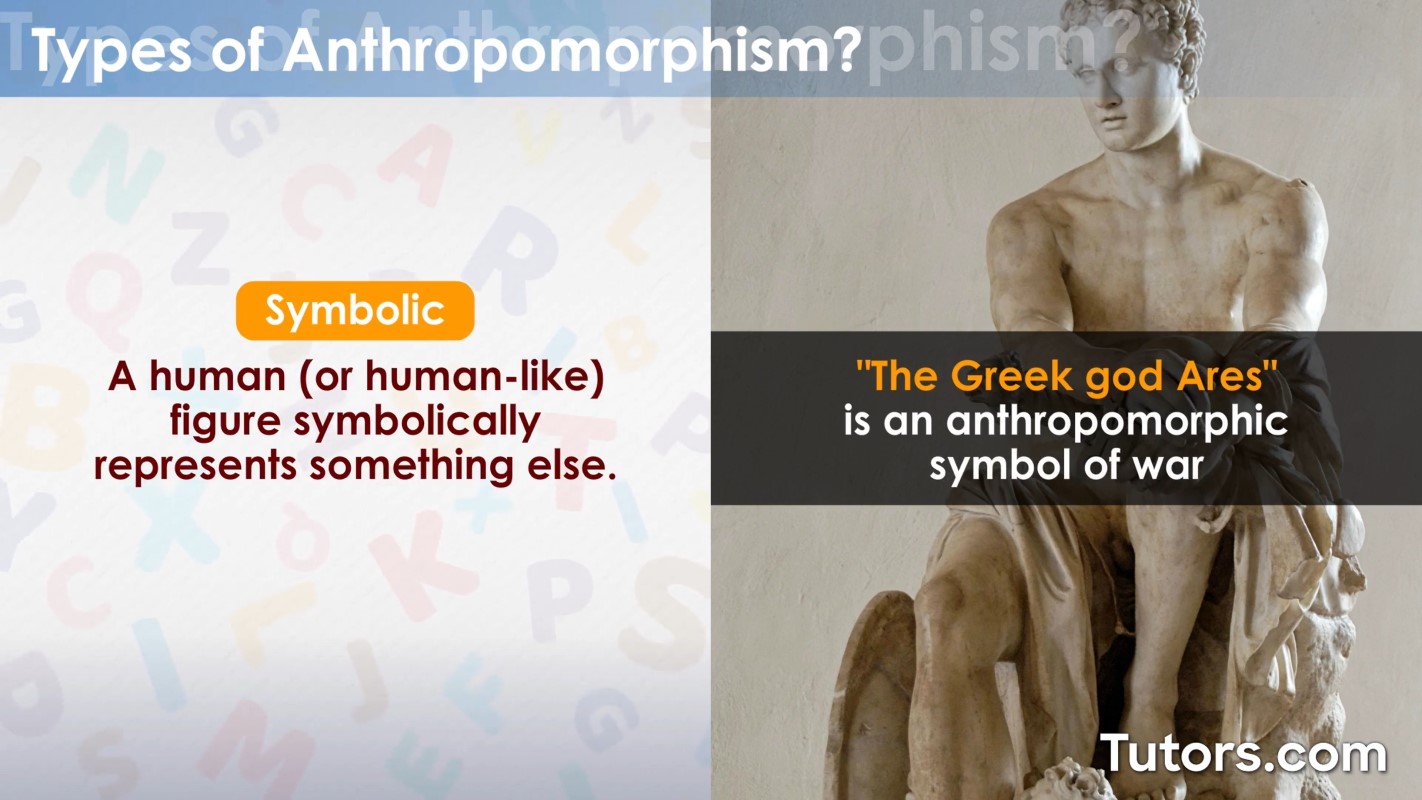
The Greeks and Romans elevated anthropomorphism into a sophisticated artistic and theological language. Their pantheons teemed with deities who shapeshifted between human and animal forms—Zeus as a swan, Athena as an owl, or the Minotaur, a grotesque fusion of man and beast. Sculptures like the Venus de Milo or the Laocoön and His Sons often blurred the lines between the divine and the mortal, the natural and the supernatural. The centaur, a staple of Greek mythology, embodied the duality of human intellect and animal instinct, a metaphor for the internal conflicts that define existence.
In Roman art, anthropomorphism took on a more political hue. Emperors like Augustus were depicted with divine attributes, their portraits merging human features with the iconography of gods. The Capitoline Wolf, though later in date, encapsulates this tradition—a she-wolf nursing Romulus and Remus, her body a vessel of maternal ferocity. These works were not mere decorations; they were propaganda, reinforcing the idea of divine right and the interconnectedness of humanity and the cosmos. Anthropomorphism, in this context, became a language of power, a way to sanctify authority through the language of the extraordinary.
The Medieval Bestiary: Allegory and Moral Instruction
The Middle Ages saw anthropomorphism flourish in a new guise—as a vehicle for moral and religious instruction. The bestiaries, illustrated manuscripts filled with fantastical creatures, were not scientific texts but allegorical guides. A lion, depicted with a crown or a halo, symbolized Christ’s resurrection; a fox, with its cunning grin, represented the devil. These works, like the Aberdeen Bestiary, transformed animals into moral compasses, their human-like expressions and postures serving as cautionary tales for the faithful.
Illuminated manuscripts and cathedral carvings alike employed anthropomorphic imagery to convey complex theological ideas. The Green Man, a foliate face emerging from foliage, embodied the cycle of life and death, a fusion of humanity and nature. Even in secular contexts, such as the Unicorn Tapestries, animals were imbued with human emotions—longing, betrayal, and redemption—making abstract concepts tangible. Anthropomorphism here was a didactic tool, a way to render the ineffable into the visible, the divine into the quotidian.
The Renaissance: Humanism and the Revival of Classical Anthropomorphism
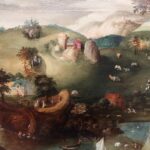
The Renaissance marked a rebirth of classical ideals, and with it, a renewed fascination with anthropomorphic forms. Artists like Leonardo da Vinci dissected animals to study their musculature, seeking to understand the mechanics of movement and emotion. His Vitruvian Man, though not anthropomorphic in the traditional sense, embodies the Renaissance obsession with the idealized human form—a microcosm of the universe. Meanwhile, works like Dürer’s Rhinoceros or Bosch’s The Garden of Earthly Delights played with hybrid creatures, blending the real and the imagined to explore the boundaries of human knowledge.
Perhaps the most striking example is Michelangelo’s Slaves, unfinished sculptures where the human form seems to emerge from the stone, as if struggling to break free from its earthly prison. These works suggest an anthropomorphic dialogue between the artist and the material, where the stone itself is imbued with a latent humanity. The Renaissance, in its quest for perfection, used anthropomorphism to elevate the human experience, transforming art into a mirror of the divine and the mortal alike.
The Romantic Era: Nature as a Mirror of the Soul
The Romantic movement, with its emphasis on emotion and the sublime, took anthropomorphism in a more introspective direction. Artists like Caspar David Friedrich and William Blake saw nature not as a passive backdrop but as an active participant in the human drama. Friedrich’s Wanderer above the Sea of Fog positions the human figure against a vast, indifferent landscape, evoking a sense of awe and insignificance. Here, nature is anthropomorphized—it breathes, it threatens, it consoles.
Blake’s Songs of Innocence and Experience further pushed this idea, with animals like the Tyger and the Lamb embodying opposing forces of creation and destruction. The Tyger, with its “fearful symmetry,” becomes a symbol of divine wrath, while the Lamb represents innocence and purity. This anthropomorphic duality reflected the Romantic fascination with the sublime, where the natural world was not just observed but felt, its every element a reflection of the human psyche.
Modernism and Surrealism: Breaking Boundaries, Redefining Identity
The 20th century shattered traditional boundaries, and anthropomorphism evolved into a tool for exploring identity, power, and the absurd. Surrealists like Salvador Dalí and René Magritte played with hybrid forms, creating creatures that defied logic. Dalí’s Metamorphosis of Narcissus merges a human figure with a narcissus flower, while Magritte’s The Son of Man obscures a face with an apple, forcing the viewer to confront the unseen. These works were not just visual puzzles; they were commentaries on the fluidity of identity and the fragility of perception.
In sculpture, artists like Jean Arp and Henry Moore abstracted the human form, creating works that suggested organic growth or primordial beings. Moore’s Reclining Figure series, with its smooth, undulating surfaces, evokes a sense of both humanity and landscape, blurring the line between the body and the earth. Meanwhile, Yayoi Kusama’s Infinity Mirror Rooms use repetitive, anthropomorphic forms to explore themes of infinity and self-obliteration. Anthropomorphism, in the modern era, became a way to question reality itself.
Contemporary Art: From Digital Avatars to Eco-Activism
Today, anthropomorphism thrives in the digital age, where artists harness technology to create immersive, interactive experiences. Refik Anadol’s data sculptures, for instance, transform algorithms into living, breathing entities, their movements dictated by patterns in big data. Meanwhile, Ai Weiwei’s Circle of Animals/Zodiac Heads reimagines the Chinese zodiac as a commentary on cultural heritage and colonialism, blending historical symbolism with contemporary critique.
Eco-artists like Olafur Eliasson anthropomorphize natural phenomena, creating installations that evoke the breath of glaciers or the pulse of the earth. His Ice Watch series, where melting ice blocks are displayed in public spaces, forces viewers to confront the anthropogenic impact on the planet. Here, anthropomorphism is not just a stylistic choice but a call to action, a way to make the invisible—climate change, extinction, environmental decay—visible and urgent.
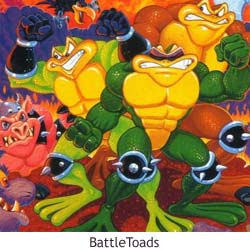
Even in commercial art, anthropomorphism remains a potent force. Brands like Mascot and Pixar have turned animals and objects into beloved characters, their human-like personalities driving narratives that resonate across cultures. These works, though often dismissed as frivolous, tap into a deep-seated human need to connect with the non-human world, to see ourselves reflected in the eyes of a cartoon fox or a sentient lamp.
The Future: Anthropomorphism in the Age of AI and Beyond
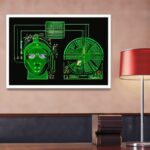
As artificial intelligence and virtual reality become ubiquitous, anthropomorphism is poised to take on new dimensions. Artists are already experimenting with AI-generated entities that mimic human behavior, blurring the line between creator and creation. Projects like Obvious Art’s Portrait of Edmond de Belamy, created by a generative adversarial network, challenge our notions of authorship and identity. Meanwhile, virtual influencers like Lil Miquela exist entirely in the digital realm, their human-like personas raising questions about authenticity and the future of human connection.
Anthropomorphism may also play a crucial role in addressing the ethical dilemmas of AI. If machines are designed to appear human, how do we navigate the emotional responses they evoke? Can a chatbot, with its simulated empathy, truly anthropomorphize the user, or is it merely a mirror reflecting our own desires for connection? These questions will shape the next chapter of anthropomorphism in art, where the boundaries between the real and the artificial continue to dissolve.
The journey of anthropomorphism in art is far from over. From the cave walls of Lascaux to the neural networks of Silicon Valley, it remains a testament to humanity’s enduring need to see itself in the world around us. Whether as a tool for storytelling, a means of moral instruction, or a catalyst for technological innovation, anthropomorphism endures because it speaks to something fundamental within us—a longing to belong, to understand, and to create meaning in a universe that is, at its core, indifferent.