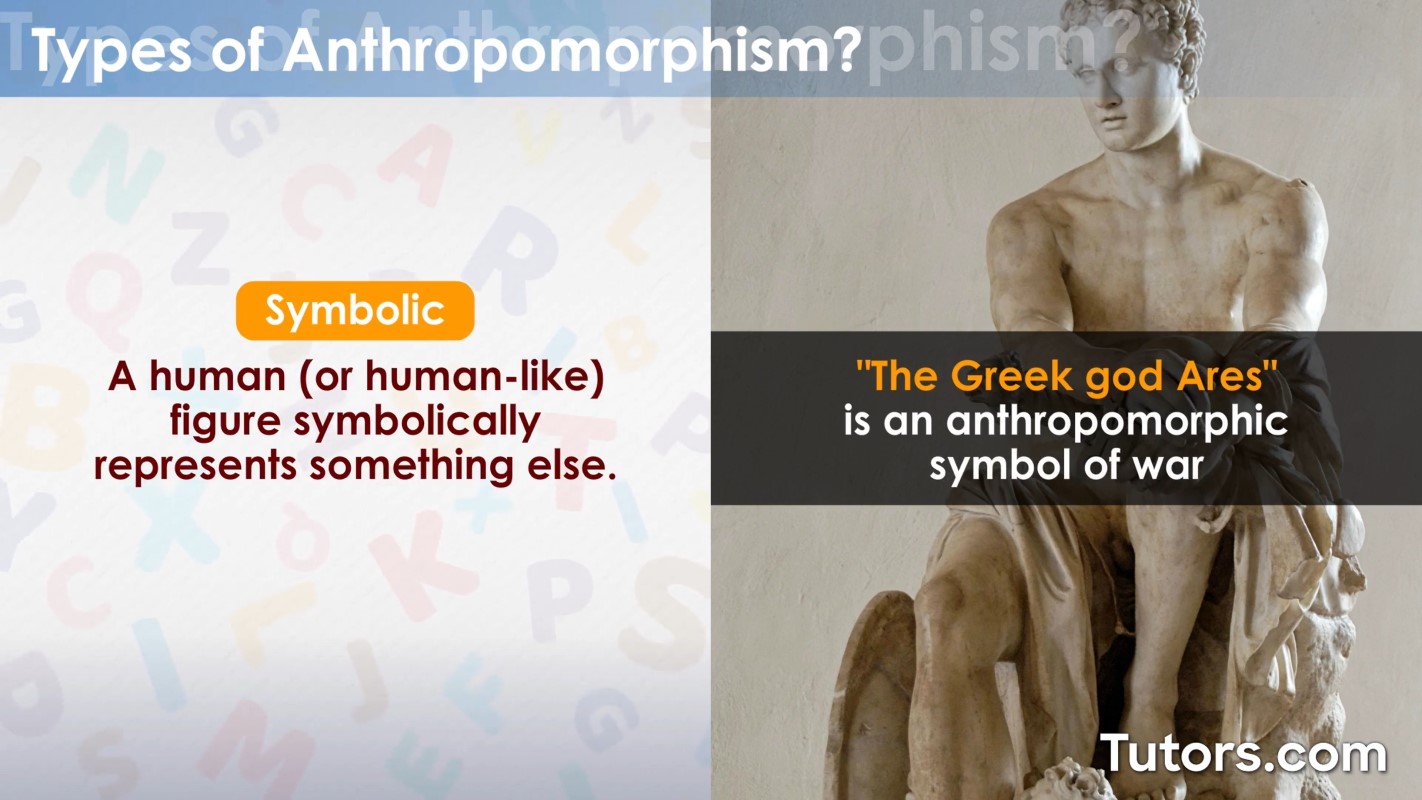
In the ever-evolving digital landscape, the fusion of anthropomorphism with virtual real estate marks a profound shift in how individuals perceive and interact with immaterial assets. This intersection transcends mere aesthetics or convenience; it taps into deeply ingrained human tendencies to attribute lifelike qualities to non-human entities, transforming digital properties into seemingly sentient spaces. The impact of this phenomenon reverberates through social, economic, and psychological dimensions, shaping not only user engagement but also the trajectory of virtual environments themselves.
Anthropomorphism: The Bridge Between Human Cognition and Digital Spaces
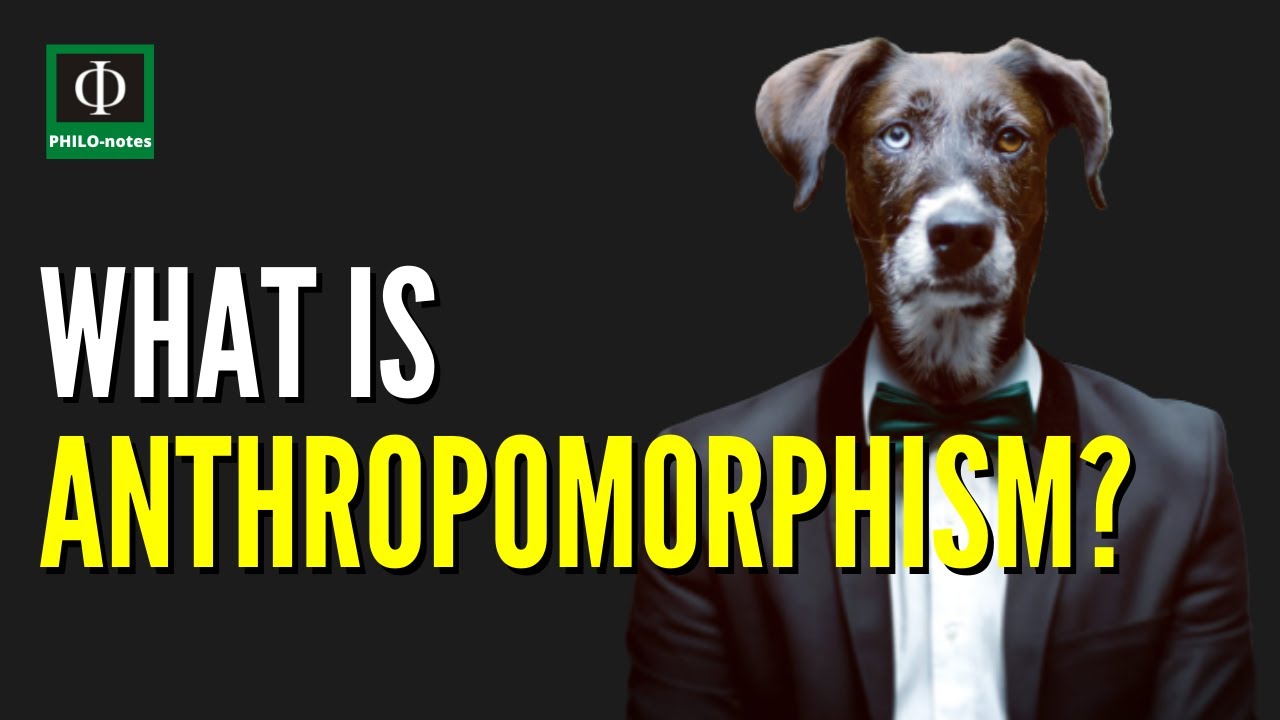
Anthropomorphism, the attribution of human traits, emotions, or intentions to non-human agents, has long served as a cognitive shortcut for understanding the unfamiliar. Within virtual real estate, this tendency manifests in the personification of properties, environments, and digital avatars associated with ownership or presence. People instinctively imbue virtual properties with characteristics reflective of human qualities—warmth, personality, even social identity—thus fostering a sense of familiarity and emotional connection. This dynamic turns cold, code-driven real estate into immersive experiences with narrative depth and relational potential.
Enhancing Engagement Through Emotional Resonance
The allure of anthropomorphized virtual properties lies principally in their capacity to evoke emotional responses. Unlike traditional real estate, where physicality and utility predominate, virtual properties become canvases for self-expression and social signaling when endowed with human-like attributes. This emotional resonance encourages users to spend more time within these spaces, invest creatively in customization, and develop attachments that mirror those formed with physical homes or community spaces. The resulting immersion cultivates loyalty and drives demand, as users increasingly seek not just ownership but a meaningful digital identity.
Economic Implications: From Asset Value to Market Dynamics
The anthropomorphic qualities embedded in virtual real estate have tangible economic ramifications. When users perceive a digital property as a near-living entity—imbued with uniqueness, character, or even “personality”—its perceived value escalates beyond conventional metrics such as location or size. This phenomenon fuels speculative markets, where storytelling, aesthetic curation, and social significance become pivotal determinants of worth. Moreover, virtual properties that host anthropomorphized digital representatives or incorporate interactive AI interfaces further command premium valuations, blending technology with human psychology in novel commerce paradigms.
Social Fabric and Community Building in Anthropomorphized Spaces
Communities anchored in virtual real estate benefit immensely from anthropomorphic design elements. When virtual environments echo human idiosyncrasies—through responsive features, emotive avatars, or spaces that reflect user-generated narratives—they catalyze social bonding. Residents within these digital neighborhoods find common ground not merely via geographic proximity but through shared stories and emotional engagement fostered by the personification of their surroundings. Consequently, virtual real estate becomes a potent platform for forging digital kinships, collaborative ventures, and even emergent cultural movements.
Psychological Underpinnings: Why Humans Seek Connection with Digital ‘Others’
Beneath the surface of anthropomorphism lies a profound psychological impetus: the human craving for connection and understanding. Virtual real estate, when anthropomorphized, serves as an extension of this drive—providing a canvas for projecting identity, cultivating belonging, and mitigating digital alienation. In an increasingly virtualized era, users confront the abstraction of cyberspace with tangible, anthropomorphic touchstones that help anchor their experience. This phenomenon elucidates why digital properties flourish not only as commodities but as emotionally charged environments where the lines between self and other become intriguingly permeable.
The Role of Technology in Shaping Anthropomorphic Virtual Real Estate
Advancements in artificial intelligence, natural language processing, and immersive technologies propel the anthropomorphization of virtual real estate beyond superficial design towards dynamic interaction. Intelligent avatars, conversational interfaces, and adaptive environments imbue virtual properties with a semblance of life, responding to users’ moods, preferences, and social cues. This technological sophistication amplifies the effect of anthropomorphism, engendering virtual spaces that feel alive, reactive, and socially significant. As these capabilities evolve, the boundary between the digital and the sentient blurs, heralding unprecedented modalities of engagement.
Challenges and Ethical Considerations
With the rise of anthropomorphized virtual real estate comes a suite of challenges that warrant careful reflection. The emotional attachments fostered may lead to profound psychological effects, including over-identification, escapism, or dependency on virtual environments. Furthermore, the manipulation of anthropomorphic elements for commercial gain risks exploitation, as users may be swayed by artificially cultivated emotional bonds. Ethical frameworks must evolve in tandem with these innovations to safeguard user welfare, promote transparency, and balance enchantment with accountability in digital property dealings.
Future Prospects: Towards a Symbiotic Human-Digital Ecosystem
Looking forward, the marriage of anthropomorphism and virtual real estate promises a future where digital properties are not mere locations but evolving entities capable of co-creating experiences with their inhabitants. This symbiosis could redefine ownership, integrating personal narrative, AI companionship, and immersive storytelling. As the metaverse grows, the human impulse to animate the intangible will continue to shape the architecture of virtual worlds, transforming our relationship with property, identity, and community in profound and unexpected ways.