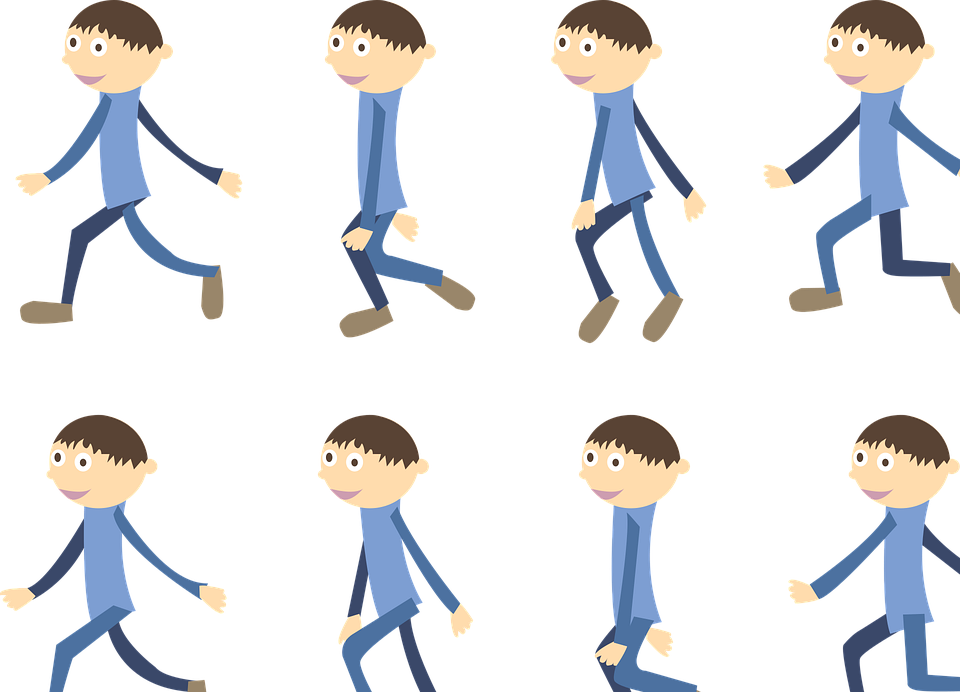
Anthropomorphism—attributing human characteristics to non-human entities—has long been a powerful conceptual lens in design. In the realm of futuristic innovation, this practice transcends mere aesthetics, infusing technology with familiarity and emotional resonance. By weaving human traits into the fabric of advanced creations, designers pioneer experiences that are not only functional but intuitively engaging. The interplay between anthropomorphism and futuristic design catalyzes groundbreaking innovation, driving us into new dimensions of interaction, empathy, and usability.
The Psychological Underpinnings of Anthropomorphic Design
Understanding the cognitive allure of anthropomorphism is paramount to appreciating its impact on futuristic design. Humans inherently seek patterns and connection; when machines resemble or behave like people, they become more approachable. This psychological predilection reduces apprehension toward novel technologies and fosters effortless communication. The subtle emulation of human gestures, facial expressions, or bodily movements in robots or user interfaces leverages mirror neuron systems, enabling end-users to intuitively grasp intent and emotional states. Consequently, designers harness these mechanisms to cultivate trust and enhance user engagement, paving the way for higher adoption rates and more seamless integration of futuristic innovations into daily life.
Categories of Anthropomorphic Elements in Futuristic Design
Anthropomorphism manifests across various facets of design, broadly segmented into physical form, behavioral mimicry, and emotional expressiveness. Physically, designs may embody humanoid shapes, blending biomimetic structures with advanced materials to mimic natural motion and posture. Behavioral mimicry encompasses interactive patterns such as conversational speech, adaptive response timing, and non-verbal cues—mirroring human social behaviors to create dynamic relationships between users and machines. Emotional expressiveness is achieved through lighting, tonal modulation, or visual feedback systems that simulate moods, fostering empathetic connections. Each category uniquely contributes to a holistic anthropomorphic experience, collectively enriching the innovation landscape by bridging the gap between human intuition and technological complexity.
Enhancing User Experience Through Relatability
A formidable advantage of anthropomorphic design lies in its capacity to amplify user experience by engendering relatability. Futuristic interfaces that mirror human social traits mitigate cognitive load, allowing users to navigate complex systems with natural ease. For example, AI assistants exhibiting nuanced emotional responses and human-like tonality dissolve the sterile divide often associated with machine interactions. This relatability extends beyond mere convenience; it cultivates emotional bonds that inspire long-term engagement and loyalty. Furthermore, anthropomorphism supports accessibility by offering universally understood cues, essential in environments demanding rapid comprehension, such as healthcare or emergency response technologies.
Driving Innovation in Robotics and Artificial Intelligence
Robotics and AI represent frontiers where anthropomorphic design fuels unprecedented innovation. Humanoid robots transcend basic function, embodying social partners and collaborators. Their human-like appearances and behaviors facilitate complex interactions, enabling them to operate in environments traditionally reserved for humans. This facilitates applications across caregiving, education, and hazardous work conditions, where empathy and social intelligence are crucial. In AI, anthropomorphic interfaces enhance machine learning models by creating feedback loops grounded in human emotional intelligence. This symbiosis propels advancements in natural language processing, adaptive learning, and contextual awareness, enriching the capabilities of future technologies beyond algorithmic precision.
The Ethical Dimensions and Societal Implications
Embedding human traits into technology surfaces challenging ethical considerations. Anthropomorphic designs often blur boundaries between animate and inanimate, eliciting complex emotional responses that raise questions about dependency, deception, and identity. There is the risk of anthropomorphizing machines to an extent that could distort user judgment or foster unrealistic expectations about capabilities. Societally, as humanoid technologies become ubiquitous, norms surrounding privacy, consent, and social interaction are recalibrated. Innovators must navigate these ethical currents responsibly, ensuring that anthropomorphic elements complement transparency and user autonomy rather than undermine them.
The Role of Cultural Context in Shaping Anthropomorphic Innovation
Culture profoundly influences perceptions of anthropomorphic designs, shaping acceptability and emotional impact. Symbolism, mythology, and societal relationships with technology dictate how different populations respond to human-like machines. For instance, Eastern cultures often embrace robotic companions as extensions of familial roles, whereas some Western contexts may exhibit skepticism rooted in science fiction narratives. Recognizing these nuances is essential for innovators seeking global applications. Designs tailored to cultural expectations not only improve market penetration but also enrich the innovation process by incorporating diverse anthropomorphic paradigms and narratives.
Future Trajectories: Integrating Biomimicry and Synthetic Empathy
Looking ahead, the convergence of anthropomorphism with biomimicry and synthetic empathy heralds new avenues for innovation. Biomimicry pushes the envelope by embedding the sophistication of organic systems—such as the fluidity of human movement or the subtlety of emotional expression—into synthetic constructs. Simultaneously, synthetic empathy seeks to equip machines with the ability to discern, interpret, and respond to emotional states with a sensitivity paralleling human interactions. These advancements promise more profound symbioses between humans and technology, where futuristic designs are not just tools but intuitive partners that anticipate and adapt to needs in real time. This fusion empowers industries ranging from personalized healthcare to immersive entertainment, redefining the very essence of innovation.
Challenges and Innovations in Materializing Anthropomorphic Concepts
Realizing anthropomorphic designs demands overcoming formidable technological and material challenges. The replication of lifelike skin textures, nuanced facial musculature, and delicate movements requires cutting-edge materials science and precision manufacturing. Innovations such as flexible bio-polymers, smart textiles, and responsive actuators have emerged to simulate human tactile and visual qualities with increasing fidelity. Computational advancements in real-time data processing and sensory integration enable these designs to react and evolve authentically. The intersection of these domains accelerates the creation of immersive, believable humanoid entities, pushing innovation beyond superficial representation towards genuine interactive presence.