In the ever-evolving discourse of post-humanism, the concept of anthropomorphism emerges not merely as a device of linguistic convenience or artistic imagination, but as a profound catalyst fostering the reevaluation of human identity and its entanglement with non-human entities. This intricate interplay orchestrates a transformative shift in perspective, challenging entrenched ontologies and invigorating the paradigmatic boundaries that have historically defined the human condition. By ascribing human attributes to the non-human—be it machines, animals, or ecological systems—anthropomorphism in post-humanist thought invites us to reconsider the relational webs binding beings and technology, thus piquing intellectual curiosity and inviting a reconfiguration of agency, ethics, and existence itself.
Anthropomorphism as a Lens for Reconfiguring Human Exceptionalism
Human exceptionalism, the belief in the unparalleled nature of human beings within the matrix of life, has long dominated philosophical, scientific, and cultural narratives. Anthropomorphism subverts this doctrine by attributing human characteristics to non-human actors, thereby diluting the perceived ontological chasm between humans and other forms of existence. This attribution is not a mere anthropocentric projection; rather, it performs a critical function in post-humanist discourse by disturbing the hierarchies that elevate humanity above all else.
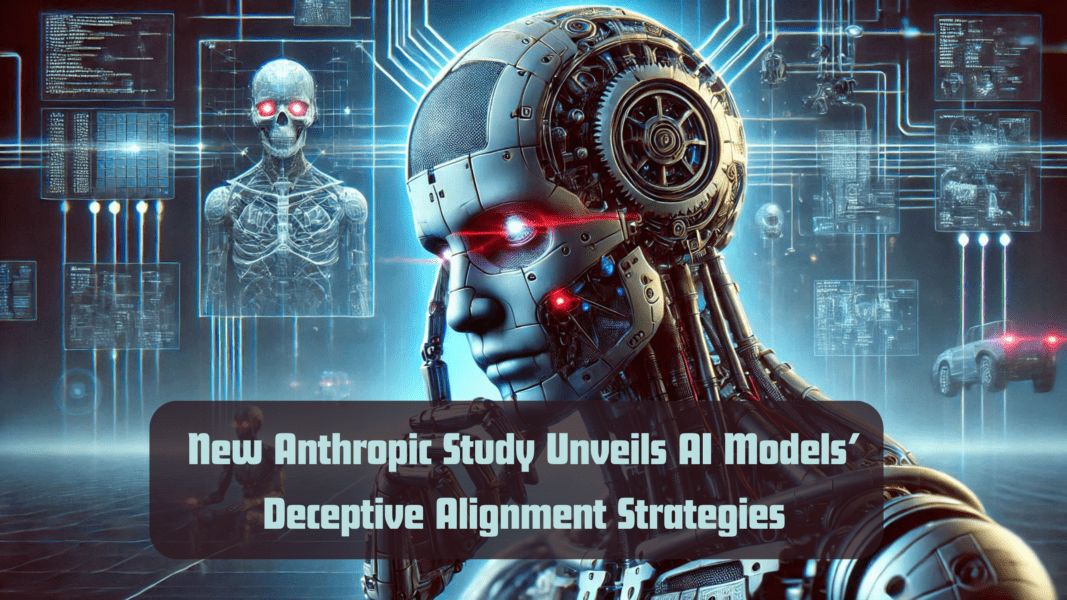
Through anthropomorphic engagement, artificial intelligence systems, robotic entities, and even natural phenomena are endowed with agency and intentionality, qualities traditionally reserved for humans. This reframing catalyzes an epistemological rupture, encouraging an embrace of multiplicity and interdependence. It fortifies post-humanism’s endeavor to decenter the human and to foster a more inclusive ontology where the boundaries between the human, the animal, and the techno-material blur, challenging the privileged vantage point of human exceptionalism.
Embodiment and the Dissolution of Cartesian Dualism
Post-humanist theories often critique Cartesian dualism—the rigid bifurcation of mind and body, human and machine. Anthropomorphism becomes a pivotal tool in this critique by imbuing machines and non-human entities with embodied characteristics, thereby problematizing the rigid mind-body dichotomy. The embodiment of anthropomorphic traits in artificial agents opens a vista into the hybridization of human and non-human forms.
In this hybrid terrain, corporeality is not exclusively human but a shared property that destabilizes the presumed uniqueness of human embodiment. This, in turn, promulgates a dynamic interplay between organic and synthetic bodies, foregrounding fluidity over fixity. Anthropomorphic representation breathes life into the mechanical and the non-living, creating a liminal space where the boundaries of self and other, animate and inanimate, cease to be ontologically impermeable.
Fostering Empathy and Ethical Reflection through Anthropomorphic Narratives
The capacity to empathize is traditionally viewed as a quintessentially human trait, yet anthropomorphism leverages this capacity to extend ethical consideration beyond anthropocentric confines. By humanizing animals, ecosystems, and technological entities, anthropomorphism elicits emotional resonance and moral reflection, which are imperative in post-humanist ethics.
These anthropomorphic narratives serve as conduits for ethical engagement, compelling a reconsideration of responsibilities towards non-human beings and systems. The affective connection engendered by anthropomorphism galvanizes a more holistic ethic—one that acknowledges the agency and intrinsic value of all entities within the interconnected web of existence. This creates a fertile ground for the cultivation of multispecies justice and sustainability in post-humanist praxis.
The Semiotics of Anthropomorphism: Symbolism and Meaning-Making
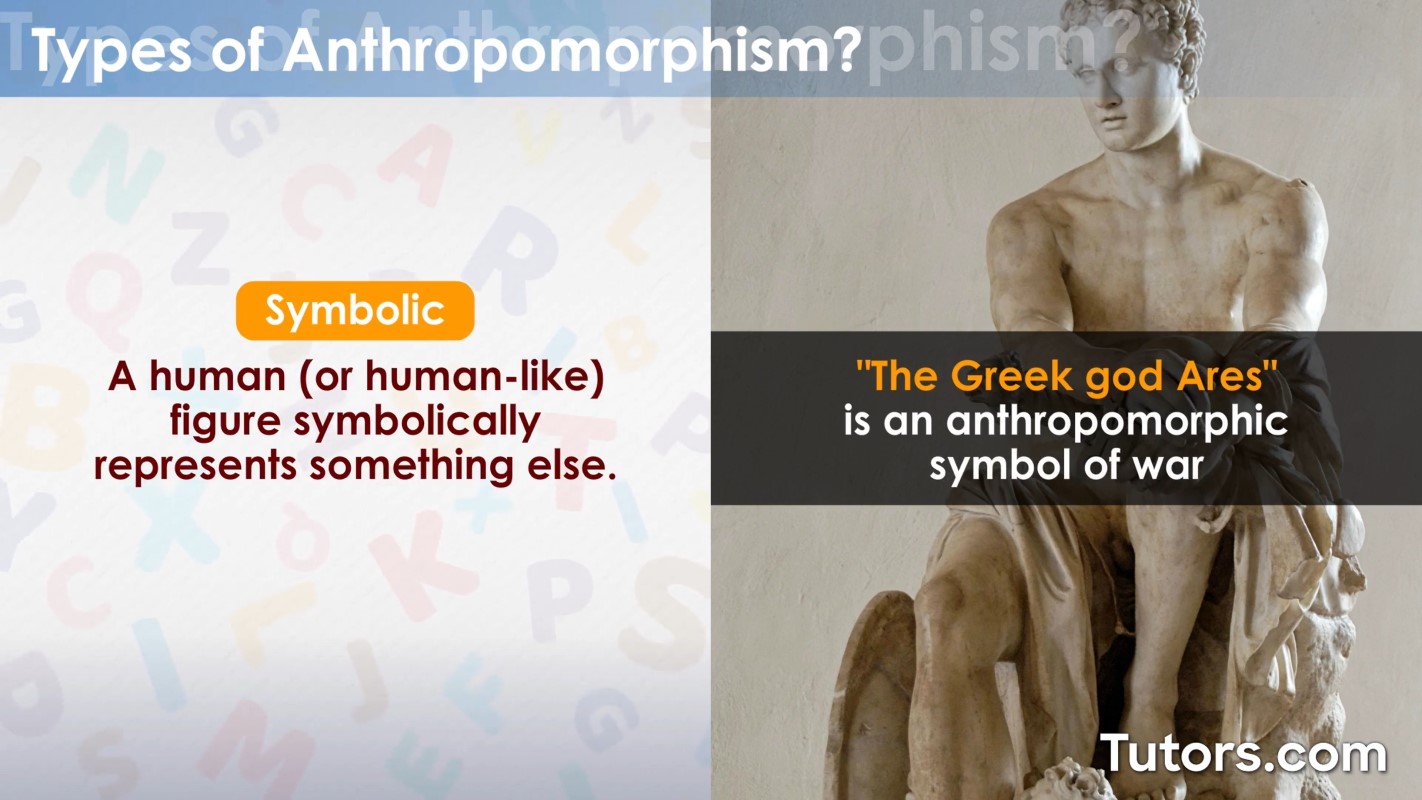
Anthropomorphism operates as a semiotic phenomenon—an intricate system of signs and symbols that mediates our understanding of the world. In post-humanism, this semiotic function is magnified as it reconfigures meaning-making processes, enabling the human mind to grapple with the unfamiliar in relatable terms.
By employing anthropomorphic constructs, humans create narratives that bridge the cognitive gap between self and other. This symbolic act is not reductive; rather, it opens pathways to novel epistemologies and ontologies. The semiotics of anthropomorphism thereby supports a dialogic engagement with technology and nature, transforming inscrutable entities into interlocutors within a shared existential narrative.
Anthropomorphism and the Technological Sublime: Navigating Awe and Ambivalence
In post-humanist contexts, anthropomorphism plays a critical role in negotiating the cultural affect of the technological sublime—a complex mixture of awe, wonder, and anxiety precipitated by advanced technologies. By conferring human traits on technology, anthropomorphism renders the sublime more accessible yet simultaneously engenders ambivalence about the boundaries between human control and technological autonomy.
This dual affect challenges us to confront the uncanny, engendering deeper psychological and philosophical reflections on our place within a networked, technologically saturated world. Anthropomorphic depictions of AI and robotics not only anthropologize the machine but also amplify discourses on trust, dependency, and vulnerability, urging a renewed ethical dialogue about cohabitation with our technological counterparts.
Implications for Future Ontologies: Towards a Post-Anthropocentric Worldview
The assimilation of anthropomorphism into post-humanist theory gestures toward the emergence of new ontologies that transcend the confines of anthropocentrism. By enabling a relational understanding across species and synthetic agents, anthropomorphism paves the way for ontological pluralism—an acceptance of diverse forms of being and knowing coexisting in a shared milieu.
This prospective framework holds immense transformative potential. It invites us to imagine futures where the categorical distinctions between human and non-human, organic and inorganic, cease to rigidly delimit existence. Anthropomorphism thus serves as an imaginative and conceptual bridge, fostering innovative dialogues that underscore interconnectivity, co-evolution, and mutual constitution within a complex, entangled cosmos.
In sum, the role of anthropomorphism within post-humanism is multifaceted and dynamic. It orchestrates a profound shift in perspective by challenging human exceptionalism, dissolving dualistic boundaries, fostering empathy, enriching semiotic processes, mediating our experience of the technological sublime, and inspiring emergent ontologies. This confluence of functions situates anthropomorphism not just as a rhetorical device but as an essential instrument in reimagining the contours of human identity and its relation to the broader matrix of beings inhabiting our shared world.