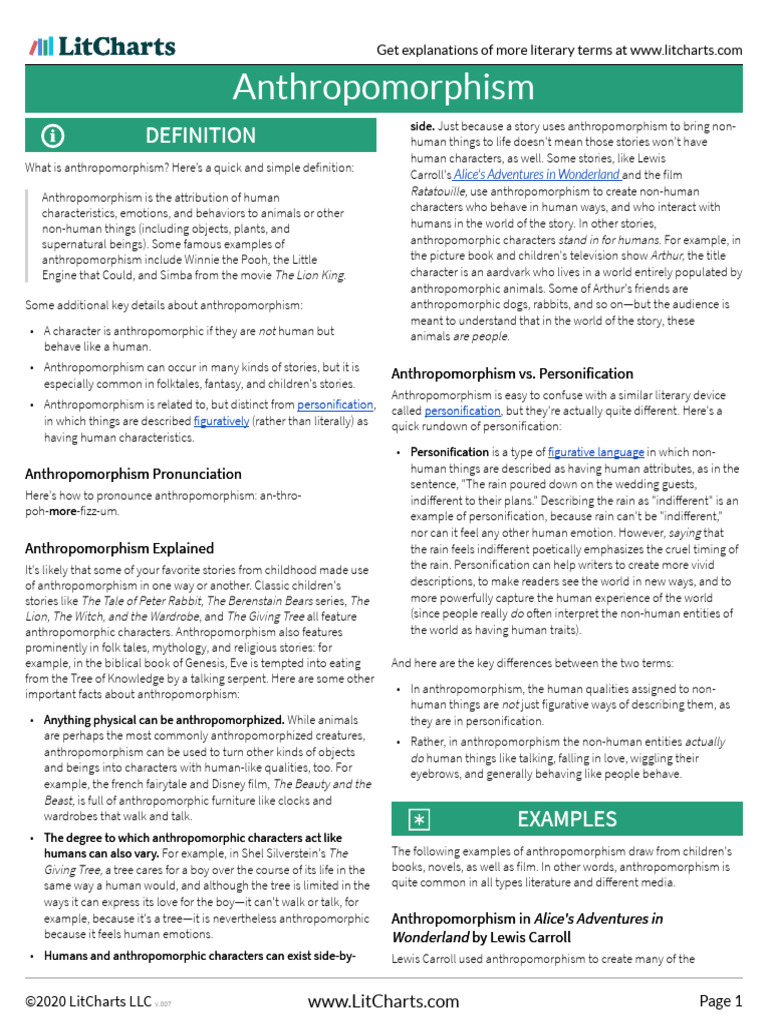
Imagine the electric buzz of a stadium, where the roar of the crowd is more than mere sound—it is a living, breathing entity that pulses with the heartbeat of every fan. This phenomenon is not accidental. At the core of this dynamic lies a captivating psychological marvel: anthropomorphism. Like a master illusionist weaving empathy with imagination, anthropomorphism infuses lifeless symbols—logos, mascots, and even entire teams—with human qualities that forge profound emotional bonds. This narrative journeys through how anthropomorphism serves as a catalyst for intensified fan engagement in sports, unlocking a reservoir of loyalty, identity, and communal spirit.
The Soul Behind the Symbol: Breathing Life Into Logos and Mascots
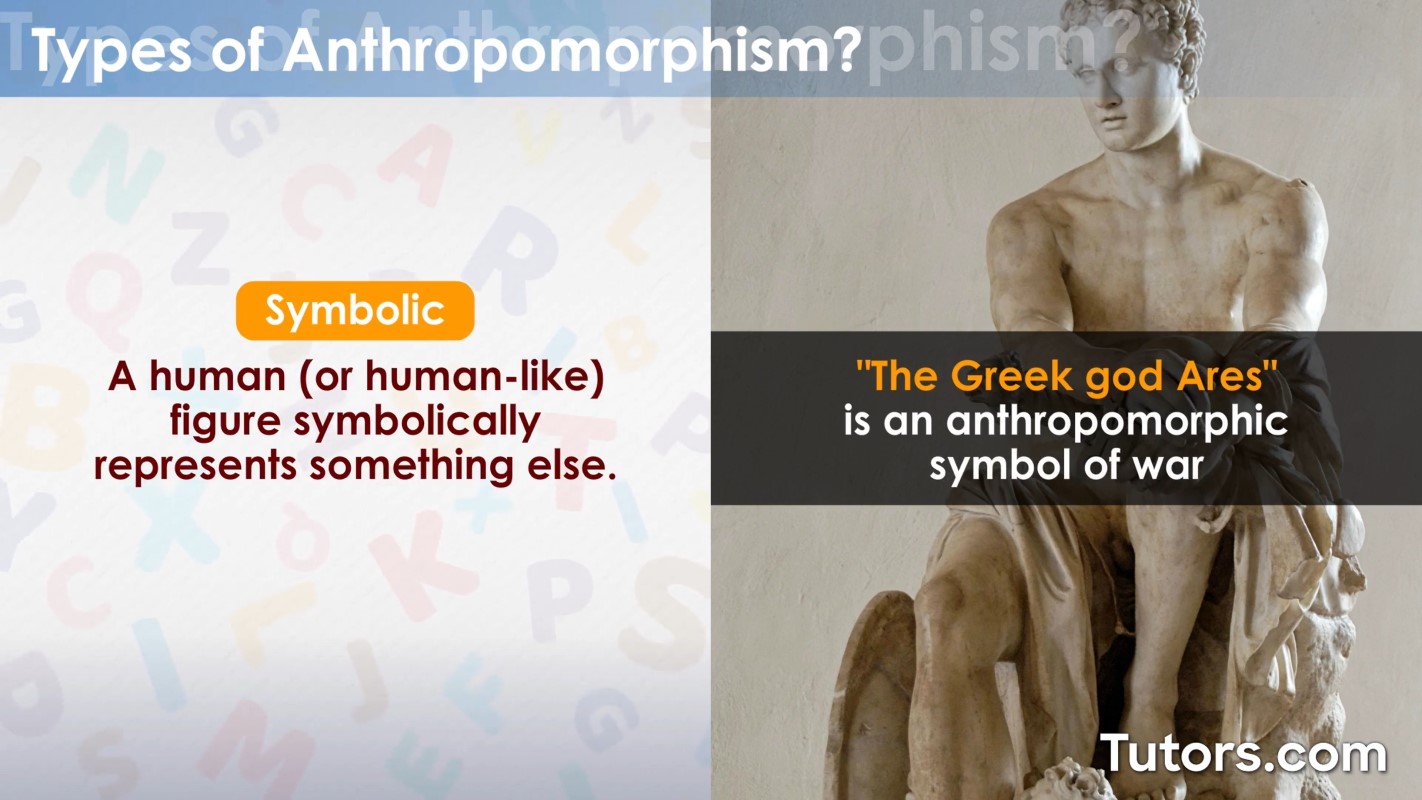
Sports teams are more than names and colors; they are emblems bearing a semblance of personality and spirit. Anthropomorphism acts as the architect of this transformation, endowing mascots and logos with traits that resonate emotionally. When a fierce eagle emblem isn’t just a bird but a sentinel of courage and freedom, fans connect on a deeply symbolic level. Mascots, often clad in expressive costumes, become the embodiment of communal aspirations—champions of hope, joy, and resilience. They are not static images but characters with quirks, stories, and emotions that fans recognize and cherish.
Through this process, teams become mythic figures in the pantheon of sports culture. Fans are not mere spectators; they are protagonists in a grand narrative, rallying behind characters that reflect their own values and dreams. This anthropomorphic narrative amplifies fan allegiance, creating enduring bonds that transcend game outcomes.
Personifying the Game: The Athlete as Hero and Sage
Beyond symbols, anthropomorphism also shapes the perception of athletes themselves. The players transform into mythic heroes—an amalgamation of strength, intellect, and emotion that fans instinctively project humanity onto. This personification elevates athletes to role models, adversaries, or even cautionary tales within an ongoing saga. When a quarterback is framed not only by stats but as a ‘warrior’ combating adversity, or a soccer player as a ‘poet’ weaving graceful maneuvers, fans engage on a narrative level that is visceral and consuming.
This empathetic projection nurtures a parasocial relationship, where fans feel intimately connected to athletes’ internal struggles and triumphs. The stakes become personal, blurring the boundaries between observer and participant. Anthropomorphism thus transforms mere competition into a drama of human experience, intensifying engagement on a psychological plane.
The Heartbeat of Community: Fostering Shared Identity Through Anthropomorphic Symbols
Sports fandom often functions as a surrogate family, a collective identity that thrives on shared symbols and stories. Anthropomorphism catalyzes this communal spirit by providing a living, breathing mascot that acts as a unifying icon. Whether it’s a bear embodying ferocity or a mythical creature representing regional pride, these figures offer a focus for collective emotion.
Fans rally around these anthropomorphic entities, projecting their hopes, frustrations, and celebrations collectively. This shared focus creates a communal heartbeat, synchronized pulses of joy and despair woven through the tapestry of fandom. Anthropomorphic symbols facilitate rituals, chants, and narratives, serving as vessels for cultural transmission within fan communities. This social glue enhances retention and deepens emotional investment in the team’s fortunes.
Anthropomorphism as an Emotional Bridge in Digital and Virtual Spaces
In the digital age, fan engagement extends well beyond live events, flourishing across social media, gaming, and virtual experiences. Anthropomorphism adapts fluidly to these platforms, acting as an emotional bridge that connects fans to their teams in immersive and interactive ways. Virtual avatars, AI-driven mascots, and personalized fanbots embody team spirit, offering dynamic personalities that respond, entertain, and comfort fans.
This digital personification rekindles the intimate emotional dialogue that physical attendance once exclusively provided. It enables a sense of presence and companionship, even when miles apart. The anthropomorphic digital mascot becomes a familiar friend, guiding fans through the highs and lows of the season with a relatable persona that amplifies engagement and loyalty.
The Double-Edged Sword: Navigating the Pitfalls of Anthropomorphism in Fan Engagement
While anthropomorphism wields significant power in galvanizing fan enthusiasm, it carries inherent risks. The over-personification of teams or athletes can lead to unrealistic expectations or emotional volatility. When a mascot is seen as almost supernaturally invincible, fan disappointment can morph into visceral frustration or disillusionment, disrupting the delicate equilibrium of fandom.
Moreover, anthropomorphic narratives sometimes perpetuate stereotypes or simplified caricatures that neglect the complexity of real-world individuals behind the jerseys. Such reductionism can stifle nuanced appreciation and propagate harmful myths. Maintaining a balance between myth and reality is essential for ethical and sustainable fan engagement that respects both emotional connection and authenticity.
Conclusion: The Enduring Allure of Anthropomorphism in Sports Fandom
Anthropomorphism in sports functions like a transformative spell, turning static emblems and impersonal contests into vibrant dramas suffused with human emotion. It ignites fan passion by weaving mythology, identity, and empathy into the fabric of sports culture. This enchanting process renders teams as living organisms within the social ecosystem of fandom, pulsing with meaning and memory. The unique appeal of anthropomorphism lies in its ability to humanize the abstract, transforming sport from a mere game into a shared human experience.
As sports continue to evolve in a digital and globalized landscape, the nuanced application of anthropomorphism will be pivotal in nurturing deeper fan engagement, stronger communities, and more resonant narratives. It remains, unequivocally, a cornerstone of what makes sports fandom a captivating and enduring phenomenon.