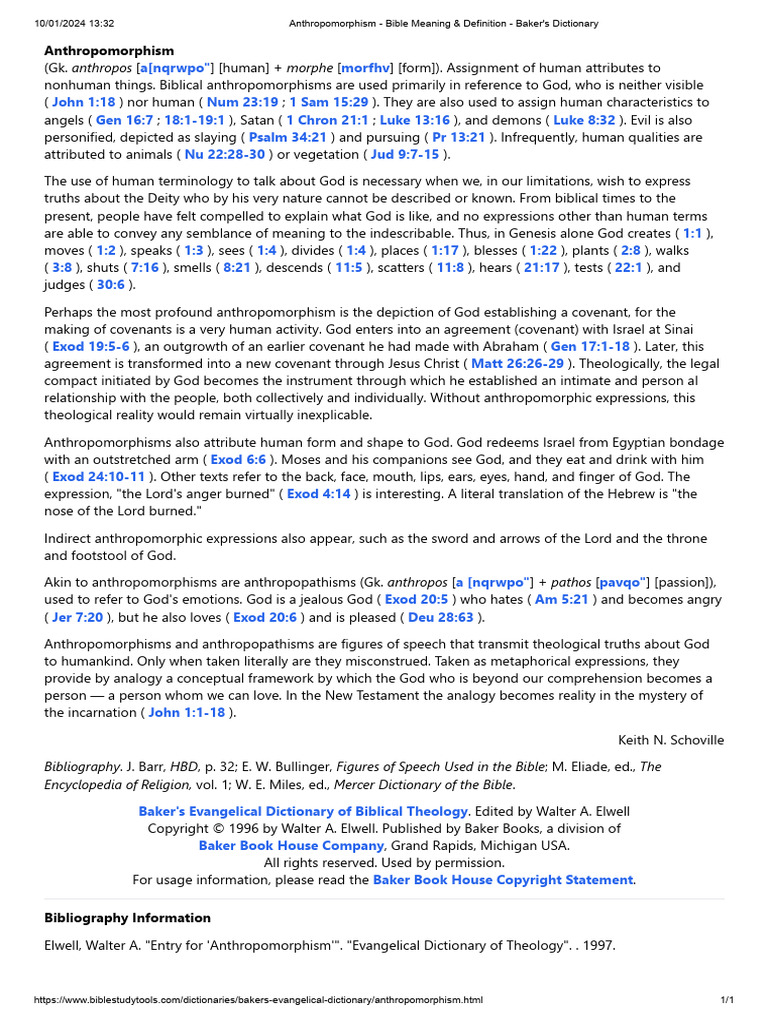
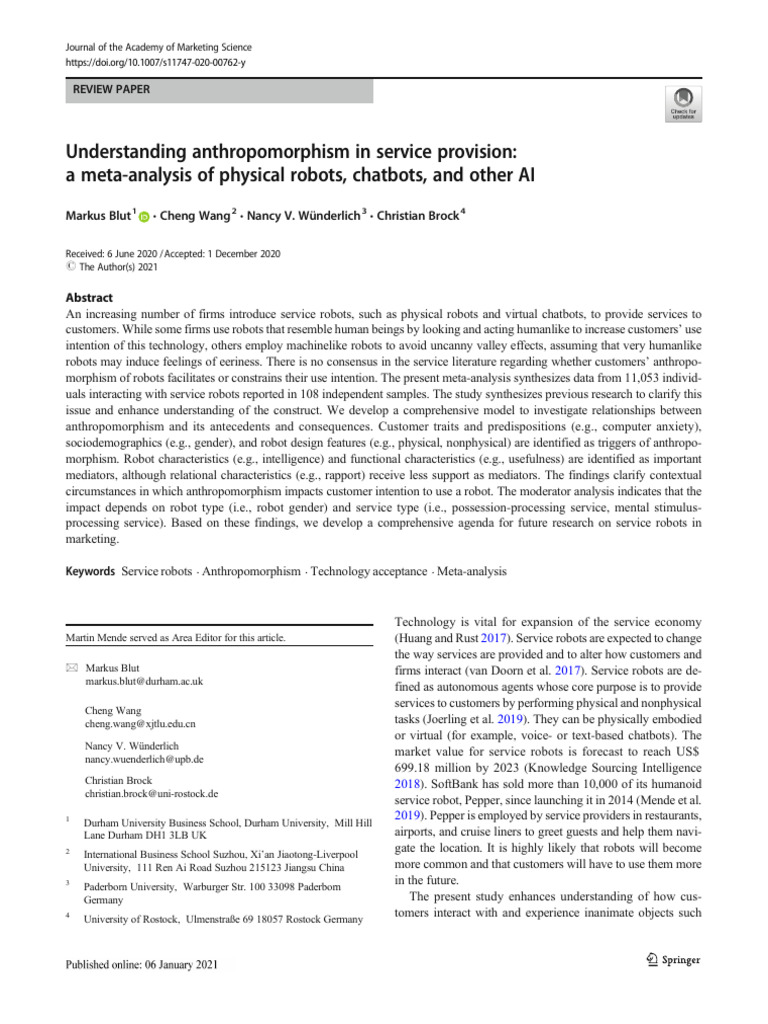
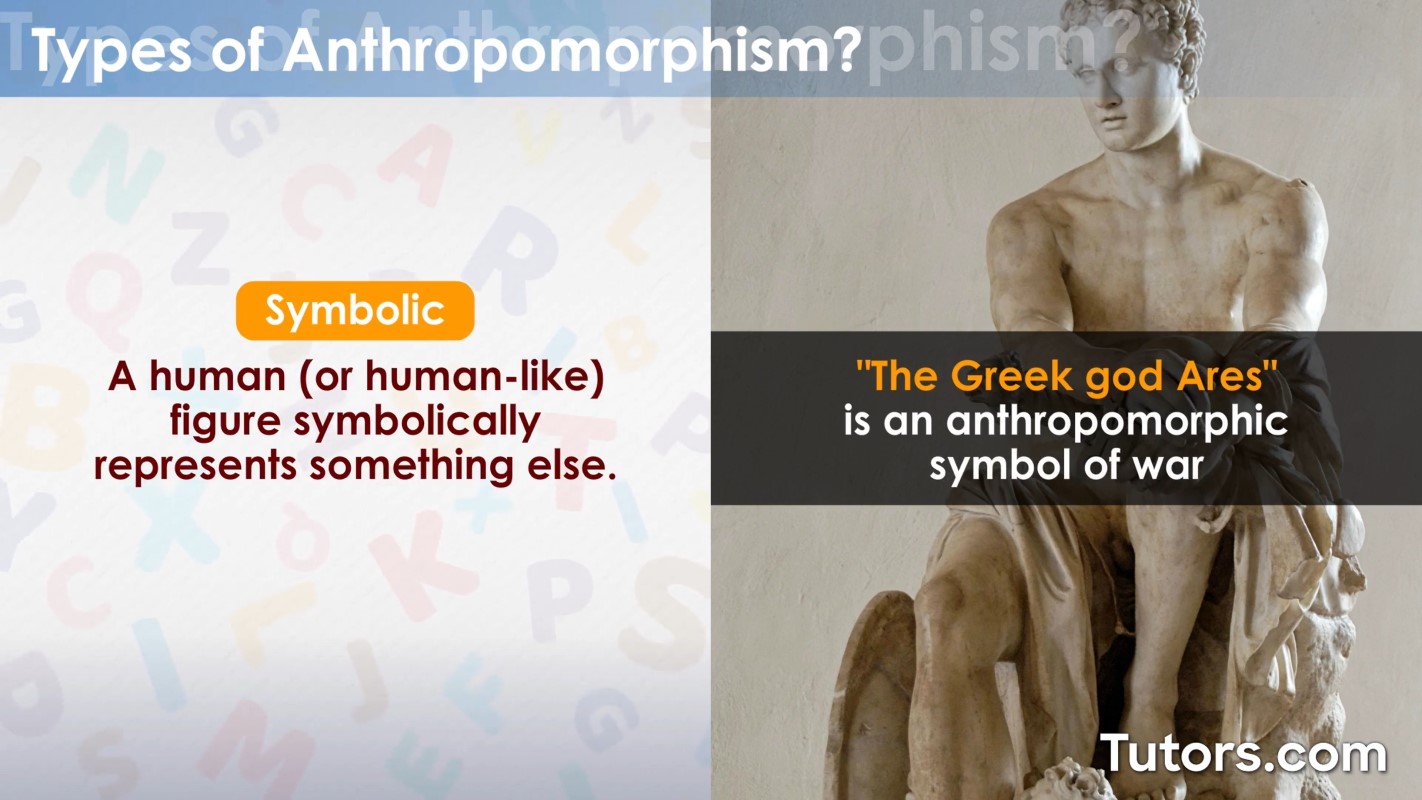
In the theater of justice, the courtroom serves as a stage where facts and feelings intersect, and the jury stands as the arbiter of truth. Yet, beneath the solemn veneer of legal proceedings lies a subtle, often overlooked dynamic: anthropomorphism—the attribution of human traits, emotions, or intentions to non-human entities. This phenomenon shapes jurors’ perceptions in profound and sometimes unpredictable ways. It acts as an unseen puppeteer, gently guiding the emotional choreography of the courtroom experience. Understanding how anthropomorphism influences jury perception unlocks a deeper appreciation for the human psyche’s intricate dance with justice.
The Courtroom as a Living Organism: The Breath of Anthropomorphism
The courtroom is not merely a physical space where legal scripts unfold. Psychologically, it becomes a living organism in the minds of jurors, rife with symbolic actors and objects that inhabit roles far beyond their literal existence. Legal documents morph into sacred scrolls bearing the weight of truth. The judge’s gavel, more than a tool, resonates as a sovereign’s scepter, commanding respect and finality.
When jurors subconsciously anthropomorphize these elements, they infuse the courtroom with an aura of personality and intention. This cognitive personification allows them to navigate the complex interplay of evidence and argument with a sense of relational engagement. It transforms the judicial process from a sterile fact-finding mission into a vivid human drama, where the courtroom itself becomes a character influencing the unfolding narrative.
Anthropomorphism and Emotional Resonance: The Jury’s Heartstrings
Jury deliberations are not merely intellectual exercises; they are infused with emotional undertones that color interpretations of facts. Anthropomorphism enhances this emotional resonance by evoking empathy or disdain toward abstract concepts through humanized associations. For example, a tangled web of evidence might be perceived as a cunning antagonist plotting deceit, whereas a victim’s testimony may take on the visage of a vulnerable storyteller, engendering sympathy.
This projection of human qualities onto elements of the trial cultivates an affective atmosphere where jurors are not detached observers but empathetic participants. The emotional gravity born from anthropomorphic perception can tip the scales of judgment, highlighting the profound interplay between cognition and feeling in legal decision-making.
Anthropomorphism as a Cognitive Shortcut: Simplifying Complexity
The legal realm is notoriously labyrinthine, awash with intricate argumentation and procedural formalities. Anthropomorphism functions as a cognitive schema that helps jurors simplify and make sense of this complexity. By humanizing abstract concepts or procedural actors—such as imagining “the law” as a wise and impartial elder—jurors can better contextualize the trial narrative and their role within it.
This mental shorthand aids in organization and recall, enabling jurors to anchor disparate information to more familiar and relatable touchstones. However, this cognitive efficiency comes at a cost: over-reliance on anthropomorphic constructs risks biasing interpretations and blurring objective analysis, as jurors may impute intentions or motivations where none exist.
The Role of Trial Presentation: Visual and Verbal Stimuli as Anthropomorphic Catalysts
The design and delivery of courtroom presentations often walk a fine line between clarity and theatricality. Visual aids such as exhibits, timelines, or reenactments can trigger anthropomorphic responses by animating facts and fostering identification. Narrative styles employed by attorneys—imbued with vivid characterizations and emotive language—serve as potent anthropomorphic vessels, turning dry testimony into a dramatic saga.
These stimuli not only capture jurors’ attention but also deepen engagement by fostering mental personifications of case elements. The visceral experience cultivated by such presentations leverages anthropomorphism to create memorable impressions and sway verdicts. The courtroom then ceases to be an inert forum, transforming instead into an immersive narrative ecosystem.
Risks and Ethical Considerations: The Double-Edged Sword of Anthropomorphism
While anthropomorphism enhances engagement and understanding, it also harbors subtle perils within the justice system. The human tendencies to imbue objects or processes with intentionality can skew jurors’ impartiality. For instance, anthropomorphizing a piece of forensic technology as “truth-teller” may lead to an undue credibility boost, overshadowing its limitations or methodological errors.
Moreover, anthropomorphic framing can inadvertently reinforce stereotypes or emotional biases, detracting from fair evaluation. Legal professionals and judges must be attuned to these dynamics to mitigate undue influence, ensuring that the evocative power of anthropomorphism serves enlightenment rather than manipulation.
Harnessing Anthropomorphism for Improved Jury Experience and Outcomes
Recognizing anthropomorphism’s potent sway offers opportunities for constructive application within courtroom reform and juror education. By intentionally shaping how trial materials and narratives are framed, legal practitioners can channel anthropomorphic tendencies toward enhancing juror comprehension and empathy without compromising objectivity.
Immersive courtroom simulations and experiential programs capitalize on anthropomorphic engagement, fostering deeper insights into judicial processes and humanizing abstract principles of justice. Such innovations promise not only to improve verdict accuracy but also to restore public faith in the judicial system by making it more accessible and relatable.
Conclusion: The Living Symphony of Justice and the Human Imagination
Anthropomorphism in the courtroom weaves an intricate tapestry, coloring jurors’ perceptions and experiences with human hues. It acts as both lantern and shadow—illuminating understanding while sometimes obscuring impartiality. This phenomenon underscores the essential truth that justice, however procedural and codified, is ultimately a profoundly human endeavor.
By embracing the unique appeal of anthropomorphism, the judicial system can harness its transformative power to deepen juror engagement, enrich courtroom narratives, and foster a more empathetic and equitable dispensation of justice. In this living symphony of law and human imagination, every element—from gavel to testimony—resonates with meaning, inviting jurors not only to judge but to genuinely inhabit the story they are called to decide.