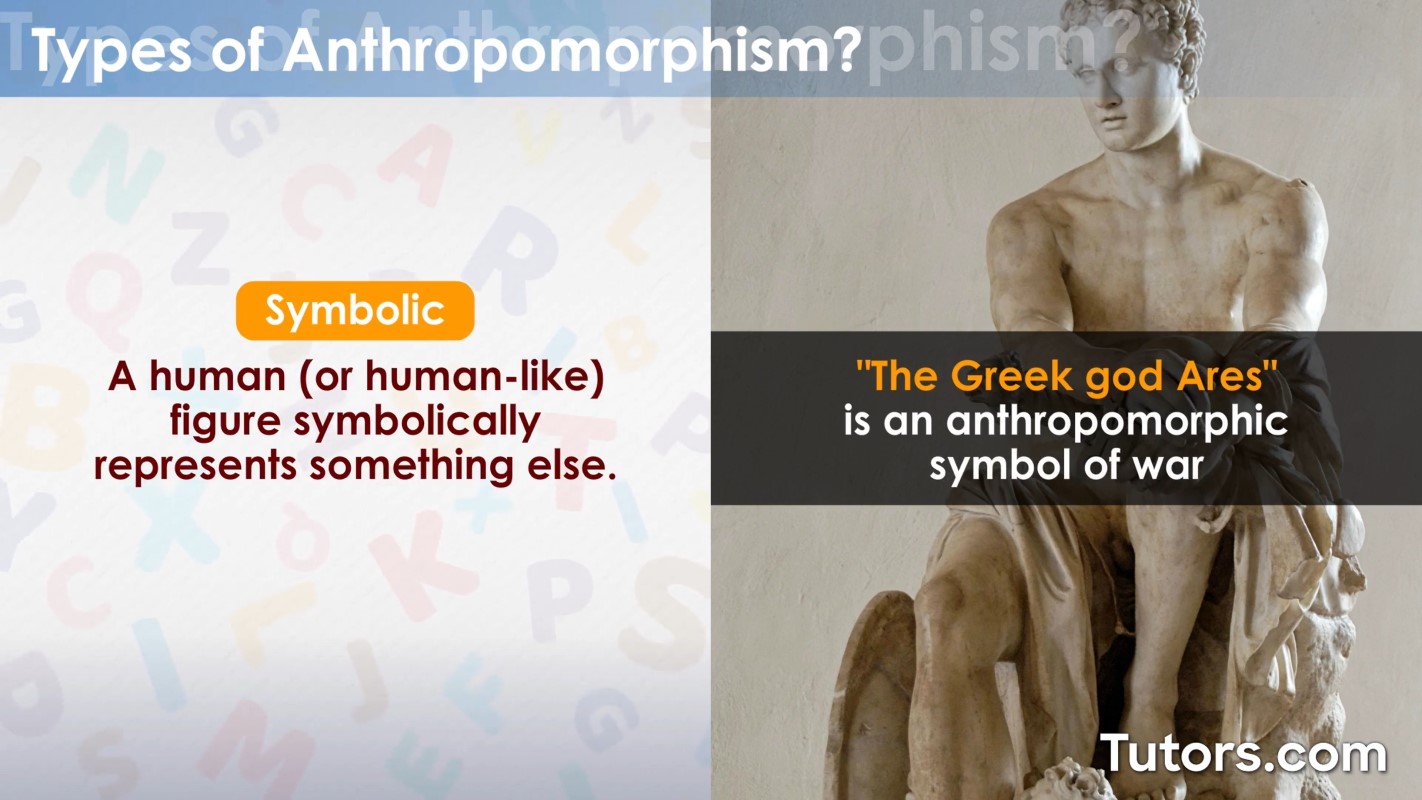
Anthropomorphism, the attribution of human traits, emotions, or intentions to non-human entities, has long fascinated humanity, especially within the realm of wildlife research. As scientific methodologies evolve and interdisciplinary approaches gain prominence, the role of anthropomorphism in understanding animal behavior and ecology continues to expand. This emerging landscape promises new content and perspectives that bridge the gap between human cognition and wildlife phenomena, creating a nuanced dialogue that extends beyond mere observation. Delving into the future of anthropomorphism in wildlife research reveals a vibrant spectrum of possibilities, each poised to enrich our comprehension of the natural world.
Historical Context and Its Evolutionary Significance
The legacy of anthropomorphism within wildlife studies is both deep-rooted and transformative. Traditionally, scientists approached animal behaviors with cautious objectivity, wary of imposing human-centered biases that might distort empirical observations. However, new paradigms recognize that anthropomorphism can serve as a valuable heuristic tool for interpreting complex behavioral repertoires. This shift is grounded in the evolutionary interconnectedness between humans and other species. By acknowledging shared emotional and cognitive frameworks, researchers can hypothesize about animal motivations, social structures, and communication mechanisms with greater empathy and insight.
Future content will often explore these historical frameworks, analyzing how early philosophical and scientific perspectives paved the way for contemporary integrative methodologies. Readers can expect detailed retrospectives that contextualize modern findings within a broader intellectual tradition, enhancing their appreciation for the subtleties involved in cross-species understanding.
Technological Advancements and Novel Methodologies
Innovation is at the heart of the future of anthropomorphism in wildlife research. Cutting-edge technologies such as artificial intelligence, machine learning, and high-resolution behavioral tracking are enabling unprecedented access to animal cognition and emotional states. These tools permit researchers to decode nuanced behavioral data that might otherwise remain obscure, offering a richer, more textured interpretation of anthropomorphic signals.
Emerging content will delve into the role of AI algorithms that mimic natural neural networks, enabling computers to classify animal expressions and gestures within an anthropomorphic framework. Such advancements facilitate a more precise mapping of emotional states like joy, fear, or curiosity, traditionally attributed only to humans. Additionally, virtual reality environments and immersive simulations are being developed to study animal interactions in controlled yet lifelike settings, further bridging the experiential gap between species.
Articles and features on this topic will provide comprehensive analyses of these technological breakthroughs, alongside practical case studies demonstrating their applications. By reinforcing scientific rigor with empathetic interpretation, this blend of innovation promises a more holistic understanding of wildlife behavior.
Ethical Dimensions and Conservation Implications
The ethical landscape surrounding anthropomorphism in wildlife research is multifaceted and evolving. As researchers increasingly recognize animals as sentient beings with complex emotional lives, the moral imperatives guiding study design and conservation efforts gain urgency. Anthropomorphism prompts a reevaluation of human responsibilities toward animal welfare and habitat preservation, emphasizing respect and coexistence rather than dominion.
Future discourses will likely focus on how anthropomorphic perspectives influence policy-making and conservation strategies. Articles will explore the tensions between scientific objectivity and empathetic advocacy, highlighting case studies where anthropomorphic interpretations have led to enhanced protection for endangered species or better animal welfare regulations. Moreover, there will be critical examinations of potential pitfalls, such as anthropomorphic overreach, where misplaced human projections inadvertently harm conservation outcomes.
This convergence of ethics and research methodology fosters content that not only educates but also inspires action. It encourages readers to consider wildlife through a lens that balances scientific inquiry with compassion and stewardship.
Interdisciplinary Collaborations and Cultural Narratives
The future of anthropomorphism in wildlife research is increasingly interdisciplinary, merging insights from ethology, psychology, anthropology, and even the arts. This synthesis enriches scientific inquiry with diverse perspectives, deepening understanding of how humans relate to animals across cultural and historical contexts. Anthropomorphic representations in literature, visual arts, and media shape collective perceptions and, reciprocally, scientific questions and interpretations.
Readers can anticipate content that highlights collaborations between scientists and artists, where creative expression aids in visualizing animal cognition and emotionality. These narratives not only humanize wildlife but also serve as powerful tools for public engagement and education. Ethnographic studies will elucidate how indigenous knowledge systems incorporate anthropomorphic elements, offering alternative epistemologies that challenge Western scientific traditions.
Such multidisciplinary explorations illuminate the dynamic interplay between human culture and animal studies, fostering a more holistic approach to wildlife research that transcends disciplinary silos.
Emerging Educational Paradigms and Public Engagement
Anthropomorphism is poised to redefine educational paradigms within wildlife research and conservation advocacy. Pedagogical models increasingly leverage anthropomorphic storytelling and interactive media to foster empathy and curiosity among learners of all ages. This approach nurtures a sense of connectedness essential for cultivating future generations of conservationists who value biodiversity beyond utilitarian perspectives.
Future content will include innovative educational resources such as gamified learning platforms, augmented reality experiences, and narrative-driven documentaries that emphasize the emotional and cognitive lives of animals. These materials harness anthropomorphism not as mere embellishment but as a scientifically informed bridge, making complex ethological concepts accessible and compelling.
Moreover, public engagement initiatives capitalizing on this trend will become more prevalent, employing social media and citizen science projects that encourage active participation in wildlife monitoring and protection. The democratization of scientific knowledge through anthropomorphic frameworks transforms passive observation into meaningful involvement.
The Challenges and Scientific Rigor in Anthropomorphic Interpretation
Despite its potential, anthropomorphism also presents epistemological challenges that future research must navigate with care. Overattribution of human characteristics to animals can lead to anthropocentric biases that obscure objective analysis. The challenge lies in balancing empathetic interpretation with methodological rigor, ensuring that scientific conclusions remain evidence-based and non-speculative.
Upcoming content will often discuss frameworks and guidelines developed to calibrate anthropomorphic hypotheses against empirical data. This includes the development of standardized ethograms that incorporate emotional and cognitive criteria validated through neurobiological and behavioral studies. Researchers will also explore ways to cross-validate anthropomorphic interpretations via cross-species comparisons and longitudinal observations.
Such critical examinations underscore the vibrant tension between empathy and empirical scholarship, a dialectic that will continue to define the trajectory of anthropomorphic research in wildlife studies.
Conclusion: A Transformative Outlook
The future of anthropomorphism in wildlife research is emblematic of a broader paradigm shift towards integrative and empathetic science. As technological innovation intersects with ethical consciousness, interdisciplinary collaboration, and new educational models, anthropomorphism emerges as a powerful lens for unlocking the mysteries of animal lives. Readers can expect a wealth of diverse content that not only illuminates animal behavior with unprecedented clarity but also fosters a profound respect for the sentient beings that share our planet. In this transformative journey, the human and animal worlds become intimately entwined, enriching both scientific knowledge and public imagination.