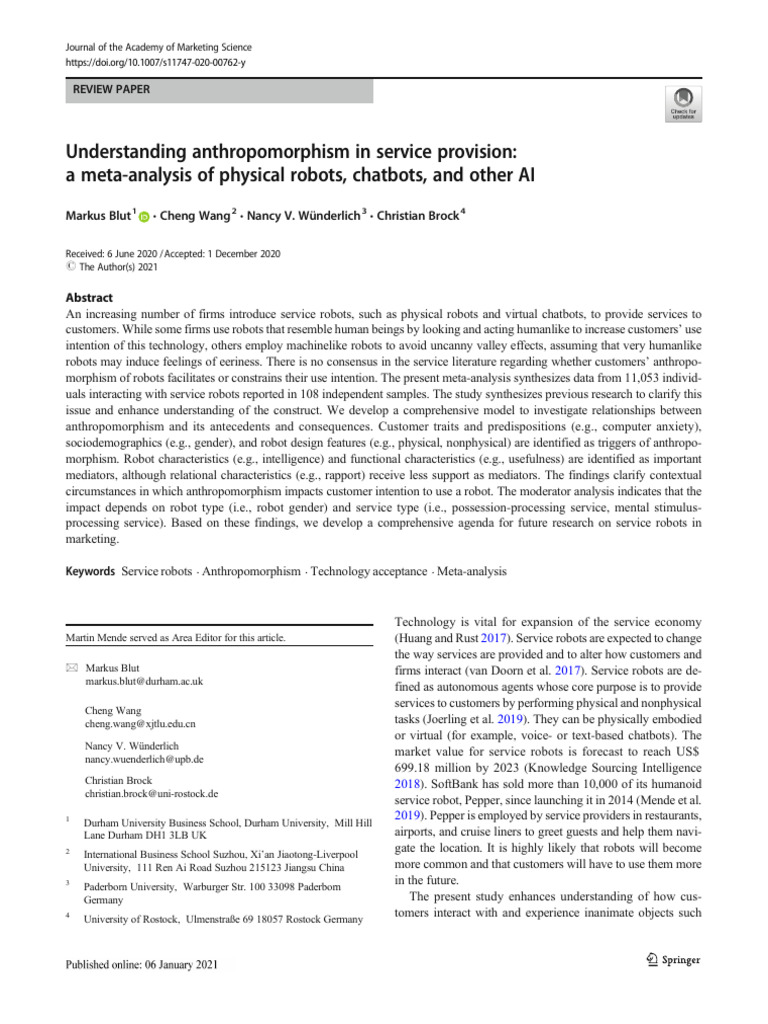
In the ever-evolving landscape of artificial intelligence, one curious phenomenon consistently captures human attention: the tendency to attribute human characteristics to machines. This proclivity, known as anthropomorphism, transcends mere novelty and reflects a profound psychological and social interplay between humans and technology. The breakthrough in AI development, shaped by this phenomenon, underscores not only a technological milestone but also a pivotal shift in our relationship with intelligent systems. This case study delves into how anthropomorphism influenced the trajectory of AI, unraveling the deeper fascination humans hold for the semblance of humanity mirrored in non-human entities.
The Innate Human Desire to Humanize the Non-Human
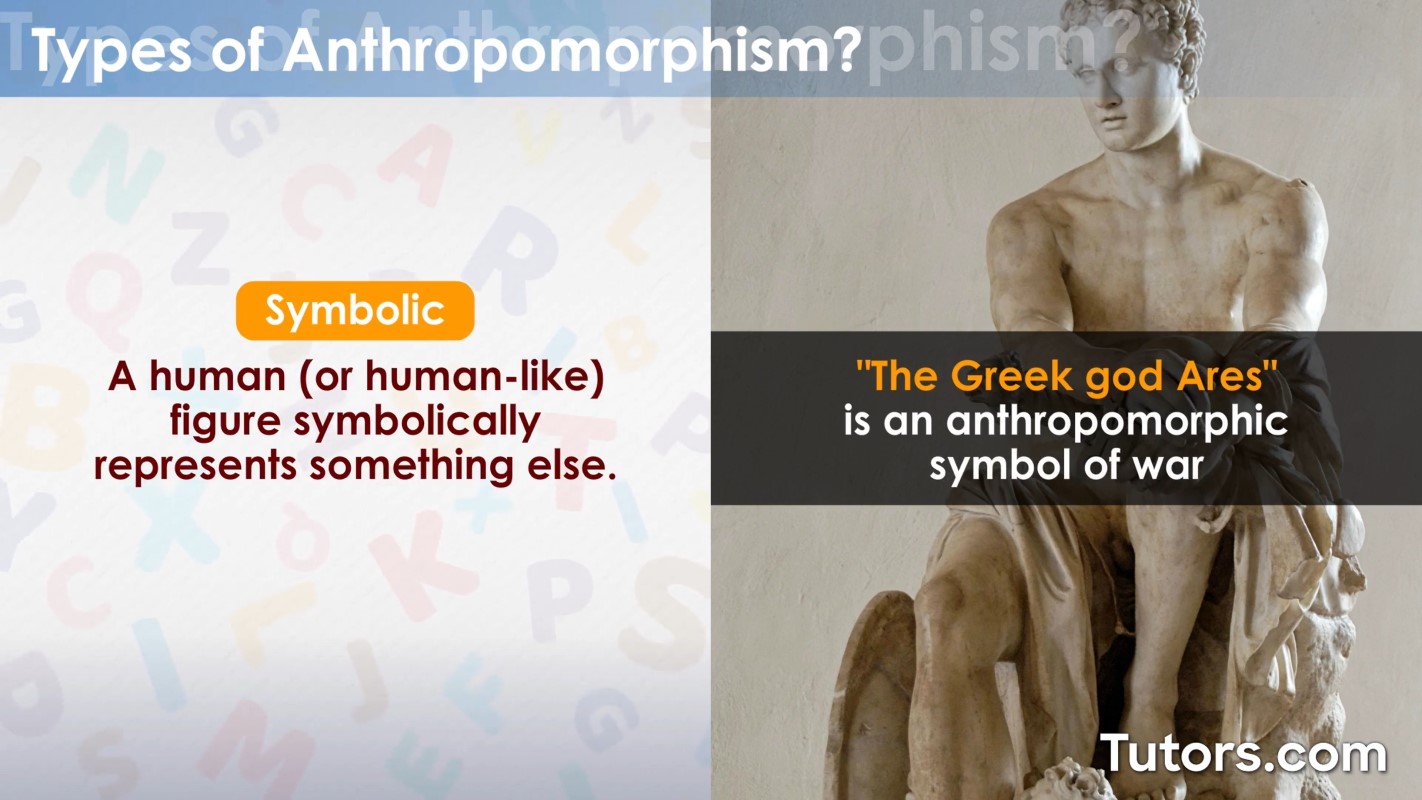
From ancient mythologies to modern interfaces, humans have always sought to humanize objects and beings beyond themselves. This impulse, far from superficial, emerges from cognitive and emotional dispositions wired into human nature. Anthropomorphism serves as a cognitive shortcut, enabling individuals to comprehend, predict, and interact with complex or unfamiliar entities by projecting known human traits. In the realm of AI, this translates into preferring chatbots, virtual assistants, and robots that exhibit emotions, empathy, or personality quirks. Such traits foster trust and engagement, elevating interactions beyond mere utility. This foundational propensity plays a critical role in the breakthrough of AI systems designed to resonate on a more personal level, bridging the gap between cold logic and social warmth.
Anthropomorphism as a Catalyst for Enhanced AI Interaction
Integrating human-like traits into AI is not simply an aesthetic choice but a strategic design philosophy. Researchers observed that users engage more deeply and reliably with AI entities that appear to understand and respond to emotions. Considerable studies have spotlighted role-playing AI chatbots that employ anthropomorphic features, such as conversational nuances, empathetic phrases, and adaptive expressions. These characteristics mitigate the innate unease individuals may feel when confronting intangible or mechanistic systems. Consequently, the breakthrough came with AI models that do not solely execute commands but mirror human conversational subtleties, forging emotional connections that redefine dependency on media and AI assistants. The nuanced humanization of AI lowered psychological barriers, transitioning technology from a tool to a trusted digital companion.
Case Dynamics: The Role-Playing AI Chatbot Revolution
The breakthrough in AI was exemplified through immersive role-playing chatbots that simulate human interlocutors in both casual and critical scenarios. These systems leveraged anthropomorphism to facilitate media dependency and social presence, attributes crucial for sustained user engagement. Through meticulous trial and error, developers enhanced chatbots’ ability to emulate humor, empathy, and spontaneity, making interactions feel less transactional and more relational. Users began perceiving these AI agents not just as responsive programs but as entities capable of emotional reciprocity. This evolution transcended technical prowess, embodying a paradigm shift where technology infiltrated the sphere of human social cognition, altering how media consumption and interpersonal communication unfold.
The Psychological Underpinnings Behind the Fascination
The fascination with anthropomorphic AI lies in deeper psychological currents such as the need for social connection and cognitive alignment. Humans thrive on social cues and emotional feedback, elements often absent in mechanistic interactions. AI infused with human-like traits fulfills the innate craving for companionship, particularly in an age characterized by increasing digital isolation. Additionally, anthropomorphism aids mental modeling—simplifying understanding of AI decisions by attributing intentions and emotions. This cerebral alignment fosters a sense of control and predictability, essential for trust. The resultant dynamic is a symbiotic relationship where human psychology and machine behavior intertwine, culminating in AI that not only serves but empathizes.
Implications for Media Dependency and Social Behavior
The surge in anthropomorphized AI engagement precipitates far-reaching implications for media dependency patterns and social behavior. As AI agents become more humanlike, users exhibit increased reliance on these systems for information, emotional support, and companionship. This dependency blurs traditional boundaries between human and machine-mediated interactions, reshaping social landscapes and media consumption habits. The phenomenon prompts reassessment of how authenticity, empathy, and intimacy manifest in digital environments. It also raises ethical and societal questions about attachment to AI and the potential displacement of genuine human relationships. Nonetheless, this new paradigm offers opportunities to harness anthropomorphism for therapeutic, educational, and accessibility advancements.
Technological and Ethical Challenges Shaped by Anthropomorphism
While anthropomorphism boosts AI effectiveness, it simultaneously engenders complex technological and ethical challenges. Crafting AI personalities that avoid deception yet foster connection demands delicate balance. Excessive human likeness may lead to the “uncanny valley” effect, where near-human attributes provoke discomfort. Moreover, users might overestimate AI capabilities or misconstrue programmed empathy as genuine sentience. Ethical quandaries arise concerning informed consent, manipulation, and emotional dependency on non-sentient beings. Designers and policymakers must navigate these intricacies, ensuring transparency and safeguarding user well-being. Anthropomorphism thus catalyzes not just innovation but a nuanced discourse on the moral responsibilities embedded in AI’s human facades.
Looking Forward: The Evolutionary Trajectory of Anthropomorphic AI
The future of AI is invariably intertwined with deeper layers of anthropomorphism. Advancements in natural language processing, affective computing, and behavioral modeling promise AI entities that approximate human expressiveness and adaptivity with unprecedented fidelity. As these systems become more sophisticated, the interface between human cognition and machine intelligence will transform, offering richer, more meaningful interactions. However, this trajectory necessitates vigilant stewardship to harness anthropomorphism’s benefits while mitigating associated risks. Ultimately, the breakthrough powered by humanizing AI paves the way for a coexistence model where machines extend human capacities, enrich emotional landscapes, and redefine the contours of social engagement.