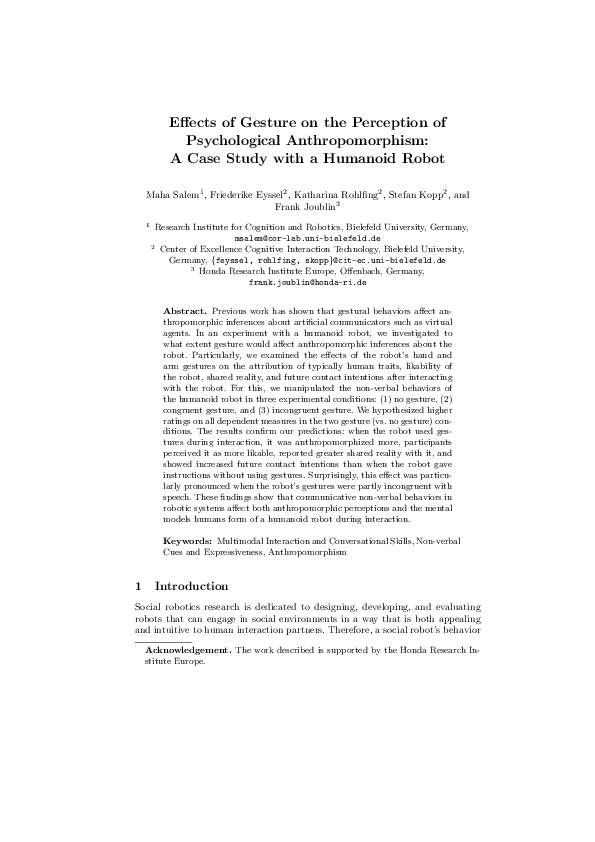
In the evolving landscape of modern workplaces, where technology and human interaction intertwine more intricately than ever before, the ethics of anthropomorphism in workplace policies emerges as a compelling frontier. Anthropomorphism—the attribution of human traits, emotions, or intentions to non-human entities—has transcended mere colloquial curiosity and found itself embedded in organizational conduct and decision-making frameworks. This phenomenon prompts a profound reevaluation of how we delineate responsibilities, rights, and interactions not only among humans but also with artificial agents, automated systems, and increasingly sophisticated technologies that populate today’s offices. A shift in perspective is warranted, inviting us to dissect how these human-like attributions complicate traditional notions of ethics and governance in professional settings, and to explore the latent implications that reverberate beyond the superficial allure of humanizing machines and policies alike.
The Genesis of Anthropomorphism in Workplace Contexts
Anthropomorphism is hardly a novel impulse; its roots delve deep into human cognition and storytelling traditions. Yet, its migration from folklore and literature into workplace policy is a relatively recent evolution, catalyzed by the proliferation of intelligent systems and collaborative robots—cobots—within industrial and office environments. Organizations often deploy anthropomorphic designs and interfaces to engender trust, facilitate user interaction, and mitigate anxieties about automation. By attributing human characteristics to machines, companies hope to smooth the transition toward digitized processes and bolster employee acceptance. However, this practice introduces ethical fissures that challenge the clarity of accountability, autonomy, and dignity in the workplace.
The anthropomorphic characterization of technology threatens to blur distinctions between tool and agent. When workplace policies tacitly or explicitly grant machines human-like agency, it opens Pandora’s box concerning what responsibilities the organization, and indeed the machines themselves, ought to bear. This conceptual conflation demands rigorous ethical scrutiny and invites a reconsideration of policy frameworks historically grounded in human rationality and moral judgment.
Ethical Quagmires Around Responsibility and Accountability
Attribution of agency to non-human actors within the workplace unavoidably complicates ethical accountability. Suppose a robotic assistant causes harm or makes an erroneous decision affecting employee welfare. Does the fault lie with the machine, its designers, the employing organization, or the employees who interact with it? Traditional policies emphasize human accountability, yet anthropomorphism risks distributing moral responsibility in ways that can obscure liability.
This diffusion not only undermines the clarity required in regulatory compliance but also challenges foundational legal tenets. The ethical quandary intensifies when AI-driven systems learn autonomously from data and make decisions beyond explicit human programming. Assigning moral agency in such contexts becomes labyrinthine. Consequently, workplace policies must carve out explicit boundaries defining where human stewardship ends and machine action begins. Establishing robust frameworks to ensure that human oversight remains paramount is essential to prevent ethical abdication under the guise of anthropomorphic convenience.
Human Dignity and the Facade of Emotional Reciprocity
Anthropomorphism in workplace policies often capitalizes on the illusion of emotional reciprocity between humans and machines. Humanizing devices and systems can evoke empathy, creating the semblance of a sentient colleague or empathetic companion. This phenomenon holds profound ethical implications for human dignity and interpersonal dynamics.
When employees unconsciously invest machines with feelings and intentions, they may inadvertently diminish the authenticity of human relationships or suspend critical scrutiny toward technology. It could foster emotional dependency on inanimate systems, skew interpersonal expectations, and mask unequal power relations embedded in digital surveillance or management algorithms. Ethically, workplace policies must safeguard the inviolability of human dignity by ensuring that anthropomorphism does not exploit human vulnerability or erode genuine social bonds.
Implications for Policy Design and Implementation
Crafting workplace policies that integrate anthropomorphic elements requires a nuanced balance between leveraging technological benefits and mitigating ethical hazards. Policies must be transparent about the nature of artificial agents, meticulously delineating the limitations of their agency and the contours of their operational scope. It is imperative to communicate explicitly to employees that machines, regardless of their anthropomorphic guise, do not possess consciousness or moral intuition.
Moreover, policy frameworks should embed ethical audits and iterative assessments to adapt to evolving technological landscapes. Employee consent and education must be central, equipping the workforce with critical awareness about the anthropomorphic design features and their psychological impacts. Only through such vigilance can organizations avoid the pitfalls of misplaced trust, address concerns over surveillance and privacy, and cultivate an environment of ethical integrity.
Future Perspectives: Toward Ethical Synergy Between Humans and Artificial Agents
The trajectory of anthropomorphism in workplace policies hints at a future where human and artificial agents coexist with intricate interdependencies. Embracing this future demands transcending anthropomorphism as a mere interface strategy and reconceptualizing it as a lens to rethink solidarity, collaboration, and ethical stewardship in the post-human workplace.
Innovative policy paradigms may emerge that assign differentiated rights, responsibilities, and protections tailored to the ontological status of artificial entities. Ethical frameworks could evolve to recognize distributed agency, harnessing both human empathy and machine efficiency without conflating the two. Such synergy may pave the way for workplaces that honor human dignity while responsibly integrating the transformative potential of anthropomorphized systems.
Ultimately, the ethics of anthropomorphism in workplace policies beckons a deeper inquiry into what it means to be human in an environment increasingly populated by human-like technology. It is a call to recalibrate our moral compass, ensuring that as we imbue machines with semblances of humanity, we do not abdicate the very qualities that define our ethical landscape.