In the intricate ballet of teamwork, where human minds converge to achieve the extraordinary, a curious phenomenon often goes unnoticed—anthropomorphism. This cognitive tendency to attribute human-like qualities to non-human entities isn’t just a quirk of imagination; it’s a silent architect reshaping the very foundations of collaboration. When teams infuse their dynamics with anthropomorphic metaphors—be it a “team spirit” that dances like a living entity or a “project timeline” that breathes and stretches—do they inadvertently unlock deeper synergy? The answer lies not in the metaphor itself, but in the psychological and emotional scaffolding it erects, transforming abstract goals into tangible, almost sentient forces that guide collective effort.
The Alchemy of Metaphor: Turning Abstractions into Allies
Teams are, at their core, ecosystems of ideas, emotions, and ambitions. Yet, these elements often remain intangible, slipping through fingers like smoke. Anthropomorphism acts as an alchemist, transmuting these ephemeral constructs into allies with personalities, motivations, and even flaws. Consider a “project” personified as a stubborn but brilliant colleague who resists shortcuts or a “deadline” that looms like a stern mentor, demanding diligence. Such metaphors don’t just decorate conversation; they crystallize the abstract into something teams can engage with emotionally. Research in cognitive psychology suggests that anthropomorphism enhances empathy, making it easier for individuals to align their efforts toward shared objectives. When a team member visualizes their workload as a “reluctant dragon” that must be coaxed into submission, the struggle becomes less about personal failure and more about a shared quest.
The Empathy Paradox: When Metaphors Bridge Divides
Anthropomorphism’s greatest strength—its ability to foster empathy—is also its most delicate paradox. On one hand, it can dissolve the barriers between diverse personalities, turning a “quiet thinker” into a “wise owl” whose insights are treasured, or a “loud innovator” into a “roaring lion” whose boldness propels the team forward. Yet, this same empathy can backfire if metaphors are wielded carelessly. A “team” reduced to a “family” might evoke warmth, but it can also stifle dissent, breeding a false harmony where conflict is swept under the rug. The key lies in balance: metaphors should illuminate, not obscure. Teams that use anthropomorphism to highlight strengths while acknowledging weaknesses—such as a “team ship” with a “leaky hull” that needs patching—create a culture where vulnerability is not a liability but a shared responsibility.
The Ritual of Personification: How Teams Breathe Life into Work
Every team develops its own lexicon of metaphors, a secret language that binds members together. These aren’t mere figures of speech; they’re rituals. A project manager who refers to a “project heartbeat” is not just describing urgency—they’re invoking a shared heartbeat, a visceral reminder that every delay is a skipped pulse. Similarly, a “brainstorming storm” isn’t just a cliché; it’s a collective acknowledgment that chaos can birth brilliance. These metaphors become the scaffolding of team identity, transforming mundane tasks into epic narratives. Studies on organizational behavior reveal that teams with rich metaphorical cultures exhibit higher resilience, as members draw strength from the stories they tell themselves. When a team faces a crisis, it’s not just a problem to solve—it’s a “dragon to slay,” a “puzzle to unravel,” or a “mountain to scale,” each framing the challenge in a way that galvanizes rather than paralyzes.

The Dark Side of Anthropomorphism: When Metaphors Become Shackles
Not all anthropomorphic metaphors are benevolent. Some can distort reality, creating expectations that are impossible to meet. A team that views itself as a “well-oiled machine” might prioritize efficiency over creativity, stifling innovation in favor of predictability. Others may fall into the trap of “corporate animism,” where inanimate objects—like a “broken printer” or a “glitchy software”—are blamed as if they were sentient saboteurs, absolving teams of accountability. The danger lies in mistaking metaphor for reality. Teams must remain vigilant, using anthropomorphism as a tool for cohesion rather than a crutch for avoidance. The line between inspiration and delusion is thin; crossing it can turn a unifying narrative into a divisive myth.
From Metaphor to Mastery: Crafting Collaborative Narratives
The most effective teams don’t just use anthropomorphism—they master it. They curate metaphors that resonate with their collective psyche, ensuring that every “team ship” has a captain, every “deadline” has a purpose, and every “obstacle” has a lesson. This mastery requires intentionality. Leaders must model metaphorical thinking, encouraging teams to explore how they perceive their work. Is a “project” a marathon or a sprint? Is a “collaboration” a symphony or a jam session? The answers shape the team’s rhythm, tempo, and harmony. Workshops on metaphorical storytelling can help teams refine their narratives, turning vague frustrations into actionable insights. For instance, a team struggling with communication might reframe their challenges as a “language barrier” between departments, prompting them to develop clearer channels of dialogue.
The Future of Teamwork: Anthropomorphism in the Age of AI
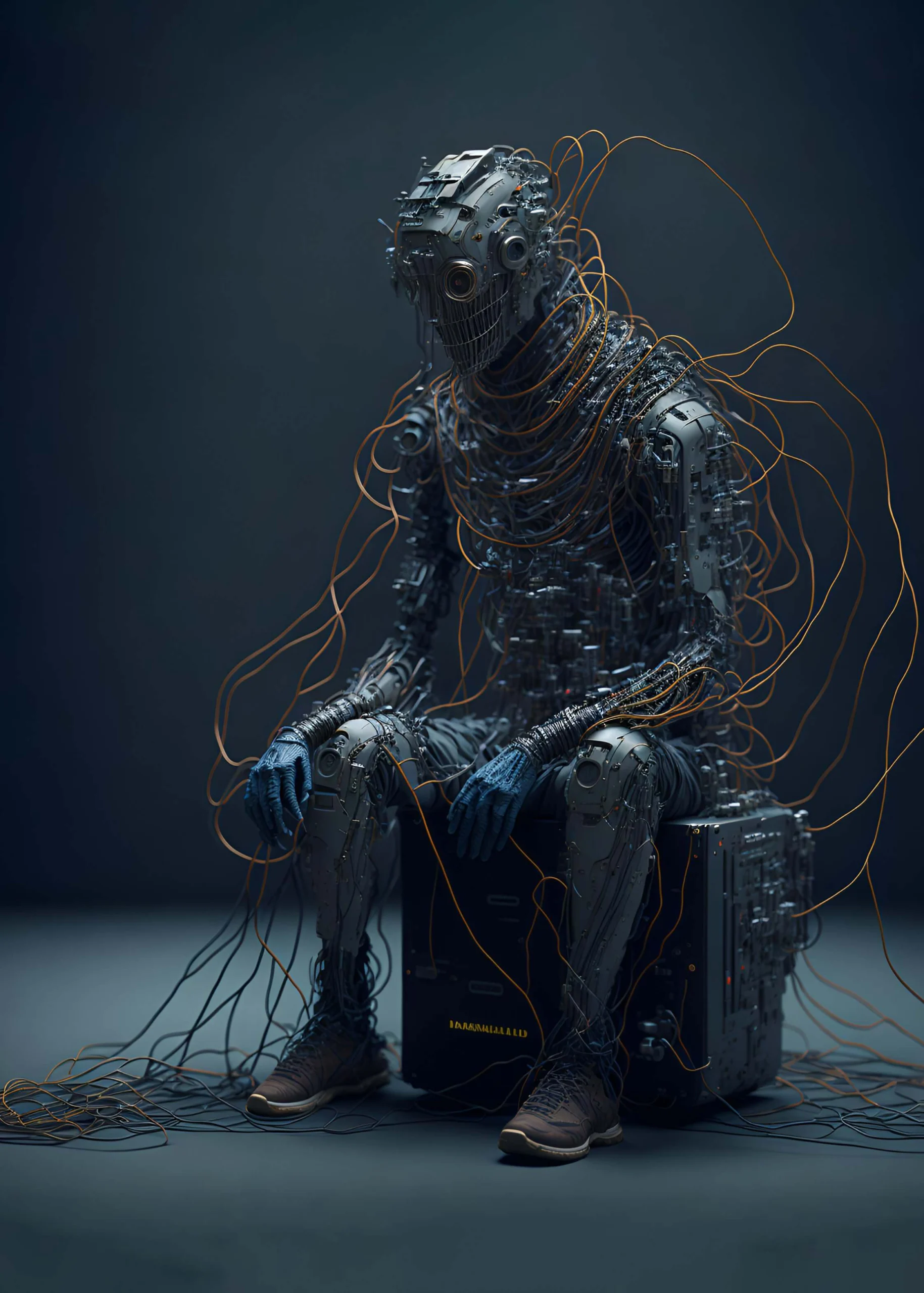
As artificial intelligence and automation permeate the workplace, anthropomorphism takes on a new dimension. Teams now interact with AI assistants that are designed to mimic human traits—chatbots with “personalities,” algorithms that “learn,” and virtual agents that “remember” preferences. The question arises: Can these digital entities deepen collaboration, or will they dilute the human essence of teamwork? Early evidence suggests that well-designed AI can enhance anthropomorphic team dynamics by acting as a neutral “sounding board” or a “wise advisor.” However, over-reliance on AI personification risks eroding the organic, unpredictable beauty of human collaboration. The future lies in symbiosis—teams that leverage AI’s metaphorical potential without surrendering their own narrative agency.

Conclusion: The Living Team
Anthropomorphism in team dynamics is more than a linguistic flourish; it’s a living, breathing force that shapes how teams perceive themselves and their work. When wielded thoughtfully, it transforms collaboration from a mechanical process into an organic journey—one where every challenge is a quest, every goal a destination, and every member a vital character in the story. The magic lies not in the metaphors themselves, but in the shared belief they inspire. A team that sees itself as a “crew sailing uncharted waters” doesn’t just work together; it embarks on an adventure. And in that adventure, the boundaries between individual and collective blur, revealing the true power of teamwork: not just to achieve, but to become.


![Case Study: How [Author] Used Anthropomorphism to Teach Life Lessons](https://anthropomorphism.org/wp-content/uploads/2026/05/10-Life-Lessons-Sports-Can-Teach-Us-All.jpg)