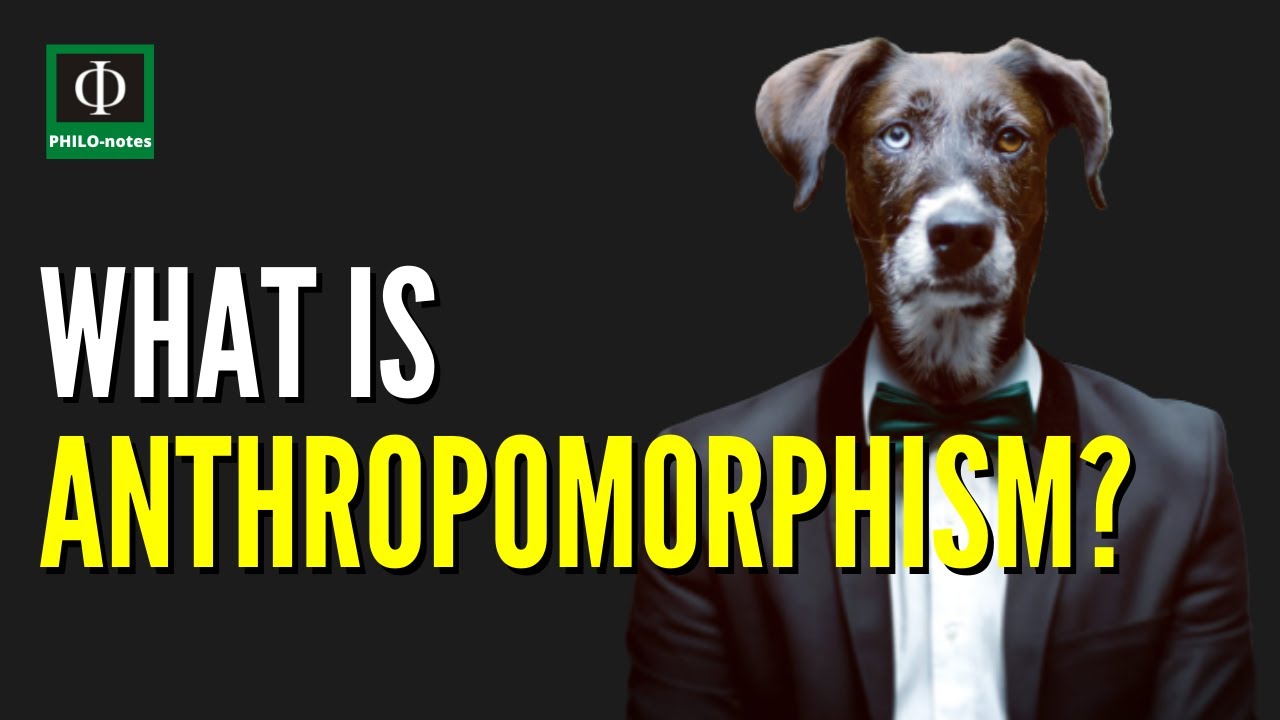
Imagine a seasoned conductor guiding an orchestra through an intricate symphony—each instrument trusted to play its part, yet united under a single vision. Employee onboarding, much like this musical overture, requires orchestration of countless elements to harmonize new hires into a thriving organizational culture. Anthropomorphism, the age-old practice of attributing human traits to non-human entities, emerges as a subtle yet potent instrument in this process. When thoughtfully integrated into onboarding, it transforms sterile orientations into immersive experiences that resonate emotionally, cognitively, and culturally with new employees.
Anthropomorphism as a Bridge: Humanizing Organizational Culture
First impressions are akin to the opening notes in a symphony; they set the tone for the entire composition. Employee onboarding often wrestles with the challenge of distilling complex corporate cultures into accessible and relatable concepts. Anthropomorphism serves as a bridge by imbuing abstract organizational principles with relatable human characteristics. For example, onboarding materials that personify company values—depicting “Integrity” as a steadfast guide or “Innovation” as an adventurous trailblazer—allow new hires to grasp intangible ideals through vivid, memorable metaphors. This narrative technique reduces cognitive overload and builds an emotional affinity with the company’s ethos, making culture comprehensible and compelling.
Crafting Relational Narratives Through Storytelling
Humans are innately wired to connect through stories, which anthropomorphism adeptly leverages to animate onboarding content. Instead of cold bullet points or sterile policy manuals, new employees encounter narratives where systems, tools, or processes are anthropomorphized as wise mentors or quirky companions. Consider a digital onboarding platform that introduces a virtual guide characterized as a friendly “navigator” who empathetically anticipates questions and celebrates milestones. This narrative approach fosters psychological safety, reduces anxiety, and encourages curiosity. The onboarding journey becomes a personalized voyage rather than a checklist, imbuing it with warmth and approachability.
An Emblem of Belonging: Personifying Team Dynamics
The intangible glue that binds teams together often eludes straightforward explanation. Anthropomorphism offers a creative avenue to depict team dynamics as living ecosystems full of personality and interdependence. Introducing new employees to a “family” where departments are metaphorically portrayed as characters—“the vigilant watchdog of quality assurance” or “the visionary artist of marketing”—establishes an imaginative yet practical framework to understand interpersonal roles and expectations. This personification cultivates empathy and camaraderie early on, encouraging new hires to envision where they fit and how their unique traits contribute to the collective’s success.
Enhancing Engagement with Interactive Anthropomorphic Interfaces
Modern onboarding increasingly integrates digital technologies, and here anthropomorphism finds fertile ground to enhance engagement. Animated avatars, chatbots with distinct personas, and gamified learning modules transform the onboarding landscape into an interactive narrative playground. For instance, an AI-driven bot that assumes the role of a knowledgeable “mentor” with a nurturing and patient persona can tailor onboarding experiences dynamically, responding to the emotional needs of the new hire. This human-like interaction mitigates alienation often felt in virtual onboarding, offering a semblance of human connection in an impersonal digital environment.
Anchoring Complex Concepts in Familiar Archetypes
Onboarding often involves navigating labyrinthine policies, compliance mandates, and specialized jargon that can overwhelm fresh recruits. Anthropomorphism functions as an intellectual anchor by couching these elements within familiar archetypes. A cybersecurity protocol might be personified as “The Vigilant Guardian,” tirelessly protecting the castle of company data, while the IT helpdesk could be “The Ever-Helpful Scribe,” ready to translate mysteries into solutions. By translating complexity into story-driven archetypes, employees gain clearer understanding and recall, reducing errors and fostering proactive behavior from day one.
Fostering Emotional Resonance and Commitment
Good onboarding transcends information delivery; it cultivates emotional resonance that seeds long-term commitment. Anthropomorphism uniquely facilitates this by appealing to empathy and imagination. Seeing organizational elements as entities with personalities encourages employees to form personal relationships, even with intangible concepts. For example, perceiving the company’s mission as a “guiding star” or “trusted companion” fosters deeper alignment with organizational goals. This emotional tethering generates intrinsic motivation, enhancing retention and transforming new hires into passionate ambassadors.
Challenges and Nuances of Anthropomorphic Onboarding
Despite its appeal, anthropomorphism must be wielded judiciously within onboarding contexts. Over-anthropomorphizing might obscure critical information or inadvertently trivialize serious content. The balance lies in strategic personification that complements rather than replaces clarity. Cultural sensitivity also plays a crucial role, as metaphorical interpretations can vary widely across diverse workforce demographics. Tailoring anthropomorphic elements to resonate authentically within multicultural teams ensures inclusivity and effectiveness.
The Future of Onboarding: Where Anthropomorphism Meets Innovation
As organizations embrace hybrid and remote work models, the quest for meaningful connection grows more urgent. Anthropomorphic strategies, enhanced by emerging technologies like augmented reality and sophisticated AI, herald a new era of onboarding experiences that are immersive, empathetic, and deeply personalized. Imagine virtual onboarding realms inhabited by friendly mascots who adapt their guidance based on real-time emotional analytics. Such innovations promise to blur the lines between human warmth and digital efficiency, forging onboarding journeys that not only inform but inspire.
In the grand symphony of employee integration, anthropomorphism is no mere embellishment; it is a vital motif that humanizes, engages, and unites. By giving life and character to the ordinarily impersonal facets of onboarding, it transforms new hire experiences into resonant narratives that echo well beyond day one. The subtle magic of anthropomorphism thus orchestrates not just knowledge transfer, but the birth of belonging and purpose within an ever-evolving organizational opus.