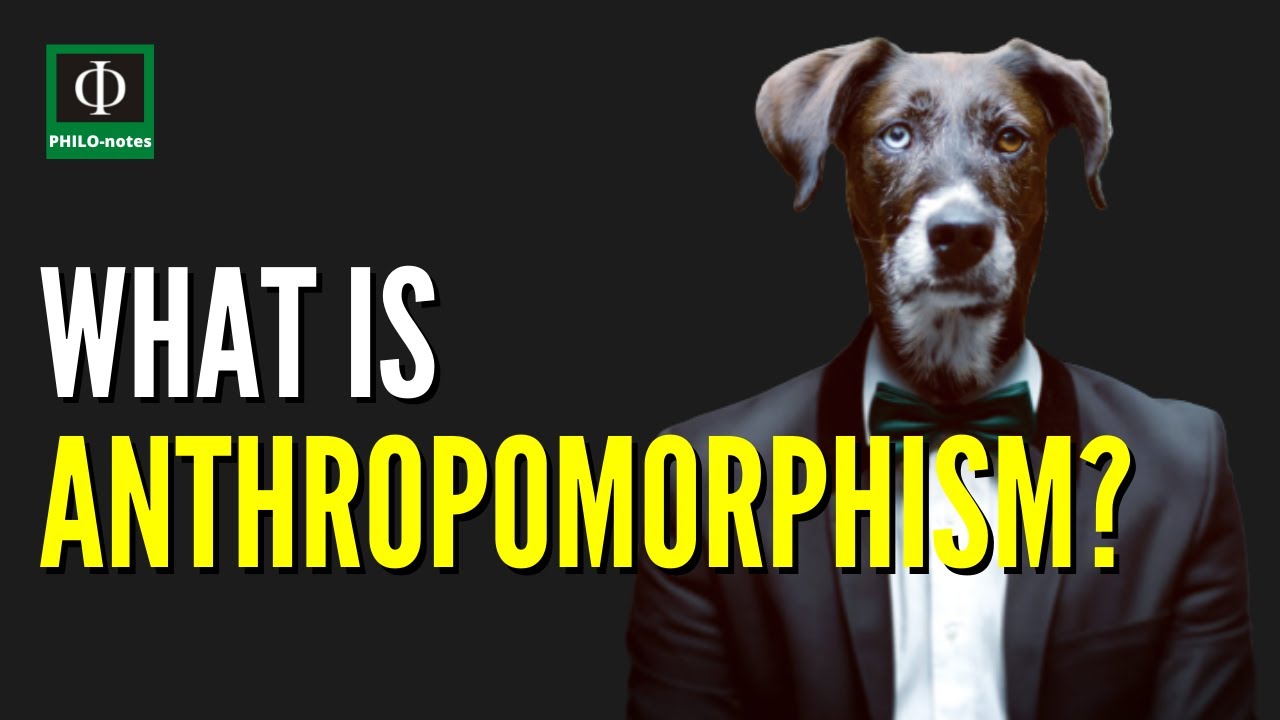
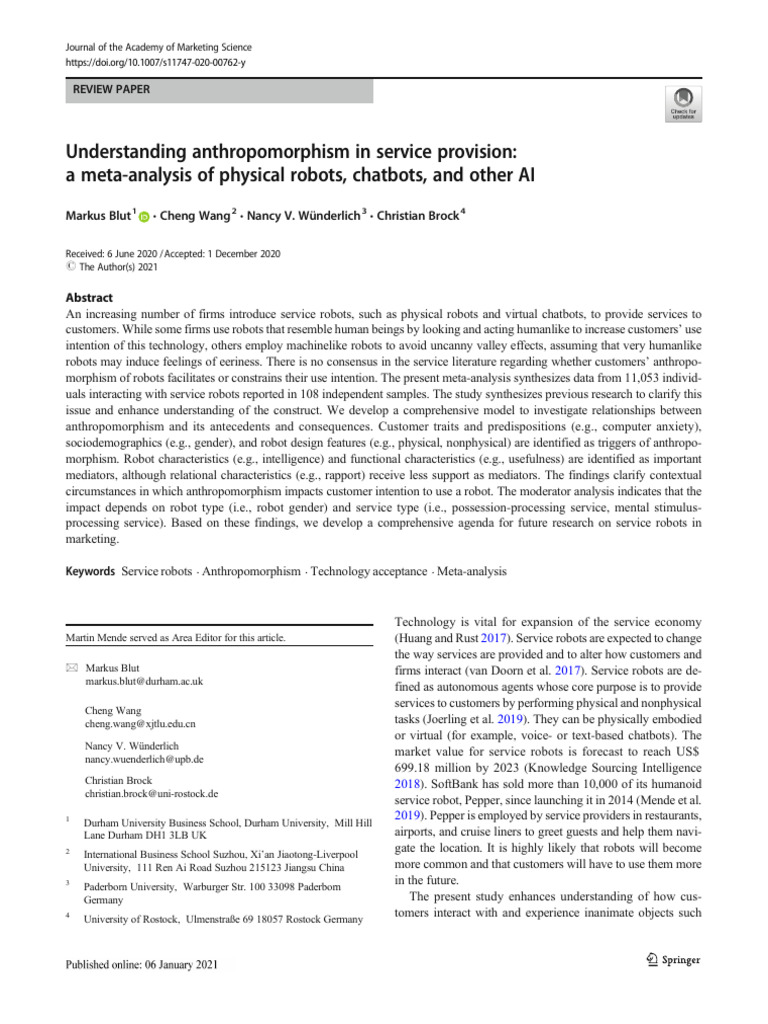
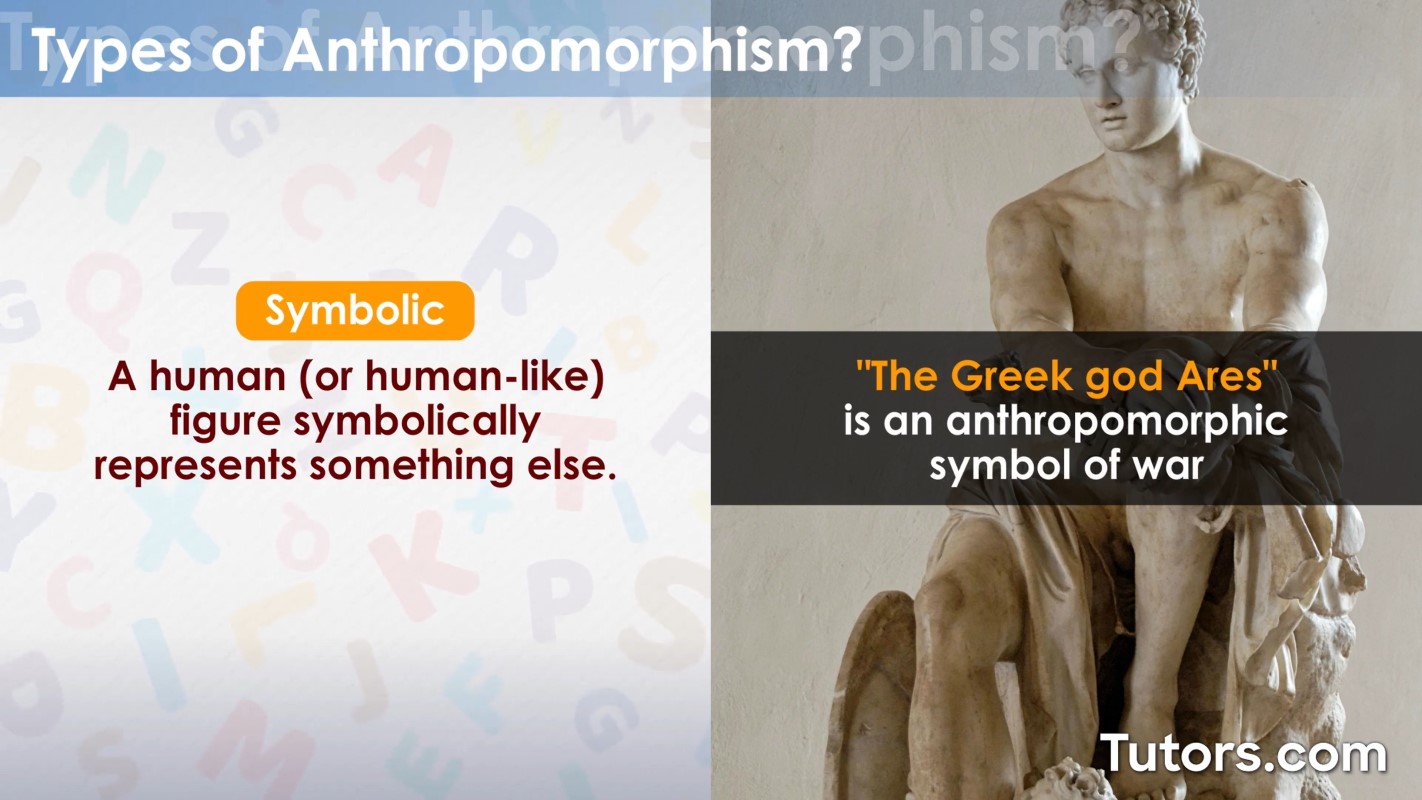
In the ever-evolving landscape of marketing, brands continually seek innovative techniques to resonate with consumers on a deeper level. One strategy that has garnered significant attention is anthropomorphism—the art of attributing human traits, emotions, or intentions to non-human entities. This case study delves into how a brand masterfully employed anthropomorphism to not only captivate its audience but also substantially increase conversions. Beneath the surface lies a fascinating interplay of psychology and storytelling, revealing why humans are intrinsically drawn to brands that mirror human qualities.
The Psychological Underpinnings of Anthropomorphism in Branding
At first glance, assigning human characteristics to a product or brand might appear as a whimsical tactic. However, it taps into a profound psychological predisposition. Humans possess an innate tendency to interpret the world through a social lens, often projecting familiar human emotions and motivations onto abstract or inanimate objects. This cognitive bias, rooted in empathy and our social nature, forms the cornerstone of anthropomorphic branding. By embracing this phenomenon, brands can create emotional connections that transcend typical consumer interactions.
Brands that anthropomorphize effectively transform transactional experiences into relational ones. This subtle shift fosters trust and attachment, pivotal forces in consumer decision-making. The brand ceases to be a faceless entity; instead, it assumes a persona with which consumers can identify, relate, and even converse emotionally.
Crafting a Brand Persona: The Deliberate Embodiment of Human Traits
The case study examines a brand that meticulously sculpted its persona by imbuing the product with distinct human attributes. This was not a superficial adornment but a strategic exercise in character development akin to storytelling. The brand embodied traits such as humor, warmth, and reliability—qualities that resonated with its target demographic’s aspirations and values.
Through visual elements, copywriting, and interactive design, the brand conveyed a coherent personality. Packaging features included expressive facial icons that subtly altered based on customer interaction points, cultivating a dynamic sense of presence. Additionally, the brand’s communication tone—imbued with wit and empathy—reinforced an approachable yet trustworthy character. Together, these elements orchestrated a holistic persona that transcended mere product display.
Engagement Amplification Through Emotional Narratives
One key driver to the brand’s success was its adept use of emotional narratives that hinged on anthropomorphism. Rather than simply listing features or benefits, the brand narrated stories from the perspective of the product itself, breathing life into the inanimate. These narratives portrayed the product as a companion, confidant, or even a quirky friend navigating challenges alongside the consumer.
This strategy harnessed the persuasive power of empathy. Consumers found themselves not just purchasing a product but investing in a story where their needs and emotions were validated and mirrored. The emotional architecture embedded in the brand’s storytelling engendered customer loyalty, transforming fleeting interest into enduring commitment.
Impact on Conversion Metrics and Consumer Behavior
The tangible outcomes of anthropomorphism were evident in the brand’s conversion metrics. Post-implementation, the brand observed a marked increase in engagement rates, including longer website dwell times and higher interaction with personalized content. These interactions indicated that consumers were not merely browsing but emotionally invested in the brand experience.
Moreover, conversion rates surged. The brand’s empathetic persona reduced cognitive dissonance, a psychological barrier often experienced during purchase decisions. Consumers reported feeling reassured and understood, catalyzing quicker decision-making processes and increased purchase frequency. Additionally, repeat purchases rose as the anthropomorphic brand identity fostered a sense of companionship, encouraging consumers to return.
The Subtle Nuances of Visual Anthropomorphism
While narratives played a pivotal role, the visual articulation of anthropomorphism added layers of subtlety and sophistication. The brand leveraged nuanced design elements—such as expressive eyes, approachable gestures, and personable colors—that evoked warmth without veering into caricature. These visual cues stimulated mirror neurons in consumers’ brains, triggering empathetic responses even before conscious awareness.
Crucially, the brand avoided overly simplistic or cartoonish visuals that might undermine credibility. Instead, the design balanced realism with stylization, cultivating a sophisticated anthropomorphic identity that felt both authentic and engaging. This finesse ensured the brand resonated across diverse consumer segments without alienating more pragmatic buyers.
Addressing Potential Pitfalls and Maintaining Authenticity
Anthropomorphism, if mishandled, can veer into uncanny territory or appear disingenuous, risking consumer skepticism. The brand in question adopted a measured approach to preserve authenticity. Transparency was maintained in all communications, ensuring that while the brand possessed human-like qualities, it never misrepresented the product’s capabilities.
Moreover, the brand continuously monitored consumer feedback to fine-tune the anthropomorphic elements. This iterative process safeguarded against overextension, ensuring the human-like persona remained relatable and credible. By striking this balance, the brand fostered long-term trust, rather than ephemeral intrigue.
Broader Implications: Why Consumers Are Captivated by Humanized Brands
Beyond immediate marketing gains, the brand’s success invites reflection on a deeper human fascination with anthropomorphism. Rooted in evolutionary psychology, this tendency underscores our desire for connection and understanding in an increasingly mechanized world. Humanized brands offer a refuge of familiarity and comfort, subtly filling the void created by impersonal digital interactions.
This curiosity and affinity for human traits in non-human entities extend into culture, storytelling, and technology, signaling a universal pattern in how we assign meaning and forge relationships. Brands that tap into this primal affinity do more than market products; they participate in a timeless narrative of empathy and social bonding.
Conclusion: The Enduring Power of Anthropomorphism in Driving Brand Success
In summary, anthropomorphism is far more than a creative gimmick; it is a sophisticated strategy rooted in human psychology and emotional engagement. The case study illustrates that when a brand thoughtfully cultivates a human-like persona—through deliberate character development, emotional storytelling, subtle visual cues, and authentic communication—it can profoundly transform consumer perceptions and behaviors.
Such brands navigate the delicate terrain between personification and authenticity, harnessing the profound human inclination for social connection to increase conversions and foster loyalty. As markets become increasingly saturated and competitive, anthropomorphism offers a compelling pathway to differentiate and deepen the consumer-brand relationship, ensuring relevance and resonance in a complex world.