Anthropomorphism, the attribution of human traits, emotions, and intentions to non-human entities, is a timeless phenomenon deeply embedded within human culture and cognition. From ancient mythologies to modern storytelling, this tendency reflects more than mere imaginative flourish; it reveals intrinsic aspects of how humans understand and relate to the world around them. This case study unfolds how anthropomorphism has profoundly molded a famous myth, illuminating why humans are irresistibly drawn to projecting humanity onto the non-human and how this shapes narrative traditions that continue to resonate across generations.
The Ubiquity of Anthropomorphism in Myth-Making
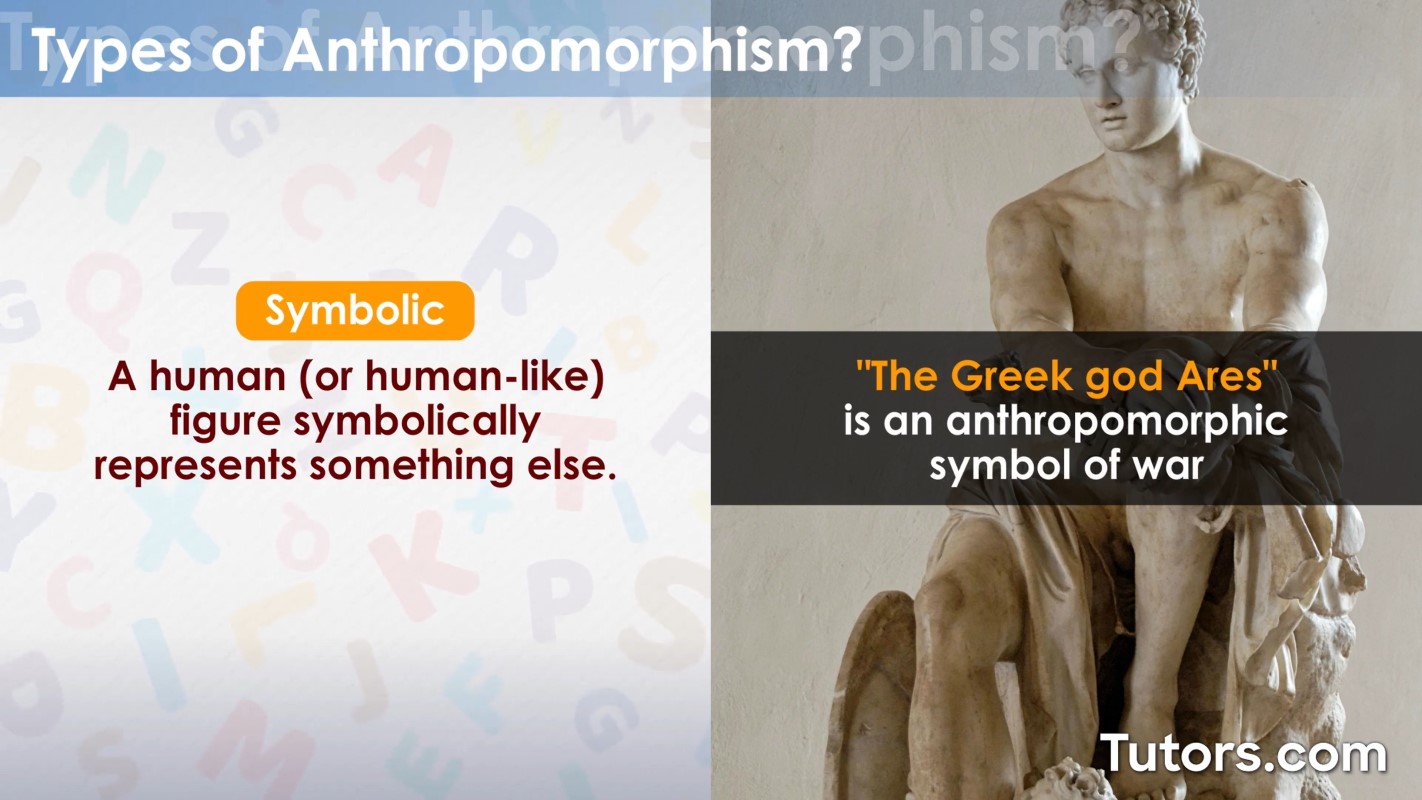
Anthropomorphism is not simply a stylistic choice in storytelling; it is a universal human impulse. Across civilizations, mythologies abound with gods, creatures, and natural phenomena endowed with human qualities. This ubiquity speaks to a fundamental cognitive strategy: making the unfamiliar comprehensible through familiar frameworks. When mythmakers imbue animals, celestial bodies, or elemental forces with human characteristics, they catalyze emotional engagement and moral contemplation, transforming abstract or remote concepts into relatable narratives.
This pervasive use of anthropomorphism in myths often helps communities convey social values, explain natural occurrences, and codify existential beliefs. In doing so, it bridges the gap between the tangible and the ineffable. The endowment of human form and reason to non-humans serves as a mnemonic device, enabling oral traditions to endure and evolve, thus embedding these stories deeply within cultural memory.
Examining the Myth: Personification as a Narrative Keystroke
Consider the myth of the great trickster figure—an archetype that appears in diverse cultures, such as Coyote in Native American lore or Anansi the Spider in West African tales. These figures are rarely mere animals; they are heaving with personality, intelligence, caprice, and human-like flaws. Anthropomorphism here acts as a narrative keystone, making these cosmic jesters accessible paragons of human fallibility and ingenuity.
Personification enables mythmakers to explore complex ethical dilemmas and social contradictions in a disarming guise. The trickster’s human attributes facilitate reflective questioning without direct confrontation, offering an imaginative playground where taboo behaviors and unconventional wisdom can be contemplated vicariously. This dynamic elevates the myth beyond a simple story—it becomes a cultural discourse imbued with enduring relevance.
The Psychological Underpinnings: Why We Humanize the Other
Delving deeper, the fascination with anthropomorphism ties closely to human psychology. Cognitive scientists suggest that attributing human traits to animals or objects arises from our inherent search for agency and intention in the world. This ‘intentional stance’ allows for prediction and comprehension but also comforts the mind confronting randomness and uncertainty.
Moreover, anthropomorphism fosters empathy. When animals or natural forces display human-like emotions, humans perceive them as social beings capable of experience and feeling. This blurring of categorical boundaries between self and other nurtures a sense of connection and ethical responsibility, which is especially pronounced in mythic narratives that stress the interrelationship between humans and nature.
The Myth’s Evolution: Anthropomorphism as a Cultural Catalyst
As myths pass through time and milieu, anthropomorphism functions as a catalyst for transformation and reinterpretation. Human-like figures are easily adapted to reflect changing societal values, power structures, and existential anxieties. The mutable quality of anthropomorphic characters enables myths to remain living, breathing entities, responsive to context rather than fossilized artifacts.
This evolutionary nature of anthropomorphism ensures that myths do not merely recount past beliefs but actively participate in cultural dialogue. By endowing animals or forces with human traits, storytellers wield a versatile tool for addressing contemporary issues. The myth becomes an ever-relevant medium for negotiating identity, morality, and the human condition within shifting historical landscapes.
Implications for Contemporary Understanding and Storytelling
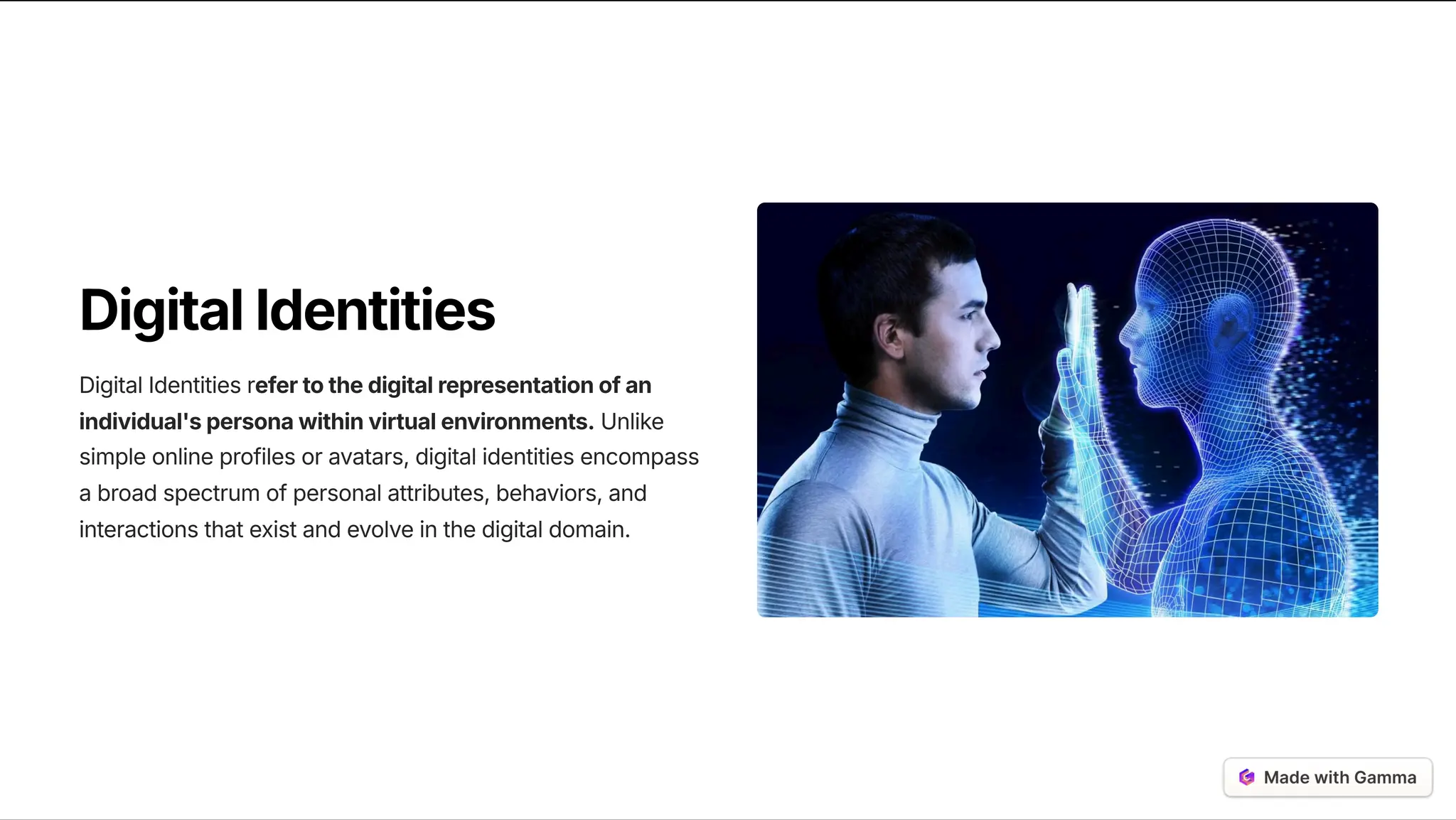
In modern contexts, anthropomorphism continues to captivate audiences in literature, film, and digital media, underscoring its persistent psychological and cultural resonance. The enduring appeal of anthropomorphized characters—from animated animals to AI avatars—attests to a deep-rooted cognitive preference for personification as a means of narrative engagement and meaning-making.
The legacy of anthropomorphism in myth also informs ethical debates about our relationship with animals and the environment. By humanizing elements of the natural world, myths cultivate a worldview that acknowledges kinship and shared fate, promoting stewardship rather than dominion. This ancient narrative mechanism thus sustains fresh relevance in contemporary discourse around ecological consciousness and interspecies empathy.
Concluding Reflections: The Enduring Power of Anthropomorphism
Anthropomorphism transcends artistic embellishment; it epitomizes a profound human tendency to seek connection through projection and imagination. The case study of a renowned myth shaped by this impulse reveals layers of psychological complexity and cultural utility, illustrating how humanizing the non-human enables stories to convey meaning, foster empathy, and endure across epochs.
In essence, the human thirst for understanding animates the mythic tradition of anthropomorphism. It is a testament to the creative and cognitive faculties that allow humanity not only to narrate its world but also to inhabit it with characters that straddle the boundary between the human and the other. This narrative alchemy continues to shape the myths we tell and the ways we understand ourselves within the cosmos.