Anthropomorphism—the attribution of human traits, emotions, or intentions to non-human entities—has perpetually fascinated thinkers across disciplines. This phenomenon transcends mere storytelling; it permeates art, culture, technology, and even the underpinnings of philosophical discourse. Over time, anthropomorphism has not only shaped perceptions but also catalyzed entire philosophical movements that challenge our understanding of identity, agency, and consciousness. This case study explores how anthropomorphism influenced the genesis and evolution of a profound philosophical movement, revealing the intricate interplay between human cognition and the urge to animate the inanimate with meaning.
The Philosophical Origins of Anthropomorphic Thought
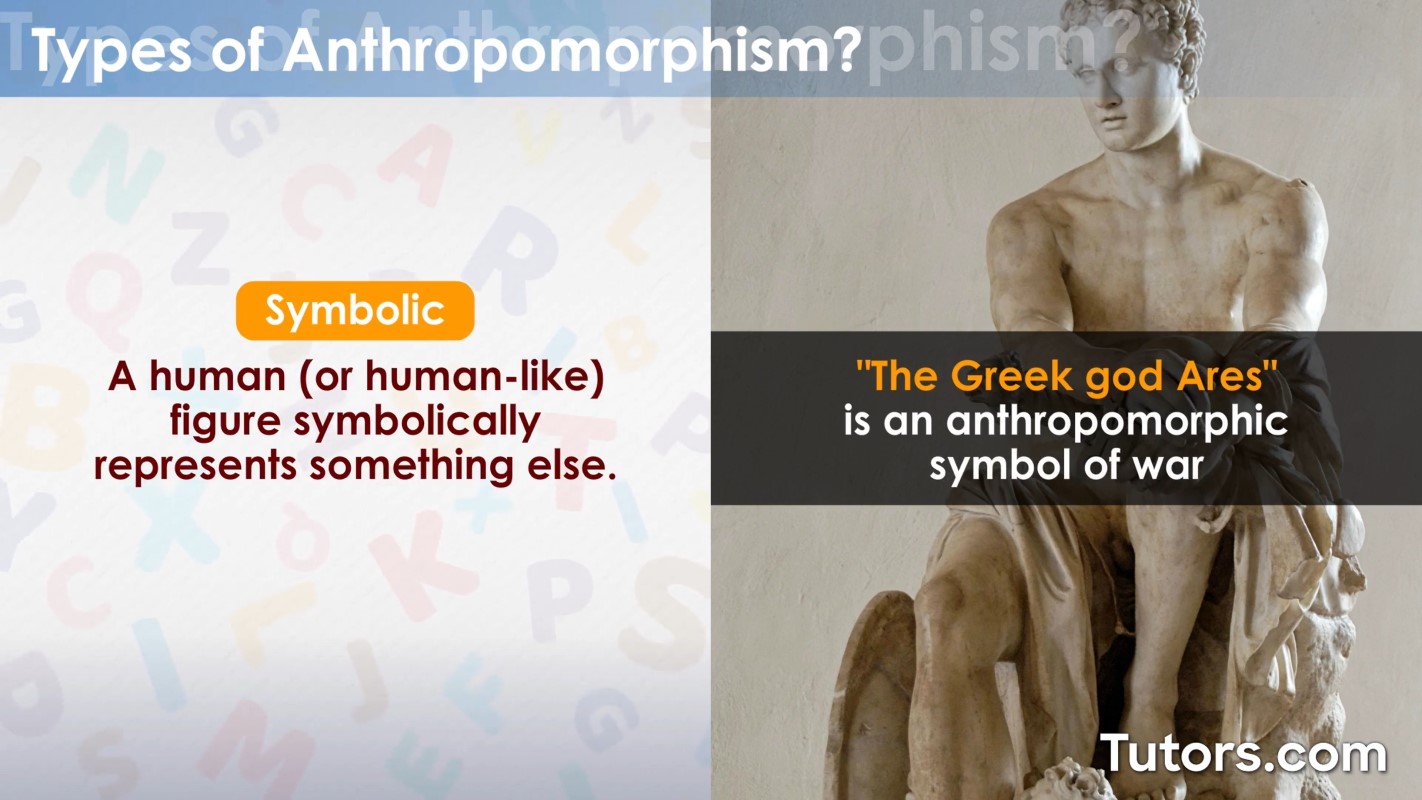
The impulse to ascribe human qualities beyond ourselves dates back to antiquity, where mythologies personified natural phenomena as gods and spirits to explain the inexplicable. Philosophers like animists and vitalists posited that life or spirit permeates all things, a perspective steeped in anthropomorphic sensibilities. This foundation seeded later reflections on existence and being. In this section, readers will encounter an exploration of the cyclical interplay between early religious paradigms and philosophical inquiry, illuminating how anthropomorphism became a vehicle for negotiating ontological questions. Through detailed examination, this part unveils how humans project inner consciousness onto external realities, bridging the subjective with the objective in their quest for meaning.
Anthropomorphism as a Lens for Ethical Extension
One of the pivotal roles anthropomorphism has played is in expanding ethical considerations beyond human boundaries. By attributing human-like emotions such as suffering or joy to animals, ecosystems, and even machines, thinkers advocated for enlarged moral universes. This section delves into the emergence of ethical frameworks grounded in the recognition of sentience through anthropomorphic projection. Readers will find intricate discussions about the gradual shift from anthropocentrism towards biocentrism and ecocentrism, supported by examples of philosophical treatises that argue for empathy-based ethics. These narratives underscore how anthropomorphism served as a philosophical catalyst for reimagining interspecies relationships and environmental responsibility.
The Rise of Technological Anthropomorphism and Its Philosophical Reverberations
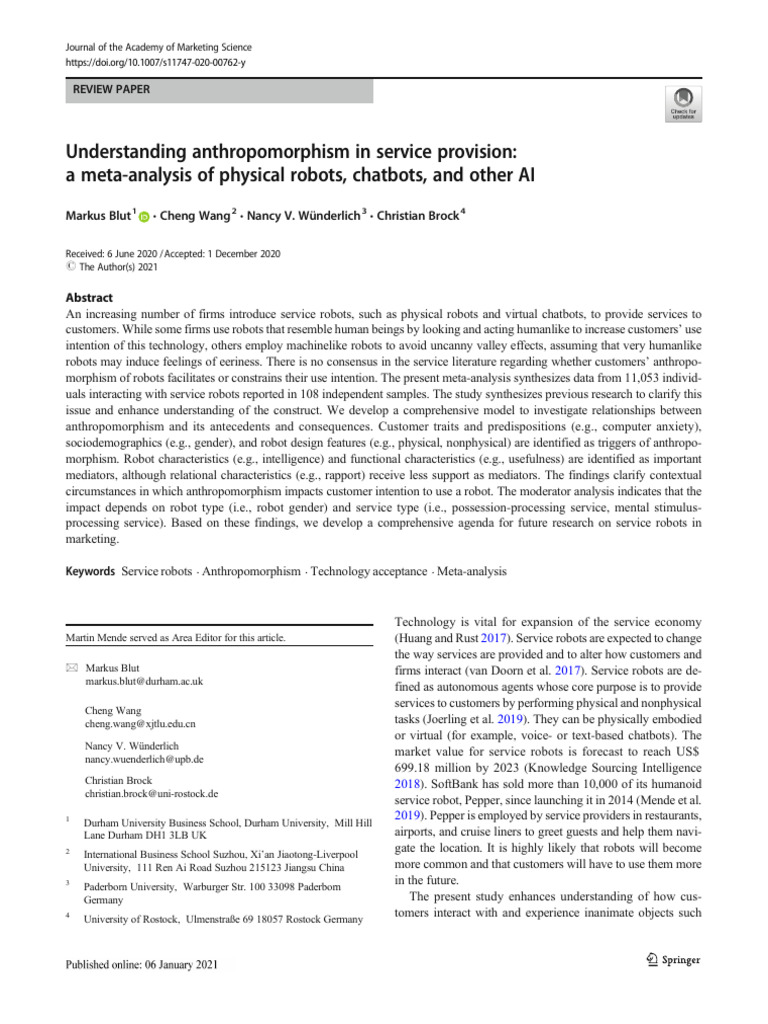
With the advent of artificial intelligence and robotics, anthropomorphism took on novel dimensions. Philosophers grappled with the implications of attributing consciousness or intentionality to sophisticated machines. This part places readers at the crossroads of cybernetics and philosophy, examining how the personification of technology challenges traditional definitions of mind, agency, and selfhood. Included are discussions on the uncanny valley effect, the ethics of human-robot interaction, and the conceptual tensions in assimilating AI entities into moral communities. The sophisticated interplay between human identity and technological anthropomorphism embodies a profound philosophical interrogation of what it means to be “human” in the modern era.
Narrative Methodology: Anthropomorphism in Philosophical Storytelling
The narrative tradition within philosophy has long exploited anthropomorphism to render abstract concepts more palpable and relatable. This section explores how allegories, fables, and parables employ anthropomorphic characters to illustrate complex ideas—often invoking cognitive empathy to bridge intellectual and emotional understanding. Readers will gain insight into the narrative strategies that utilize human-like figures to embody philosophical dilemmas and ethical quandaries. Through close analysis of landmark philosophical texts and creative works, this exploration reveals the didactic potency of anthropomorphism as a methodological tool that has shaped the evolution of philosophical discourse.
Impact on Contemporary Philosophical Movements
Anthropomorphism’s influence extends decisively into modern philosophical movements such as phenomenology, existentialism, and posthumanism. Each stance incorporates and reconfigures anthropomorphic ideas in distinct ways. This section contextualizes the phenomenon within contemporary thought, illustrating how it informs debates on consciousness, selfhood, and the dissolution of boundaries between human and non-human. Readers are guided through nuanced investigations of thinkers who reconceptualize agency and subjectivity in light of anthropomorphic insights. The result is a panorama of evolving philosophies that challenge anthropocentric paradigms and envision hybrid ontologies.
Challenges and Critiques of Anthropomorphism in Philosophy
Despite its pervasive utility, anthropomorphism is not without controversy. Critics argue it risks anthropocentric bias, projecting fallacious qualities onto entities that function by fundamentally different principles. This section addresses philosophical critiques regarding the limitations and potential distortions introduced by anthropomorphic frameworks. Detailed analysis is provided on epistemological pitfalls and methodological constraints, coupled with discussions on how careful discernment is necessary to prevent reductionism or erroneous analogies. Readers will engage with counterpoints that caution against overextension of anthropomorphic assumptions while acknowledging their heuristic value.
Interdisciplinary Reflections and Future Directions
Anthropomorphism resides at the nexus of philosophy, psychology, literature, and cognitive science, fostering vibrant interdisciplinary dialogues. This concluding section invites readers to contemplate emerging areas where anthropomorphic thought could drive new philosophical frontiers. Topics include the ethics of synthetic life forms, the phenomenology of virtual realities, and the metaphysics of distributed agency within networks. By synthesizing insights from multiple domains, this analysis envisions a future where anthropomorphism continues to unravel the mysteries of existence, not as a simplistic projection but as a profound epistemic and existential tool. The journey through this interdisciplinary landscape underscores the enduring potency of anthropomorphic thinking in shaping our philosophical horizons.