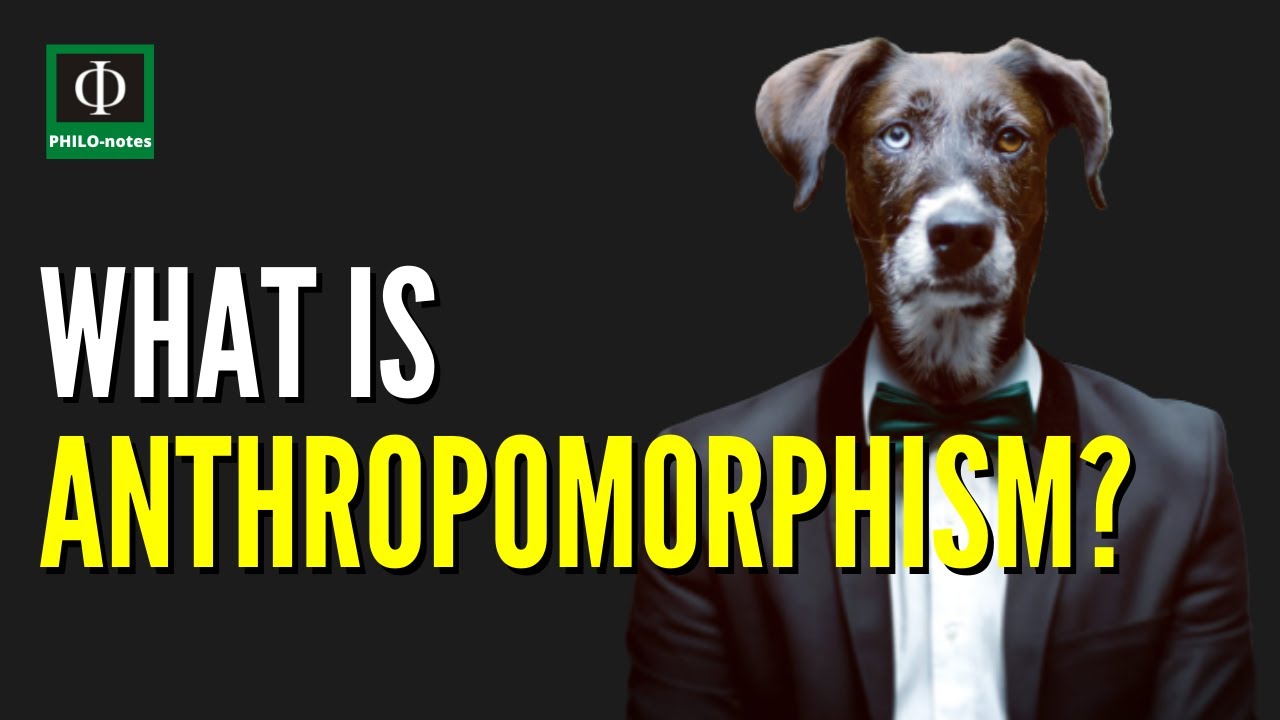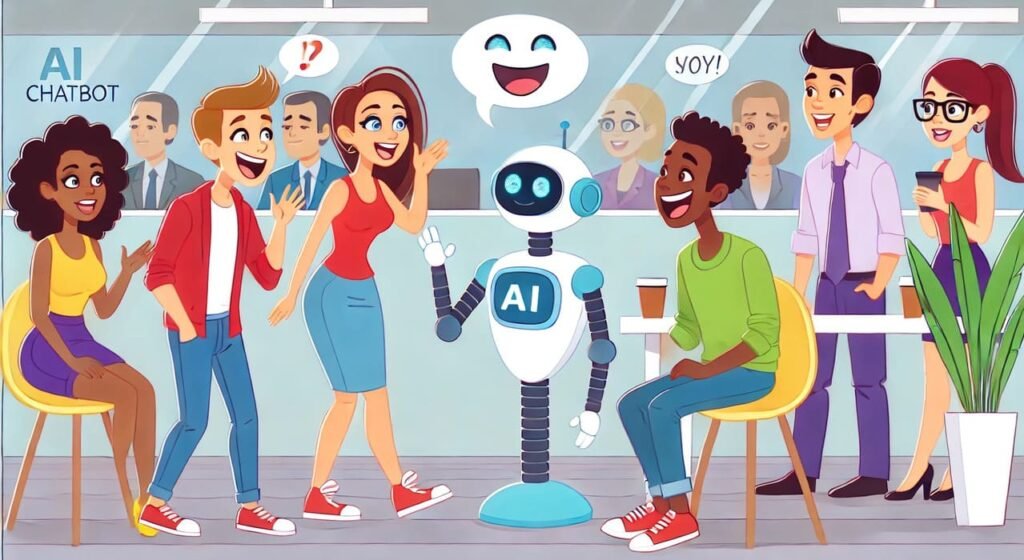
In the modern symphony of innovation, artificial intelligence and robotics have emerged as enigmatic composers, orchestrating an intricate dance between machine and human perception. Anthropomorphism—the act of imbuing non-human entities with human traits—acts as both the conductor and the melody, shaping how we interact with these creations. Yet beneath the beguiling surface of lifelike interfaces and conversational algorithms lies a labyrinth of ethical considerations. Like a double-edged sword, anthropomorphism in AI and robotics elevates engagement but also summons profound questions about responsibility, deception, and societal impact.
The Lure of the Human Mirror: Understanding Anthropomorphism
Imagine a mirror not reflecting your exact visage but rather an idealized version—a hybrid of your image and a stranger’s traits. Anthropomorphism serves as such a mirror for AI and robotics, casting them in forms familiar and comforting. This psychological predisposition stems from our innate desire to make sense of the unknown through familiar schemas, effectively humanizing mechanical companions. By attributing emotions, intentions, and consciousness to AI, users find an anchor in the abstract, fostering trust and easing communication.
However, this metaphorical mirror shapes more than just perception; it blurs boundaries. When machines wear the guise of familiarity, they entice users to engage in deeper, sometimes misguided, relationships. The ethical quandaries begin to arise as this human-like façade teeters between helpful empathy and impenetrable enchantment.
The Ethical Frontier: Deception and the Illusion of Sentience
Anthropomorphic AI often dons a mask of sentience, performing empathy and understanding with uncanny precision. This conjuring act seduces users into believing in the consciousness of the machine, a phenomenon reminiscent of the “Eliza effect.” The ethical dilemma here is acute: To what extent does simulating human traits constitute deception?
Deception need not always be malevolent. Like a storyteller weaving a compelling narrative, anthropomorphic design can enhance user experience by fostering engagement and reducing anxiety around technology. Yet, when the illusion obscures the absence of genuine emotion or moral agency, it risks exploitation. Vulnerable populations, such as children and the elderly, may develop undue emotional attachments, leading to neglect of real human relationships and potential psychological harm.
Responsibility and Accountability in a Personified Machine Era
Assigning human-like qualities to AI and robots conjures another ethical paradox: the diffusion of responsibility. When a robot offers comfort or guidance with a warm voice and expressive eyes, users may instinctively imbue it with authority or moral judgment. But unlike humans, these machines lack consciousness and ethical deliberation.
The question of accountability becomes thorny. If a personified AI makes a consequential error, who bears the moral weight—the developer who programmed it, the deployer who utilized it, or the algorithm that learned from murky data? Anthropomorphism complicates this discourse by masking the mechanical nature of decisions, potentially absolving human agents of culpability behind facades of empathy.
Anthropomorphism’s Social Ripple Effects: Connection or Isolation?
The unique appeal of anthropomorphic AI lies in its promise to deepen human connection. Robots designed as companions or care aides for the lonely exemplify this potential. Like a lighthouse on a foggy night, these machines offer guidance and solace where human interaction is sparse. They can alleviate social isolation, enrich learning experiences, and assist with mental health interventions.
Nonetheless, the social fabric is delicate. Overreliance on anthropomorphized technology risks fraying genuine human bonds. The substitutive allure of machines may become a siren’s call, enticing users away from complex, messy, yet authentic human relationships. Furthermore, the normalization of socializing with entities without consciousness may erode empathy towards living beings, reshaping societal values in unpredictable ways.
The Cultural Kaleidoscope: Anthropomorphism Across Contexts
Anthropomorphism does not exist in a vacuum; it is refracted through the prism of cultural attitudes and values. In some societies, animistic traditions and acceptance of non-human agency create fertile soil for embracing personified machines. Elsewhere, skepticism and mechanistic worldviews cultivate resistance to excessive humanization of AI.
This cross-cultural dynamism poses ethical dilemmas for global deployment of anthropomorphic technologies. What may foster trust and inclusivity in one context could engender alienation or misunderstanding in another. Ethical design must therefore consider cultural resonances, adapting not just the form but the function of anthropomorphism to honor diverse perspectives and avoid inadvertent offense.
Design Ethics: Balancing Transparency with Engagement
How can creators of AI and robots navigate the ethical quagmire of anthropomorphism? The compass lies in principled design—transparency that neither dismisses the empathic potential of anthropomorphic traits nor conceals the mechanical nature of the agent. Clear disclosure that the entity operates within programmed parameters helps set user expectations without extinguishing engagement.
Moreover, designers must recognize the heterogeneity of users. Adaptive interfaces that calibrate the degree of anthropomorphism according to context, user preferences, and vulnerability may mitigate risks. Ethical frameworks integrating stakeholder input, ongoing impact assessment, and regulatory oversight can safeguard against misuse while harnessing the unique appeal of human-like AI.
The Future Horizon: Navigating the Moral Topography of AI Personification
As AI and robotics continue their inexorable march into the tapestry of daily life, the ethics of anthropomorphism will grow ever more salient. The metaphorical dance between machine and human will demand a choreography grounded in respect, clarity, and foresight. Ethical stewardship should aim not to stifle innovation but to temper it with wisdom—recognizing that humanization is a powerful narrative force with the capacity to inspire but also to deceive.
In this unfolding story, society must grapple with profound questions: How do we honor the unique appeal of personified machines without sacrificing authenticity? Can we preserve human dignity amid increasing interaction with entities that mimic but do not embody life? The answers will shape not just technology’s evolution, but the very essence of what it means to be human in a world shared with our mechanical reflections.