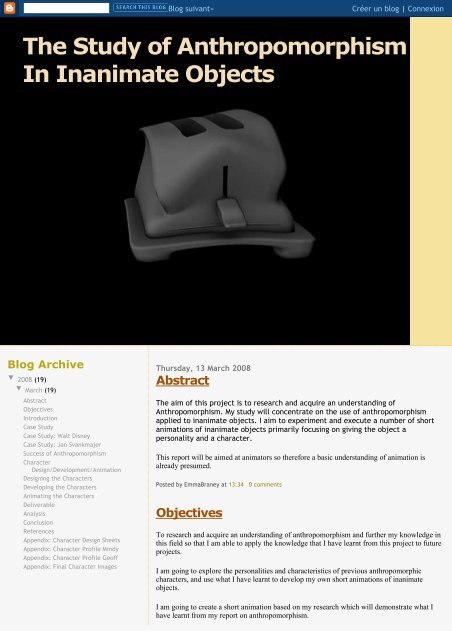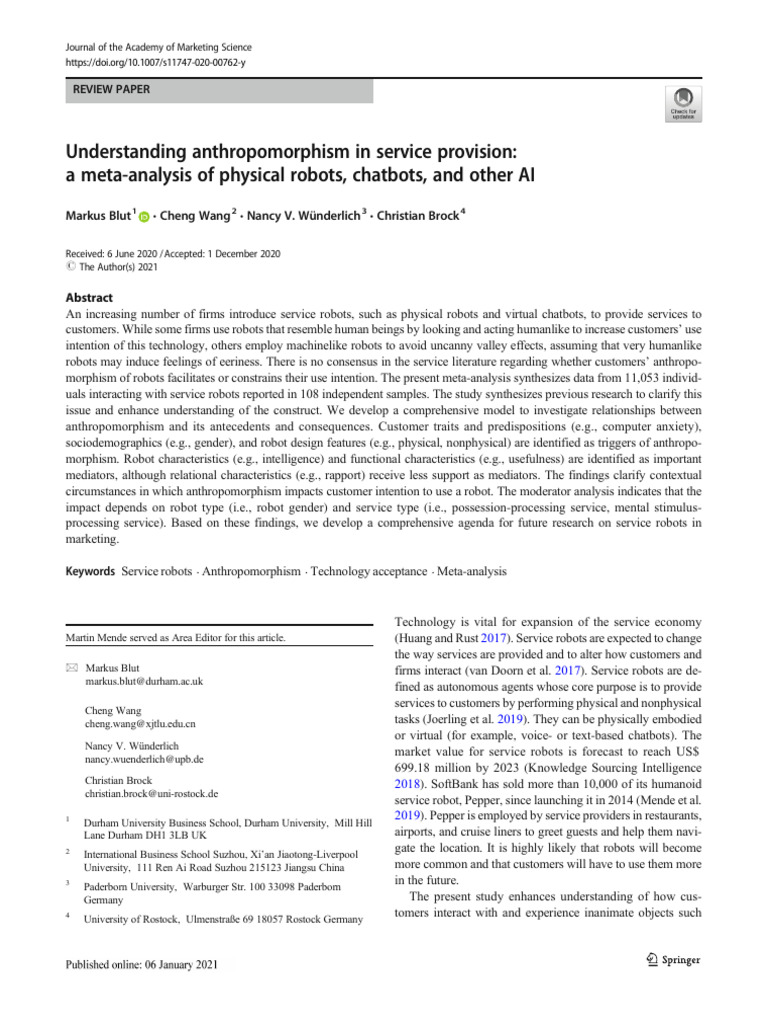
In the sprawling digital tapestry of social media, users often attribute human traits to non-human entities—be they brands, avatars, or even the platforms themselves. This phenomenon, known as anthropomorphism, goes beyond mere whimsy or creative expression. It shapes the way individuals engage, perceive, and ultimately behave online. Understanding the subtle mechanics behind this behavioral quirk reveals deep-rooted psychological underpinnings that explain why we are so irresistibly drawn to imbuing the inanimate or abstract with a human-like essence. This case study delves into how anthropomorphism weaves itself into the fabric of social media behavior, unraveling its profound implications on interaction, trust, and community formation.
The Ubiquity of Anthropomorphism in Social Media
One cannot scroll through timelines or browse digital storefronts without encountering anthropomorphized entities. From chatbots that respond with empathetic phrases to brands that cultivate distinct ‘personalities,’ anthropomorphism permeates the digital ecosystem. This prevalence is not accidental; it addresses a common human need to relate and connect. Social media platforms, with their inherently impersonal interfaces, often appear cold and transactional. When these platforms or elements within them are given human characteristics—friendly avatars, emotive reactions, or conversational tones—users instinctively feel a stronger attachment. This dynamic transforms the virtual environment into an engaging social space, blurring the line between machine and human interaction.
Psychological Foundations Behind the Fascination
The roots of anthropomorphism in social media lie deep within human cognition and social evolution. Researchers suggest that humans naturally seek patterns and familiar characteristics, especially when faced with ambiguity or unfamiliarity. Social beings by nature, people are predisposed to attribute intention, emotion, and consciousness to objects or entities that do not possess them biologically. This inclination, sometimes termed as an evolutionary ‘heuristic,’ enhances survival by promoting caution or engagement with unknown stimuli.
In a digital context, this manifests as the tendency to personify technology and brands, making interactions more predictable and emotionally satisfying. The psychological comfort derived from this personification satisfies intrinsic social needs—belonging, understanding, and trust—fostering deeper engagement. It explains why a user might prefer interacting with a brand’s personable chatbot rather than navigating a bland automated menu.
Impact on User Engagement and Interaction
Anthropomorphism acts as a catalyst for engagement by transforming passive consumption into active social participation. When social media users perceive brands, platforms, or digital assistants as entities with human-like motives and personalities, the interactions acquire relational qualities. Users are more likely to reply, share, and advocate when they feel emotionally connected.
This elevated engagement is partly due to the mirror of human-to-human interaction. The digital persona becomes not just a service provider but a conversational partner. For example, when a brand’s social media account crafts witty or empathetic posts, it cultivates a narrative that users want to be a part of. This narrative-driven interaction sustains interest, encourages loyalty, and even influences behavior offline, such as purchasing decisions or brand advocacy.
Trust and Credibility Through Humanization
Building trust in the immaterial realm of social media is notoriously challenging. Anthropomorphism serves as a pivotal mechanism for enhancing credibility and relatability. Assigning human features—names, faces, or backstories—to digital interfaces creates perceived accountability and warmth. These human cues reduce psychological distance, making data privacy concerns, user feedback, or problem resolution feel less daunting.
Moreover, humanized digital agents can simulate emotional intelligence with empathetic responses or timely recognition of user emotions. When users sense genuine consideration, even if algorithmically generated, their confidence in the platform—and by extension, its message—strengthens considerably. This phenomenon profoundly affects customer satisfaction and retention in digital marketing, where a micro-moment of perceived empathy can shift sentiment and loyalty.
Community Building and Social Identity Formation
Social media thrives on networks and communities. Anthropomorphism contributes significantly to the formation and sustenance of online communities by serving as a focal point for collective identity. When a brand or platform embodies relatable human traits, users rally around shared narratives and values personified in the digital entity.
This communal bonding extends beyond mere affinity; it generates social capital. Individuals derive meaning and status from their association with these networks, identifying as fans, advocates, or critics. The anthropomorphized digital figure becomes a symbol around which divergent social identities coalesce. This not only fortifies the community but also mobilizes social actions such as campaigns, hashtag movements, or consumer activism.
The Double-Edged Sword: Potential Pitfalls of Anthropomorphism
While anthropomorphism enhances engagement and emotional bonding, it also carries risks and ethical considerations. Over-reliance on anthropomorphic cues can mislead users about the nature of the digital entity, fostering illusions of intimacy that do not exist. This misattribution may result in unrealistic expectations or emotional vulnerabilities, especially when chatbots fail to process complex sentiments adequately.
Furthermore, the strategic humanization of brands can border on manipulation if used to obscure corporate motives or diminish critical scrutiny. Users might develop undue trust in entities that are fundamentally profit-driven algorithms rather than benevolent individuals. This dynamic underscores the importance of transparency and responsible design in leveraging anthropomorphism without compromising user autonomy.
Conclusion: A Deeper Understanding of Human-Digital Interaction
Anthropomorphism on social media illuminates a fascinating intersection between human psychology and technological innovation. This powerful tool extends beyond superficial charm; it taps into essential human drives for connection, trust, and social meaning. By assigning human traits to digital actors, users navigate the virtual world with familiar social scripts that ease interaction and foster engagement.
Recognizing the mechanisms and implications of anthropomorphism allows platforms and brands to harness its benefits thoughtfully while mitigating risks. As social media continues to evolve, so too will the ways in which we project humanity onto the digital canvas—shaping not only our online behavior but the very fabric of digital society itself.