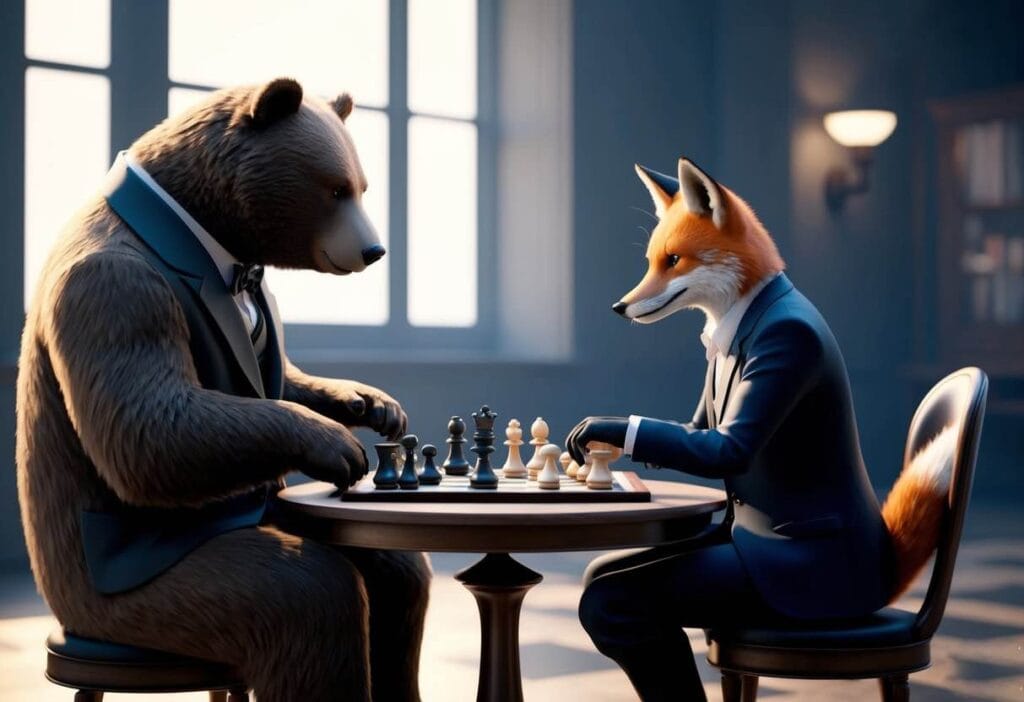
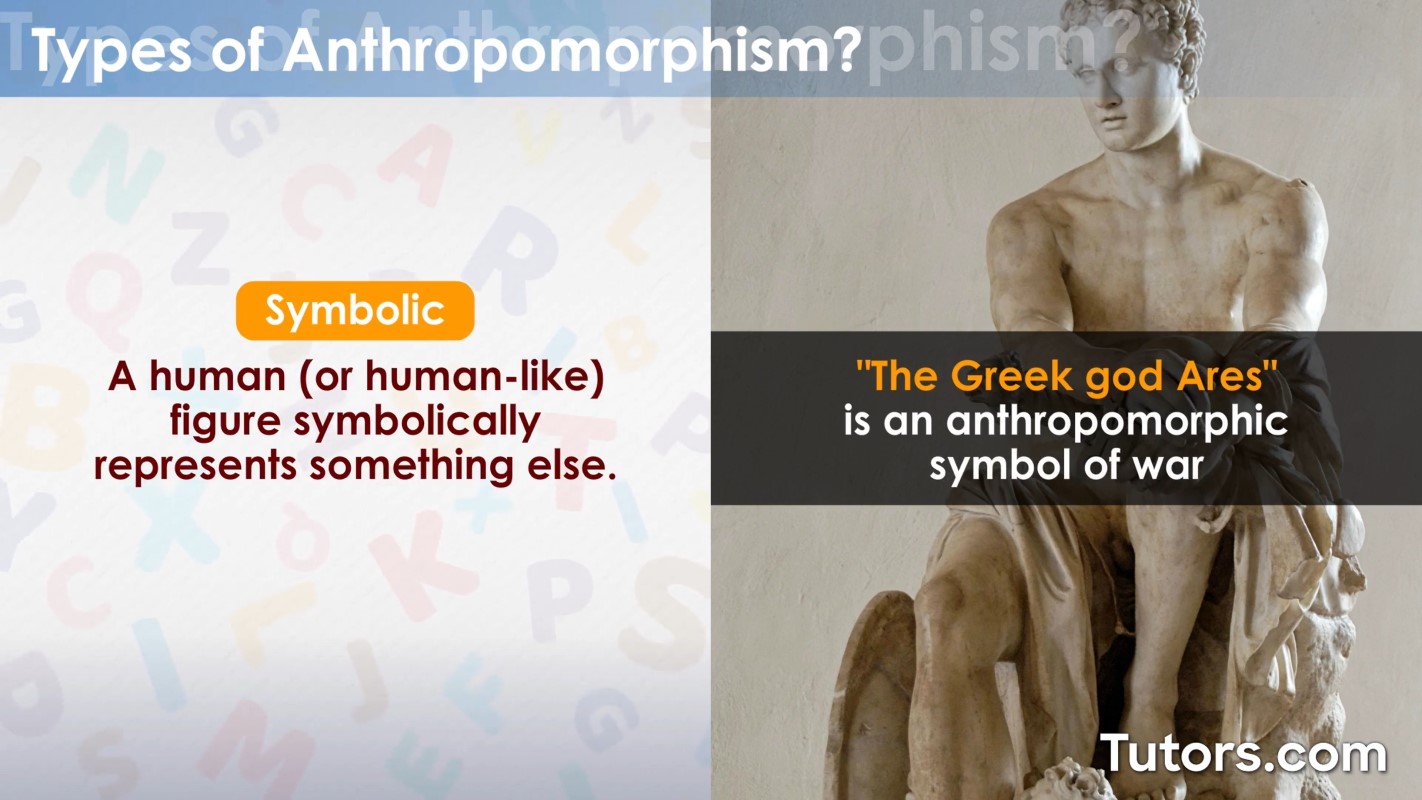
In the vast kaleidoscope of the toy industry, where innovation and creativity intertwine to capture children’s imaginations, one company emerged not just as a player but as a market dominator. This company deployed a sophisticated strategy, drawing on the timeless power of anthropomorphism—the art of attributing human traits to non-human entities. Like a skilled puppeteer, it breathed life into inanimate objects, transforming simple toys into charismatic companions that spoke the silent language of emotion and connection. This case study explores the intricate tapestry of how anthropomorphism became a compass for market success and brand transcendence.
The Alchemy of Anthropomorphism in Toy Design
Anthropomorphism serves as a bridge that spans the chasm between object and observer. In the realm of toy manufacturing, it infuses objects with personality, transforming plastic and fabric into entities capable of fostering emotional bonds. The toy company exploited this alchemy by meticulously crafting toys that embodied not just playful characteristics but authentic human expressions—eyes that glimmered with curiosity, smiles that suggested warmth, and postures that suggested agility or steadfastness. These tactile emblems of life invoked empathy, compelling children and parents alike to assign narratives and develop attachments.
This phenomenon is akin to breathing a soul into the inanimate, casting toys as co-narrators in the child’s imaginative odyssey. The strategic embodiment of anthropomorphic features created a visceral appeal that transcended mere utility, embedding the toys into the social and emotional fabric of households. The toys were no longer mere objects; they became companions, confidants, almost like miniature emissaries of childhood wonder and learning.
Strategic Integration with Brand Identity
Embedding anthropomorphism went beyond superficial design; it was interwoven into the company’s overarching brand philosophy. The mascot-like characters were the personification of the brand’s values—trustworthiness, creativity, and adventure. Each toy was a chapter representing these ideals, allowing the brand to narrate its story in a tangible, experiential format.
The company cultivated a dialogue with its consumers through storytelling frameworks supported by the toys’ anthropomorphic traits. This synergy enabled the brand to build a robust emotional architecture around its products. Consumers found themselves drawn not only to the toys but to the narratives and values they symbolized. This alignment fortressed brand loyalty and encouraged repeat engagement, establishing the enterprise not just as a supplier of merchandise but as a curator of meaningful childhood experiences.
Enhancing Consumer Engagement Through Emotional Resonance
The anthropomorphic design strategy harnessed emotional resonance as the fulcrum of consumer engagement. Cognitive psychology suggests that humans innately connect more deeply with faces and familiar emotional cues. By leveraging this psychological predisposition, the company’s toys functioned as conduits for affective engagement, creating a magnetic pull that fostered deeper interaction.
The toys’ personified features elicited responses akin to those evoked by human interaction—comfort, joy, empathy, and companionship. This emotional elixir spurred active play, imaginative scenarios, and even socialization among children, all critical factors in driving brand attachment and market demand. Parent consumer behavior was similarly influenced, as the toys reflected nurturing qualities desirable in playthings for their offspring, perpetuating a virtuous cycle of purchase and recommendation.
Technological Innovations Elevating Anthropomorphism
It was not merely aesthetic intuition that underpinned the company’s success but a fusion of artistry with cutting-edge technology. Advanced manufacturing techniques allowed for intricate facial expressions, movable parts, and texture variances that mimicked human-like responsiveness. Integrating sensory components—such as voice recognition or touch-sensitive reactions—transformed static toys into interactive beings.
Moreover, the company embraced digital augmentation, embedding augmented reality (AR) features that allowed toys to “come alive” in virtual spaces. This hybridization between physical and digital experiences became a hallmark of innovation, positioning the brand at the avant-garde of the toy market. By synchronizing tangible anthropomorphic design with interactive technologies, the company crafted a multi-layered engagement strategy, ensuring its toys remained compelling across evolving consumer expectations.
Market Impact and Competitive Differentiation
The anthropomorphic approach heralded a paradigm shift in the company’s marketplace positioning. Competing in an industry often susceptible to commoditization, the company carved out a niche defined by emotional connectivity and narrative depth. This differentiation was not merely cosmetic but constituted a sustainable competitive advantage.
Sales figures soared as the toys transcended the conventional parameters of playthings, becoming holistic experiences and emotional investments. Retail placement strategies capitalized on anthropomorphic storytelling, using thematic displays and interactive demonstrations to attract attention and facilitate consumer immersion. Consequently, the company expanded its market share, outpacing competitors who adhered to more traditional, function-centric design philosophies.
Conclusion: The Enduring Power of Human Connection in Commerce
At its core, the company’s triumph reveals a profound truth about consumer culture: the appetite for human connection permeates even the realm of objects. Anthropomorphism emerges as a powerful vector for this connection, enabling products to evoke empathy, tell stories, and foster enduring loyalty. The toy company’s strategic mastery of this art transformed ordinary artifacts into beloved companions, resonating deeply with audiences and securing a commanding presence in the marketplace.
In the ever-shifting landscape of consumer preferences, this case study underscores the timeless allure of personality and emotion. Like artists painting with the brushstrokes of humanity, the company animated its toys with traits that captured hearts and imaginations—an exquisite dance between the tangible and the intangible, securing not only market success but a cherished place in the cultural narrative of play.