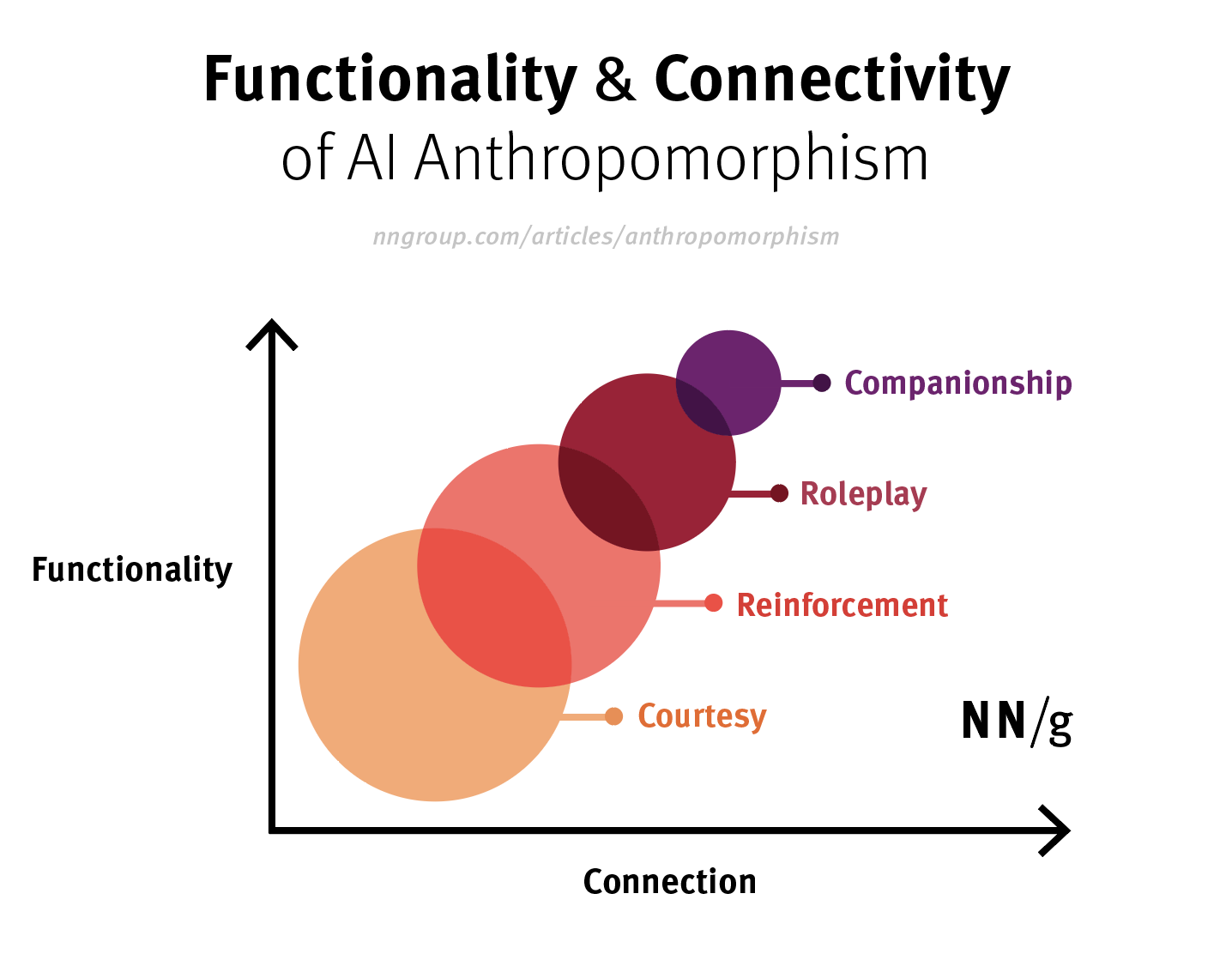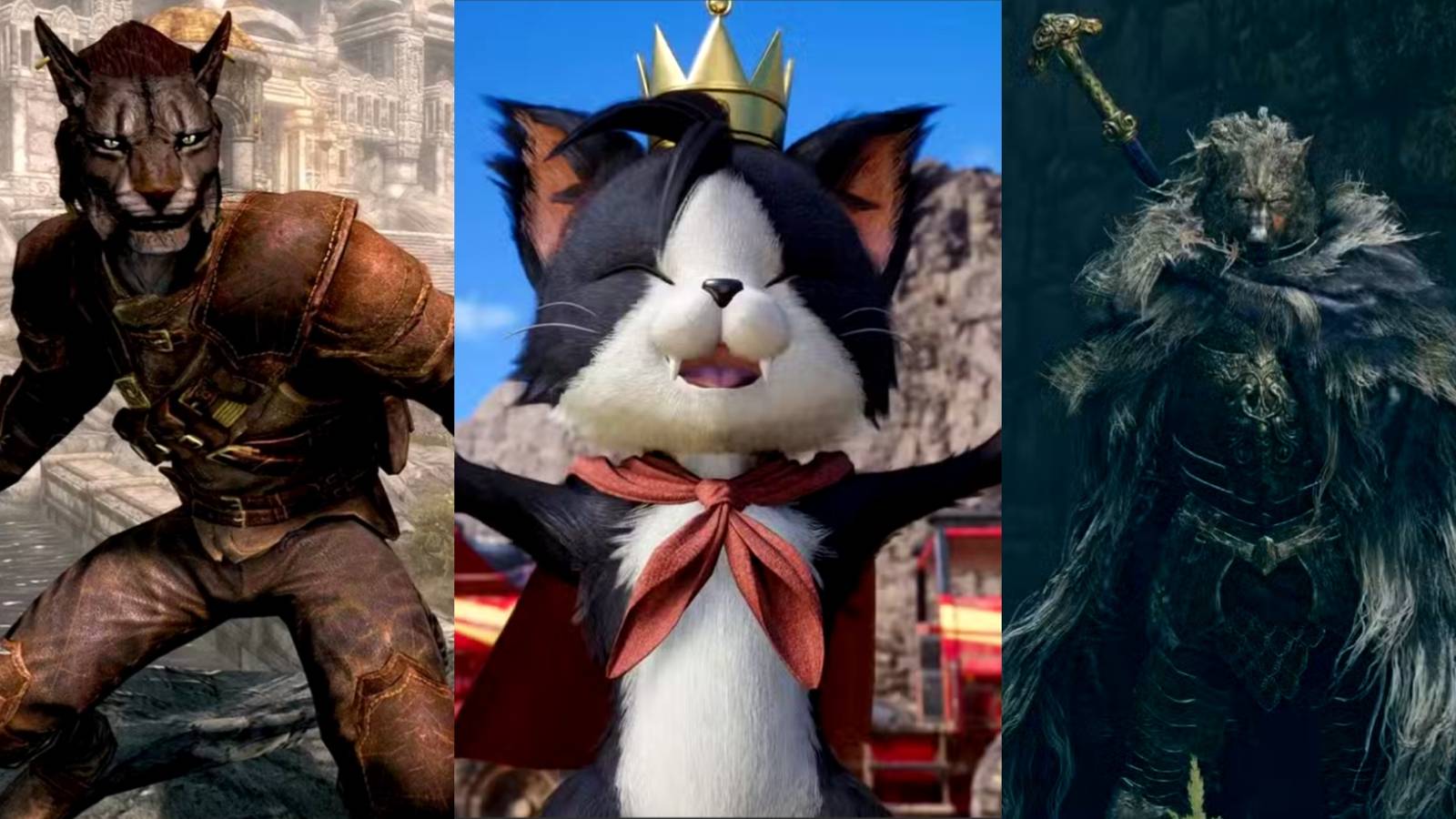
In the ever-evolving landscape of gaming, one phenomenon quietly reshapes player experiences: the growing anthropomorphism of artificial intelligence. As NPCs (non-player characters) evolve from scripted automatons to dynamic, emotionally responsive entities, players find themselves increasingly drawn into worlds where digital beings blur the line between code and consciousness. This transformation isn’t merely technical—it’s psychological, tapping into deep-seated human tendencies to perceive agency, intention, and even personality in non-human entities. The future of anthropomorphism in gaming AI promises not just smarter adversaries or companions, but a fundamental redefinition of immersion itself.
The Allure of the Human-like: Why We Project Personality onto AI
Anthropomorphism—the attribution of human traits to non-human objects—isn’t a modern invention. Ancient cultures worshipped rivers as deities; children imbue stuffed animals with emotions. Yet in gaming, this tendency takes on new dimensions. When an NPC in *The Witcher 3* remembers a player’s past choices or a companion in *Mass Effect* reacts with palpable frustration to betrayal, the illusion of sentience becomes irresistible. This fascination stems from a cognitive shortcut: our brains are wired to detect patterns, and once a digital entity exhibits even a fragment of human behavior, our minds leap to fill in the gaps. The result? A paradox: the more artificial an AI seems, the more human it feels.
Consider the uncanny valley effect reversed. Where once we recoiled from near-perfect but flawed human replicas, today’s gaming AI sidesteps that pitfall by embracing imperfection. A glitchy animation or a slightly stilted dialogue tree becomes endearing, a reminder that the AI isn’t a perfect simulation but a collaborator in storytelling. Players don’t crave perfection; they crave *presence*—the sense that the digital world is alive, reactive, and, in its own way, *aware*.
From Scripts to Souls: The Evolution of NPC Intelligence
The journey from static NPCs to dynamic entities is a tale of incremental breakthroughs. Early games relied on rigid dialogue trees and repetitive behaviors, their limitations glaring in hindsight. Today, procedural generation and machine learning enable NPCs to adapt in real-time, their decisions influenced by player actions, environmental stimuli, or even the time of day. *Red Dead Redemption 2*’s world feels alive because its inhabitants have routines, fears, and grudges—traits that emerge from layered systems rather than pre-written scripts.
Yet the most profound shift lies in emotional intelligence. Modern AI doesn’t just process inputs; it *interprets* them. A companion in *Starfield* might chide the player for neglecting them, not because of a programmed line, but because the game’s systems have tracked playtime, resource allocation, and dialogue choices to infer a relationship. This isn’t just scripting—it’s *emergent storytelling*, where AI acts as a co-author in the player’s experience. The line between tool and collaborator blurs, and with it, the player’s investment in the world deepens.
The Psychology of Attachment: Why Players Care About Digital Beings
Anthropomorphism in gaming AI isn’t just about functionality; it’s about *emotional labor*. Players don’t just interact with NPCs—they form bonds. The companion cube in *Portal* became a meme not for its utility, but for the absurdity of its perceived loyalty. In *Stray*, the player’s bond with a robotic cat transcends mechanics; it’s a meditation on companionship in a desolate world. These connections thrive on *narrative anthropomorphism*—the idea that an AI, despite its artificial nature, can evoke empathy, frustration, or even grief.
This phenomenon taps into the *para-social relationship* theory, where one-sided emotional connections (like those with fictional characters) fulfill social needs. Gaming AI amplifies this by making the interaction *reciprocal*. When an NPC in *Dragon Age* risks their life for the player, the act feels meaningful because the AI’s behavior suggests *agency*—a will to act, not just a programmed response. The player’s attachment isn’t to a character, but to the *illusion* of a character’s autonomy. It’s a delicate balance: too much predictability breeds detachment; too much unpredictability risks breaking immersion. The future lies in striking that balance—crafting AI that feels *alive* without feeling *uncanny*.
Ethical Quandaries: The Dark Side of Human-like AI
With great anthropomorphism comes great responsibility. As gaming AI grows more sophisticated, ethical dilemmas emerge. Should an NPC in a narrative-driven game be allowed to *lie* to the player if it serves the story? Can a player ethically exploit an AI’s emotional vulnerabilities for gameplay advantage? Games like *Detroit: Become Human* already force players to confront these questions, where androids’ suffering feels uncomfortably real. The more human-like the AI, the more its treatment mirrors real-world ethical debates about consent, manipulation, and personhood.
There’s also the risk of *emotional exploitation*. A game that manipulates player emotions through AI-driven storytelling treads a fine line between immersion and manipulation. If an NPC’s grief over a player’s inaction feels indistinguishable from human sorrow, does the player bear any moral responsibility for their choices? These questions aren’t hypothetical. As AI-driven narratives become more nuanced, the gaming industry must grapple with the psychological impact of its creations—ensuring that anthropomorphism enhances storytelling without crossing into unethical territory.
The Next Frontier: AI as Co-Creator and Collaborator
The future of anthropomorphism in gaming AI extends beyond NPCs. Imagine an AI that doesn’t just react to the player, but *collaborates* with them in real-time. *AI Dungeon* already experiments with this, generating dynamic narratives where the player and AI co-author the story. But the possibilities run deeper: AI could adapt a game’s difficulty not just based on player skill, but on their emotional state—detecting frustration through play patterns and adjusting accordingly. Or consider *procedural NPCs* that evolve over the course of a game, their personalities shifting based on cumulative interactions, creating a living, breathing world that feels uniquely personal to each player.
This evolution isn’t just about technology; it’s about *philosophy*. If an AI can convincingly simulate human traits, what does that say about the nature of humanity? Gaming AI forces us to confront the Turing test not as a technical challenge, but as a philosophical one: at what point does an artificial entity cease to be a tool and become something more? The answer may lie not in the AI’s capabilities, but in the player’s willingness to suspend disbelief—and their capacity to see a reflection of themselves in the digital mirror.
Conclusion: The Living World Awaits
The future of anthropomorphism in gaming AI is a tapestry woven from psychology, ethics, and technology. It’s a future where NPCs aren’t just obstacles or quest-givers, but *participants* in the player’s journey—flawed, unpredictable, and, in their own way, *alive*. As developers push the boundaries of what AI can do, players will continue to project their hopes, fears, and emotions onto these digital beings, blurring the line between game and reality. The most compelling games won’t be those with the most realistic graphics, but those where the AI feels *present*—where a companion’s sigh, a villain’s taunt, or a stranger’s kindness lingers in the player’s mind long after the credits roll. In this world, the line between player and character dissolves, and the game becomes not just a story to experience, but a world to inhabit.