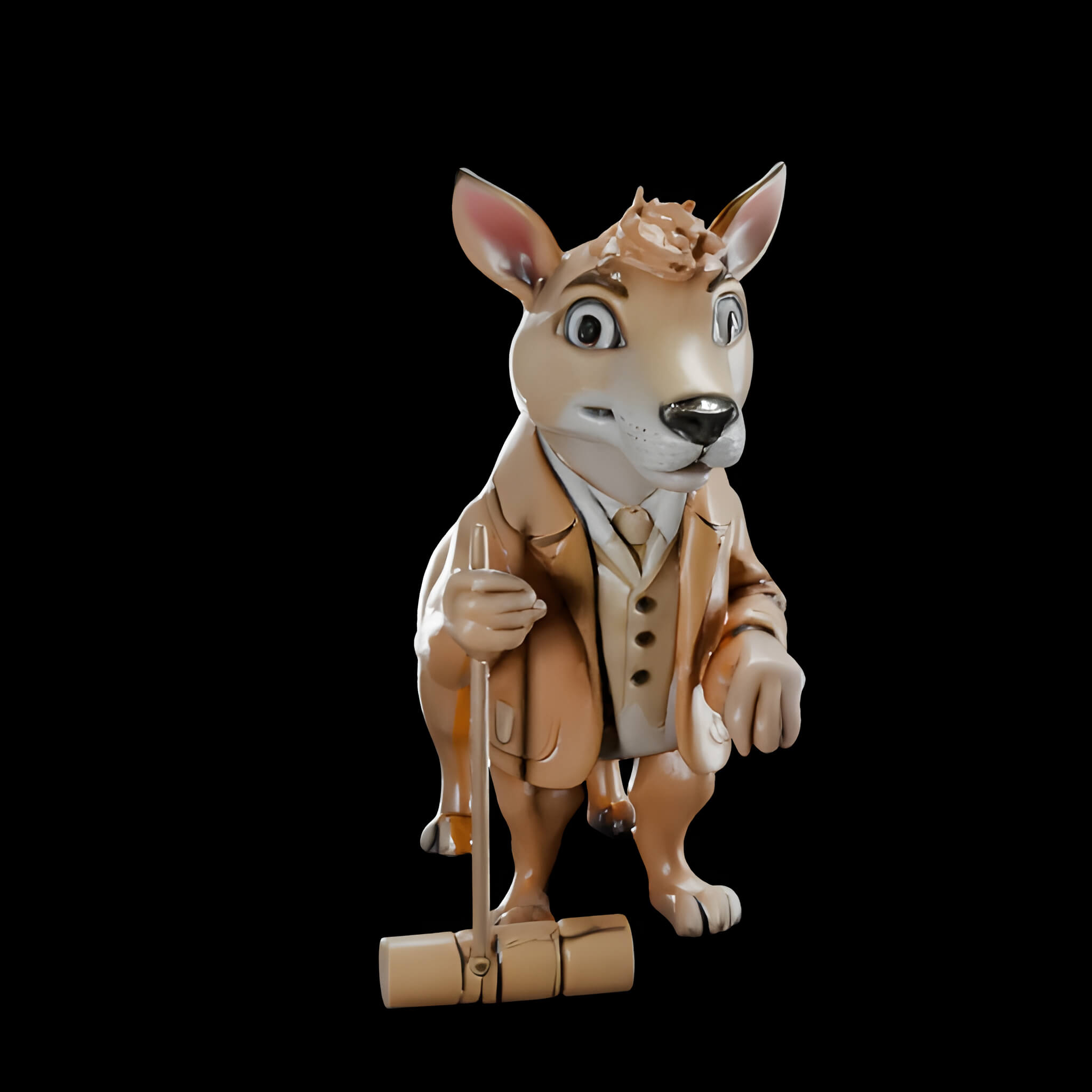
In the intricate tapestry of human behavior, the act of collecting assumes a captivating role that transcends mere acquisition. Among various collectible categories, anthropomorphic figurines stand out, carving a niche rich with psychological complexity. These miniature representations, which blend human characteristics with animal forms, beckon collectors into a realm where identity, emotion, and imagination interplay with intriguing subtlety. Delving beneath the surface reveals a world where the psychology of collecting these figurines promises not only a shift in perspective but also a deeper understanding of the human psyche itself.
The Intrinsic Allure of Anthropomorphism
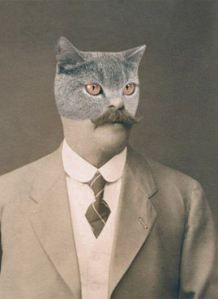
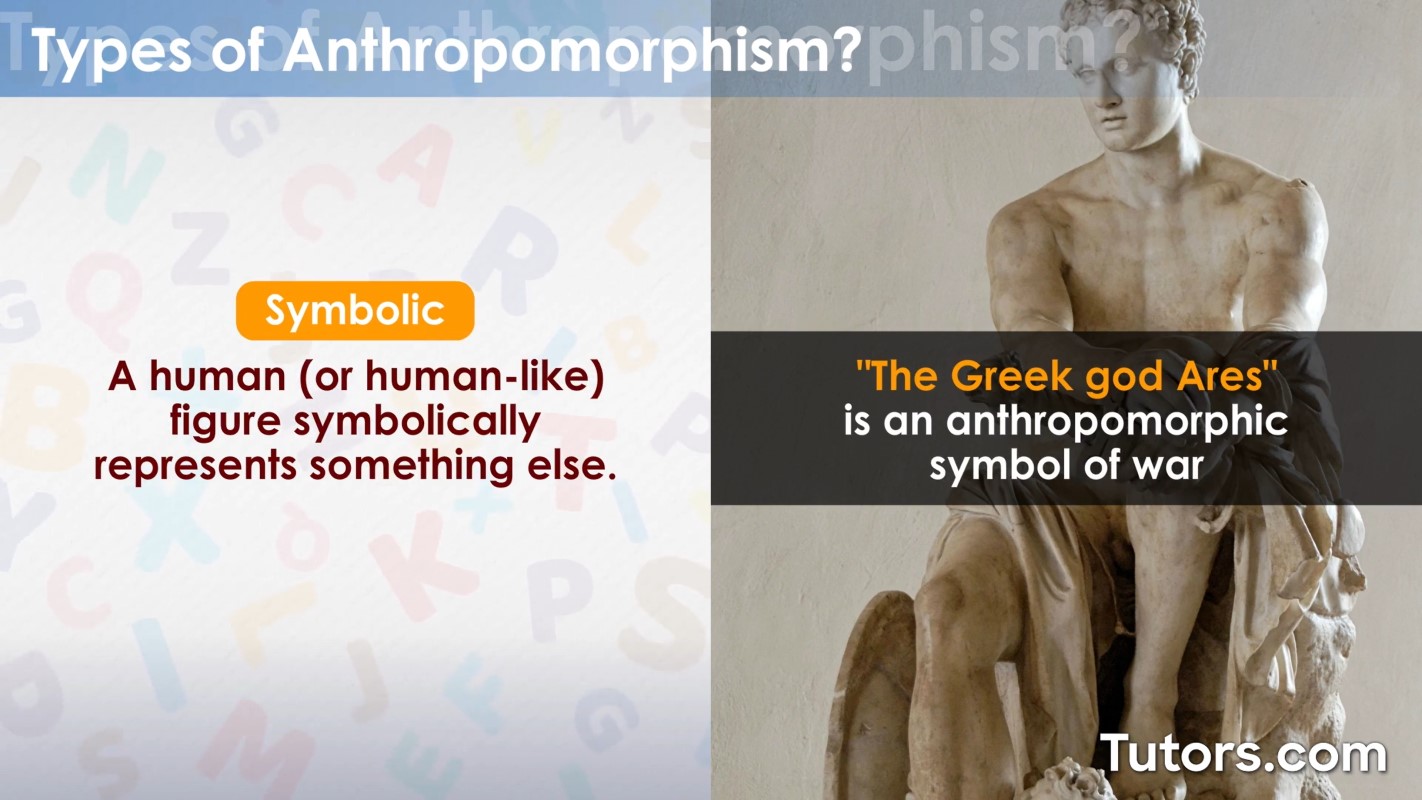
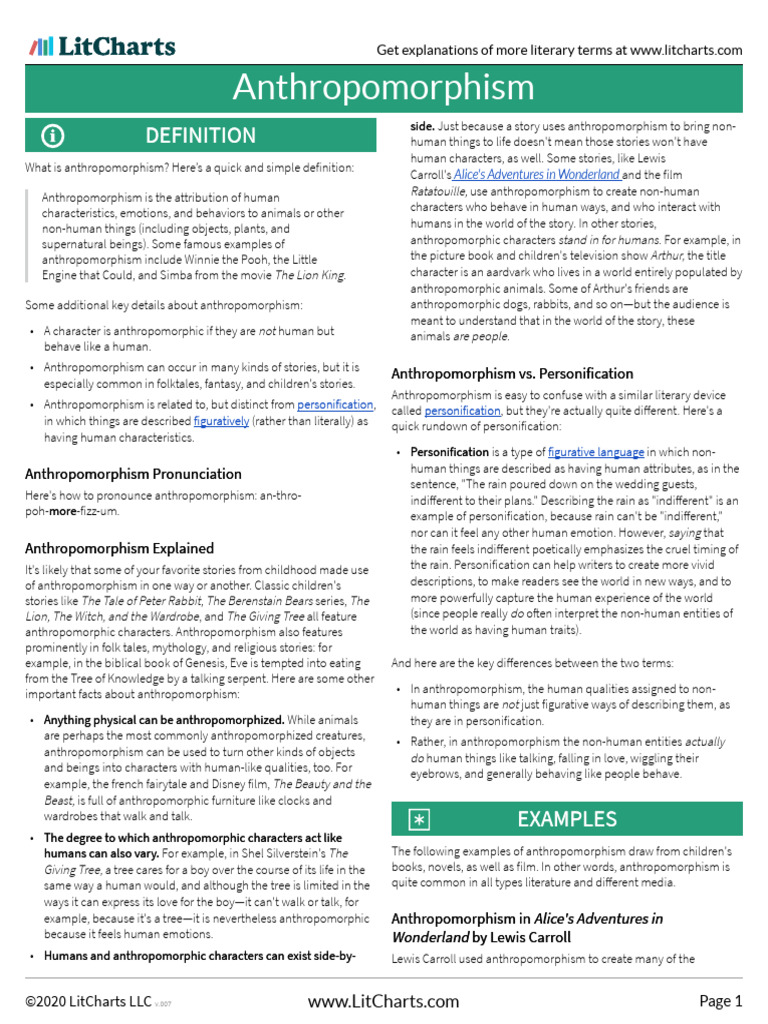
At the heart of collecting anthropomorphic figurines lies a fundamental human proclivity: anthropomorphism itself. This cognitive bias—attributing human traits to animals and inanimate objects—operates as a bridge between the familiar and the fantastical. Objects that embody this duality invite collectors into a liminal space where empathy flourishes and imagination is unshackled. The entwining of human attributes with animal forms offers a symbolic language through which collectors engage with concepts of self and otherness, often fostering a profound emotional resonance.
One might ponder why such figures, often small and intangible, evoke strong attachments. It is because these figurines serve as vessels for projecting narratives, emotions, and even unspoken desires. Unlike generic collectibles, anthropomorphic figures act as quasi-personal talismans, mediating the boundaries between human consciousness and the world of mythos and instinct.

Identity Expression and the Collector’s Self
The act of collecting anthropomorphic figurines often transcends superficial aesthetics, becoming a mode of self-expression and identity exploration. Each figure chosen can reflect facets of the collector’s psyche—values, aspirations, fears, or playful rebellion against societal norms. Through these figurines, collectors externalize elements of their interior worlds, curating collections that mirror invisible dimensions of their identities.
Psychologically, this externalization facilitates a dialogue between the self and the symbolic. Anthropomorphic forms, by synthesizing animalistic vigor with human intellect and emotion, enable collectors to explore hybrid identities or reconcile conflicting impulses within themselves. The figurines become metaphorical companions in this journey of self-discovery, validating individualized experiences and fostering a sense of belonging to a unique subculture.
Nostalgia and the Resonance of Childhood Wonder
Embedded within the psyche of many collectors is the delicate thread of nostalgia—a yearning for the innocence, simplicity, or imaginative expansiveness of childhood. Anthropomorphic figurines vividly evoke this sensibility, conjuring memories of fairy tales, animated stories, and the mythic worlds that enlivened early development. This nostalgic appeal functions as both a comfort and a creative catalyst.
Collecting such figures can therefore be interpreted as a psychological retreat to a mental sanctuary, where the anxieties and complexities of adult life are momentarily softened by the enchanting allure of these hybrid creatures. In doing so, collectors reconnect with dormant facets of creativity and awe, renewing emotional vitality and psychological resilience.
Community and Shared Symbolic Language
Beyond the individual, collecting anthropomorphic figurines fosters vibrant social ecosystems where shared symbolism becomes a cornerstone of interaction. These communities, often spanning online platforms and niche conventions, offer collectors a sense of kinship and mutual appreciation. The figurines function as lexicons within this shared language, encoding stories, cultural motifs, and aesthetic preferences that elicit recognition and dialogue among members.
Engagement with these communities imbues collecting with a social dimension that reinforces identity while expanding interpretive horizons. Through exchanges of knowledge and artistic interpretations, collectors co-construct meaning and elevate their figurines beyond mere possessions. The psychological benefits extend to enhanced social connectivity and affirmation, counteracting isolation and fostering belonging.
The Therapeutic Facet of Collecting
Viewed through a clinical lens, the collecting of anthropomorphic figurines can harbor therapeutic potentials. The meticulous care entailed in curating and displaying these items promotes mindfulness and a focused attentional state. Moreover, the symbolic content of the figurines facilitates emotional processing and sublimation. Collectors often find solace in the cyclical rituals of acquisition and reflection, which anchor them amid psychological turbulence.
Such therapeutic dynamics bear resemblance to practices in art therapy and narrative therapy, wherein symbolic artifacts serve as mediums to externalize and reframe internal conflicts. Anthropomorphic figurines, with their rich metaphorical affordances, become tools for navigating loneliness, grief, or anxiety. They invite a gentle confrontation with complex emotions, wrapped in the approachable guise of whimsical representation.
Economic and Cultural Dimensions
While psychology underpins the personal magnetism of these figurines, economic and cultural factors shape the broader landscape of collecting. The market for anthropomorphic figurines reveals not only consumer behaviors but also cultural trends that influence desirability and stylistic evolution. For some collectors, the acquisition represents an investment intertwined with aesthetic appreciation and cultural capital.
Anthropomorphic art forms also often draw from diverse mythologies, folklore, and contemporary narratives, embedding collectors within a rich intercultural dialogue. This dynamic enriches the collecting experience, inviting participants to explore histories and ideologies encoded within the figurative motifs. The intersection of psychology, culture, and economy thus frames a holistic understanding of why these figurines captivate and endure.
Conclusion: A Paradigm Shift in Perceiving Collecting
Ultimately, the psychology of collecting anthropomorphic figurines compels a reevaluation of what it means to collect. Far from a mere hobby or material obsession, this practice emerges as a multifaceted phenomenon—interweaving identity, emotion, creativity, and community within the microcosm of each figure. It challenges conventional notions of human-object relationships, urging a recognition of these figurines as symbolic actors in the drama of selfhood.
For those outside this world, the motivations and attachments may seem enigmatic. Yet, the closer one examines, the more apparent it becomes that collecting anthropomorphic figurines offers a unique portal into the human condition—one where curiosity is not just piqued but profoundly transformed into understanding and connection.