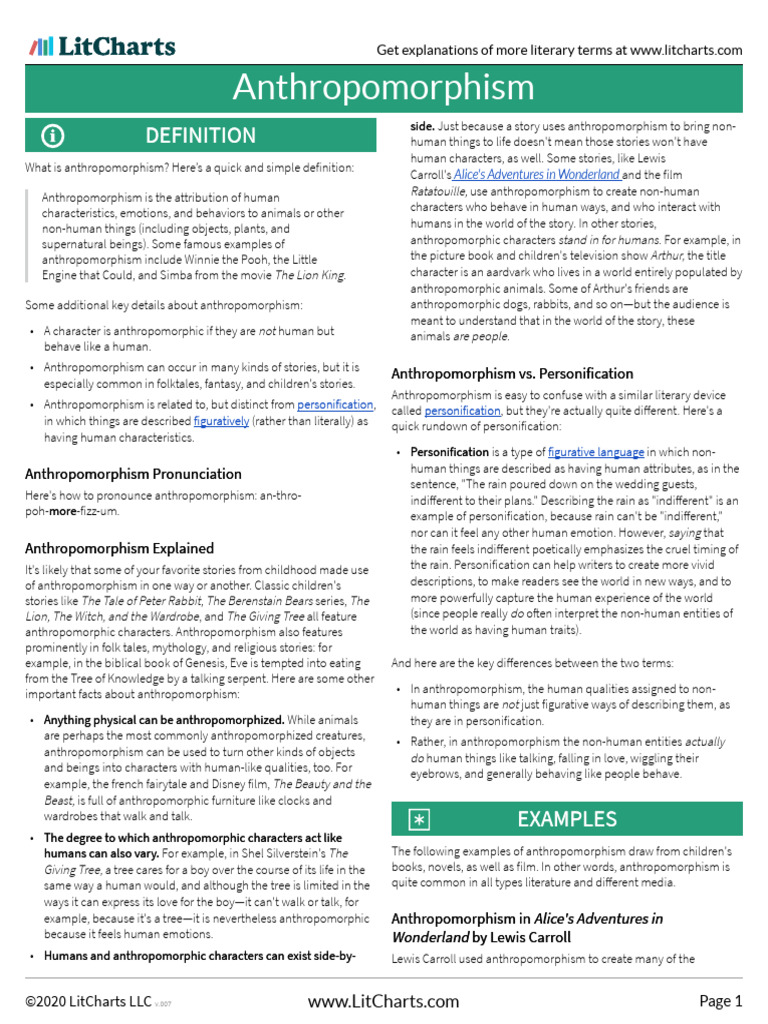
In the sprawling landscape of internet culture, memes have evolved far beyond mere humorous images. They have become intricate vessels of social commentary, cultural reflection, and creative expression. Among the myriad of techniques deployed to capture audience attention, anthropomorphism stands out as a particularly potent device. This case study delves into how memes utilize anthropomorphism—the attribution of human characteristics to non-human entities—to achieve viral status. By dissecting the layers of content that weave into this phenomenon, readers will gain insight into the various forms of anthropomorphic memes and the psychological triggers they exploit to disseminate widely across digital platforms.
The Allure of Anthropomorphism in Digital Culture
Anthropomorphism taps into a deep psychological reservoir, bridging the gap between abstract concepts or inanimate objects and human experience. This connection fosters empathy, relatability, and humor, essential catalysts for virality. Internet memes leverage this by transforming everything from animals and fictional characters to everyday objects into beings with emotion, personality, and narrative arcs. This creative strategy not only catches the eye but also invites engagement by providing familiar touchpoints within alien contexts. Audiences instinctively gravitate toward content that reflects human traits, making anthropomorphic memes inherently shareable.
Character Gijinka and Moe Anthropomorphism in Gaming Memes
In gaming communities, anthropomorphism frequently manifests through gijinka—the artistic practice of transforming non-human entities such as game characters, monsters, or objects into human forms, often imbued with moe attributes, signifying affectionate, endearing qualities. This phenomenon galvanizes fanbases by reimagining beloved characters within human frameworks, adding layers of personality and expressiveness that resonate deeply. Memes exploiting this tactic often highlight exaggerated traits or idiosyncrasies, amplifying nostalgic or humorous appeal. The visual and narrative complexity inherent in gijinka memes enhances their capacity to engage audiences across social networks, provoking both emotional investment and debate.
Animal Anthropomorphism: Canine Case Studies and Emotional Resonance
Animals have long been ambassadors of anthropomorphism in digital content. Specific case studies focusing on canine behavior conclusively demonstrate how memes adopt human-like traits to reflect contemporary social dynamics or humor. By assigning dogs human emotions, motivations, or social roles, memes create a mirror for viewers to examine their own lives and relationships through a non-threatening and entertaining lens. This blending of authenticity with caricature invites empathy while maintaining levity, often resulting in viral traction fueled by shared human-animal experiences. The nuanced portrayal of dogs in these memes underscores the cultural relevance of anthropomorphism beyond mere visual humor.
Visual Storytelling: The Fusion of Image and Narrative
Memes that employ anthropomorphism excel particularly in visual storytelling. The interplay between art style, facial expressions, and body language in anthropomorphic characters conveys subtleties that text alone cannot achieve. Detailed illustrations, often borrowing from anime or caricature aesthetics, imbue static images with implied motion and emotion. Accompanying captions or dialogues further amplify narrative potency, guiding audience interpretation while leaving room for individual projection. This multidimensional storytelling approach increases retention and encourages iterative sharing, as viewers return to decode nuances or share with like-minded communities familiar with the iconography.
Cultural Commentary and Subversion Through Personification
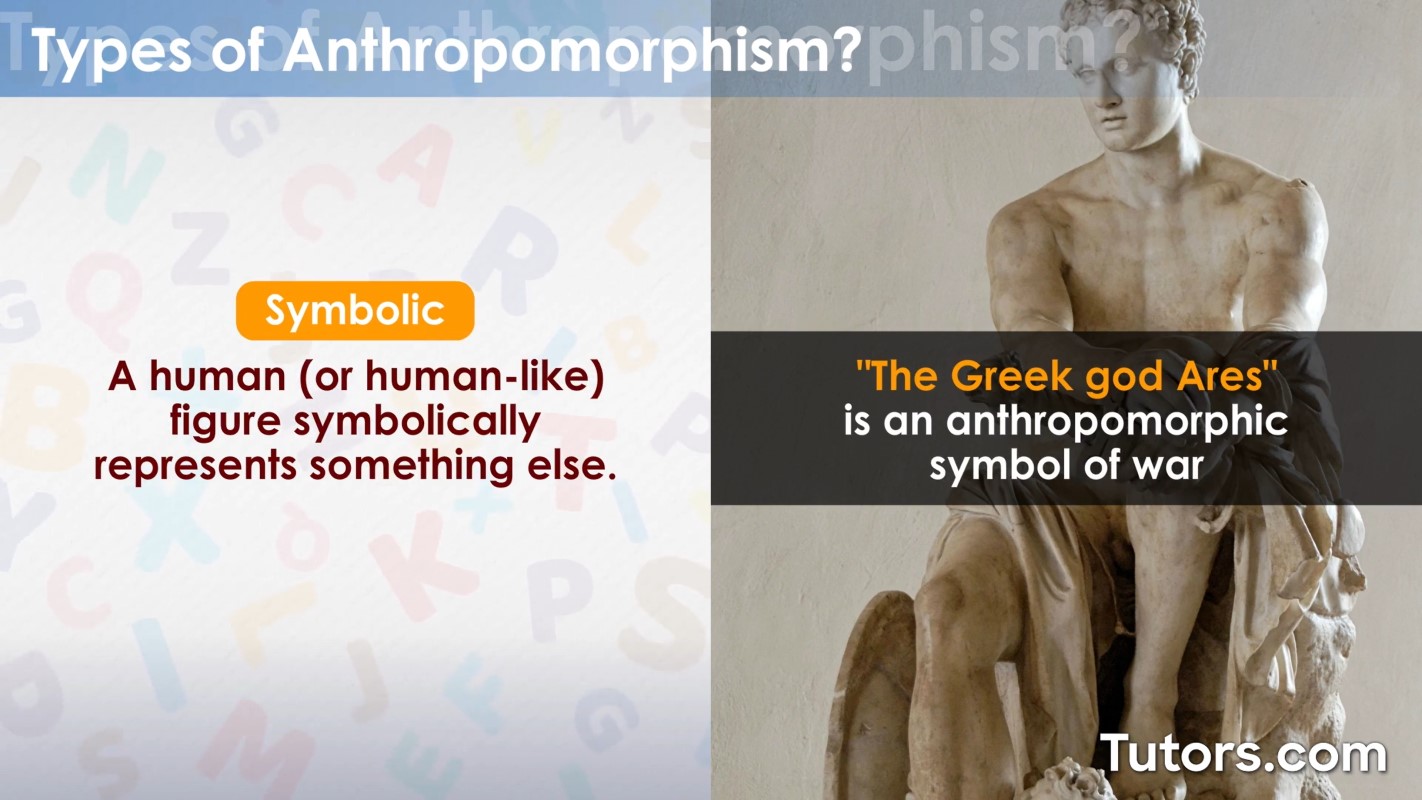
Anthropomorphic memes frequently transcend simple entertainment by serving as vehicles for cultural commentary or subversion. Personifying abstract social concepts or ideological archetypes encourages critical reflection framed within accessible humor. This method can neutralize tension around controversial topics, enabling broader discourse without alienating audiences. By rendering societal critiques through humanized symbols or beloved characters, these memes harness cognitive dissonance to spark curiosity and conversation. The inherent duality—combining entertainment with sophisticated messaging—is a hallmark of viral anthropomorphic meme content, expanding its reach and enduring relevance.
Psychological Mechanisms Driving Virality
The success of anthropomorphic memes in achieving virality is grounded in several psychological mechanisms. Primarily, they leverage the theory of mind, where viewers instinctively simulate the thoughts or feelings of anthropomorphized entities, fostering deeper emotional connections. Humor, often derived from incongruity or exaggeration of familiar traits, acts as a social glue, prompting sharing and communal bonding. Furthermore, the novelty embedded in re-contextualizing familiar symbols in humanized form elevates curiosity and memorability. The accessibility of anthropomorphic memes—transcending language barriers through visual cues—broadens demographic appeal, ultimately catalyzing exponential dissemination.
The Evolution and Future Prospects of Anthropomorphic Memes
Anthropomorphic memes remain a dynamic and evolving genre within internet culture. Emerging technologies, such as deepfake and AI-generated art, promise to enhance their complexity and personalization, tailoring human-like expressions with unprecedented precision. As meme creators explore hybrid forms merging reality with fantasy, the boundaries of anthropomorphism continue to expand, blurring distinctions between human identity and digital persona. This evolution not only sustains audience engagement but also amplifies the memetic potential to comment on societal shifts, identity politics, and cultural nostalgia. The future suggests a fertile ground for innovative, layered content that will continue to harness anthropomorphism as a cornerstone of viral success.
Conclusion: Anthromorphism as a Viral Catalyst
The multifaceted utility of anthropomorphism in meme culture reveals a profound intersection of art, psychology, and social dynamics. By imbuing non-human subjects with human characteristics and complexities, memes transcend superficial humor, inviting audiences into shared narratives rich with emotional and cultural significance. Whether through the endearing humanized game characters, the relatable canine caricatures, or the symbolic personifications of societal archetypes, anthropomorphic memes encapsulate a unique form of digital storytelling. Their capacity to evoke empathy, provoke thought, and entertain simultaneously renders them irresistible vectors for viral propagation. Understanding these content types and their underlying mechanisms offers invaluable insight into the digital zeitgeist and the enduring power of personified humor in online ecosystems.