Is it possible that the most captivating characters on Cartoon Network are those that blend human traits with animalistic charm? Anthropomorphic figures have long held a unique allure in animation, standing at the crossroads of fantasy and relatability. Yet, what elevates some shows above others within this niche? Exploring the best anthropomorphic cartoon shows on Cartoon Network, we embark on a journey through imaginative storytelling, vibrant artistry, and unforgettable characters that challenge the boundaries of conventional animation.
The Art of Anthropomorphism: More Than Just Animal Characters
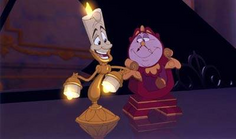
Anthropomorphism goes beyond simply assigning human characteristics to animals; it is an intricate dance of personality, emotion, and symbolism. Cartoon Network’s roster brims with shows where these traits are woven seamlessly into the fabric of storytelling. By endowing animal characters with human wit, feelings, and dilemmas, these animations create a microcosm of human experience. The juxtaposition of animal instincts and human intellect evokes a rich tapestry of humor and pathos, inviting viewers to explore complex themes under a playful guise.
Adventure Time: Adventure Awaits in a Surreal World
“Adventure Time” is a quintessential example of anthropomorphic brilliance. Its multitude of characters ranging from the dog Jake, with his laid-back attitude and stretching abilities, to Princess Bubblegum, a humanoid candy entity, highlights the creative zenith of anthropomorphism. This series dares to merge surreal fantasy with profound existential questions. The playful postures and exaggerated expressions of anthropomorphic characters amplify emotional resonance, which is no small feat given the show’s whimsically absurd setting. Each episode invites the audience to delve into adventures filled with moral ambiguities, not just escapism.
The Amazing World of Gumball: A Melting Pot of Anthropomorphic Diversity
In “The Amazing World of Gumball,” the anthropomorphic spectrum is dazzlingly diverse. From Gumball himself, a blue cat with human flaws, to his goldfish brother Darwin, who navigates the world newly adapted to land, the show uses this variety to explore everyday dilemmas with sharp satire and heartfelt moments. The interplay between anthropomorphic and non-animal characters creates a dynamic social ecosystem that mirrors the complexities of modern life. This show challenges viewers to reconsider preconceived notions about identity and social norms through the prism of its eccentric yet relatable characters.
Samurai Jack: The Stoic Anthropomorphized Villain
Though “Samurai Jack” is not typical in its use of anthropomorphism, its enigmatic villain Aku stands as a prime example of anthropomorphic embodiment of chaos and evil. Aku’s fluid, shifting shapes coupled with a human malevolence forge a compelling antagonist. The show’s minimalist design contrasts with Aku’s grotesque humanoid-animated form, creating a synthesis that is both visually arresting and thematically profound. This nuanced use of anthropomorphism challenges viewers to decipher monstrosity beyond the surface, enhancing engagement with the narrative’s underlying philosophical questions.
Courage the Cowardly Dog: Fear and Empathy in Anthropomorphic Form
“Courage the Cowardly Dog” masterfully utilizes anthropomorphism to balance horror, comedy, and empathy. Courage, an ordinary dog confronting extraordinary terrors, becomes the vessel through which viewers experience vulnerability and bravery. His exaggerated facial expressions and body language convey a spectrum of emotions with unparalleled clarity. The anthropomorphic design enables viewers to connect deeply with Courage’s plight, while the surreal settings underscore the perpetual tension between fear and courage. This series challenges the assumption that animated characters must be lighthearted, showcasing the emotional depth anthropomorphism can unlock.
Foster’s Home for Imaginary Friends: Anthropomorphism and the Power of Imagination
“Foster’s Home for Imaginary Friends” sits at the intersection of anthropomorphism and fantasy, housing a plethora of anthropomorphic characters that embody creativity and friendship. The imaginative designs—from the lanky and quirky Bloo to the gentle giant Eduardo—offer diverse emotional palettes and narratives. Through these characters, the show explores themes of acceptance, loneliness, and the complexities of friendship through an animalistic lens. It fosters interaction between human and anthropomorphic entities, highlighting their mutual dependence and the magical qualities that imagination breathes into animation.
Why Do Anthropomorphic Shows Resonate So Deeply?
What lies beneath the allure of anthropomorphic characters that captivates such a broad audience? Perhaps it is their dual nature: animal forms carrying human emotions forge an uncanny valley of familiarity and novelty. These characters serve as mirrors reflecting our strengths, flaws, and desires, yet through a vivid filter that captivates both young audiences and adults alike. Cartoon Network’s anthropomorphic shows harness this tension masterfully, utilizing visual symbolism and narrative complexity to create layers of meaning. This multifaceted appeal challenges the conventional categorization of animation purely as children’s entertainment.
The Challenge of Creating Enduring Anthropomorphic Characters
Constructing anthropomorphic characters that endure culturally and emotionally is no easy feat. The creators must avoid caricature while inspiring empathy and engagement. Balancing human and animal traits requires precision; too much leaning toward one risks alienating audiences. Moreover, sustaining originality in a saturated market demands constant innovation. Cartoon Network has embraced this challenge through experimental art styles, multifaceted stories, and voice acting that breathes life into these characters. The network’s success in this realm demonstrates the power of anthropomorphism not just as a gimmick, but as a profound narrative and artistic tool.
Conclusion: The Enduring Magnetism of Anthropomorphic Animation
Anthropomorphic cartoons on Cartoon Network offer more than whimsical entertainment; they serve as a cultural lens and emotional conduit. These shows challenge us to see beyond the obvious, to reconsider identity, morality, and creativity through anthropomorphic lenses. Whether it is through a shape-shifting dog, a sugary princess, or an ominous malevolent entity, these characters provide depth and vibrancy to the landscape of modern animation. They compel us to question: what is it about this fusion of human and animal that continues to enchant, provoke, and inspire across generations?