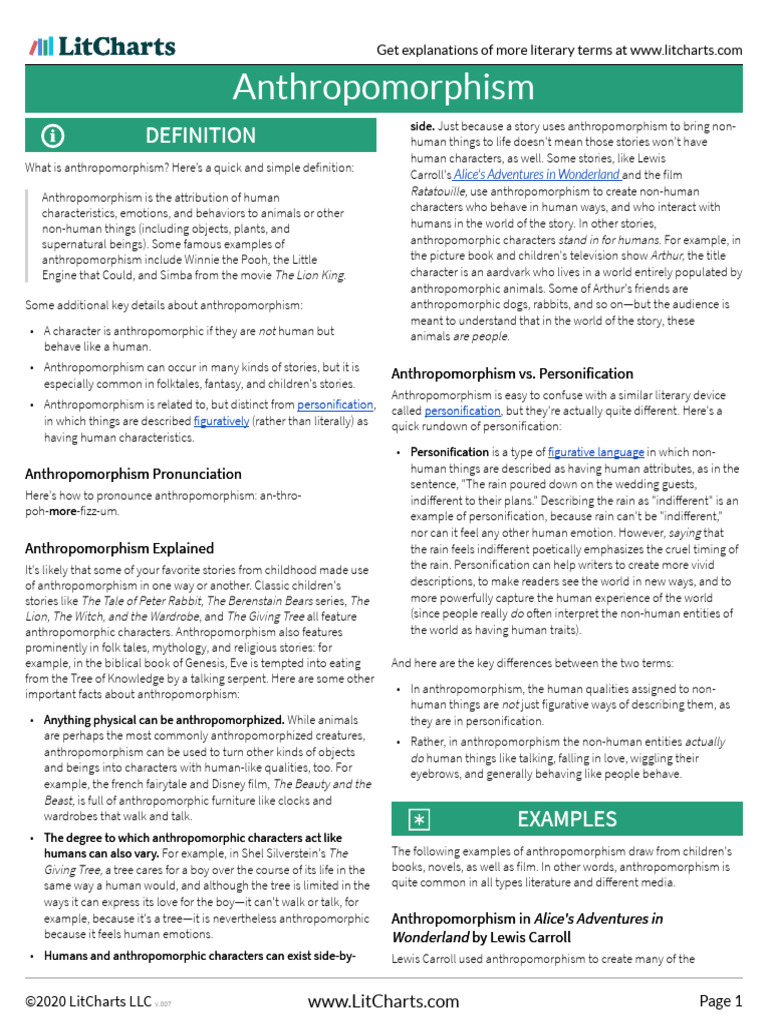
In the labyrinth of consumer psychology, where attention spans flicker like candle flames in a draft, one phenomenon stands out with uncanny consistency: anthropomorphism—the art of imbuing non-human entities with human traits—sells products with an almost magnetic allure. From the grinning cereal mascot that beckons from supermarket shelves to the animated teapot that whispers promises of warmth, these characters don’t just occupy space in our lives; they hijack our emotions, rewrite our purchasing narratives, and transform transactions into relationships. But why does this alchemy of form and feeling work so reliably? The answer lies not in the characters themselves, but in the intricate dance they perform within the human psyche, where familiarity breeds affection, and affection, in turn, births loyalty.
The Empathy Paradox: Why We Fall for Faces That Aren’t Ours
At the heart of anthropomorphism’s power is a paradox: we are wired to empathize most deeply with what we recognize, yet we are also drawn to the unfamiliar when it wears a face that mirrors our own. Anthropomorphic characters exploit this duality by presenting just enough humanity to trigger our mirror neurons—the brain’s empathy circuits—while retaining an exoticism that piques our curiosity. Consider the way a cartoon fox in a waistcoat might narrate a financial service’s ad. The fox isn’t human, yet its posture, expressions, and even the timbre of its voice (if it speaks) are calibrated to evoke the same emotional responses we reserve for people. This cognitive sleight of hand transforms abstract concepts—like savings or insurance—into tangible, relatable entities. The result? A consumer doesn’t just buy a policy; they adopt a character’s ethos, as if the fox itself vouches for the brand’s reliability.
Neuroscientific studies corroborate this phenomenon. When we encounter anthropomorphic figures, our brains release oxytocin, the so-called “love hormone,” which fosters trust and social bonding. This chemical endorsement is why brands like Mailchimp’s Freddie the Monkey or the Geico Gecko don’t merely adorn advertisements—they become the emotional anchors of the customer experience. The characters cease to be mere marketing tools; they evolve into silent ambassadors of the brand’s values, whispering promises of friendliness, competence, and even humor in a world often dominated by cold, transactional interactions.
The Narrative Hook: How Characters Turn Products into Stories
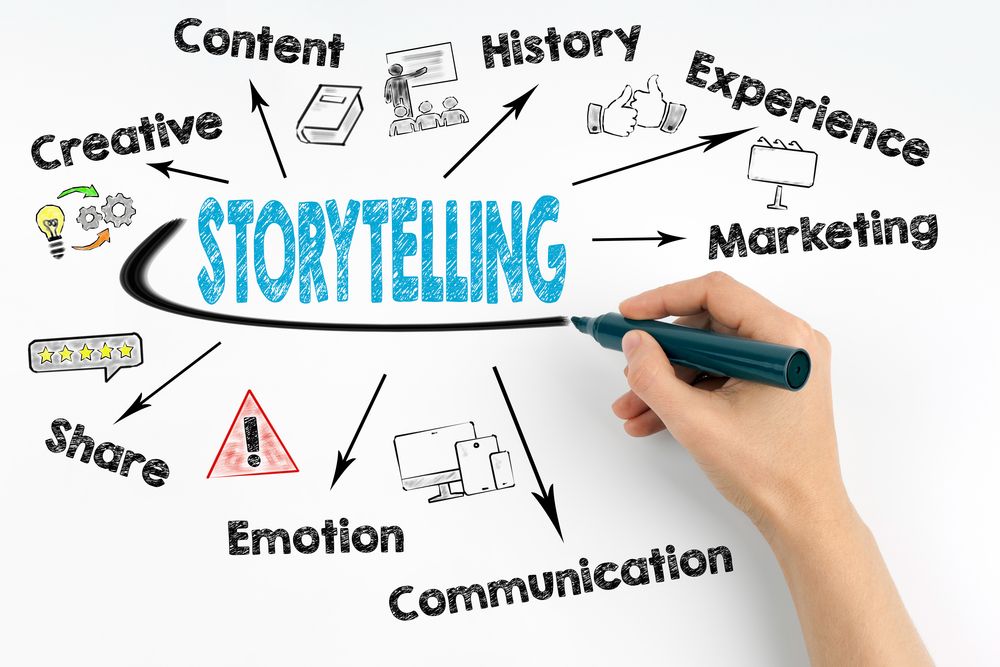
Humans are storytelling creatures. Our brains are wired to process information not as dry data, but as narratives filled with conflict, resolution, and character arcs. Anthropomorphic characters are the Trojan horses of this narrative instinct—they smuggle products into our lives by wrapping them in stories we can’t help but follow. Take, for example, the rise of anthropomorphic food items in fast-food branding. A talking M&M or a dancing taco isn’t just a mascot; it’s the protagonist of a mini-drama where the product’s features become the resolution to a relatable problem. “You’re tired? Have a Snickers. The candy bar is the hero that saves you from ‘hangry’ doom.”
This narrative alchemy works because it leverages our innate desire for meaning. When a product is personified, it gains a backstory, a personality, and a role in our lives. A vacuum cleaner with a cheerful face isn’t just a tool; it’s a diligent sidekick in the quest for a spotless home. A shampoo bottle with a sassy, animated character isn’t merely a cleanser; it’s a confidant promising to restore confidence. The product transcends its utilitarian purpose, becoming a character in the consumer’s personal saga. This emotional investment is the difference between a one-time purchase and a lifelong allegiance.

The Cuteness Conundrum: Why We Can’t Resist Big Eyes and Tiny Paws
There’s a reason why the most successful anthropomorphic characters—from Pikachu to the Pillsbury Doughboy—possess exaggerated features: large eyes, soft contours, and childlike proportions. This isn’t mere aesthetic whimsy; it’s a psychological trigger rooted in our evolutionary wiring. Known as “baby schema” or *Kindchenschema*, these features activate the same neural pathways that compel us to care for infants. When a product adopts these traits, it taps into a primal instinct to nurture, protect, and, ultimately, indulge.
Consider the humble lemon. Alone, it’s a tart, utilitarian fruit. But when transformed into a cheerful, anthropomorphic character with rosy cheeks and a toothy grin, it becomes irresistible. The character’s cuteness disarms our skepticism, making us more likely to reach for the product in the store or click “add to cart” online. This phenomenon explains why brands like Sunkist and 7Up have long used anthropomorphic fruit in their marketing. The characters don’t just sell a product; they sell an emotional experience—one that feels as comforting as a hug from a friend.
Yet, cuteness alone isn’t enough. The most enduring anthropomorphic characters balance their adorable exteriors with distinct personalities. A character that’s too saccharine risks feeling shallow, while one that’s too edgy might alienate. The sweet spot lies in creating a figure that’s relatable—someone (or something) we’d want to share a coffee with, or whose antics we’d follow on social media. This delicate equilibrium is why characters like Tony the Tiger or the Michelin Man have endured for decades: they’re cute enough to charm, but memorable enough to stick in our minds.
The Cultural Chameleon: How Anthropomorphism Adapts to Any Audience
One of the most remarkable traits of anthropomorphic characters is their chameleonic ability to blend into any cultural context. Whether it’s a samurai sword that comes to life in a Japanese anime ad or a cowboy hat-wearing raccoon hawking insurance in the American Midwest, these characters act as cultural translators, making even the most mundane products feel locally relevant. This adaptability is no accident; it’s a strategic masterstroke that allows brands to transcend geographical and linguistic barriers.
Take, for instance, the global success of Pokémon. The franchise’s creatures, each with their own quirks and backstories, have become cultural icons from Tokyo to Toronto. But what’s often overlooked is how each region’s Pokémon are subtly tailored to resonate with local audiences. In Japan, where nature and folklore are deeply intertwined, creatures like Pikachu and Eevee draw from traditional myths. In the West, where individualism is prized, characters like Charizard and Mewtwo emphasize strength and uniqueness. This cultural customization ensures that anthropomorphic characters feel like they belong to the audience, not the other way around.
For brands, this means anthropomorphism isn’t just a marketing tactic—it’s a bridge. A fast-food chain can use a spunky, urban raccoon to appeal to Gen Z in New York, while the same chain might deploy a folksy, rural fox in the Midwest. The character becomes a cultural shapeshifter, embodying the values and humor of each audience while remaining fundamentally the same entity. This versatility is why anthropomorphic characters are a staple in global marketing campaigns, from Coca-Cola’s polar bears to KFC’s Colonel Sanders, who has been reimagined as everything from a hipster to a superhero.
The Future of Anthropomorphism: AI, Ethics, and the Uncanny Valley
As technology advances, the line between anthropomorphic characters and sentient beings grows increasingly blurred. With the rise of AI-driven avatars and deepfake technology, we’re entering an era where characters can not only speak but also respond to us in real time. Brands are already experimenting with this frontier: imagine a virtual influencer like Lil Miquela, but for a skincare line, offering personalized advice based on your skin type. Or a chatbot that adopts the persona of a wise old owl to guide you through an investment platform. The possibilities are as limitless as they are unsettling.
Yet, with these opportunities come ethical dilemmas. The more human-like a character becomes, the greater the risk of stumbling into the “uncanny valley”—that unsettling zone where near-perfection triggers revulsion. A character that’s *almost* human but not quite can evoke discomfort rather than connection. Brands must tread carefully, balancing innovation with authenticity. The key lies in transparency: audiences are more forgiving of anthropomorphism when they understand it’s a construct, not a deception. Think of it as the difference between a puppet show and a deepfake—one invites wonder, the other invites suspicion.
Looking ahead, the future of anthropomorphism may lie in hybrid forms—characters that are undeniably non-human but possess enough personality to feel like companions. Perhaps we’ll see more brands adopting “digital pets” that evolve alongside their owners, or AI-driven characters that grow wiser with each interaction. The goal isn’t to create something that feels real, but something that feels *true*—a character whose quirks and flaws make it endearing, not eerie.
The Bottom Line: Why Your Brand Needs an Anthropomorphic Ally
In an era where consumers are bombarded with choices, anthropomorphic characters offer a rare commodity: emotional resonance. They transform products from commodities into confidants, from services into stories. They make us laugh, they make us care, and—most importantly—they make us remember. In a marketplace where attention is the ultimate currency, these characters are the mint that mints more of it.
For brands willing to take the leap, the rewards are substantial. A well-crafted anthropomorphic character can elevate a product from obscurity to icon status, turning customers into evangelists and transactions into traditions. But success requires more than just slapping a face on a logo. It demands a deep understanding of your audience, a commitment to authenticity, and a willingness to embrace the quirks that make your character unforgettable.
So, ask yourself: What if your brand’s next mascot wasn’t just a symbol, but a storyteller? What if it wasn’t just a product, but a personality? The characters in this article aren’t just illustrations—they’re invitations. Invitations to see the world a little differently, to care a little more, and to buy a little more willingly. In the end, anthropomorphism isn’t just a marketing strategy. It’s a bridge between what we sell and why we buy.