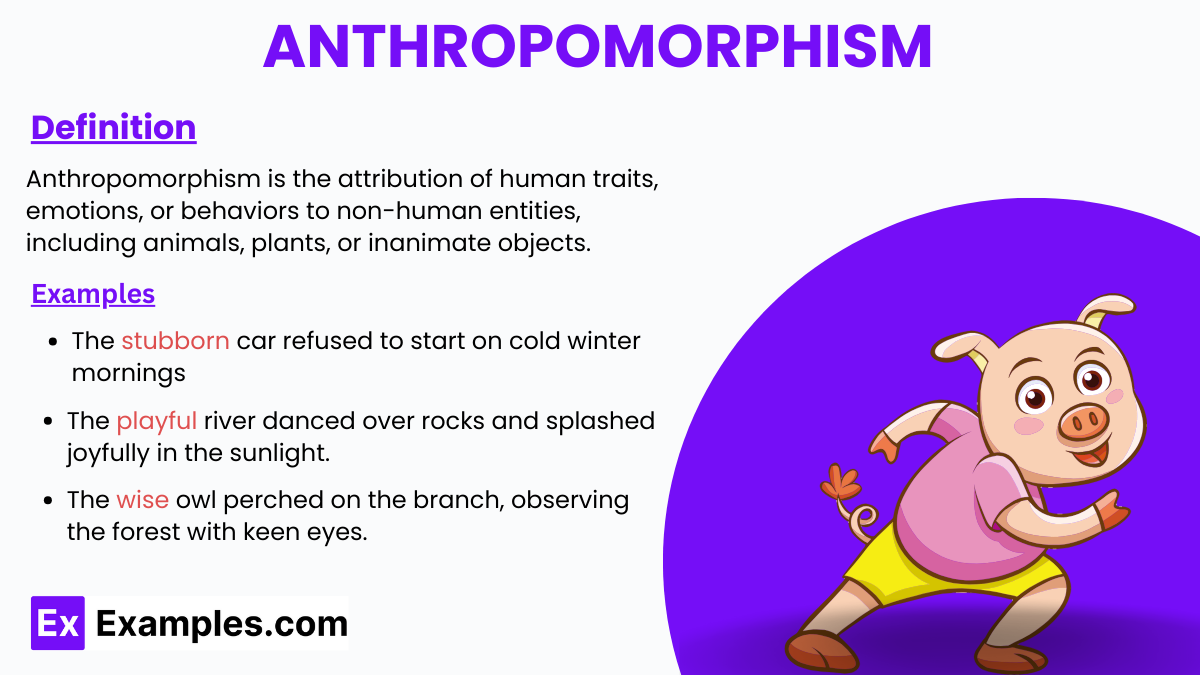
Anthropomorphism—the inclination to imbue non-human entities with human-like traits, intentions, and emotions—is a cornerstone of human cognition. From ancient myths to modern artificial intelligence, this cognitive phenomenon shapes how we perceive, interpret, and interact with the world. It is not merely a quirk of imagination but a fundamental mechanism that bridges the gap between the familiar and the unknown. By projecting human characteristics onto gods, animals, machines, and even abstract concepts, we construct meaning where none inherently exists. This tendency reveals profound insights into the architecture of the human mind, particularly its predisposition toward pattern recognition, empathy, and narrative construction.
The Psychological Foundations of Anthropomorphism
At its core, anthropomorphism is rooted in the brain’s relentless pursuit of coherence. The human cognitive system abhors ambiguity, and when confronted with stimuli that defy immediate categorization, it defaults to familiar frameworks. This is not a flaw but an evolutionary advantage. Our ancestors who could quickly assess whether a rustling bush concealed a predator or prey survived longer than those who hesitated. Today, this same mechanism drives us to interpret a car’s sudden stall as “being stubborn” or a storm as “angry.” The brain’s intentional stance—a term coined by philosopher Daniel Dennett—compels us to assume agency in phenomena that lack it, transforming the inanimate into the animate.
Neuroscience further illuminates this process. Studies using fMRI scans show that when humans anthropomorphize, the same neural circuits activated by social cognition—particularly the medial prefrontal cortex and the temporoparietal junction—light up. These regions govern theory of mind, the ability to attribute mental states to others. Ironically, we deploy this sophisticated social toolkit even when the “other” is a toaster or a thundercloud. This suggests that anthropomorphism is not a superficial embellishment but a deeply ingrained cognitive strategy, one that prioritizes connection over precision.
Anthropomorphism in Mythology and Religion
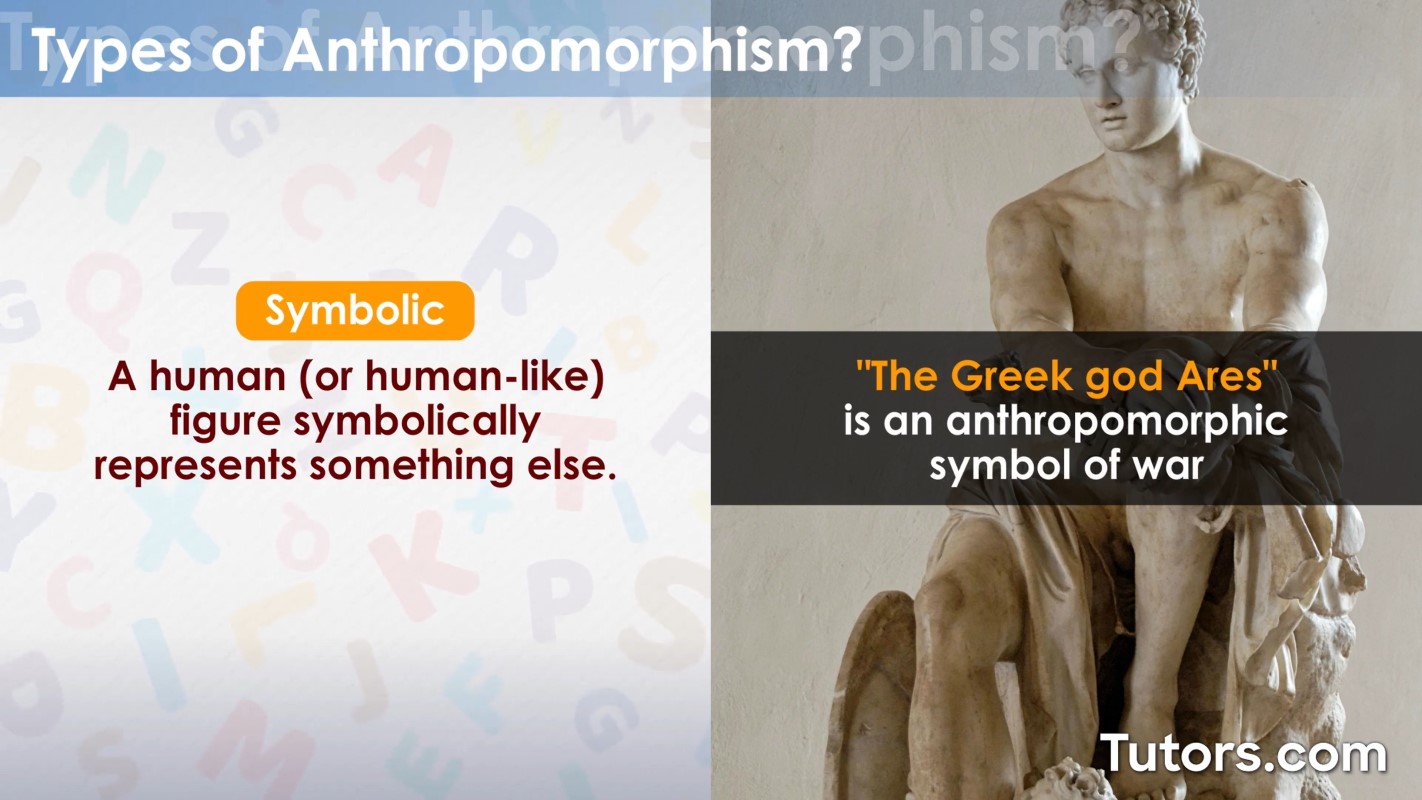
Long before science sought to explain the universe, mythology and religion relied on anthropomorphism to render the divine comprehensible. The ancient Greeks did not merely worship Zeus; they envisioned him as a capricious, all-too-human figure, complete with a temper, a love for drama, and a penchant for vengeance. Similarly, the Hindu deity Shiva is both a cosmic dancer and a meditative ascetic, embodying contradictions that mirror human experience. These portrayals are not naive projections but deliberate tools to make the ineffable relatable. By endowing gods with human flaws and virtues, cultures transformed abstract concepts like justice, fate, and creation into tangible narratives.
This tradition persists in modern spirituality. Even in monotheistic traditions where God is often described as transcendent, believers frequently resort to anthropomorphic language—speaking of God’s “hand,” “voice,” or “wrath.” Such metaphors are not literal but functional, allowing worshippers to engage with the divine on a personal level. The persistence of these tropes underscores a fundamental truth: humans are storytelling creatures, and anthropomorphism is the narrative glue that binds the sacred to the secular.
Anthropomorphism in Technology and AI
The digital age has ushered in a new frontier for anthropomorphism, particularly in the realm of artificial intelligence. From chatbots that apologize for “mistakes” to voice assistants that adopt names like “Alexa” or “Siri,” technology increasingly mimics human interaction. This is not accidental but strategic. Companies leverage anthropomorphism to reduce the cognitive load of using complex systems. A user is more likely to trust and engage with a machine that “understands” their frustration or “remembers” their preferences.
Yet this phenomenon raises ethical questions. When an AI chatbot expresses “sympathy” for a user’s distress, is it merely simulating empathy, or does it foster genuine emotional responses? Research suggests the latter. Studies on parasocial relationships—one-sided attachments to media figures—show that humans can develop emotional bonds with AI entities, blurring the line between tool and companion. This has implications for mental health, consumer behavior, and even human relationships. As AI becomes more sophisticated, the challenge will be distinguishing between authentic connection and engineered illusion.
The Dark Side of Anthropomorphism
While anthropomorphism can illuminate and comfort, it also casts long shadows. The same cognitive shortcut that allows us to empathize with a robot can lead to dangerous misattributions. For instance, the tendency to anthropomorphize animals—imagining a dog’s “guilt” when it avoids eye contact—can distort our understanding of their behavior. Similarly, anthropomorphizing natural disasters as “punishments” from a higher power can foster fatalism, discouraging proactive solutions to climate change or public health crises.

In corporate contexts, anthropomorphism can be weaponized. Brands that personify their products—think of the “M&M’s” characters or the “Geico Gecko”—create emotional associations that override rational decision-making. This is the essence of brand anthropomorphism, a marketing strategy that turns inanimate objects into relatable entities. While effective, it can also exploit consumers’ cognitive biases, leading to impulsive purchases or brand loyalty that borders on superstition.
Anthropomorphism in Art and Literature
Art and literature have long been laboratories for anthropomorphic experimentation. From Aesop’s fables, where animals debate morality, to Kafka’s Metamorphosis, where a man awakens as a giant insect, creators exploit this cognitive bias to explore the human condition. These works force readers to confront uncomfortable truths: What does it mean to be human? What separates us from the animals we emulate? By blurring these boundaries, anthropomorphism becomes a mirror, reflecting our own complexities back at us.
In visual art, anthropomorphism takes on visceral forms. Surrealist painters like Salvador Dalí depicted melting clocks and distorted figures, challenging viewers to find humanity in the grotesque. Even in abstract art, anthropomorphic tendencies emerge—critics often describe brushstrokes as “angry” or compositions as “lonely.” This reveals a paradox: anthropomorphism is not confined to representational art but permeates all creative expression, as if the human mind cannot help but see itself in the world.
Cultural Variations in Anthropomorphic Expression
The manifestations of anthropomorphism are not universal but deeply cultural. Western traditions often emphasize individual agency, leading to anthropomorphized deities who act with purpose and moral clarity. In contrast, many Indigenous cosmologies view the world as a web of interconnected spirits, where humans, animals, and landscapes share agency. The Māori concept of mauri, or life force, imbues rivers and mountains with personhood, challenging the Western dichotomy between subject and object.
These cultural differences highlight anthropomorphism’s adaptive nature. In societies where survival depends on harmonious relationships with nature, personifying the environment fosters stewardship. In industrialized cultures, anthropomorphism often serves efficiency, making technology more approachable. Yet, the underlying impulse remains the same: to find the human within the non-human, to seek connection in the face of the unknown.
The Future of Anthropomorphism: Opportunities and Risks
As we stand on the precipice of a post-human era—where AI, biotechnology, and virtual realities reshape our definitions of life and consciousness—anthropomorphism will play an increasingly pivotal role. On one hand, it offers a bridge to understanding entities that defy traditional categorization. A child learning about quantum physics might grasp the concept of “entanglement” by imagining particles as dancers in a cosmic ballet. On the other hand, unchecked anthropomorphism risks eroding our ability to distinguish reality from simulation, leading to a world where empathy is diluted by artificial constructs.
The key lies in balance. By recognizing anthropomorphism as a tool rather than a truth, we can harness its power to foster creativity, empathy, and innovation without succumbing to its pitfalls. Whether in the classroom, the boardroom, or the therapist’s office, this cognitive quirk will continue to shape human experience—if we let it.