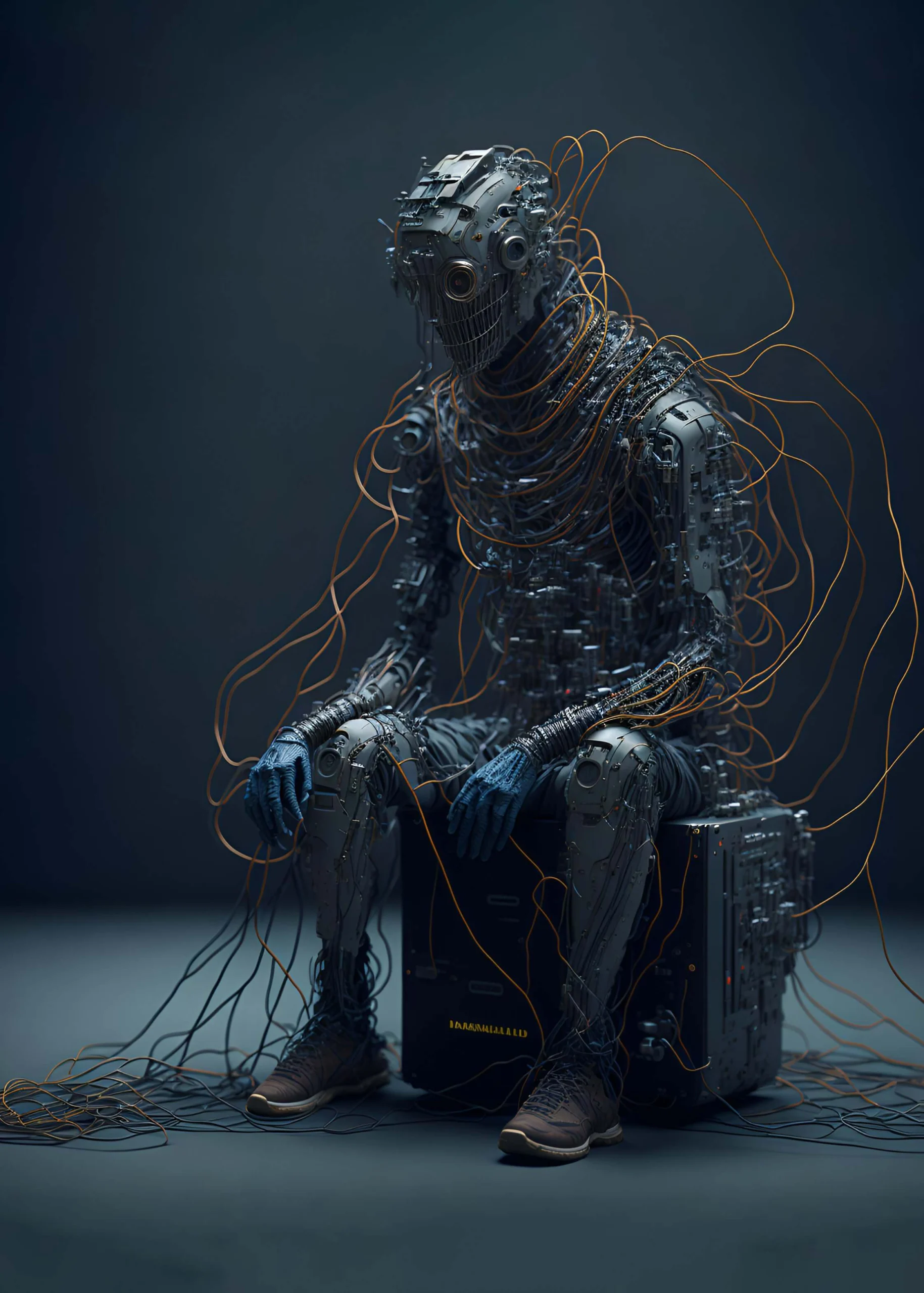
Anthropomorphism—the attribution of human traits, emotions, and intentions to non-human entities—has long been a subject of profound interest across various scientific disciplines. As neuroscience advances, this concept is increasingly pivotal in understanding not only human cognition but also the complex interactions between humans and artificial systems. The future of anthropomorphism in neuroscience research is poised to unveil nuanced insights about how we conceptualize, relate to, and integrate technology and living systems. This article explores the multifaceted dimensions of anthropomorphism within neuroscience, outlining the types of content readers can anticipate when delving into this evolving field.
Historical Context and Evolution of Anthropomorphism in Neuroscience
Tracing the lineage of anthropomorphic inquiry within neuroscience unveils a transition from rudimentary metaphors to sophisticated experimental paradigms. Early neural models, influenced by anthropocentric biases, often echoed the presumption of a homunculus overseeing brain function. This paradigm shifted as empirical methodologies evolved, discarding simplistic personifications for mechanistic and computational interpretations. Nonetheless, anthropomorphic thinking subtly persisted, particularly in the interpretation of brain-behavior relationships and empathic processes. As neuroscience increasingly intersects with artificial intelligence and robotics, this latent anthropomorphism has reemerged, demanding critical reevaluation and empirical scrutiny.
Neural Mechanisms Underlying Anthropomorphic Perception
Understanding the neurobiological substrates that enable anthropomorphic perception constitutes a foundational facet of contemporary research. Functional neuroimaging studies reveal that regions such as the temporoparietal junction, medial prefrontal cortex, and mirror neuron systems are intricately involved when humans attribute intentions or emotions to non-human agents. These neural circuits overlap significantly with those engaged during theory of mind tasks, underscoring an inherent predisposition to imbue the environment with human-like qualities. Future research aims to disentangle these neural signatures with greater specificity, examining how contextual and individual differences modulate anthropomorphic cognition.
Anthropomorphism and Empathy: Bridging Social Cognition and Neuroscience
The entanglement of anthropomorphism with empathy provides fertile ground for interdisciplinary exploration. Neuroscience research indicates that embodying human-like characteristics in robots or AI can evoke empathic responses, activating affective and cognitive components alike. This phenomenon holds profound implications for clinical neuroscience, particularly in therapeutic contexts such as social rehabilitation and mental health interventions. Detailed neurophysiological assays, including electrophysiological markers and connectivity analyses, are anticipated to deepen our comprehension of empathy’s neurodynamics when elicited by anthropomorphized entities.
Technological Advancements Enhancing Anthropomorphic Research
Emerging technologies are revolutionizing how anthropomorphism is studied within neuroscience. Virtual reality (VR) and augmented reality (AR) platforms provide immersive environments to simulate social interactions with artificial agents, enabling precise manipulation of anthropomorphic features. Concurrently, advancements in brain-computer interfaces (BCIs) facilitate real-time monitoring and modulation of neural responses during such engagements. These innovative tools allow for unprecedented granularity in capturing the interplay between neural activity and anthropomorphic cognition, paving the way for personalized and adaptive technologies.
Implications for Artificial Intelligence and Human-Machine Interaction
The infusion of anthropomorphic principles into AI design aides the development of systems that are not only functional but also relatable and trustworthy. Neuroscience research informs how human brains process and respond to anthropomorphic cues in AI, such as facial expressions, voice intonation, and behavioral mimicry. Insights gleaned from neural responses enable engineers to fine-tune these attributes to optimize user engagement and reduce cognitive dissonance. This synergy between neuroscience and AI heralds a future where machines seamlessly integrate into human social frameworks, enhancing collaboration and emotional resonance.
Ethical Considerations and Societal Impact
As anthropomorphism permeates neuroscientific research and its applications, critical ethical questions surface. There is a delicate balance between leveraging anthropomorphic cues to foster social connectivity and inadvertently engendering deception or emotional manipulation. Moreover, the potential for anthropomorphized entities to impact human cognitive development and social norms necessitates vigilant scholarship and public discourse. Anticipated content will delve deeply into these ethical dimensions, advocating for frameworks that safeguard human dignity while embracing technological innovation.
Future Directions in Experimental Paradigms and Multimodal Research
Prospective research in anthropomorphism is set to capitalize on multimodal approaches, integrating neuroimaging, behavioral assays, psychophysiology, and computational modeling. Novel experimental paradigms will examine dynamic social exchanges involving anthropomorphized systems, capturing temporal and contextual variables with heightened fidelity. Additionally, longitudinal studies aim to elucidate how prolonged interactions with anthropomorphic entities influence neural plasticity and cognitive schemas. These comprehensive methodologies promise to unravel the intricate tapestry of human perception and cognition as it relates to anthropomorphism.
Educational and Informational Content in Neuroscience Anthroponomorphism
Readers can expect a rich array of educational materials tailored to diverse audiences, ranging from introductory expositions to specialized technical discourse. Infographics and interactive modules will elucidate complex neural mechanisms underpinning anthropomorphism. Seminars and webinars may focus on translational applications for healthcare, robotics, and AI design. Furthermore, comprehensive reviews and meta-analyses will synthesize existing findings, identifying gaps and proposing novel hypotheses. This plethora of content ensures that both novice learners and seasoned researchers remain well-informed and engaged.
Cross-Disciplinary Collaborations and Integrative Frameworks
The future of anthropomorphism in neuroscience intrinsically depends on cross-disciplinary collaboration. Psychologists, neuroscientists, engineers, ethicists, and philosophers are converging to construct integrative frameworks that encapsulate biological, technological, and cultural dimensions. This holistic approach enriches the explanatory power of anthropomorphism, transcending reductionist paradigms. Readers will encounter content highlighting case studies, collaborative projects, and consortium findings that exemplify the synergistic potential of interdisciplinary inquiry.
Conclusion: Navigating the Complex Terrain Ahead
Anthropomorphism remains a compelling lens through which neuroscience can probe the essence of human cognition, social interaction, and technological integration. The future promises a proliferation of nuanced content exploring neural underpinnings, technological innovations, ethical considerations, and educational strategies. Engaging with this corpus facilitates a deeper appreciation of the ways in which humanity perceives itself through the mirror of non-human agents, shaping the trajectory of neuroscience and artificial intelligence alike.