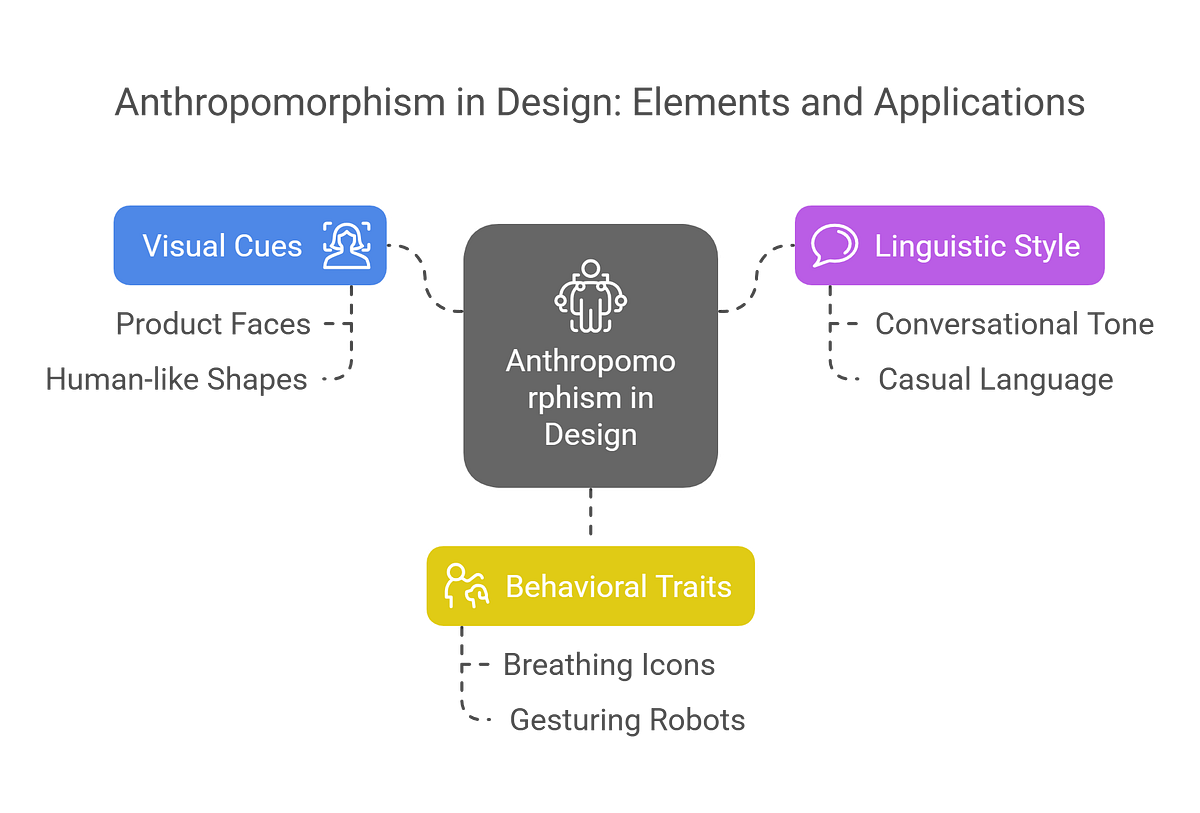
The digital realm is no longer a sterile landscape of cold code and rigid algorithms. Instead, it has evolved into a dynamic ecosystem where interfaces whisper, avatars emote, and virtual entities blur the boundaries between machine and human. This metamorphosis is fueled by anthropomorphism—the art of imbuing non-human entities with human-like traits. As we stand on the precipice of a new era, the future of anthropomorphism in digital interfaces promises to redefine how we interact with technology, transforming passive users into engaged participants in a symphony of simulated humanity.
The Rise of Digital Clones: Mirrors of Identity in a Virtual Age
Imagine a digital doppelgänger, a virtual replica of yourself capable of autonomous interaction, learning, and even decision-making. Digital clones are no longer confined to the realm of science fiction; they are becoming a tangible reality. These AI-driven entities can mimic not just your appearance but your mannerisms, speech patterns, and cognitive quirks, creating a seamless extension of your identity. In customer service, digital clones could handle inquiries with the nuance of a human agent, while in creative fields, they might collaborate on projects, offering insights drawn from your past work. The implications are profound: a future where your digital self navigates the online world on your behalf, blurring the lines between presence and proxy.
Yet, this evolution raises critical questions. How do we ensure these clones remain ethical extensions of ourselves rather than manipulative tools? The answer lies in robust frameworks that prioritize consent, transparency, and user control. As digital clones become more sophisticated, they will demand a new social contract—one that respects the sanctity of identity in an age where duplication is effortless.

Emotive Interfaces: When Machines Learn to Feel (and Show It)
Interfaces are shedding their mechanical facades to embrace emotion. Emotive interfaces leverage facial recognition, voice modulation, and behavioral analytics to detect and respond to human emotions in real time. Picture a learning app that adjusts its tone based on your frustration or a fitness tracker that celebrates your progress with a virtual high-five. These systems don’t just process data; they interpret the unspoken language of human sentiment, creating interactions that feel intuitively human.
The technology behind this is rooted in affective computing, a field that bridges psychology and AI. By analyzing micro-expressions, vocal inflections, and even typing speed, interfaces can infer emotional states and tailor responses accordingly. For instance, an e-commerce platform might detect hesitation in a user’s browsing and proactively offer assistance, transforming a potential abandonment into a conversion. However, the ethical tightrope here is precarious. Without safeguards, emotive interfaces could devolve into intrusive surveillance, turning empathy into manipulation.
Avatars and Virtual Beings: The New Faces of Digital Interaction
Avatars are no longer static profile pictures; they are dynamic, often autonomous entities that inhabit digital spaces. From gaming to virtual workplaces, these digital personas serve as our proxies, embodying our intentions and emotions in ways that text or voice alone cannot. Advanced avatars now incorporate real-time motion capture, enabling lifelike gestures and expressions that bridge the uncanny valley. In social VR platforms, users might interact with avatars that not only resemble their human counterparts but also exhibit distinct personalities, from the witty to the stoic.
The future of avatars extends beyond representation. Imagine an AI-generated companion that evolves alongside you, learning your preferences and adapting its behavior to suit your mood. These virtual beings could act as therapists, mentors, or even friends, offering a form of companionship that transcends physical limitations. Yet, the more lifelike these avatars become, the more we must grapple with their psychological impact—can a digital entity truly fulfill emotional needs, or does it risk fostering isolation in an already disconnected world?
Voice and Conversational AI: The Subtle Art of Humanizing Machines
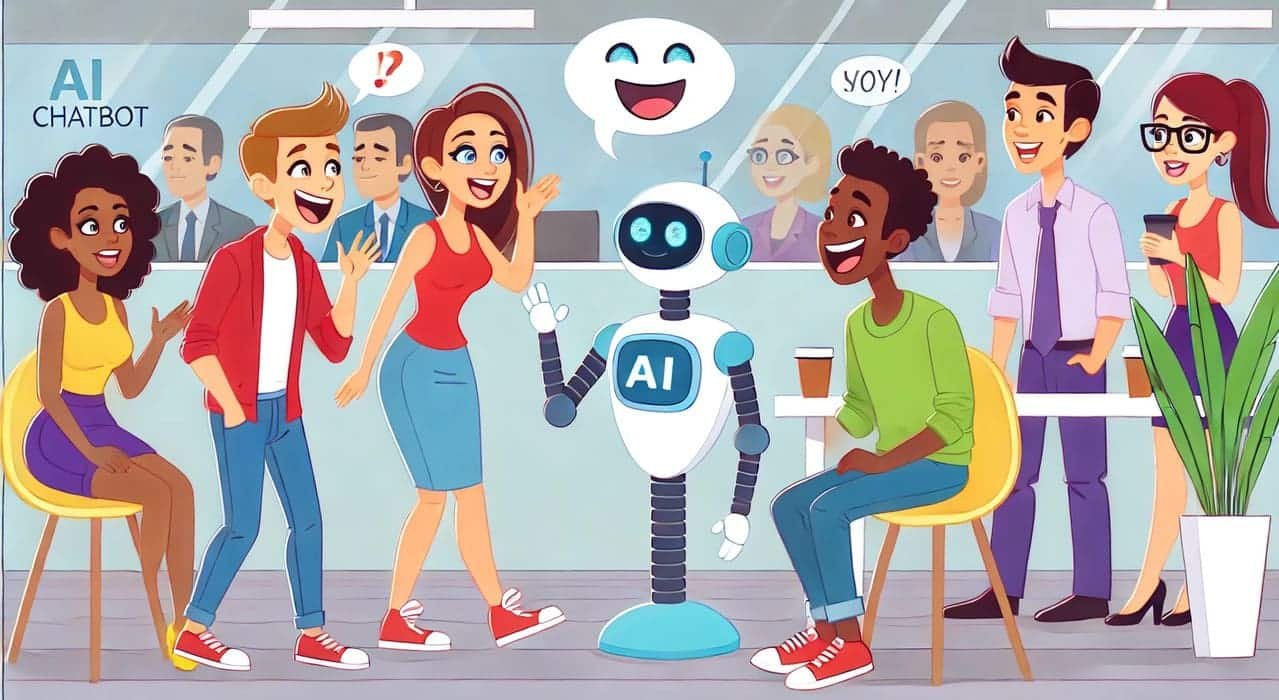
Voice interfaces have revolutionized how we interact with technology, but the next frontier is conversational depth. Modern AI assistants don’t just respond to commands; they engage in dialogue, employing humor, sarcasm, and even storytelling to create a sense of rapport. The key lies in natural language processing (NLP) that goes beyond syntax to grasp intent, context, and emotional undertones. A well-designed voice interface can make a user feel heard, not just understood.
Consider the rise of “chameleon voices”—AI that adapts its tone to match the user’s mood, switching from a calm, measured cadence during stress to an upbeat, energetic pitch when the user is sluggish. This level of personalization transforms interactions from transactional to relational. However, the challenge is ensuring these systems remain authentic. Overly synthetic voices can feel jarring, while hyper-realistic ones risk blurring the line between machine and human in unsettling ways.
Ethical Anthropomorphism: Navigating the Moral Labyrinth
As anthropomorphism becomes more pervasive, so too do the ethical dilemmas it presents. The primary concern is deception—when does a human-like interface cross the line into manipulation? A chatbot designed to mimic a human therapist, for example, could provide comfort but also exploit vulnerabilities. Transparency is crucial; users must always be aware when they’re interacting with an AI, not a person. Additionally, the data used to train these systems must be scrutinized for biases that could reinforce stereotypes or exclude certain demographics.
Another ethical consideration is the psychological impact of anthropomorphism. Studies suggest that over-reliance on human-like interfaces can erode critical thinking, as users may unconsciously defer to AI as an authority figure. Striking a balance between utility and autonomy is essential. The goal should not be to create interfaces that deceive but to design ones that empower, ensuring that anthropomorphism serves as a bridge rather than a crutch.
The Societal Impact: Redefining Human-Digital Relationships
The proliferation of anthropomorphic interfaces is reshaping societal norms around technology. We are moving from a paradigm of tools to one of companionship, where digital entities occupy roles traditionally reserved for humans. This shift has implications for education, healthcare, and even governance. For instance, AI tutors with empathetic interfaces could revolutionize personalized learning, while virtual health assistants might provide emotional support to patients in remote areas.
Yet, this transformation also challenges our understanding of authenticity. In a world where machines can simulate empathy, what does it mean to be truly human? The answer may lie in embracing the hybrid nature of these interactions—recognizing that digital anthropomorphism doesn’t diminish humanity but rather expands the ways we can connect with each other and with technology. The future is not about replacing human connection but augmenting it, creating a tapestry of interactions that are both intuitive and profound.

As we stand at the intersection of technology and humanity, anthropomorphism in digital interfaces offers a tantalizing glimpse into what’s possible. From digital clones that mirror our identities to emotive systems that respond to our feelings, the future is rich with potential. Yet, it is a future that demands responsibility, creativity, and a deep respect for the boundaries between human and machine. The journey ahead is not just about building smarter interfaces but about crafting experiences that enrich our lives, one interaction at a time.