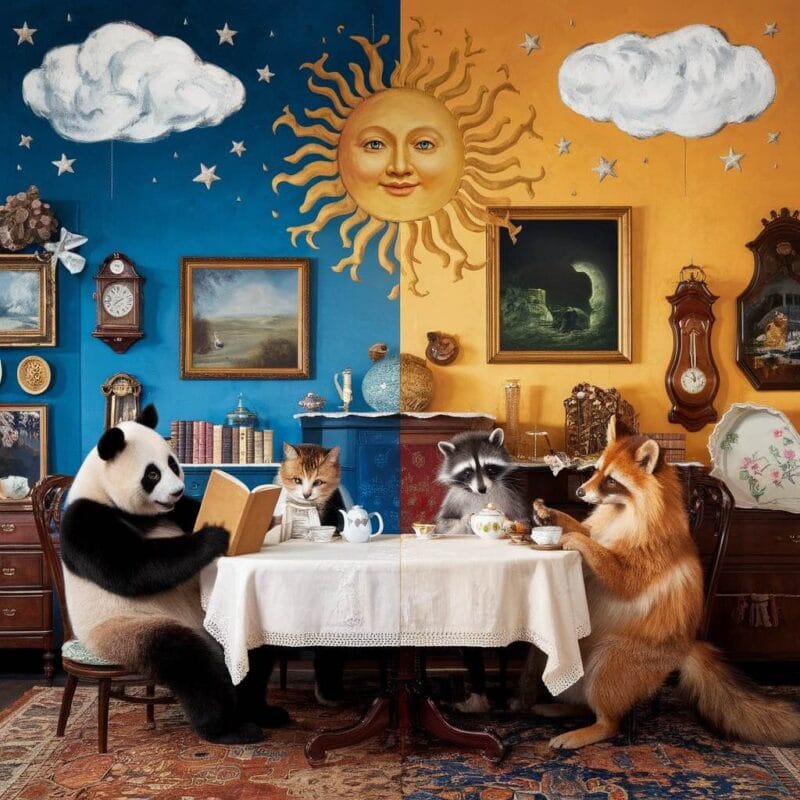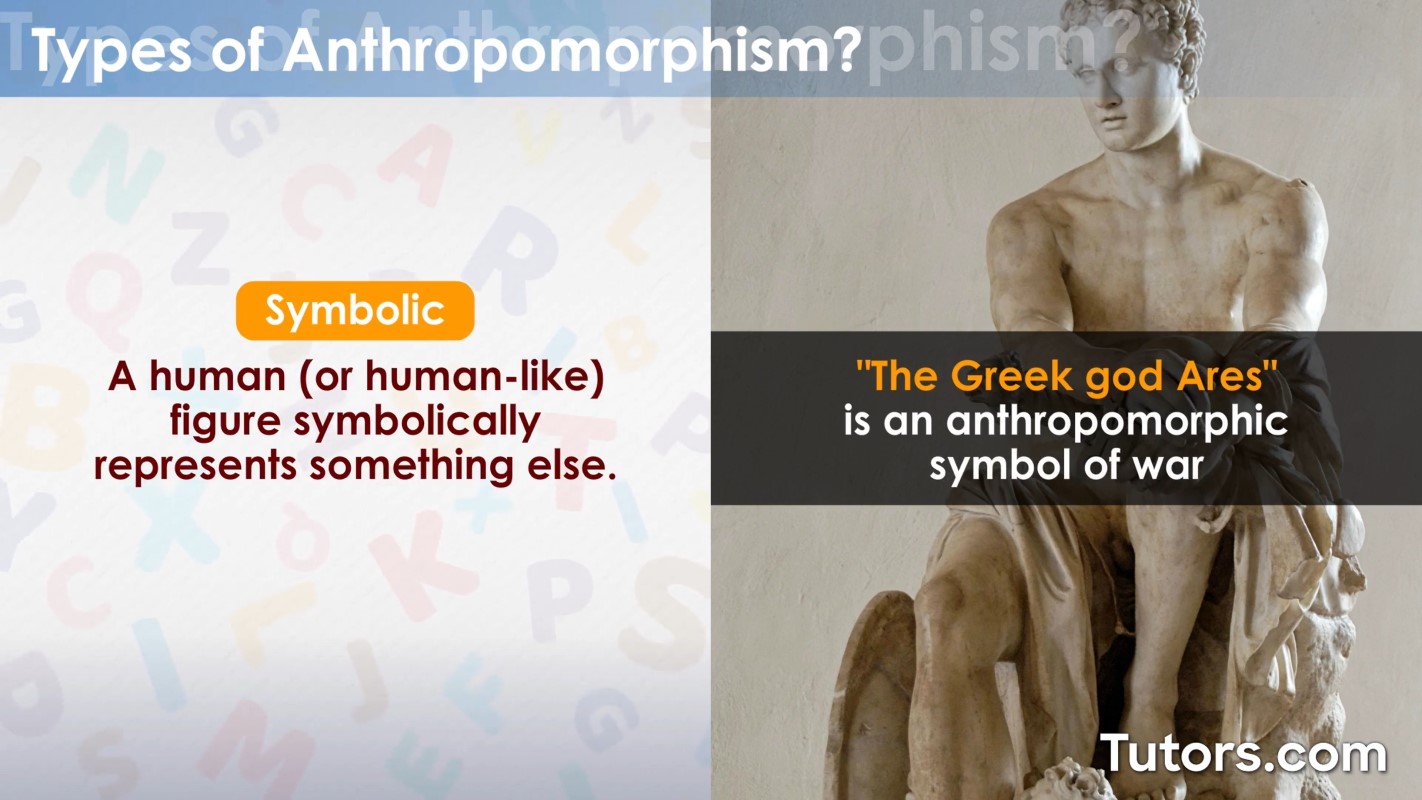
The act of anthropomorphism—the attribution of human traits, emotions, or intentions to non-human entities—has long been a cognitive shortcut, a way to navigate a world teeming with complexity. From ancient deities carved in the likeness of humans to modern AI chatbots designed with “personalities,” we cling to familiarity as a lifeline in the unknown. Yet, when this impulse veers into the realm of the absurd, when the rice dumpling chef brandishes a “wrong” sign or the Sphinx becomes a metaphor for misaligned product ownership, we glimpse a paradox: the very tool meant to simplify understanding can distort it. This is the anthropomorphic fallacy—a cognitive misstep where the line between metaphor and reality blurs, leading to misinterpretation, misplaced empathy, and even systemic dysfunction. To dissect this phenomenon is to uncover not just a quirk of human psychology, but a cautionary tale about the limits of our own projections.
The Allure of the Human Face in the Unknown
Anthropomorphism is not merely a childish fancy; it is a deeply ingrained survival mechanism. Our brains are wired to detect agency—even where none exists—because mistaking a predator for a rock is far costlier than the reverse. This hyperactive pattern recognition, while evolutionarily advantageous, often spills into domains where it has no business being. Consider the way we animate clouds into faces or imbue our cars with personalities (“she’s not starting today”). These projections are harmless in isolation, but when applied to systems, processes, or roles, they can ossify into rigid, dysfunctional frameworks. The rice dumpling chef, with his exaggerated frown and accusatory sign, is a visual shorthand for failure—a reminder that when we reduce complex systems to caricatures, we risk ignoring the nuance that defines their true nature.
This tendency is exacerbated in professional contexts, where roles like “Product Owner” or “Project Manager” become vessels for our frustrations. The Sphinx, with its riddling gaze and inscrutable demands, becomes a perfect avatar for the ambiguity of ownership. We anthropomorphize not just to understand, but to assign blame. The fallacy lies in the assumption that these roles *are* the people we imagine them to be—flawed, capricious, or incompetent—rather than the systems they operate within. The deeper fascination here is not with the entities themselves, but with our own need to externalize chaos into something tangible, even if that tangibility is a grotesque distortion.
The Cost of Misplaced Empathy
Empathy is a cornerstone of human connection, but when directed at inanimate objects or abstract systems, it becomes a liability. The anthropomorphic fallacy turns empathy into a distorting lens, where we project our emotions onto entities that cannot reciprocate. A misaligned product owner isn’t just a person making poor decisions; they become a villain in a morality play, their every action scrutinized through the lens of our own biases. This emotional investment obscures the real issues: unclear requirements, misaligned incentives, or organizational inertia. The rice dumpling chef’s “wrong” sign is a symptom, not the disease—yet we fixate on the sign, not the kitchen.
This misplaced empathy is particularly pernicious in agile and product development, where roles are fluid and responsibilities often overlap. When we anthropomorphize a Product Owner as a capricious monarch or a Scrum Master as a stern schoolmarm, we strip away the context that defines their actions. The fallacy here is twofold: we assume these roles have more agency than they do, and we absolve the system of its complicity. The result is a culture of blame rather than accountability, where individuals become scapegoats for systemic failures. The deeper issue is our discomfort with ambiguity—we crave narratives with clear villains and heroes, even when the truth is far messier.
The Tyranny of the Metaphor
Metaphors are powerful tools, but they are also traps. When we describe a project as a “journey,” we imply a linear path with a clear destination, ignoring the meandering, iterative nature of real work. When we call a deadline a “beast,” we externalize pressure into something monstrous, rather than acknowledging our own role in its creation. The anthropomorphic fallacy takes this a step further, turning metaphors into living entities with intentions and emotions. The Sphinx doesn’t just represent a problem; it *is* the problem, a sentient obstacle to be overcome. This linguistic sleight of hand obscures the fact that these “entities” are constructs, not actors.
The tyranny of the metaphor is most evident in how we discuss technology. AI is often framed as a “colleague” or “partner,” blurring the line between tool and agent. When we anthropomorphize algorithms, we risk abdicating responsibility for their outcomes. The rice dumpling chef’s “wrong” sign becomes a stand-in for a failed process, but the sign itself is not the failure—it’s the symptom of a process that wasn’t designed to adapt. The deeper issue is our reluctance to confront the non-human nature of systems. We prefer to believe that everything can be reasoned with, that every problem has a human face, even when the evidence suggests otherwise.
The Psychology Behind the Projection
Why do we cling to anthropomorphism even when it leads us astray? The answer lies in a combination of cognitive biases and emotional needs. The anthropomorphism bias is the tendency to overestimate the likelihood that non-human entities possess human-like qualities. This bias is strongest when we are uncertain or stressed, as our brains seek patterns to restore a sense of control. The illusion of intentionality further compounds the problem, leading us to believe that random events are the result of deliberate actions. Together, these biases create a perfect storm for misinterpretation.
There’s also the role of emotional regulation. When we attribute emotions to inanimate objects, we externalize our own feelings, making them easier to manage. A misaligned product owner isn’t just frustrating; they’re a tangible source of anger. This emotional distance can be comforting, but it also prevents us from addressing the root causes of our frustration. The deeper fascination here is with the way anthropomorphism serves as a psychological crutch—a way to navigate a world that often feels indifferent or hostile. The rice dumpling chef’s exaggerated expression is a mirror, reflecting our own exasperation back at us.
Breaking the Fallacy: Strategies for Clarity
Recognizing the anthropomorphic fallacy is the first step toward mitigating its effects. The key is to separate the metaphor from the reality, to acknowledge that roles and systems are not sentient beings but collections of processes, incentives, and constraints. One approach is to reframe language: instead of saying “the Product Owner is being difficult,” we might ask, “what incentives are driving this behavior?” Instead of calling a deadline a “beast,” we could examine the assumptions behind the timeline. This shift in perspective requires discipline, but it’s essential for fostering a culture of accountability rather than blame.
Another strategy is to embrace the language of systems thinking. Rather than focusing on individual actors, we can describe the interactions between components—the feedback loops, the bottlenecks, the unintended consequences. This approach demystifies the “villains” in our narratives, revealing them as nodes in a larger web. The rice dumpling chef’s “wrong” sign becomes a symptom of a kitchen where communication breaks down, not a personal failing. The deeper issue is our cultural preference for simple stories over complex truths. By adopting a more nuanced language, we can begin to dismantle the anthropomorphic fallacy and build systems that are transparent, adaptable, and humane.
The Deeper Fascination: Why We Can’t Resist the Human Face
Despite its pitfalls, anthropomorphism persists because it taps into something fundamental about the human experience. We are storytelling creatures, and stories require actors—even if those actors are constructs of our own making. The fascination with the human face in the unknown is not just about understanding; it’s about connection. When we imbue a cloud with a face or a deadline with malice, we are engaging in a dialogue with the universe, a way of asserting our place within it. The anthropomorphic fallacy is, at its core, a testament to our desire for meaning in a world that often feels indifferent.
Yet this fascination comes at a cost. When we reduce complexity to caricature, we lose the ability to see the world as it truly is. The Sphinx is not a villain; it’s a puzzle, a challenge to be solved through collaboration and iteration. The rice dumpling chef is not a fool; he’s a symbol of a process that failed to adapt. The deeper issue is not our tendency to anthropomorphize, but our reluctance to confront the limits of our own projections. To move beyond the fallacy is to embrace a world where ambiguity is not a threat, but an invitation—to question, to adapt, and to build systems that honor the complexity of human endeavor.

The Sphinx, with its inscrutable demands, serves as a potent reminder of the dangers of anthropomorphism in professional contexts. Its riddles are not the work of a capricious entity, but the result of unclear expectations and misaligned incentives.

The rice dumpling chef’s exaggerated frown and accusatory sign are a visual shorthand for the anthropomorphic fallacy—a reminder that when we reduce complex systems to caricatures, we risk ignoring the nuance that defines their true nature.”>


![Case Study: How [Comic Series] Used Anthropomorphism to Stand Out](https://anthropomorphism.org/wp-content/uploads/2026/05/San-Diego-Comic-Con-2-scaled-1.jpg)