Why Do Some People Anthropomorphize More Than Others?
May. 23, 2026
Have you ever caught yourself attributing human emotions to a storm raging outside your window, or conversely, projecting the stillness of a lake onto the
Today

May. 23, 2026
Have you ever caught yourself attributing human emotions to a storm raging outside your window, or conversely, projecting the stillness of a lake onto the
May. 22, 2026
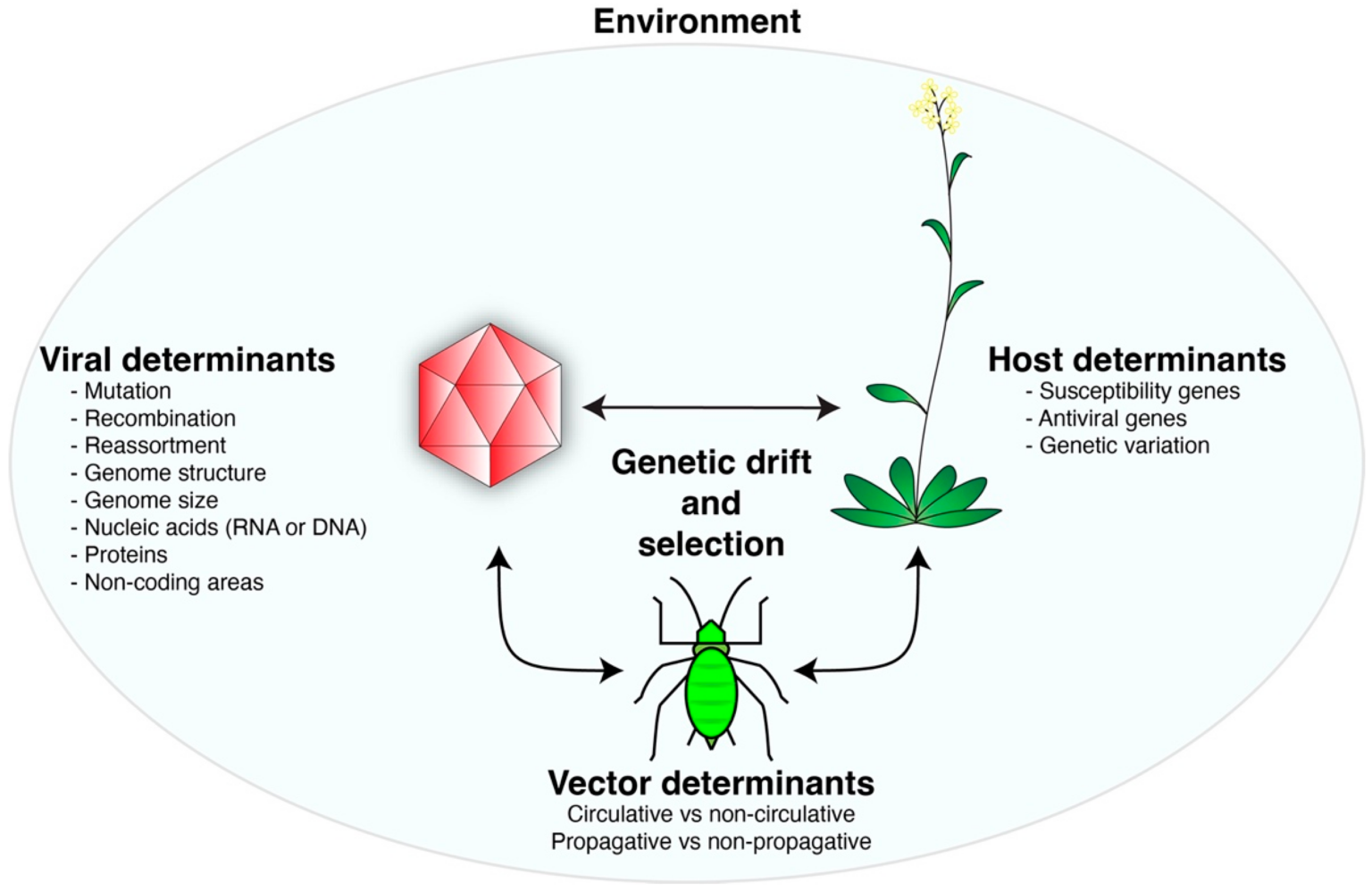
In the microscopic realm where life teeters on the precipice of existence, viruses and bacteria are not merely inert particles or simple organisms—they are entities
May. 20, 2026
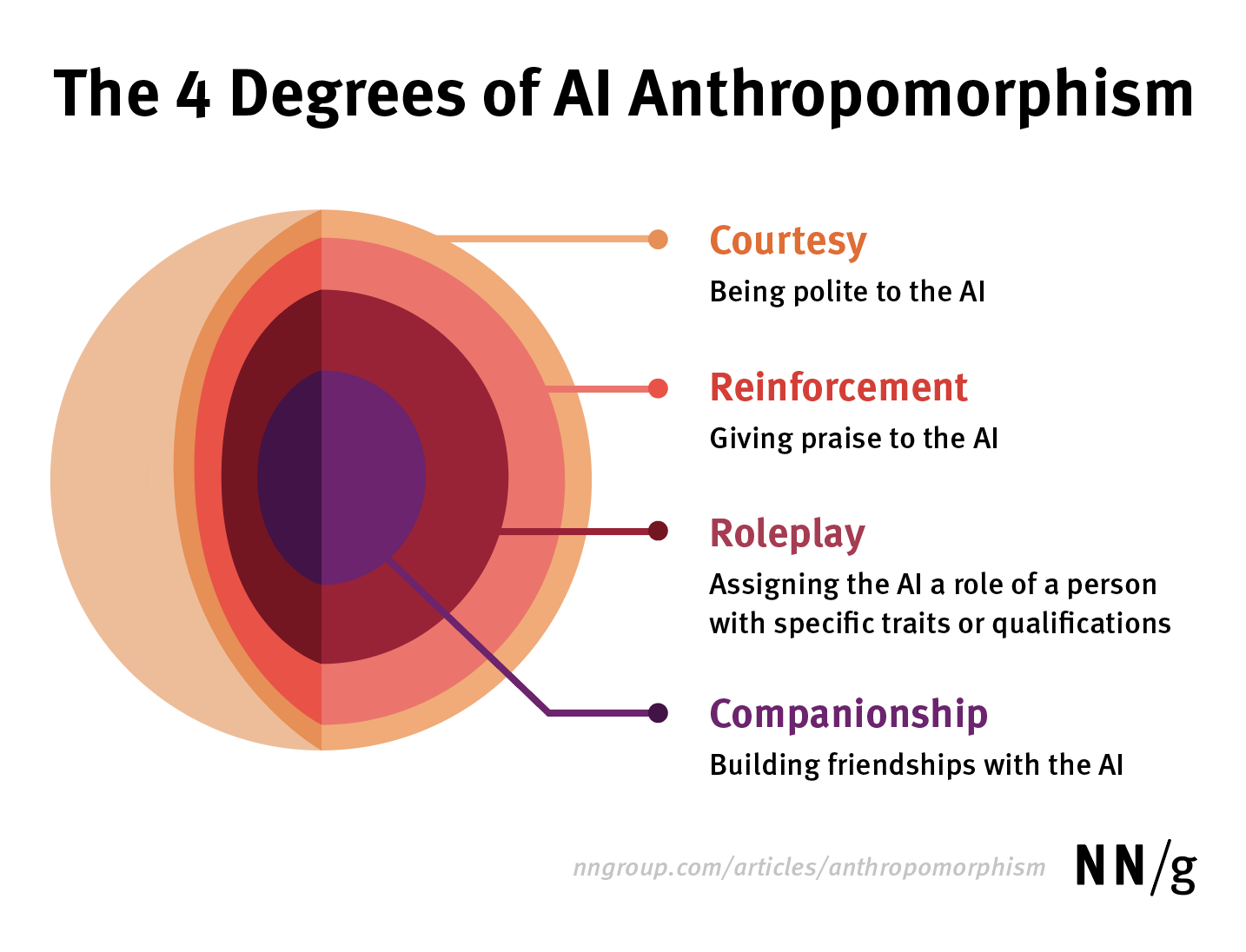
Why Do We Feel Emotions Toward AI? The Anthropomorphism Factor In the quiet hours of the night, when the glow of a smartphone screen is

May. 18, 2026
In the quiet hum of a smartphone or the soft glow of a smart speaker, a peculiar dialogue unfolds—not between two human voices, but between
May. 17, 2026
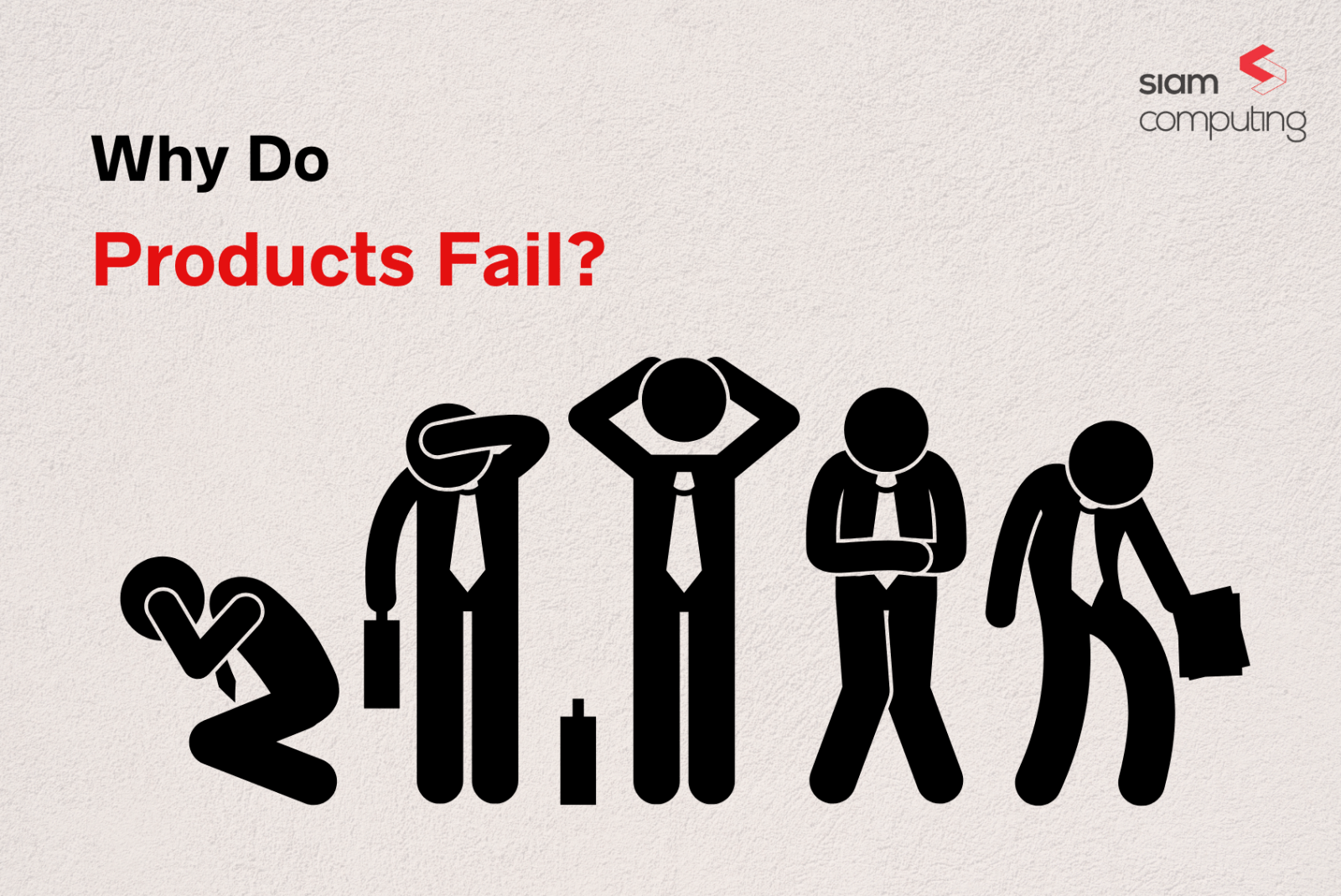
Imagine a world where every product you touch feels eerily alive—where a toaster grins at you as it burns your bread, or a vacuum cleaner’s
May. 16, 2026
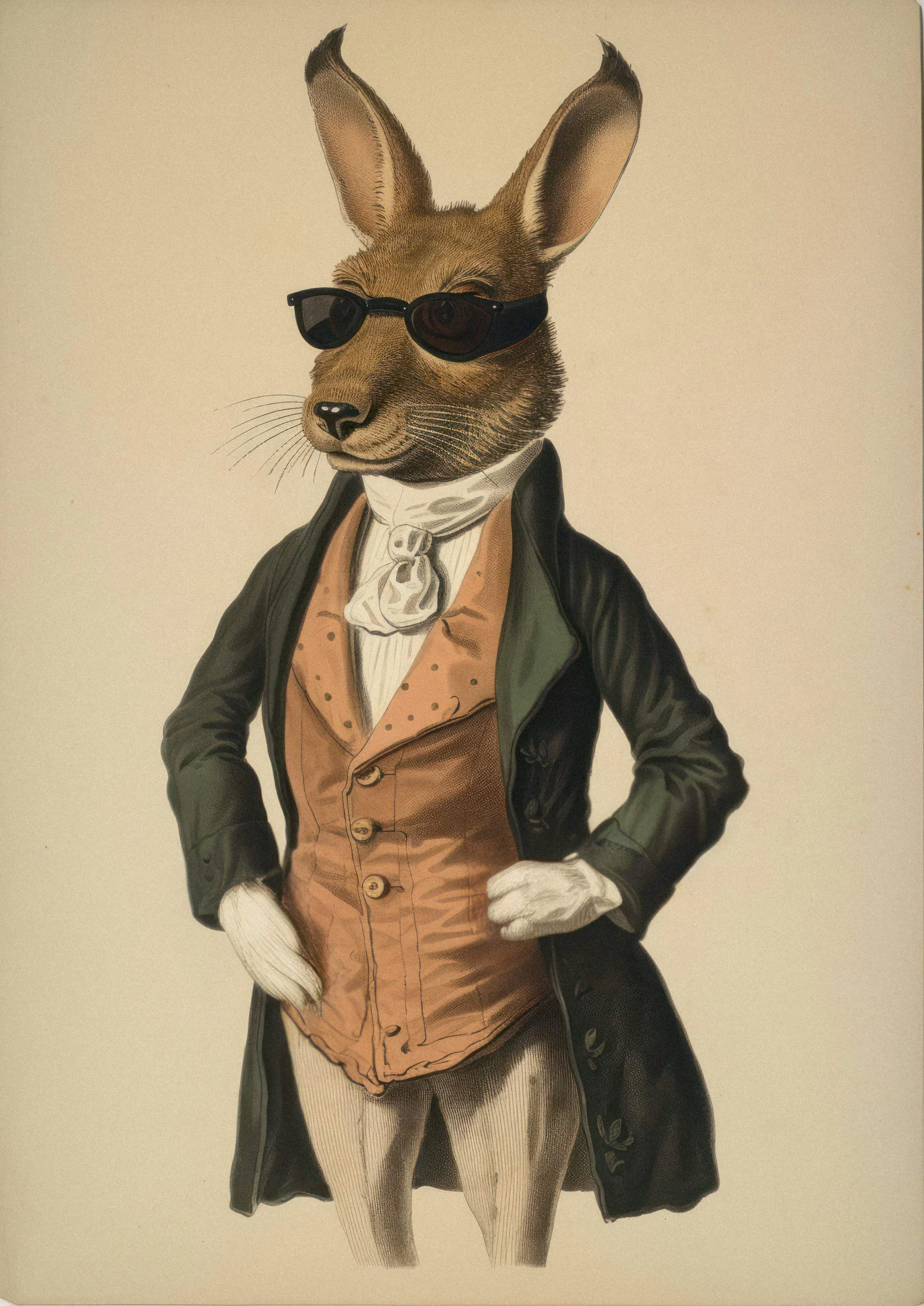
In the vast expanse of human cognition, where logic and imagination intertwine, anthropomorphism emerges as a luminous thread—a cognitive bridge that allows us to perceive

May. 15, 2026
Have you ever caught yourself apologizing to a stubborn printer or whispering apologies to a glitchy laptop, as if these inanimate objects could hear—or worse,

May. 15, 2026
In the sprawling landscape of video games, where pixels and polygons coalesce into worlds both fantastical and familiar, one phenomenon stands out with quiet persistence:

May. 14, 2026
What if the characters in your favorite video game weren’t just lines of code, but beings with personalities, quirks, and emotions? What if they could
May. 11, 2026
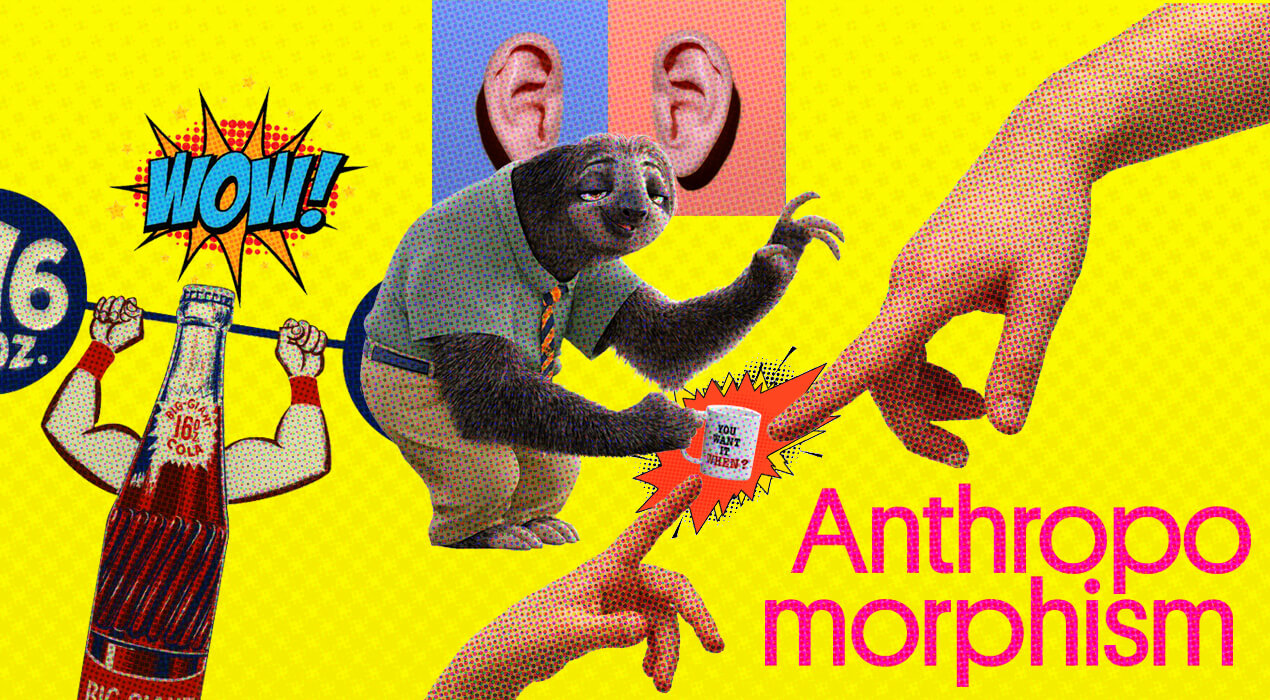
In the realm of visual communication, brands often grapple with a paradox: while anthropomorphism—the attribution of human traits to non-human entities—can foster connection, some deliberately
In the ever-evolving landscape of advertising, one psychological phenomenon has consistently proven its efficacy: anthropomorphism. The act of attributing human ...

In the liminal space where light bends to mimic life, a quiet revolution is unfolding. Holograms, once mere spectacles of ...