In the vast, neon-lit bazaar of modern commerce, where products jostle for attention like street vendors hawking their wares, a select few brands have transcended the mundane. They do not merely sell; they become. Through the alchemy of anthropomorphism, these brands transform cold, corporate entities into living, breathing personas—characters that captivate, charm, and endure. This is not just marketing; it’s mythmaking. It’s the art of imbuing inanimate objects, abstract concepts, or even entire corporations with human traits, emotions, and narratives. The result? A magnetic pull that turns casual observers into devoted followers. Let’s explore the most compelling anthropomorphic brand identities that have redefined connection in the marketplace.
The Allure of the Humanized Brand: Why Anthropomorphism Works
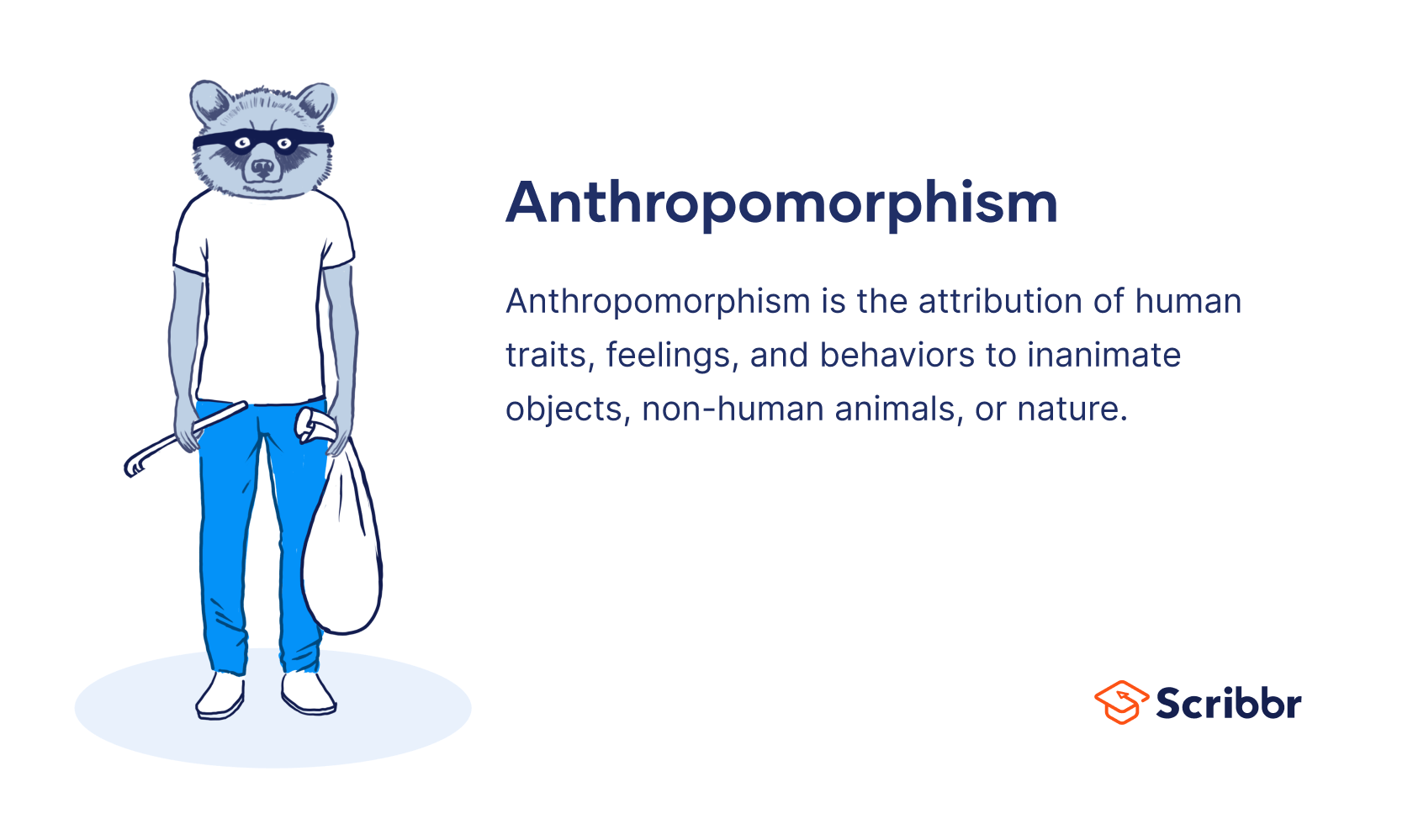
At its core, anthropomorphism is an ancient cognitive shortcut. From the earliest cave paintings to the gods of Olympus, humans have projected their own likeness onto the world to make sense of it. Brands that harness this instinct tap into a primal wellspring of relatability. When a mascot grins from a cereal box or a voice emanates from a smart speaker, we don’t just see a product—we see a companion. This phenomenon, rooted in ontological mimicry, blurs the line between object and person, fostering trust and emotional investment. Studies in consumer psychology reveal that anthropomorphized brands elicit stronger loyalty, as customers anthropomorphize in return, attributing intentions, desires, and even moral character to them. The result is a relationship that feels less transactional and more like friendship.
The Titan of Toon and Trade: Mickey Mouse and the Disney Empire
No discussion of anthropomorphic branding would be complete without the mouse that started it all. Mickey Mouse is not merely a character; he is an archetype—a cheerful, resilient everyman who embodies the spirit of optimism. Created in 1928, Mickey transcended his animated origins to become the living emblem of the Walt Disney Company. His wide eyes and boundless energy evoke childhood wonder, while his unwavering can-do attitude mirrors the brand’s promise of escapism. Disney’s genius lies in its ability to extend this anthropomorphism across every facet of its empire. Theme parks become stages where guests interact with Mickey and his kin as if they were real. Merchandise transforms consumers into walking advertisements for these beloved personas. Even corporate decisions—like the acquisition of Pixar or Marvel—are framed as expansions of the Disney “family.” Mickey isn’t a mascot; he’s a totem, a symbol of joy that unites generations.
The Tech Titan with a Soul: Microsoft’s Clippy and the Paradox of Personality
Few digital assistants have achieved the infamy—or affection—of Clippy, the once-ubiquitous paperclip from Microsoft Office. Love him or loathe him, Clippy was a masterclass in anthropomorphic branding. With his cheerful demeanor and intrusive interruptions (“It looks like you’re writing a letter!”), he personified the very essence of helpfulness, albeit in an overbearing way. Clippy’s legacy is a study in contrast: he was both a technological marvel and a source of frustration, yet he humanized software that would otherwise feel sterile. His existence proved that even the most utilitarian products could benefit from a touch of personality. Today, Microsoft’s shift to more subtle AI assistants like Cortana reflects a maturation of this principle—where personality is wielded with precision rather than pummeling. The lesson? Anthropomorphism need not be loud to be effective; sometimes, the quietest voices leave the deepest impressions.
The Cereal King’s Crown: Tony the Tiger and the Power of Voice
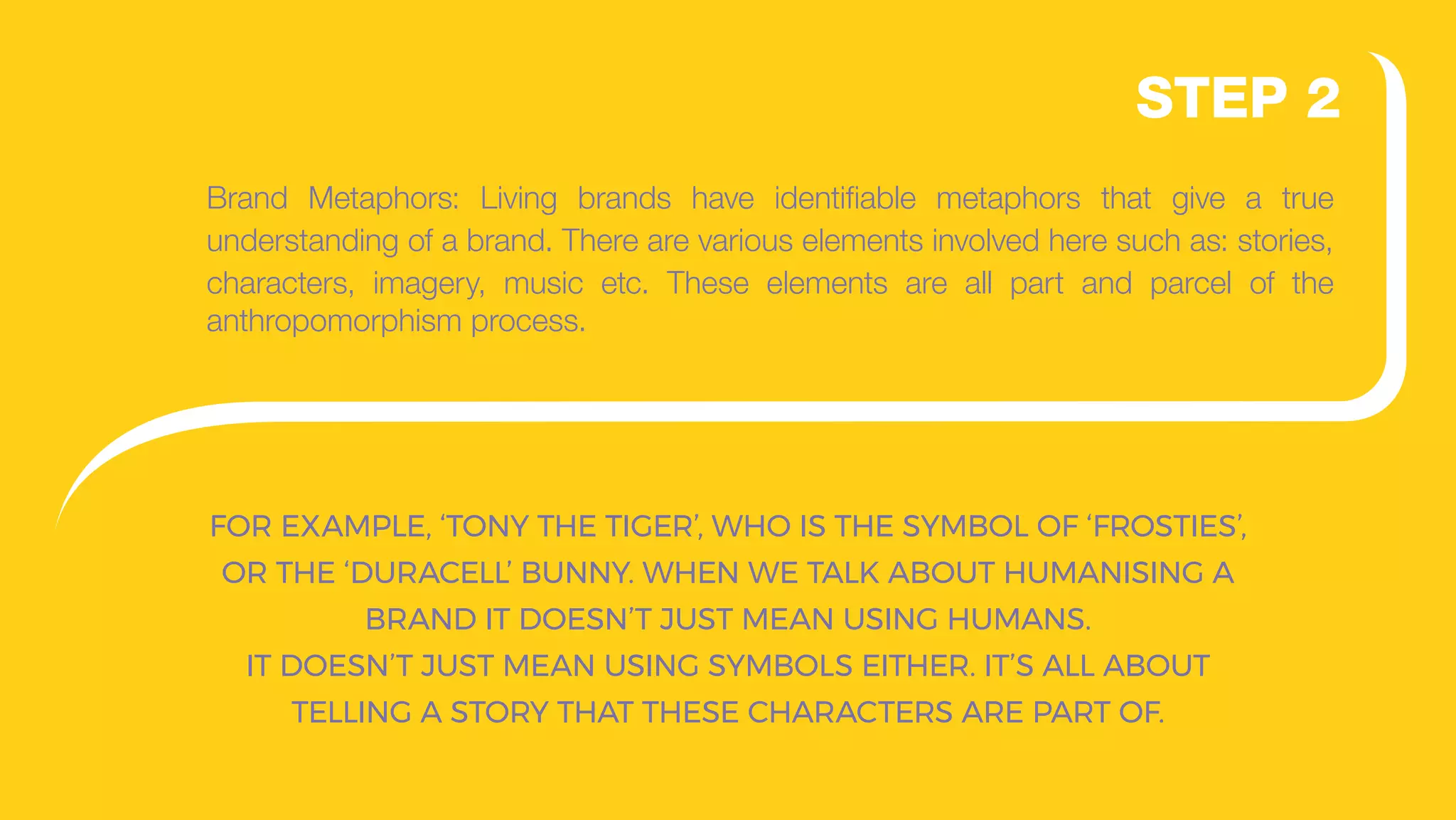
In the pantheon of breakfast-time icons, Tony the Tiger stands as a colossus. With his booming voice, athletic build, and catchphrase “They’re grrreat!”, Tony doesn’t just sell cereal—he sells vitality. His anthropomorphic traits are carefully curated: strength, enthusiasm, and a dash of mischief. Unlike static mascots, Tony’s voice—originally provided by the legendary Thurl Ravenscroft—imbues him with a larger-than-life presence. This auditory anthropomorphism is a potent tool. Research suggests that voice-activated characters can increase brand recall by up to 40%, as the human voice triggers emotional responses tied to memory and trust. Tony’s legacy endures because he doesn’t just represent Frosted Flakes; he embodies the joy of indulgence, the thrill of competition, and the warmth of shared mornings. He is a reminder that breakfast can be more than fuel—it can be an experience.
The Green Giant: From Myth to Marketplace
Few brand personas are as instantly recognizable—or as enduring—as the Jolly Green Giant. Standing tall amidst a sea of vegetables, he personifies nature’s bounty with a gentle, paternal presence. His voice, deep and resonant, evokes wisdom and care, while his towering stature commands respect. The Green Giant’s anthropomorphism is rooted in myth: he is a guardian of the harvest, a figure who transforms the mundane act of eating vegetables into a heroic quest for health. His evolution from folklore to corporate symbol is a testament to the power of narrative. By framing the brand as a steward of the earth, the Green Giant transcends his role as a product ambassador to become a cultural icon. His enduring appeal lies in his ability to make consumers feel like they are part of something greater—a community nourished by the earth’s gifts.
The Modern Alchemists: How Startups Craft Personas from Code
In the digital age, anthropomorphism has taken on new forms. Startups and tech giants alike are crafting personas from lines of code, transforming algorithms into characters with distinct personalities. Consider Duolingo’s owl, Duo, whose mischievous streak and relentless encouragement make language learning feel like a game. Or the playful, gender-neutral voice of Google Assistant, which responds to queries with a warmth that feels almost human. These modern mascots leverage the uncanny valley in reverse: by embracing imperfections—like Duo’s occasional snark or Google Assistant’s occasional mishearing—they become more relatable. The key to their success is narrative consistency. Every interaction, from error messages to celebratory notifications, reinforces the character’s personality, creating a seamless experience that feels personal rather than programmed. For these brands, anthropomorphism is not a gimmick; it’s a design philosophy.
The Dark Art of Villainy: When Brands Embrace the Shadow
Anthropomorphism isn’t always wholesome. Some of the most memorable brand personas thrive in the realm of mischief, rebellion, or outright villainy. Take the Energizer Bunny, whose relentless drumming and pink fur make him a lovable rogue, or the Geico Gecko, whose suave demeanor and dry wit subvert expectations of insurance companies. These characters succeed by playing with archetypes. The bunny is a trickster, the gecko a rogue with a heart of gold. Their appeal lies in their unpredictability—they defy the staid conventions of their industries, making them stand out. Even the most mundane products can benefit from a touch of subversion. By embracing the darker side of human nature—playfulness, cunning, or irreverence—brands can create personas that are as unforgettable as they are endearing.
The Future of Brand Personas: AI and the Next Frontier
As artificial intelligence advances, the line between human and machine continues to blur. The next generation of anthropomorphic brands will likely be dynamic, evolving entities capable of real-time interaction. Imagine a virtual assistant that doesn’t just respond to commands but learns your quirks, adapts its tone, and even develops a sense of humor tailored to your preferences. Brands like Replika and Character.AI are already experimenting with this, creating AI companions that feel increasingly human. The challenge for marketers will be to balance personalization with authenticity. Consumers crave connection, but they also value transparency. The most successful anthropomorphic brands of the future will be those that can harness the power of AI without sacrificing the human touch that makes personas feel real. In this brave new world, the brands that thrive will be the ones that treat their personas not as tools, but as friends.