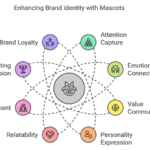
In the cacophony of modern branding, where logos jostle for attention and slogans echo like distant thunder, one element stands out with disarming charm: the anthropomorphic mascot. These whimsical, often larger-than-life characters—half-human, half-brand—inhabit our collective consciousness with a persistence that defies the ephemeral nature of trends. But why do brands cling to these quirky emissaries? What alchemy transforms a simple graphic into a cultural touchstone? The answer lies not in mere aesthetics, but in the profound psychological and emotional contracts these mascots forge with their audiences.
The Silent Ambassadors of Brand Personality
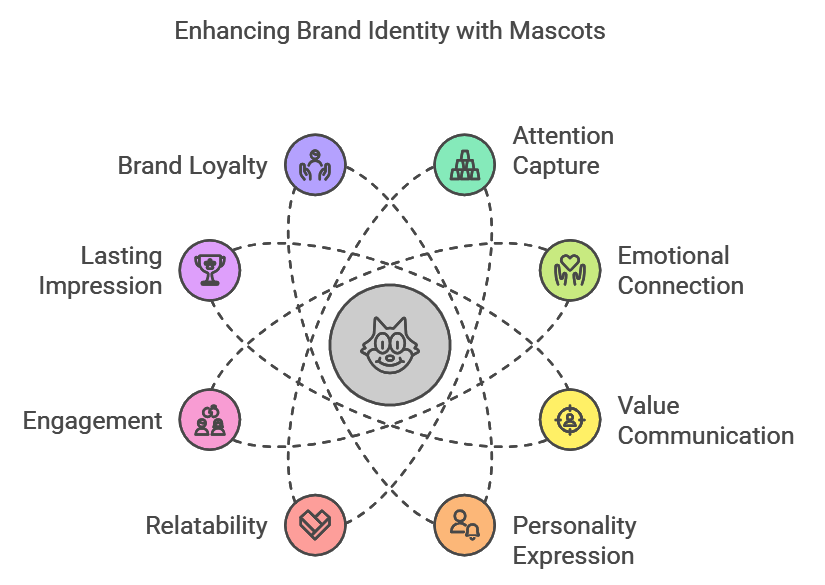
Every brand whispers a story, but few do so with the eloquence of a mascot. These characters are not mere adornments; they are the living embodiments of a brand’s ethos, translating abstract values into tangible, relatable forms. Consider the mischievous grin of the Pillsbury Doughboy or the stoic vigilance of the Michelin Man. Each is a silent ambassador, distilling a brand’s essence into a form that transcends language. They humanize corporations, endowing them with personalities that resonate on a visceral level. When a brand feels “friendly” or “trustworthy,” it’s often because its mascot has whispered those qualities directly into the consumer’s subconscious.
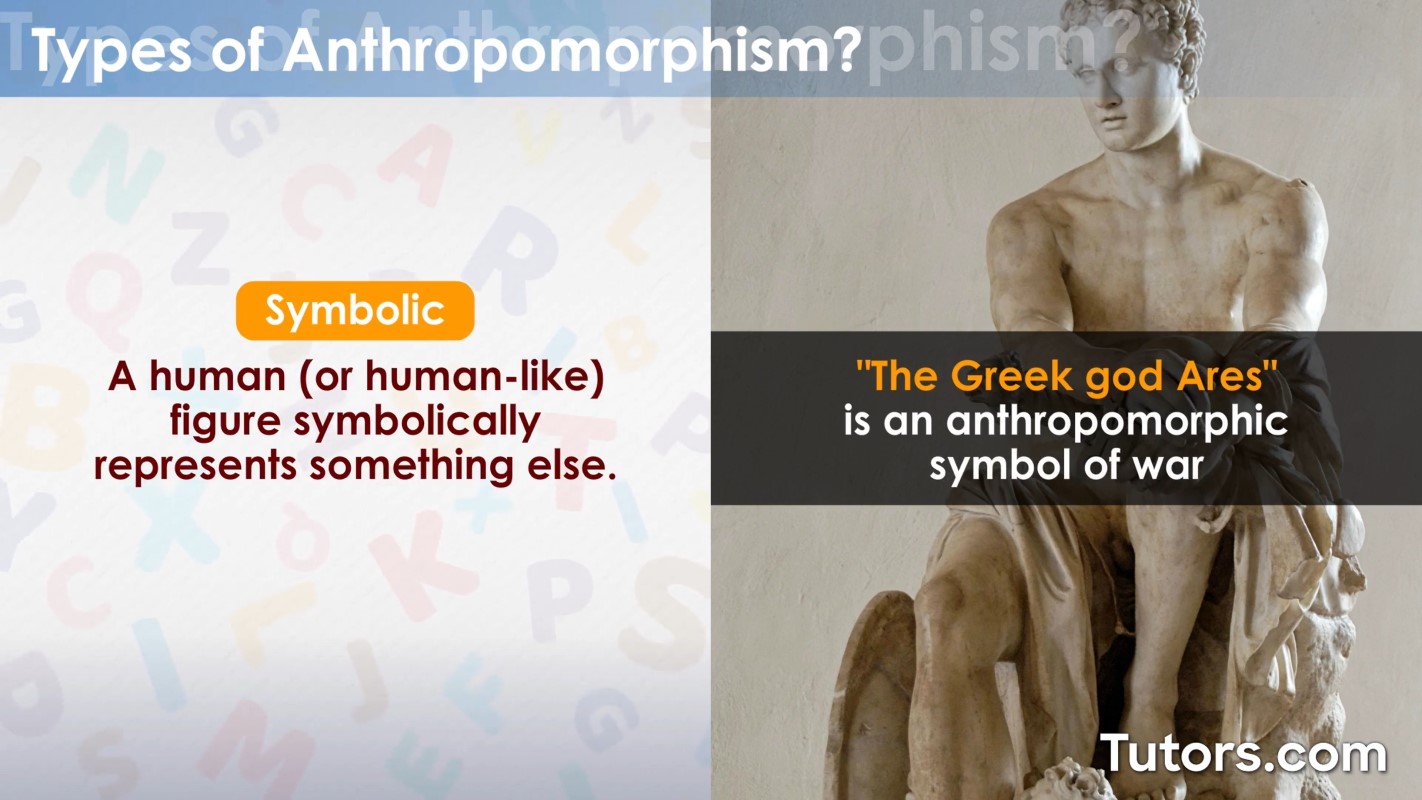
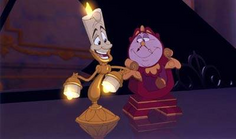
This phenomenon is rooted in the anthropomorphic bias, a cognitive shortcut where humans instinctively attribute human traits to non-human entities. Brands leverage this bias to create emotional shortcuts, bypassing the cold calculus of features and benefits. A mascot doesn’t just sell a product; it sells an experience, a feeling, a fleeting moment of connection. In an era where consumers crave authenticity, these characters serve as the bridge between corporate anonymity and personal trust.
The Alchemy of Memorability
In a world drowning in information, attention is the rarest currency. Anthropomorphic mascots are the alchemists of memorability, transforming forgettable brands into indelible mental landmarks. The human brain is wired to remember faces, especially those imbued with emotion and narrative. A mascot, with its exaggerated features and expressive antics, becomes a mnemonic device—a visual shorthand that lodges itself in the consumer’s memory like a catchy jingle.
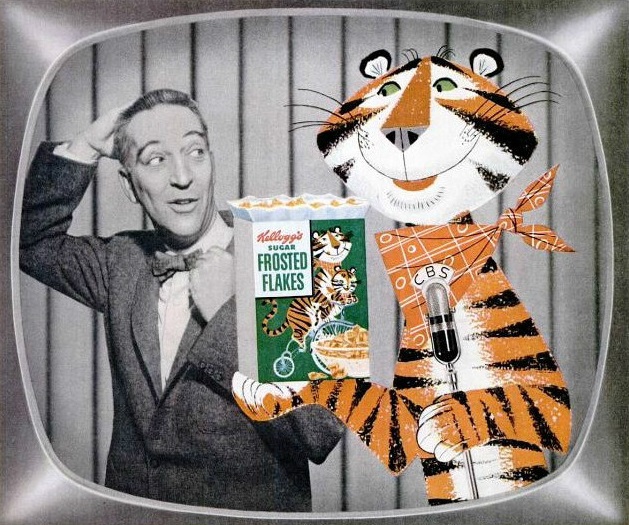
Think of Tony the Tiger, whose roar echoes through decades of cereal commercials, or the Geico Gecko, whose sly charm has outlasted countless ad campaigns. These characters don’t just occupy space in ads; they colonize the mind. Their exaggerated personas create a cognitive anchor, a mental hook that ensures the brand remains top-of-mind long after the commercial ends. In an age of fleeting digital interactions, this stickiness is nothing short of a superpower.
Moreover, mascots thrive in the age of social media, where shareability is king. A well-designed mascot is inherently photogenic, a walking meme waiting to happen. Whether it’s the viral antics of the Taco Bell Chihuahua or the meme-worthy resilience of the Duracell Bunny, these characters become cultural artifacts, spreading brand awareness through organic, peer-to-peer amplification.
Emotional Resonance: The Mascot as Emotional Proxy
Brands are not just products; they are emotional ecosystems. Anthropomorphic mascots act as emotional proxies, embodying the feelings a brand wishes to evoke. The joy of a child’s laughter in a McDonald’s ad is not just about burgers; it’s about the mascot—Ronald McDonald—who becomes the vessel for that happiness. Similarly, the rugged individualism of the Marlboro Man or the playful mischief of the M&M’s characters taps into deep-seated desires for freedom, indulgence, or companionship.
This emotional resonance is particularly potent in childhood, where mascots become the first ambassadors of brand loyalty. A child doesn’t just see a mascot; they see a friend, a confidant, a source of comfort. This early imprinting creates a lifelong association, turning casual consumers into brand evangelists. The mascot, in this sense, is not just a marketing tool but a cultural custodian, shaping perceptions across generations.
Even in adulthood, mascots continue to serve as emotional anchors. They evoke nostalgia, a powerful force in an era of rapid change. The reappearance of a beloved mascot—like the resurrection of the Pillsbury Doughboy in modern campaigns—can feel like a reunion with an old friend, bridging the gap between past and present.
The Power of Storytelling Through Mascots
Great brands are not built on products alone; they are built on narratives. Anthropomorphic mascots are the storytellers of the corporate world, weaving tales that captivate and engage. Whether it’s the heroic escapades of the Energizer Bunny or the everyday adventures of the Pillsbury Doughboy, these characters transform mundane transactions into epic sagas.
This narrative power is rooted in the hero’s journey, a storytelling framework that resonates across cultures. A mascot, like a hero, faces challenges, overcomes obstacles, and emerges victorious—all while subtly reinforcing the brand’s message. The Geico Gecko doesn’t just sell insurance; he embarks on a quest to outwit human folly, making the brand’s promise feel like a triumph of wit over adversity.

Moreover, mascots allow brands to explore complex themes in digestible, entertaining ways. The Michelin Man, for instance, doesn’t just sell tires; he embodies the promise of safety and reliability, wrapping the brand’s technical prowess in a comforting, human-like form. This storytelling prowess makes mascots invaluable in industries where trust is paramount, from finance to healthcare.
Cultural Chameleons: Mascots as Social Mirrors
Anthropomorphic mascots are not static entities; they are cultural chameleons, adapting to the zeitgeist while remaining steadfast in their core identity. They reflect societal values, fears, and aspirations, making them powerful tools for brands seeking to align with their audience’s evolving sensibilities.
Consider the evolution of the Marlboro Man, who transitioned from a rugged outdoorsman to a symbol of rebellion and freedom. Or the progressive redesigns of the Mr. Clean character, which have mirrored changing beauty standards and gender norms. These mascots are not just marketing tools; they are cultural artifacts, their transformations mirroring the pulse of society.
This adaptability allows brands to stay relevant in an ever-changing world. A mascot can be reimagined for new audiences, new platforms, and new cultural moments without losing its essence. The M&M’s characters, for instance, have evolved from simple candy spokespeople to complex personalities, each with distinct traits and storylines, ensuring they remain engaging across generations.
The Future of Mascots: Beyond the Screen
As technology advances, the role of anthropomorphic mascots is expanding beyond traditional advertising. Virtual influencers, AI-generated characters, and augmented reality mascots are blurring the lines between fiction and reality, creating new avenues for brand engagement. Imagine a mascot that interacts with consumers in real-time via chatbots, or a character that appears in your living room through AR, guiding you through a product demonstration.
This evolution presents both opportunities and challenges. On one hand, digital mascots can be infinitely customizable, allowing brands to create hyper-personalized experiences. On the other, the authenticity of traditional mascots—crafted with care and imbued with human-like charm—risks being diluted in the pursuit of technological novelty. The key will be to balance innovation with the timeless appeal of a well-crafted character.
One thing is certain: the anthropomorphic mascot is far from obsolete. In an age of digital fatigue, where consumers crave genuine connection, these characters offer a rare blend of familiarity and whimsy. They are the bridge between the cold precision of data and the warm, messy reality of human emotion.
So the next time you encounter a mascot—a grinning tiger, a sassy gecko, or a doughy adventurer—pause for a moment. Behind its playful exterior lies a carefully crafted strategy, a promise of connection, and a testament to the enduring power of storytelling. In a world that often feels impersonal, mascots remind us that brands, like people, are at their best when they have a face, a personality, and a story to tell.