What if your game’s interface could smile back at you? Not in the uncanny valley of a glitching NPC, but in the subtle, deliberate language of anthropomorphism—where buttons lean into their roles like actors in a play, and menus unfold with the grace of a dancer mid-pivot. Video game UI isn’t just a functional overlay; it’s a silent protagonist, shaping how players feel before they even press start. And at its most compelling, it borrows from the oldest trick in human communication: making the inanimate feel alive.

The Silent Pact: When UI Starts to Breathe
Anthropomorphism in UI isn’t about turning every health bar into a cartoon character—though some games do that brilliantly. It’s about leveraging our evolutionary wiring: humans instinctively attribute intention, emotion, and personality to objects that mimic human traits. A progress bar that subtly pulses like a heartbeat doesn’t just indicate completion—it feels like it’s *willing* you forward. A menu that slides in with a playful bounce doesn’t just appear—it *dances* into existence.
Consider the humble inventory screen. In many RPGs, it’s a sterile grid of icons. But in games like The Legend of Zelda: Breath of the Wild, the UI feels like an extension of Link himself. Items tilt slightly when selected. The inventory screen unfolds like a map being unrolled on a table. These aren’t just animations—they’re micro-narratives. They suggest agency. They whisper, “I’m here to serve you, but I’m also part of this world.” This creates a tacit pact between player and interface: we agree to suspend disbelief, and the UI agrees to meet us halfway with personality.
Yet, this approach isn’t without peril. Overdo it, and the UI risks becoming a carnival barker, shouting for attention. Underdo it, and the interface feels like a cold spreadsheet. The challenge? Balancing expressiveness with clarity. How do you make a menu feel alive without making it distracting? How do you let a button wink at the player without breaking immersion?

From Facial Expressions to Functional Gestures: The Grammar of UI Persona
Anthropomorphism thrives on a shared vocabulary of human expression. We recognize a raised eyebrow as skepticism, a slumped posture as fatigue, a sudden jerk as surprise. When UI elements adopt these cues, they don’t just inform—they communicate. A minimap that gently pulses when an enemy is near doesn’t just flash red; it *feels* alarmed. A dialogue box that shrinks slightly when dismissed mimics the recoil of a person stepping back—subtle, but psychologically resonant.
This grammar extends to motion. The principle of “easing” in animation—where movements accelerate or decelerate naturally—isn’t just about aesthetics. It mimics the physics of human motion. A button that snaps into place feels robotic. One that bounces once before settling feels human. Games like Hades use this to perfection: every menu transition feels like a character exhaling, a moment of respite in the chaos of combat. Even the health orb in Dark Souls pulses with a slow, organic rhythm, as if it’s struggling to stay alive—until you heal it.
But here lies a paradox: the more human the UI feels, the more it risks becoming a distraction. A health bar that sighs when low might be charming, but it could also pull focus from the actual gameplay. The key is restraint. The best anthropomorphic UI doesn’t demand attention—it earns it through harmony. It doesn’t shout; it *whispers* in a voice that feels familiar.
Narrative Camouflage: How UI Wears the Skin of the Game
Anthropomorphism isn’t just about making UI feel alive—it’s about making it feel *belong*. In narrative-driven games, the interface can become a character in its own right. In Disco Elysium, the skill tree isn’t a grid of stats—it’s a chorus of voices, each skill a distinct personality clamoring for attention. The UI isn’t just functional; it’s a dramatic device. When a skill interrupts your thoughts with a sudden exclamation, it’s not a notification—it’s a personality disorder manifesting on screen.
This technique, known as “narrative camouflage,” blurs the line between interface and story. The inventory isn’t a list of items; it’s a detective’s notebook, scribbled with clues. The map isn’t a minimap; it’s a character’s memory, unfolding as they explore. This approach transforms the UI from a utilitarian tool into a co-conspirator in the player’s journey.
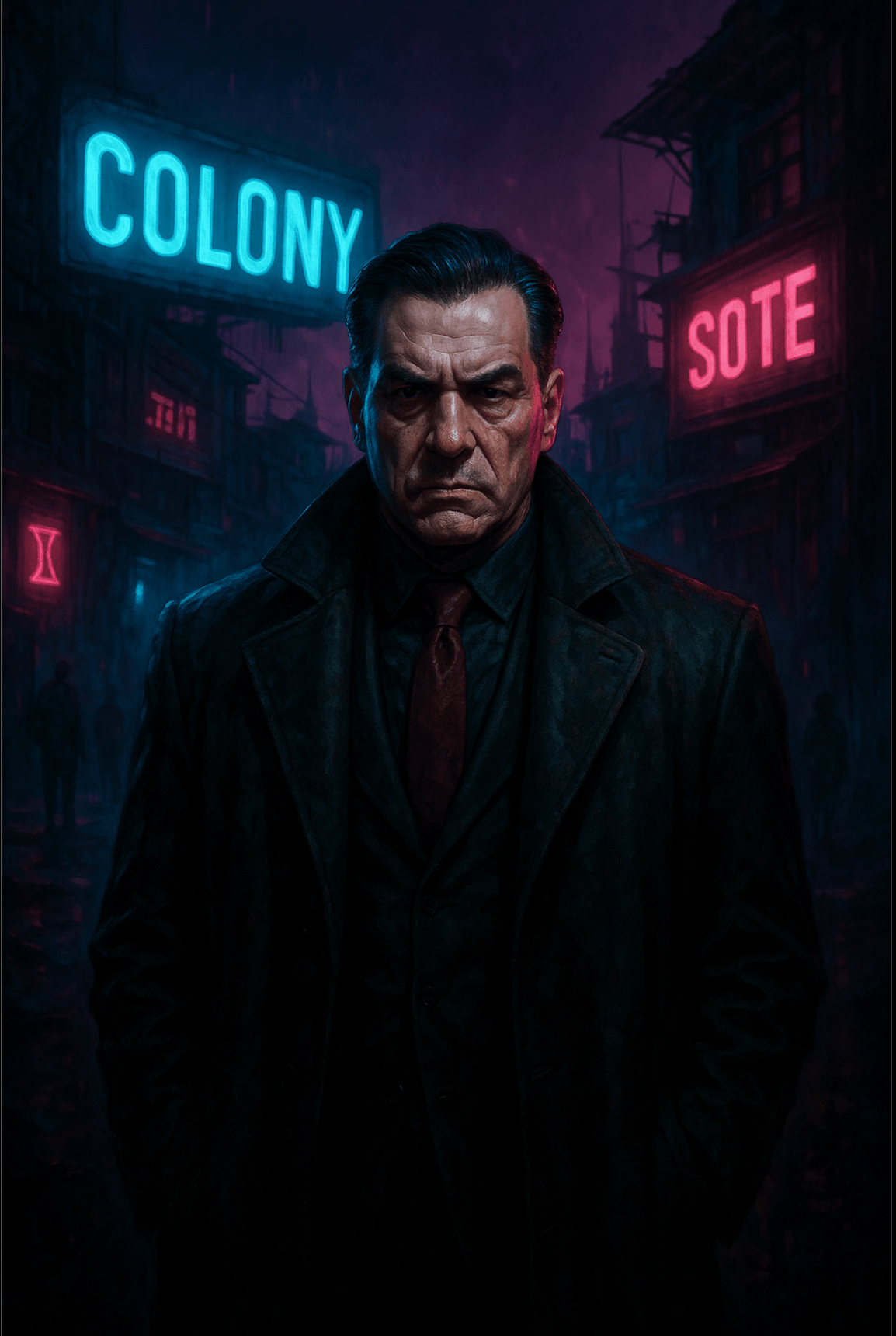
Yet, this intimacy comes with risk. If the UI’s personality clashes with the game’s tone, it can feel jarring. A whimsical, cartoonish interface in a horror game would shatter immersion faster than a jump scare. The challenge is tonal alignment: the UI’s persona must resonate with the game’s emotional core. A cyberpunk RPG might use a sleek, neon-lit UI with sharp angles and glitch effects to mirror its dystopian aesthetic. A cozy farming sim might opt for soft pastels and gentle bounces, evoking warmth and nostalgia.

The Uncanny Valley of Interaction: When UI Feels Too Real
Anthropomorphism walks a tightrope. Push too far toward realism, and the UI risks tumbling into the uncanny valley—a place where familiarity curdles into discomfort. A health bar that mimics a human heartbeat might feel reassuring—until it starts skipping beats unnaturally. A dialogue box that blinks like a person thinking might feel clever—until it stares at you with empty eyes.
This is where the challenge of anthropomorphic UI becomes most acute. The goal isn’t to create a perfect simulation of humanity, but to evoke the *essence* of it. Subtlety is the watchword. A button that subtly tilts when hovered over feels alive. One that mimics a human face feels unsettling. The difference lies in abstraction. We don’t need a UI to look human—we need it to *act* human, in the way a marionette acts human: through controlled, deliberate motion.
Games that navigate this valley successfully often rely on metaphor rather than mimicry. In Journey, the UI is nearly invisible—just a single button to make the character sing. The anthropomorphism isn’t in the interface, but in the *player’s perception*: the way the scarf billows, the way the sand shifts underfoot—these cues make the world feel alive, even if the UI itself is minimal. The lesson? Anthropomorphism works best when it’s woven into the fabric of the game, not bolted onto it.
Designing for Empathy: The Emotional Payload of UI
At its core, anthropomorphism in UI is about empathy. It’s about making the player feel seen, understood, and even cared for by the game itself. A loading screen that displays a tiny animation of the protagonist stretching or yawning doesn’t just pass the time—it makes the wait feel *personal*. A pause menu that dims the screen like a room fading into twilight doesn’t just offer options—it invites reflection.
This emotional payload is why games like Celeste use UI to reinforce their themes. The assist mode isn’t just a toggle—it’s a hug, a recognition that the player might need help. The chapter transitions aren’t just text—they’re a handwritten note from the game to the player, acknowledging their effort. Here, the UI isn’t just a tool; it’s a bridge between player and game, built on mutual understanding.
But empathy requires vulnerability. To anthropomorphize the UI is to admit that the game cares about the player’s experience—not just as a user, but as a person. This is a radical departure from traditional UI design, which often treats players as operators, not individuals. The challenge, then, is to design interfaces that don’t just function, but *feel*—interfaces that remember the player’s name, that celebrate their victories, that sigh with relief when they finally rest.

The Future: AI, Adaptive UI, and the Living Interface
As AI and adaptive systems evolve, so too will the possibilities for anthropomorphic UI. Imagine a game that learns your playstyle and subtly adjusts its interface to suit you—a health bar that grows more transparent the more you play, or a minimap that shifts colors based on your emotional state (detected via biometric feedback). The UI wouldn’t just respond to your actions; it would *anticipate* them, like a loyal companion reading your mood.
But with this potential comes new challenges. How do we ensure that adaptive UI doesn’t feel invasive? How do we prevent it from becoming a manipulative tool, nudging players toward purchases or microtransactions through subtle emotional cues? The line between empathy and exploitation is thin. The future of anthropomorphic UI lies not just in making interfaces feel alive, but in making them *ethical*—interfaces that serve the player, not the other way around.
Perhaps the ultimate goal isn’t to make UI feel human, but to make it feel *humane*. To create interfaces that don’t just mimic life, but honor it. That don’t just borrow from human expression, but give back in kind—through clarity, through beauty, and through a quiet, persistent kindness.