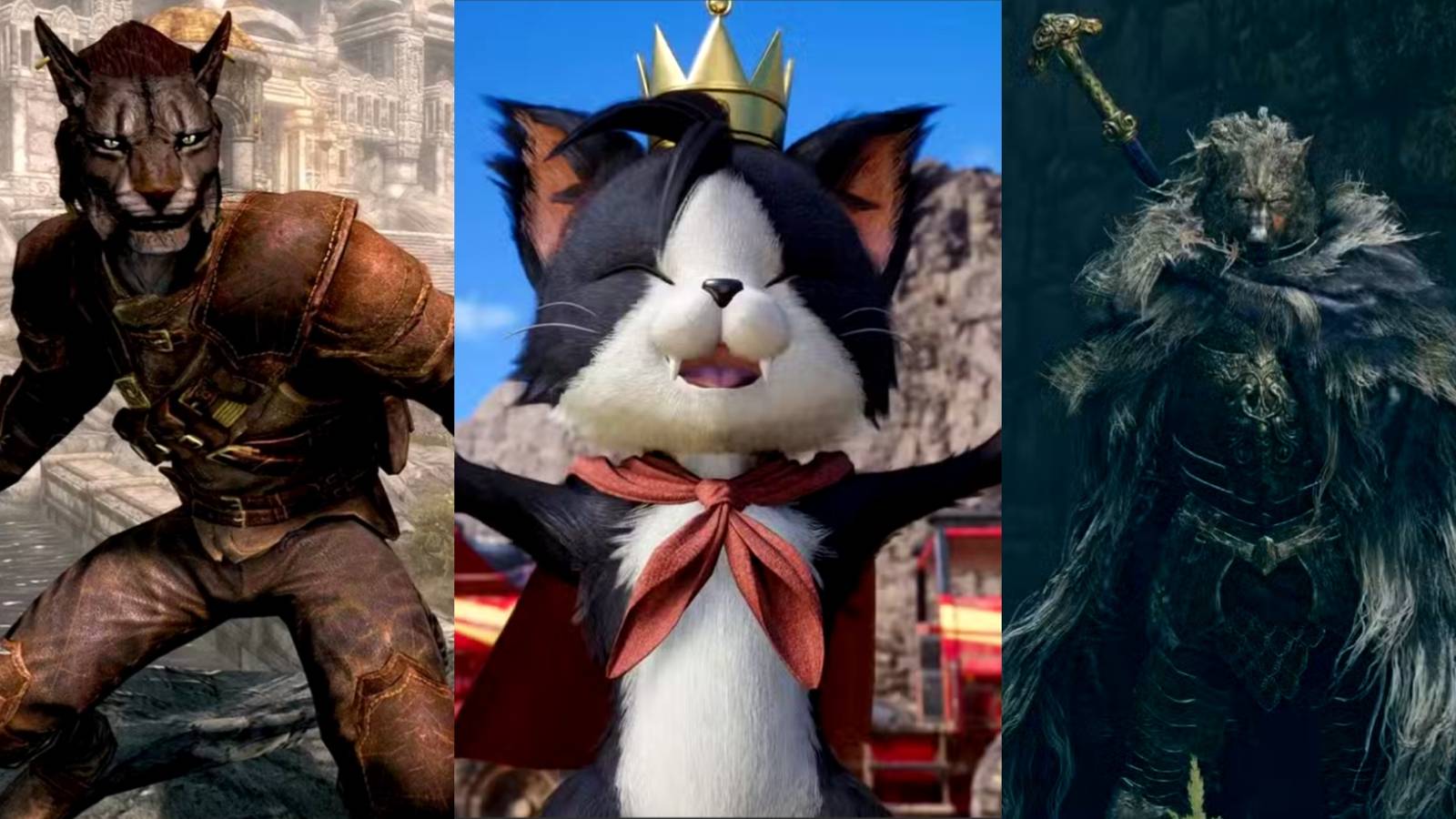
What if the gods we worshipped were not distant, ethereal beings but figures who laughed, wept, and stretched their limbs in the same ways we do? The concept of anthropomorphic deities—deities endowed with human form, emotions, and behaviors—has long been a cornerstone of mythological storytelling. Yet, when these divine figures step into the realm of poetry, their human-like qualities take on a new dimension, weaving symbolism that is as profound as it is playful. Poetry, with its capacity to distill complex ideas into vivid imagery, becomes the perfect medium to explore the paradoxical nature of gods who are both exalted and earthly. How does the poet navigate the challenge of balancing reverence with relatability when the divine wears a human face? The answer lies in the delicate interplay between symbolism and narrative, where every gesture, every pose, becomes a cipher waiting to be decoded.
The Allure of Human Form: Why Gods Wear Flesh
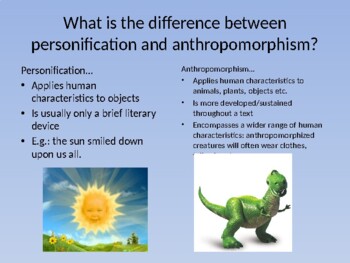
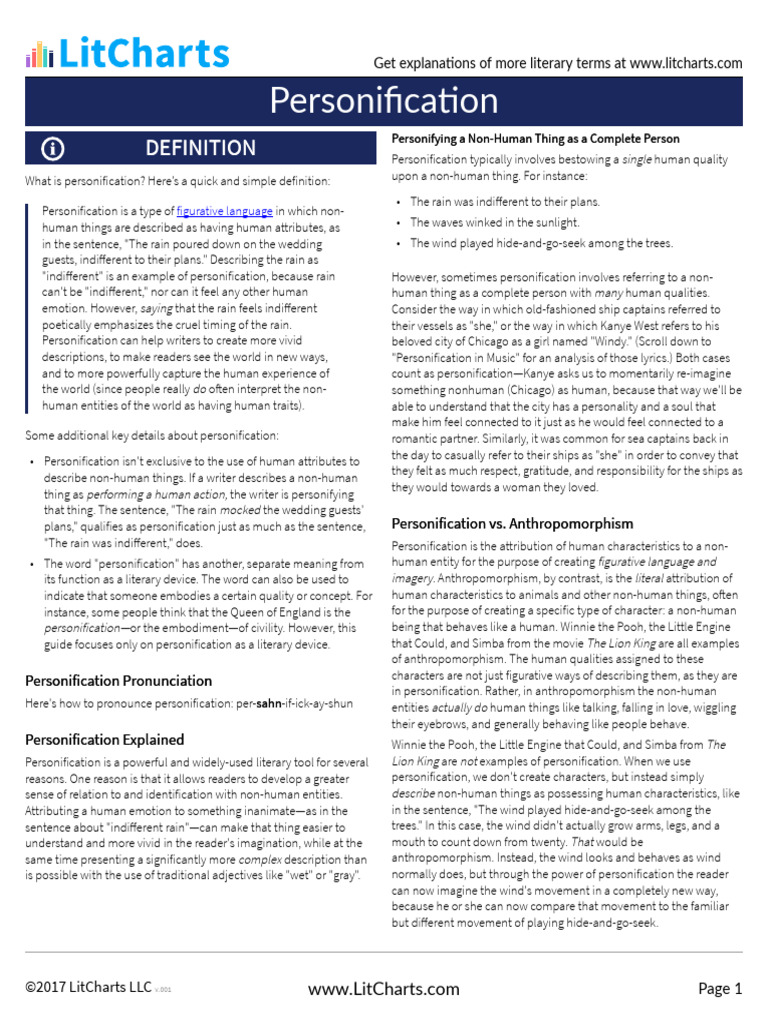
Anthropomorphism is not merely a literary device; it is an ancient psychological bridge between the incomprehensible and the familiar. When a deity is depicted with human features—whether in the contemplative gaze of a poet’s muse or the mischievous grin of a trickster god—the divine becomes tangible. This transformation serves a dual purpose: it humanizes the sacred, making it accessible, while simultaneously elevating the human experience to something transcendent. In poetry, this duality is magnified. A line like “the god stretched his arms like a farmer after plowing” does not just describe a pose; it invites the reader to feel the ache of labor, the stretch of muscles, and the quiet satisfaction of a job well done. The challenge for the poet, then, is to avoid reducing the divine to mere caricature. The symbolism must resonate with weight, not whimsy. How does one honor the sacred while reveling in the mundane? The answer often lies in the poet’s ability to juxtapose the extraordinary with the ordinary, creating a tension that feels both divine and deeply human.
Poses as Poetry: The Language of Gestures
In the lexicon of anthropomorphic deities, a pose is never just a pose. It is a declaration, a prayer, or a silent rebuke. Consider the Egyptian god Thoth, often depicted with the head of an ibis, but in poetic renderings, he might be shown holding a scroll aloft, his human-like fingers tracing the edges of ancient wisdom. The act of holding, of reaching, of cradling—these are not random choices but deliberate symbols. A deity seated in quiet repose may signify contemplation, while one caught mid-dance embodies the ecstatic union of the divine and the terrestrial. The challenge for the poet is to translate these gestures into words without losing their visual potency. How does one describe the curve of a god’s back as they kneel in supplication, or the way their fingers tremble when touched by mortal hands? The answer lies in sensory language—textures, temperatures, and the weight of movement. A well-crafted poem doesn’t just tell the reader what the deity is doing; it makes them feel the weight of the gesture, the strain in the limbs, the breath held in anticipation.
The Paradox of Divine Playfulness
Anthropomorphic deities are often mischievous, their human-like flaws making them endearing rather than distant. In poetry, this playfulness can be a double-edged sword. On one hand, it invites intimacy, as when a god is portrayed stealing honey from a mortal’s hive, their laughter ringing through the orchard. On the other, it risks trivializing the sacred, reducing the divine to a figure of farce. The poet’s task is to walk this tightrope, using humor not to diminish but to illuminate. A deity who trips over their own sandals while chasing a mortal’s shadow is not just funny; they are a reminder that divinity is not immune to the clumsiness of existence. The challenge here is tonal—how to balance levity with reverence without tipping into sacrilege. The solution often lies in the context. A god’s playful antics in a comedic poem feel different from the same antics in a hymn. The poet must be acutely aware of the audience’s expectations, using tone and structure to guide the reader’s emotional response.

From Myth to Metaphor: The Poet’s Alchemy
When a poet takes an anthropomorphic deity and transforms them into a metaphor, the result is alchemy. The god becomes a vessel for human experiences—love, betrayal, longing—rendered sacred by their divine form. Consider the Greek god Dionysus, often depicted in ecstatic dance. In poetry, he might become a metaphor for the intoxicating power of art, his thyrsus a brush dipped in wine and ink. The challenge here is to avoid reducing the deity to a mere stand-in for human emotion. The symbolism must retain its mythic weight; the god must still feel like a god, even as they embody a human truth. This requires a deft hand—enough anthropomorphism to make the metaphor relatable, but enough divinity to keep it transcendent. The poet must ask: Does the reader see the god, or do they only see themselves reflected in the god’s eyes? The most powerful poems are those that do both.
The Ethical Dilemma: Respecting the Sacred
Perhaps the greatest challenge in writing about anthropomorphic deities is the ethical weight of the endeavor. When a poet gives a god human form, they are, in a sense, claiming ownership of that divinity. The line between homage and appropriation can blur dangerously. How does one write about a deity from a culture not one’s own without reducing their symbolism to exoticism? The answer lies in research, humility, and collaboration. A poet must approach the subject with the same reverence they would accord to a living tradition. This means consulting scholars, elders, and practitioners of the faith in question. It means acknowledging the limits of one’s own understanding. The risk of misrepresentation is real, and the consequences can be profound. The poet must ask: Am I honoring this deity, or am I merely using them as a prop for my own narrative? The most ethical poems are those that listen as much as they speak.
The Future of Divine Anthropomorphism in Poetry
As poetry evolves, so too does its relationship with anthropomorphic deities. Modern poets are increasingly blending ancient symbolism with contemporary concerns, creating deities who are as likely to hold a smartphone as they are a scepter. This evolution raises new questions: Can a god who texts still be divine? Does the act of anthropomorphism lose its power in an age of digital avatars? The challenge for the poet is to keep the symbolism fresh without losing its essence. The answer may lie in the unexpected—the god who meditates in a subway car, the goddess who argues with her reflection in a rain puddle. By grounding the divine in the gritty, the mundane, and the modern, the poet ensures that the symbolism of anthropomorphic deities remains not just relevant but revelatory. The future of this tradition is not in preserving the past but in reimagining it, again and again, with each new generation of poets.