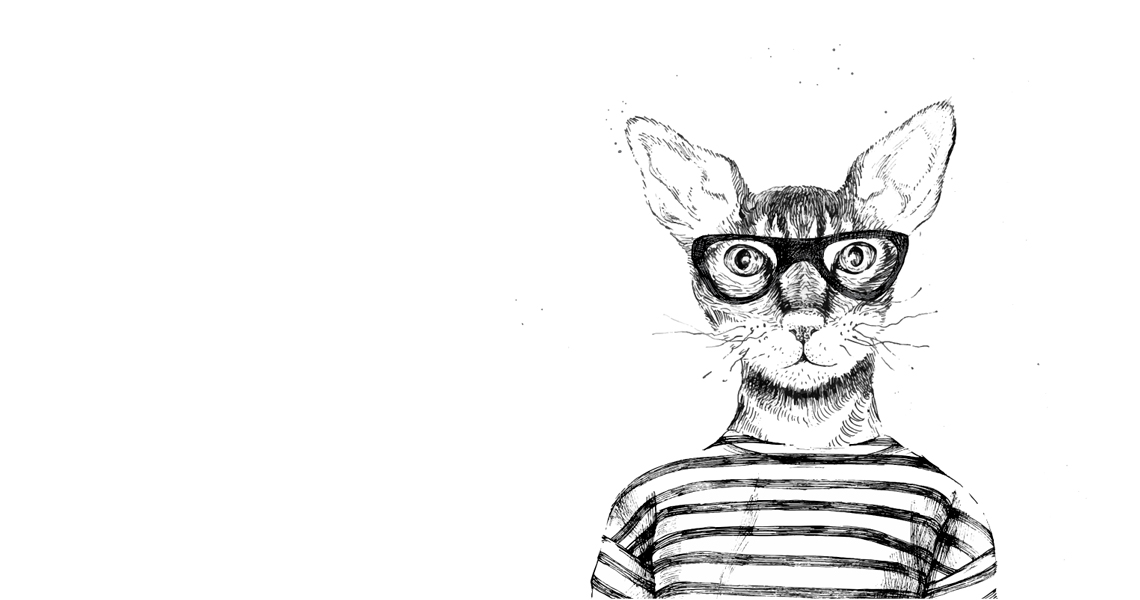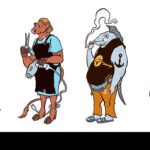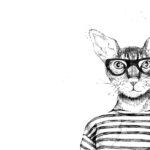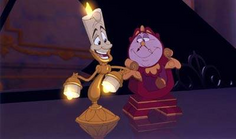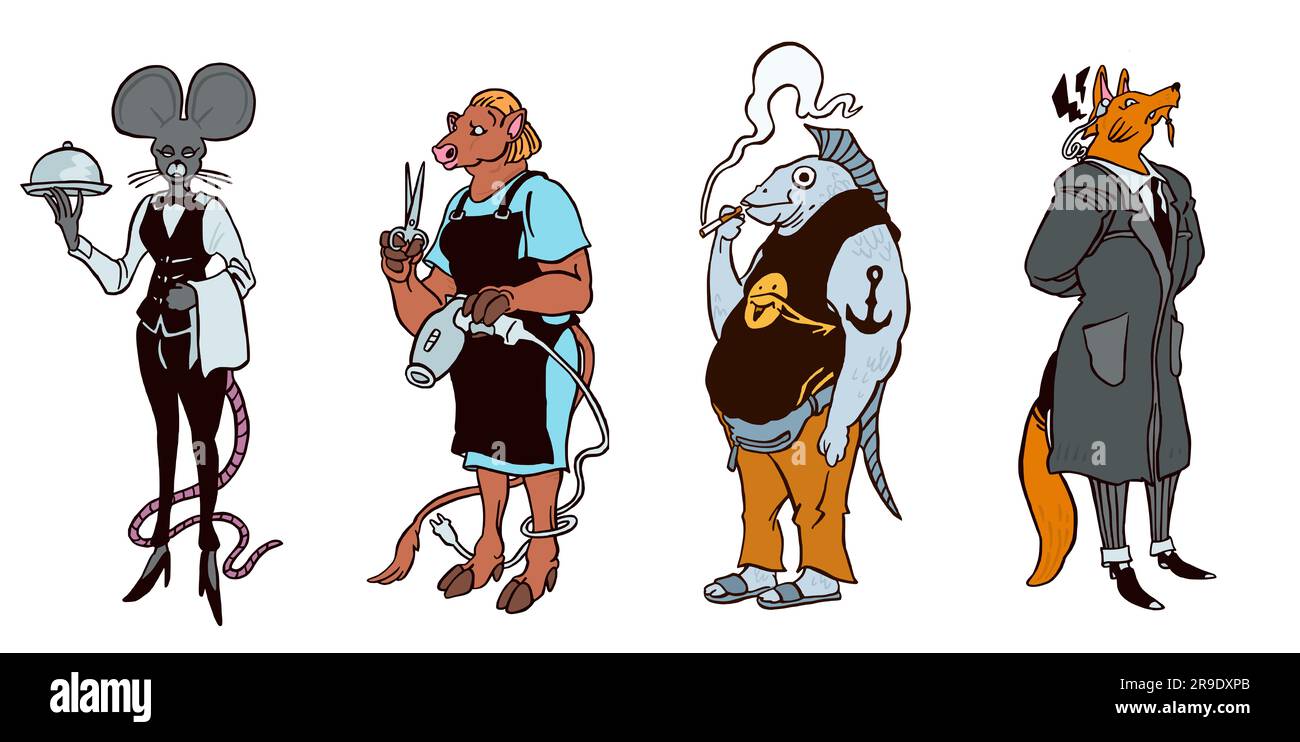
In the vibrant tapestry of comic book lore, anthropomorphic characters—beings that blend human traits with animalistic features—emerge as some of the most captivating and enduring figures. These characters, whether they stride through the neon-lit streets of Gotham or the enchanted forests of Avalon, possess an enigmatic allure that transcends mere visual appeal. They are the chimeras of storytelling, embodying the paradox of familiarity and strangeness, and their popularity among comic readers is no mere coincidence. The preference for anthropomorphic characters is a testament to their ability to mirror the complexities of human nature while offering a lens through which we can explore the boundaries of identity, morality, and existence itself.
The Allure of the Hybrid: Why We Are Drawn to the In-Between
Anthropomorphic characters exist in a liminal space, a threshold where the human and the animal coalesce. This duality is not merely a stylistic choice but a narrative device that allows creators to explore the duality inherent in all of us. Consider the fox in its dual role as both cunning predator and elusive prey; it embodies the tension between instinct and intellect, a dichotomy that resonates deeply with readers. When a comic artist renders a character like Wolverine—part man, part beast—with his claws unsheathed and his senses heightened, they are not just drawing an animalistic figure. They are crafting a metaphor for the raw, untamed aspects of humanity that lurk beneath the veneer of civilization.
The appeal of these characters lies in their ability to externalize the internal conflicts we all face. A reader might see themselves in the disciplined yet feral nature of Batman’s alter ego, Bruce Wayne, or in the untamed spirit of a character like Beast from the X-Men, who grapples with his own monstrous impulses. This mirroring effect creates a profound emotional connection, as readers recognize fragments of their own struggles in the exaggerated, yet relatable, personas of anthropomorphic heroes and villains.
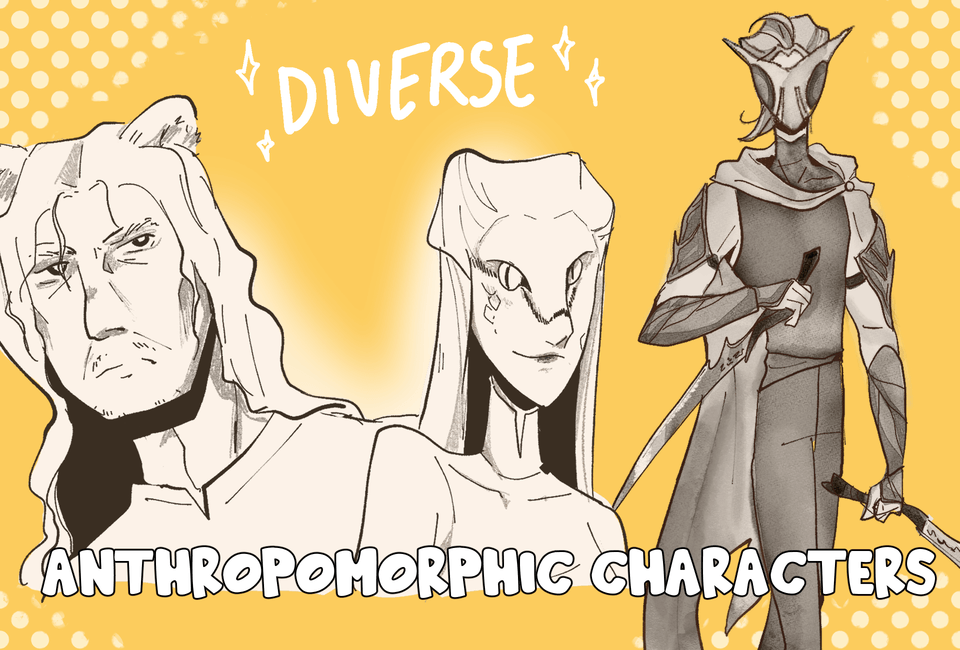
The Power of Archetypes: How Anthropomorphism Amplifies Storytelling
Anthropomorphic characters are the alchemists of narrative, transforming abstract concepts into tangible, relatable figures. They serve as living embodiments of archetypes—universal symbols that tap into the collective unconscious. The lion, with its regal bearing, becomes a stand-in for courage and leadership, while the serpent, coiled and watchful, represents temptation or danger. By endowing these creatures with human traits, storytellers distill complex themes into digestible, visceral experiences. A comic reader doesn’t just witness a battle between good and evil; they *feel* the primal clash of instincts when a wolf-like warrior defends their pack against a shadowy force.
This archetypal resonance is why anthropomorphic characters often transcend their medium. They become cultural touchstones, their stories echoing across generations. Think of the enduring legacy of characters like Mickey Mouse, whose cheerful optimism and everyman appeal have made him a global icon. Or the brooding intensity of Batman’s foes, such as the Joker, whose animalistic unpredictability mirrors the chaos of the human psyche. These characters are not just drawn—they are *remembered*, their silhouettes etched into the collective imagination like constellations in the night sky.
The Catharsis of the Beast Within: Exploring Taboo and Transgression
There is a certain thrill in the transgression of boundaries, and anthropomorphic characters offer a safe space to explore the forbidden. They allow readers to confront their deepest fears and desires without the weight of societal judgment. A character like the Hulk, with his uncontrollable rage and monstrous transformations, becomes a vessel for the reader’s own unspoken frustrations. His struggles are a cathartic release, a way to externalize the internal storms that rage within us all. In this way, anthropomorphism acts as a pressure valve, granting permission to indulge in the darker corners of the human experience.
Moreover, these characters often embody the consequences of unchecked power or the loss of control. A werewolf’s curse, for instance, is a metaphor for the fear of losing one’s humanity to addiction, obsession, or trauma. By confronting these themes through the lens of the animalistic, readers can process complex emotions in a way that feels both fantastical and deeply personal. The beast within is not just a trope—it is a mirror, reflecting the raw, unfiltered aspects of our nature that we often keep hidden.

The Aesthetic of the Uncanny: Why the Strange Feels Familiar
Anthropomorphic characters often occupy the uncanny valley, that eerie space where something is almost human but not quite. This deliberate ambiguity is what makes them so compelling. The slight tilt of an animal’s head, the way a character’s eyes reflect both intelligence and instinct—these details create a sense of familiarity that draws readers in, even as the overall form remains alien. It’s the same phenomenon that makes a well-drawn anime character feel more real than a photorealistic CGI model; the imperfections and exaggerations resonate on a subconscious level.
This aesthetic appeal is further enhanced by the versatility of anthropomorphism. A character’s animal traits can be used to convey personality at a glance. A feline character might exude grace and cunning, while a bear’s bulk suggests strength and stubbornness. These visual shorthands allow creators to communicate complex traits instantly, enriching the storytelling without relying on excessive exposition. In a medium where every line and color choice matters, anthropomorphism is a masterclass in visual storytelling.
The Community of the Outsider: Finding Kinship in the Margins
For many readers, anthropomorphic characters represent a sense of belonging, a kinship with the misunderstood and the marginalized. These characters often exist on the fringes of society, whether as outcasts, rebels, or creatures of the night. Their struggles mirror those of real-world communities that have been Othered, from LGBTQ+ individuals to neurodivergent people. A character like Nightcrawler from the X-Men, with his blue skin and demonic appearance, becomes a symbol of resilience in the face of prejudice. His journey resonates with anyone who has ever felt like an outsider, offering a narrative of acceptance and empowerment.
This sense of community extends beyond the pages of comics. Anthropomorphic fandoms thrive in online spaces, where fans create art, write stories, and build entire worlds around their favorite characters. These communities provide a safe haven for self-expression, where readers can explore their identities and connect with others who share their passions. The appeal of anthropomorphic characters, then, is not just in their stories but in the communities they inspire—spaces where the strange and the wonderful are celebrated without apology.
The Timeless Appeal: Why Anthropomorphism Endures Across Generations
The fascination with anthropomorphic characters is as old as storytelling itself. From the ancient myths of gods taking animal forms to the fables of Aesop, humans have long been drawn to the idea of merging the human and the animal. This timeless appeal is rooted in our primal connection to the natural world. Even in an era dominated by technology and urbanization, the animal within us remains, a vestige of our evolutionary past. Anthropomorphic characters allow us to reconnect with that primal essence, to remember that we are, at our core, creatures of instinct and emotion.
Moreover, these characters are infinitely adaptable. They can be reimagined for any era, any genre. A fox can be a trickster in a fantasy tale or a cunning spy in a cyberpunk dystopia. This malleability ensures that anthropomorphism remains relevant, evolving alongside the cultural landscape. Whether they are the heroes of a children’s comic or the antiheroes of a gritty noir, these characters continue to captivate because they embody the eternal dance between humanity and nature—a dance that is as old as time itself.