In the vast and vibrant landscape of children’s storytelling, one phenomenon stands out with remarkable consistency: young readers and viewers exhibit an almost magnetic attraction to characters who blur the line between human and animal, object, or even abstract concept. These anthropomorphic protagonists—be it a talking rabbit in waistcoat, a sentient teapot with a penchant for adventure, or a wise old tree that dispenses life lessons—transcend the ordinary. They do not merely populate stories; they inhabit the emotional and imaginative core of childhood. But why do children relate so deeply to these hybrid beings? The answer lies not in a single thread, but in a rich tapestry woven from psychological resonance, narrative freedom, and the unbridled joy of metaphorical play.
The Mirror of Emotional Projection: Seeing Ourselves in the Other
Children are, by nature, egocentric observers of the world. Every experience, every emotion, every confusion is filtered through the lens of their own existence. Anthropomorphic characters offer a gentle paradox: they are not us, yet they are us. A fox wearing a detective’s hat doesn’t just solve mysteries—it embodies curiosity, cleverness, and sometimes, a dash of mischief. When a child identifies with this fox, they are not projecting onto a human figure with familiar features; they are projecting onto a being that feels both alien and intimate. This duality allows for emotional distance while maintaining deep connection. The child can say, “This character feels like me,” without the vulnerability of direct self-reference. It’s a form of emotional camouflage that fosters self-awareness and empathy in equal measure.
Metaphor as a Gateway to Understanding
Metaphor is not merely a literary device—it is a cognitive bridge. Children are still constructing their understanding of abstract concepts like justice, fear, or friendship. When a grumpy old cloud named Cumulus refuses to cry rain because he’s afraid of thunder, the child doesn’t just laugh at the whimsy—they internalize the metaphor of emotional resilience. Anthropomorphic protagonists distill complex emotions into tangible, relatable forms. A grieving child might find solace in a story about a lonely lantern that learns to shine again, not because the lantern is human, but because its journey mirrors the child’s own unspoken sorrow. This process of metaphorical translation transforms the intangible into the tangible, making the abstract not only comprehensible but emotionally resonant.

The Sanctuary of the Safe Self: Exploring Identity Without Risk
Childhood is a time of identity formation, a delicate dance between self-discovery and social expectation. Anthropomorphic characters provide a sanctuary where children can explore facets of themselves without the weight of real-world consequences. A shy child might see themselves in a tortoise who learns to speak up, or a child grappling with anger might relate to a storm cloud that learns to release its energy constructively. These characters are not bound by human limitations—they can be clumsy, loud, quiet, or bold, all while remaining endearing. This freedom allows children to experiment with identity in a low-stakes environment. The anthropomorphic protagonist becomes a vessel for self-exploration, a safe harbor where traits can be tested, embraced, or even shed without judgment.
The Language of Whimsy: How Playfulness Breaks Down Barriers
Children communicate through play long before they master abstract reasoning or formal language. Anthropomorphic characters speak the universal language of whimsy—a language that thrives on exaggeration, absurdity, and boundless possibility. A teapot that goes on a quest to find its missing lid is not just a quirky premise; it’s an invitation to suspend disbelief and engage with the story on a playful level. This playfulness disarms skepticism and fosters engagement. When a child laughs at a dancing spoon or gasps at a villainous vacuum cleaner, they are not just entertained—they are practicing emotional flexibility. They learn that the world can be both serious and silly, predictable and unpredictable, all at once. This cognitive agility is a cornerstone of creative thinking and emotional resilience.
The Power of the Uncanny Familiar: When Strange Becomes Safe
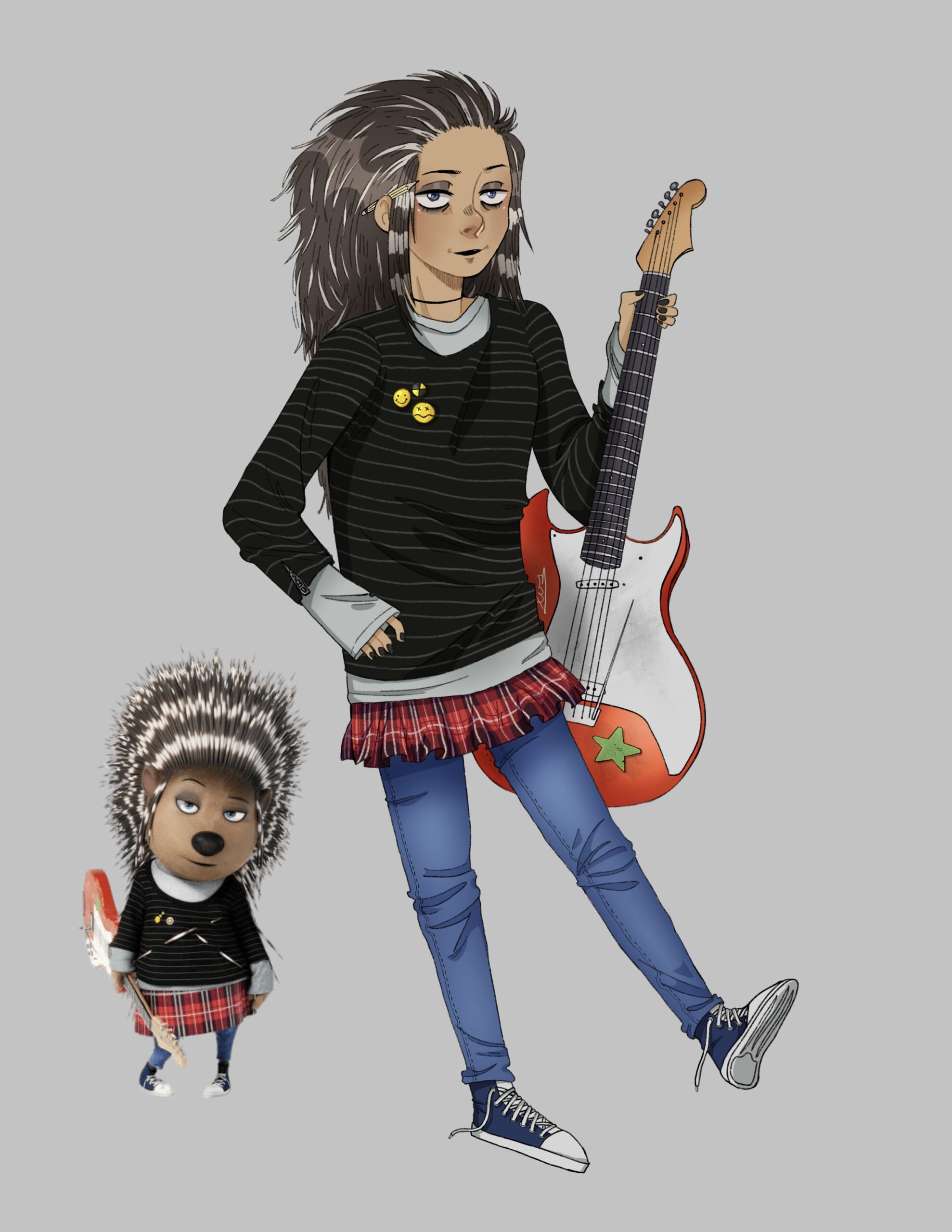
There is a peculiar magic in the uncanny familiar—the moment when something strange feels oddly known. Anthropomorphic protagonists often occupy this liminal space. They are not quite human, yet they possess human-like traits: emotions, speech, goals. This hybridity creates a sense of cognitive ease. The child’s brain recognizes patterns of human behavior in a non-human form, which triggers a sense of comfort. At the same time, the unfamiliarity of the character’s form—whether it’s a talking bear or a sentient backpack—keeps the story fresh and intriguing. This delicate balance between the known and the unknown makes anthropomorphic characters endlessly fascinating. They are like old friends wearing new disguises, offering both novelty and reassurance in the same breath.
Narrative Flexibility: The Protagonist as a Canvas for Growth
Anthropomorphic protagonists are not constrained by the physical laws or social norms that govern human characters. A tree can be a mentor. A clock can be a time traveler. A sock can embark on a journey to find its pair. This narrative flexibility allows stories to explore themes of growth, change, and resilience in ways that feel both magical and grounded. When a child sees a character evolve—whether it’s a caterpillar becoming a butterfly or a grumpy old door learning to open with kindness—they internalize the message that change is possible. The anthropomorphic protagonist becomes a living metaphor for transformation, a tangible reminder that growth is not only desirable but inevitable. This message resonates deeply with children, who are constantly navigating new stages of development and self-discovery.
The Emotional Alchemy of Empathy
Empathy is not a skill that develops in isolation; it flourishes through emotional engagement. Anthropomorphic characters catalyze this process by inviting children to step into the shoes of beings who are different yet relatable. When a child feels the frustration of a character who is misunderstood, or the joy of one who finds a true friend, they are practicing empathy in its purest form. This emotional alchemy transforms abstract concepts like kindness or perseverance into lived experiences. The child doesn’t just learn about empathy—they feel it, through the lens of a character who may be a fox, a cloud, or a forgotten toy. This embodied empathy fosters not only emotional intelligence but a deeper connection to the world and the people within it.
Conclusion: The Enduring Magic of the In-Between
Anthropomorphic protagonists endure in children’s stories because they embody the essence of childhood itself—a time when the boundaries between self and other, real and imaginary, are fluid and ever-shifting. They offer children a mirror that reflects their emotions without judgment, a playground where identity can be explored without risk, and a language of whimsy that transcends the limitations of literal speech. In the dance between the familiar and the strange, the human and the non-human, children find not only entertainment but a profound sense of connection. These characters are more than protagonists; they are companions on the journey of growing up, reminding children that the world is vast, magical, and full of possibilities—just like they are.