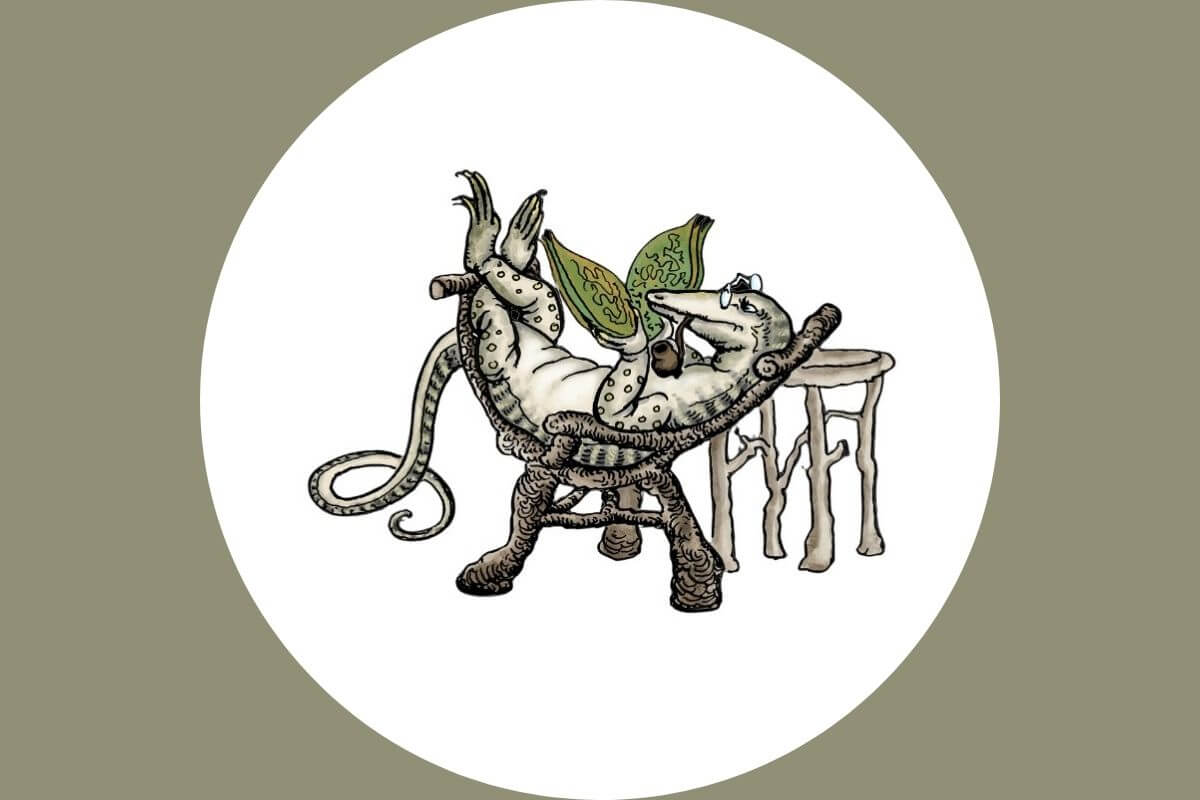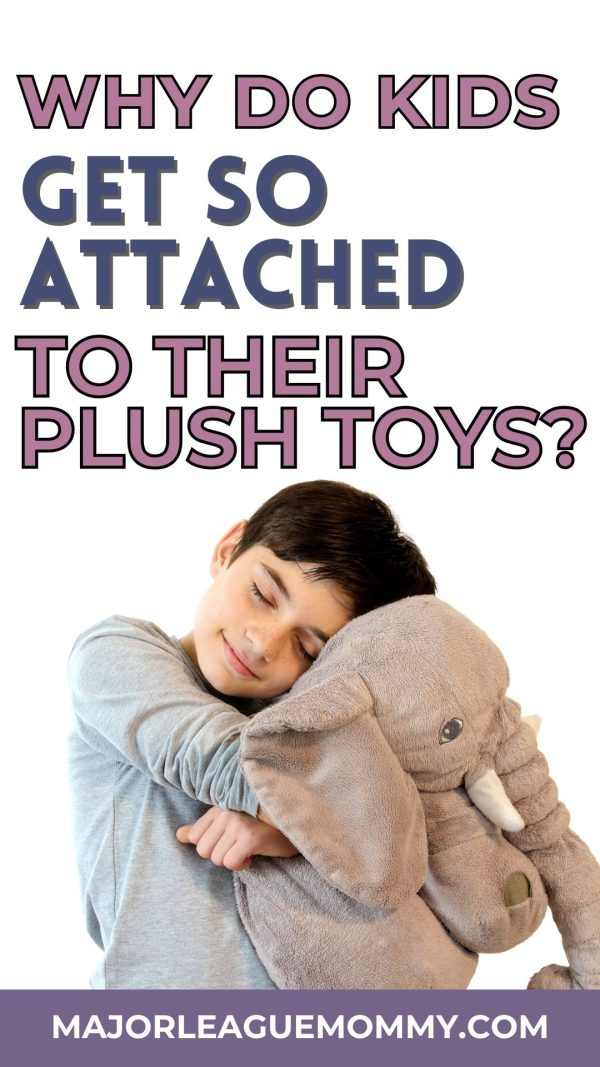
In the quiet hum of a child’s imagination, a teapot pours tea with the grace of a royal butler, a fox in a waistcoat outwits a slow-witted bear, and a storm cloud weeps silver tears over a forgotten village. These are not mere flights of fancy—they are the vivid brushstrokes of anthropomorphism, a narrative device that breathes life into the inanimate and endows animals with human traits. Children’s books, rich with such transformations, do more than entertain; they shape the very scaffolding of young minds. As young readers traverse these enchanted landscapes, they are not passive spectators but active participants in a cognitive and emotional metamorphosis. The way anthropomorphism unfolds in their favorite stories can redefine their understanding of empathy, morality, and the boundaries between self and other. This exploration reveals how these literary mirrors reflect and reframe a child’s developing worldview, promising not just a shift in perspective, but a profound reawakening of curiosity that lingers long after the final page is turned.
The Alchemy of Empathy: How Humanized Characters Cultivate Compassion
Anthropomorphism acts as a cognitive bridge, allowing children to traverse the chasm between the familiar and the foreign. When a child reads about a grieving cloud or a courageous mouse, they are not merely observing emotions—they are internalizing them. This transference of feeling is not superficial; it is an alchemical process where abstract concepts like sadness, bravery, or loneliness are crystallized into tangible, relatable experiences. Studies in developmental psychology suggest that children who frequently engage with anthropomorphic narratives demonstrate higher levels of emotional intelligence. They learn to read facial expressions, interpret intentions, and project feelings onto entities that, in reality, possess none. This imaginative empathy is not limited to human characters; it extends to animals, objects, and even natural phenomena, fostering a sense of interconnectedness with the world. A child who has felt the sorrow of a lonely tree may later pause before plucking petals from a flower, recognizing a shared vulnerability. The magic of anthropomorphism lies in its ability to make the intangible tangible, turning abstract emotions into stories that resonate deeply within a child’s psyche.
Consider the classic tale of a wooden puppet who dreams of becoming a real boy. Pinocchio’s yearning, his struggles with honesty, and his ultimate redemption are not just moral lessons—they are emotional trials that a child experiences vicariously. Through Pinocchio, they confront the consequences of deceit and the redemptive power of truth, all while wrapped in the safety of a fantastical narrative. This emotional rehearsal is invaluable; it allows children to navigate real-life dilemmas with a heightened sense of empathy and resilience. The boundaries between self and other blur, and in that dissolution, a child discovers the profound truth that emotions are universal, transcending species and form.
Moral Cartography: Navigating Right and Wrong Through Fictional Lenses
Children’s literature often employs anthropomorphism to distill complex moral concepts into digestible, memorable narratives. A talking animal or a sentient object becomes a vessel for exploring virtues like kindness, justice, and perseverance. When a child witnesses a selfish rabbit hoard carrots while a generous squirrel shares his bounty, the moral lesson is not preached—it is lived. This narrative technique transforms abstract ethical principles into concrete, emotionally charged experiences. The child does not merely hear about generosity; they feel its warmth through the squirrel’s actions and its absence through the rabbit’s stinginess. This embodied understanding of morality is far more potent than didactic instruction, as it engages both the heart and the mind.
Anthropomorphism also allows for the exploration of nuanced moral dilemmas without the weight of real-world consequences. A child can grapple with the ethics of a fox who tricks a bear in a story, all while knowing that in reality, such deception is wrong. This imaginative play with morality serves as a sandbox for ethical reasoning, where children can experiment with different outcomes and consequences. It teaches them that actions have repercussions, that intentions matter, and that redemption is possible. Through these stories, children learn to navigate the moral landscape with a keener eye, developing a moral compass that is both flexible and resilient.
The Mirror of Identity: Discovering Self Through Other Forms
Anthropomorphism in children’s books often serves as a mirror, reflecting back to young readers aspects of their own identity and experiences. When a child sees themselves in a character—a shy tortoise who overcomes adversity, a mischievous cat who learns the value of responsibility—they are not just entertained; they are affirmed. This reflection can be particularly powerful for children who feel marginalized or misunderstood. A story about a dragon who is feared for his difference can resonate deeply with a child who feels out of place in their own skin. Through anthropomorphism, children are given permission to explore their identities in a safe, imaginative space, free from the constraints of reality.
Moreover, anthropomorphic characters can act as guides, helping children navigate the complexities of growing up. A wise old owl who dispenses advice, a playful puppy who teaches the value of friendship—these characters become mentors in the child’s journey toward self-discovery. They provide a framework for understanding emotions, relationships, and personal growth. For instance, a story about a young bird learning to fly can parallel a child’s own struggles with independence and self-confidence. The anthropomorphic narrative becomes a metaphorical scaffold, supporting the child as they build their sense of self.
The Cognitive Crucible: Stimulating Imagination and Critical Thinking
Anthropomorphism is not merely a tool for emotional and moral development—it is a catalyst for cognitive growth. When children encounter characters that defy the laws of nature, their brains are forced to reconcile the impossible with the possible. This cognitive dissonance stimulates imagination and encourages flexible thinking. A child who ponders how a teapot can pour tea with human-like grace is not just daydreaming; they are engaging in a form of mental gymnastics that strengthens their creative muscles. This imaginative exercise is essential for developing problem-solving skills and innovative thinking, as it trains the mind to see beyond the obvious and explore new possibilities.
The cognitive benefits of anthropomorphism extend beyond creativity. It also enhances a child’s ability to understand and interpret symbolic language. When a storm cloud weeps, a child learns to decode the metaphorical meaning behind the literal action. This skill is foundational for reading comprehension, as it allows children to grasp abstract concepts and themes in literature. Furthermore, anthropomorphic narratives often employ irony, satire, and allegory—literary devices that require a higher level of cognitive processing. By engaging with these stories, children develop a more sophisticated understanding of language and narrative structure, preparing them for the complexities of advanced reading and critical thinking.

The Social Scaffold: Fostering Connection and Communication
Anthropomorphism in children’s books also plays a pivotal role in social development. Stories that feature talking animals or personified objects provide a shared vocabulary for children to discuss emotions, relationships, and moral dilemmas. When a child says, “The bear was so sad because his friend left,” they are not just retelling a story—they are practicing empathy and articulating their own feelings. This shared language fosters social connection, as children bond over their interpretations of the narrative and the emotions it evokes. It also encourages open communication, as children feel more comfortable discussing complex topics when they are framed within the context of a story.
Moreover, anthropomorphic characters can serve as social bridges, helping children navigate interactions with peers and adults. A child who struggles to express their emotions may find it easier to discuss their feelings through the lens of a character’s experiences. For example, a child who is anxious about starting school might relate to a character who overcomes their fears and makes new friends. This indirect approach to social learning allows children to process their emotions and develop coping strategies in a non-threatening environment. The stories become a safe space for experimentation, where children can rehearse social scenarios and refine their interpersonal skills.
The Lingering Echo: How Anthropomorphism Shapes Long-Term Perspective
The influence of anthropomorphism in children’s books is not confined to the pages of a story—it lingers in the recesses of a child’s mind, shaping their worldview in subtle yet profound ways. The lessons learned through these narratives become part of the child’s internal dialogue, influencing their decisions, relationships, and outlook on life. A child who has grown up with stories of compassionate animals and wise objects is more likely to approach the world with curiosity and empathy. They are more attuned to the emotions of others, more willing to explore new ideas, and more resilient in the face of adversity. The anthropomorphic stories of their childhood become a lens through which they view the world, coloring their perceptions and guiding their actions.
This lingering echo is particularly evident in the way children interact with the natural world. A child who has read about a grieving forest or a polluted river brought to life through anthropomorphism is more likely to develop a sense of stewardship for the environment. They see the world not as a collection of inanimate objects but as a tapestry of interconnected, sentient beings. This perspective fosters a deeper appreciation for nature and a commitment to preserving it. The stories they read as children become the foundation for their environmental consciousness, shaping their actions and attitudes as they grow into adulthood.