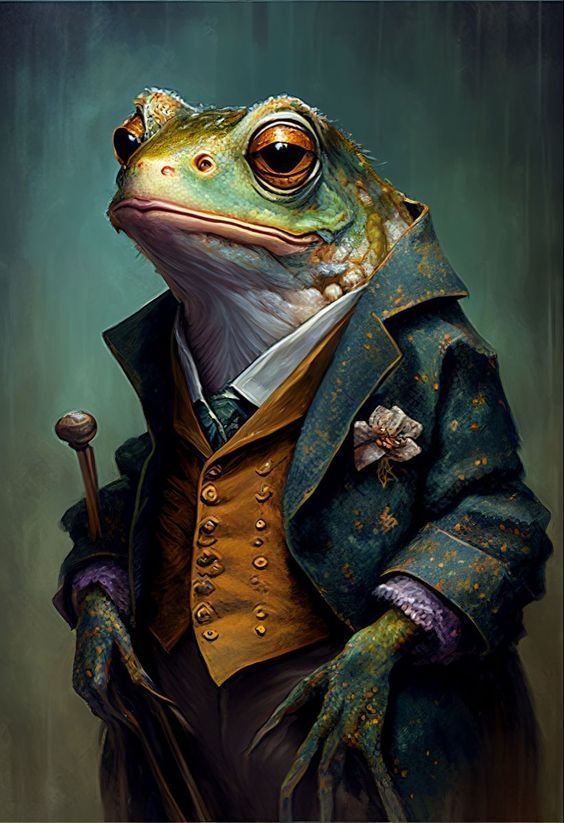
In the quiet hum of a bustling café, a lone coffee cup sits abandoned on a table. Its handle curves gently, as if beckoning the next sip. Across the room, a sleek smartphone rests on a wooden counter, its screen dark but its presence undeniable. These objects, inanimate by nature, often feel alive to us—almost as if they possess personalities, intentions, or even emotions. This phenomenon, where humans attribute human-like qualities to non-human entities, is known as anthropomorphism. It’s not confined to the whims of childhood imagination; it’s a pervasive aspect of consumer behavior that shapes how we interact with products, brands, and even digital interfaces. But why do consumers anthropomorphize products? What deeper currents of psychology and emotion drive this tendency, and how does it influence the way we shop, trust, and connect in a world saturated with objects?
The Allure of the Familiar: Why We See Ourselves in Objects
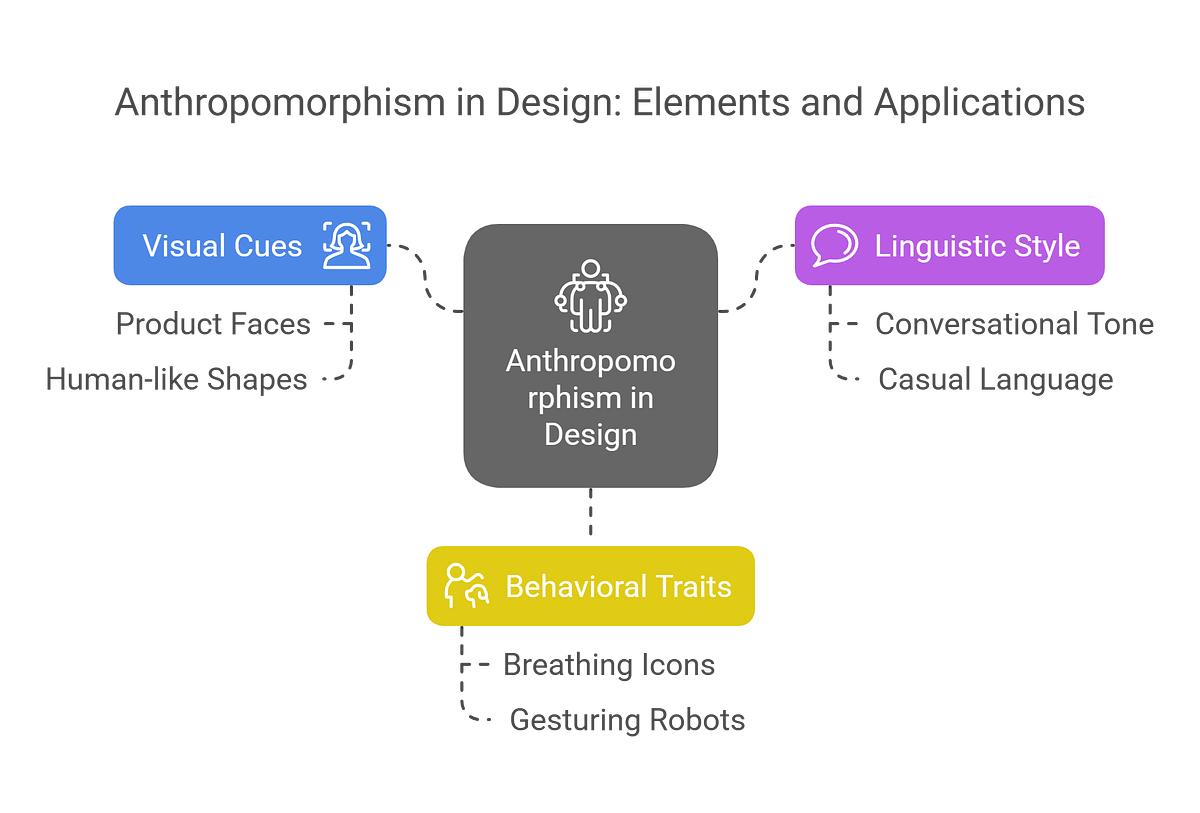
At its core, anthropomorphism is a cognitive shortcut—a way for our brains to make sense of the unfamiliar by framing it in terms we already understand. When a product’s design mimics human features—rounded edges that suggest a smile, a sleek silhouette that evokes elegance—our minds leap to fill in the gaps. A car’s grille might resemble a face, its headlights eyes, and its bumper a mouth, subtly inviting us to project personality onto it. This isn’t mere coincidence; it’s a deliberate strategy employed by designers to create emotional resonance. Studies in neuroscience suggest that when we anthropomorphize, our brain’s social cognition areas light up, as if we’re engaging with another person. The result? A product doesn’t just serve a function; it becomes a companion in our daily lives.
Consider the humble toaster. A utilitarian appliance, yes, but one that, in the right hands, might be described as “cheerful” or “reliable.” These descriptors aren’t just poetic flourishes; they reflect a deeper psychological need. Humans are social creatures, wired to seek connections. When a product’s design or branding taps into this wiring, it transcends its physical form, becoming a quasi-social entity. This explains why brands like Apple or Tesla don’t just sell gadgets—they sell identities. The sleek, minimalist aesthetic of an iPhone isn’t just about functionality; it’s about inviting users to see themselves as part of a modern, sophisticated tribe.
The Comfort of Control: Anthropomorphism as a Coping Mechanism
In an era of overwhelming choice and complexity, anthropomorphism offers a sense of control. When we imbue a product with human-like qualities, we reduce the uncertainty that comes with the unknown. A smart speaker that “listens” to commands feels less like a machine and more like a helpful assistant. This isn’t just about convenience; it’s about mitigating the anxiety of interacting with technology that, to the untrained eye, might seem inscrutable. By anthropomorphizing, we transform a cold, impersonal device into something familiar and predictable.
This coping mechanism is particularly evident in the rise of voice assistants like Alexa or Siri. Their human-like voices and conversational tones aren’t accidental—they’re engineered to make us feel at ease. When we say, “Alexa, play my favorite song,” we’re not just issuing a command; we’re engaging in a pseudo-social interaction. The illusion of reciprocity—where the assistant “understands” us—creates a bond that feels almost tangible. In a world where technology often feels alienating, anthropomorphism bridges the gap between the human and the machine, offering a semblance of companionship.
The Power of Narrative: How Stories Shape Our Perceptions
Humans are storytelling creatures. From ancient myths to modern advertising, narratives give meaning to the world around us. When products are anthropomorphized, they become characters in the stories we tell ourselves. A rugged SUV isn’t just a vehicle; it’s an adventurer, a protector, a symbol of freedom. A luxury watch isn’t just a timekeeping device; it’s a status symbol, a testament to discipline and success. These narratives aren’t inherent to the products themselves; they’re constructed through branding, packaging, and cultural messaging.
Take the example of a high-end espresso machine. To the casual observer, it’s a complex piece of machinery. But to its owner, it might be a “barista in a box,” a diligent partner in the morning ritual of crafting the perfect cup. This narrative transforms a purchase from a transaction into an experience. It’s why advertisements for kitchen appliances often feature them as “heroes” in the kitchen, working tirelessly to make life easier. By embedding products into stories, brands tap into our innate love for drama and resolution, making us more likely to form emotional attachments.
The Illusion of Reciprocity: Why We Feel Obliged to Respond
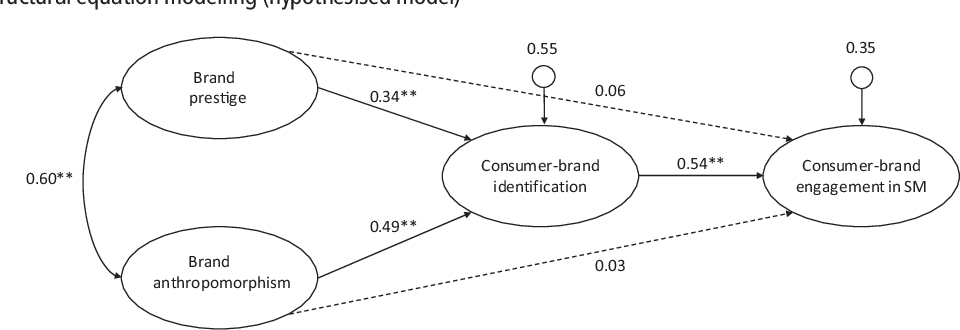
Anthropomorphism doesn’t just make products feel alive; it makes us feel like they’re alive to us. This creates a sense of reciprocity—a psychological phenomenon where we feel compelled to respond in kind. When a brand’s mascot “smiles” at us from a cereal box, or when a car’s headlights “wink” in an advertisement, we’re subtly nudged to engage. This isn’t manipulation in the pejorative sense; it’s a sophisticated use of social psychology to foster loyalty.
Consider the rise of “brand mascots” like Tony the Tiger or the Pillsbury Doughboy. These characters aren’t just marketing gimmicks; they’re designed to elicit emotional responses. When we anthropomorphize them, we’re more likely to trust the brand, forgive its flaws, and even advocate for it. This is why companies invest heavily in creating mascots that feel friendly, approachable, and, above all, human. The more a product or brand can mimic human interaction, the more we’re inclined to treat it as a social entity worthy of our attention—and our dollars.
The Dark Side of Anthropomorphism: When It Backfires
While anthropomorphism can be a powerful tool for connection, it’s not without its pitfalls. When taken too far, it can lead to disillusionment. A smartphone that “promises” seamless performance might leave us frustrated when it lags. A car that’s marketed as “intelligent” might feel like a betrayal when its AI fails to understand our commands. The danger lies in the gap between expectation and reality. When a product’s anthropomorphized persona doesn’t align with its actual capabilities, the result is cognitive dissonance—a jarring disconnect between what we believed and what we experienced.
Moreover, anthropomorphism can blur ethical lines. When we treat products as if they have feelings, we might overlook their environmental or social costs. A “cute” plastic water bottle might seem harmless, but its anthropomorphized charm doesn’t change the fact that it contributes to pollution. This is why critics argue that anthropomorphism, while effective for marketing, can also serve as a smokescreen, distracting us from the real-world consequences of our consumption habits.
The Future of Anthropomorphism: From Products to Ecosystems
As technology advances, so too does the sophistication of anthropomorphism. We’re no longer limited to static images or mascots; now, products can “interact” with us in real time. AI-powered chatbots that simulate empathy, robots that mimic human expressions, and even smart homes that adapt to our moods—these innovations are pushing the boundaries of what it means to anthropomorphize. The future might see entire ecosystems of products that feel alive, not just individually, but as a cohesive, responsive network.
This raises intriguing questions about the nature of consciousness and our relationship with technology. If a smart home “learns” our preferences and adjusts its behavior accordingly, does it cross a threshold from being a tool to being a companion? As anthropomorphism becomes more immersive, we may need to redefine what it means to form connections—not just with each other, but with the objects that surround us. The line between the human and the machine may blur, and with it, our understanding of what it means to be alive.

Anthropomorphism is more than a quirk of human perception; it’s a fundamental aspect of how we navigate the world. From the products we buy to the brands we trust, our tendency to see the human in the inanimate shapes our choices, our emotions, and even our identities. It’s a testament to our need for connection in a world that often feels fragmented and impersonal. Yet, as we continue to blur the lines between the human and the machine, we must also remain mindful of the ethical implications. After all, the same empathy that draws us to anthropomorphized products can also blind us to their true costs. In the end, the question isn’t just why we anthropomorphize—but what we choose to do with that understanding.