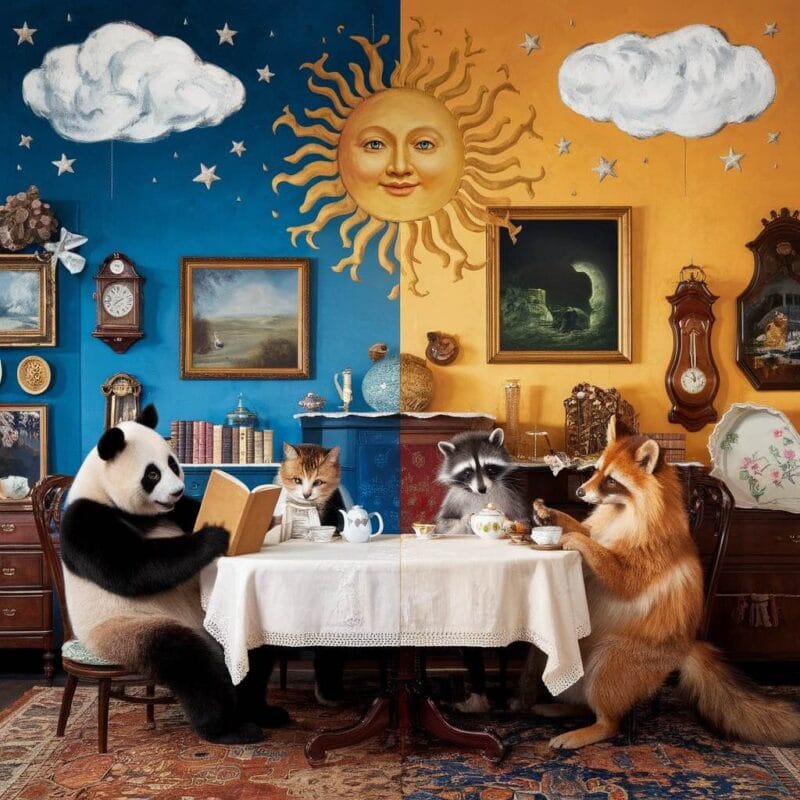
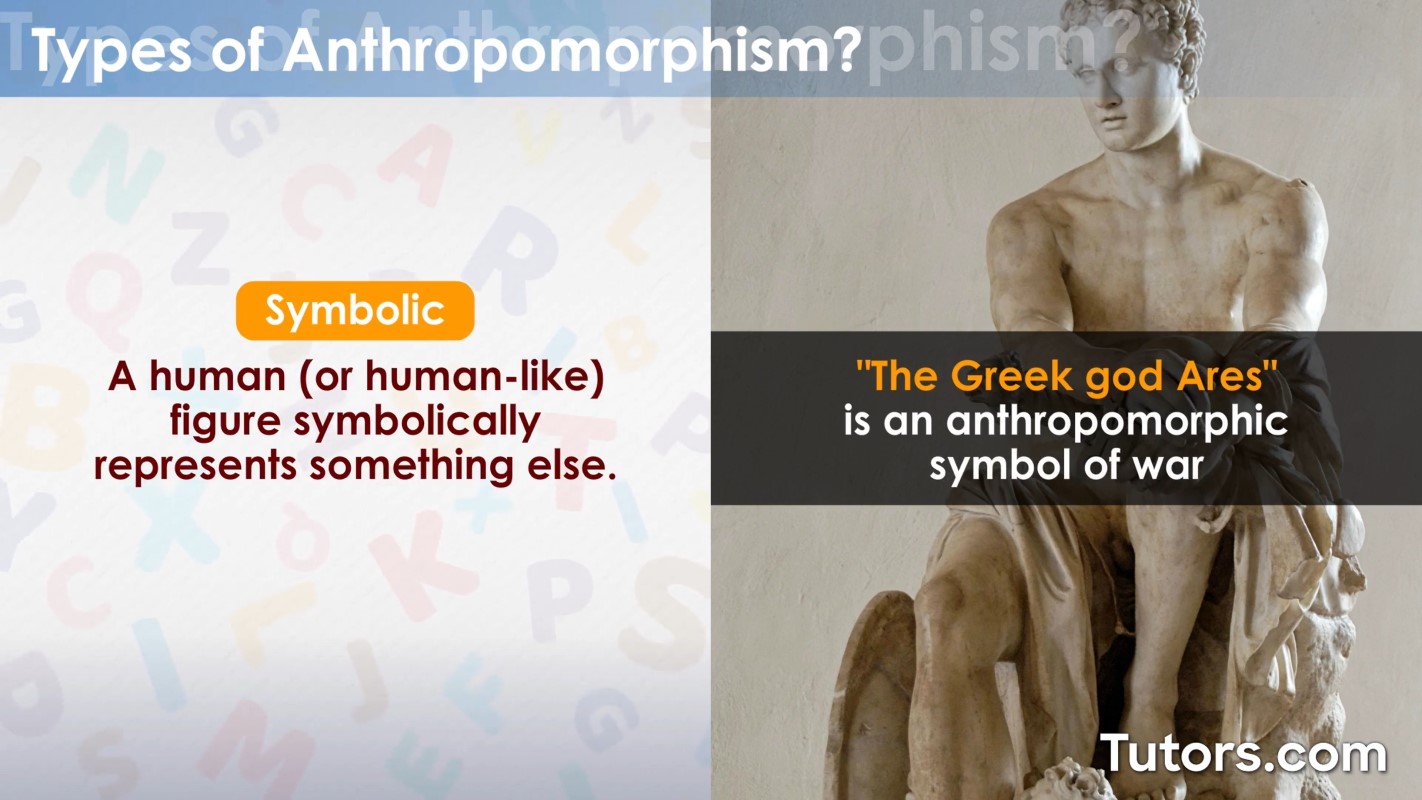
In the labyrinthine marketplace of modern commerce, where choices proliferate like constellations in the night sky, consumers are no longer mere decision-makers—they are storytellers, weaving narratives around the products they choose. At the heart of this transformation lies a subtle yet potent force: anthropomorphism. This cognitive alchemy, the act of imbuing non-human entities with human-like qualities, has emerged as a silent architect of purchase decisions, reshaping the way brands connect with their audiences. To understand its influence is to peer into the mirror of human psychology, where products cease to be inanimate objects and instead become companions, confidants, and even characters in the grand theater of consumption.
The Alchemy of Human-Like Appeal: How Anthropomorphism Transforms Products into Personalities
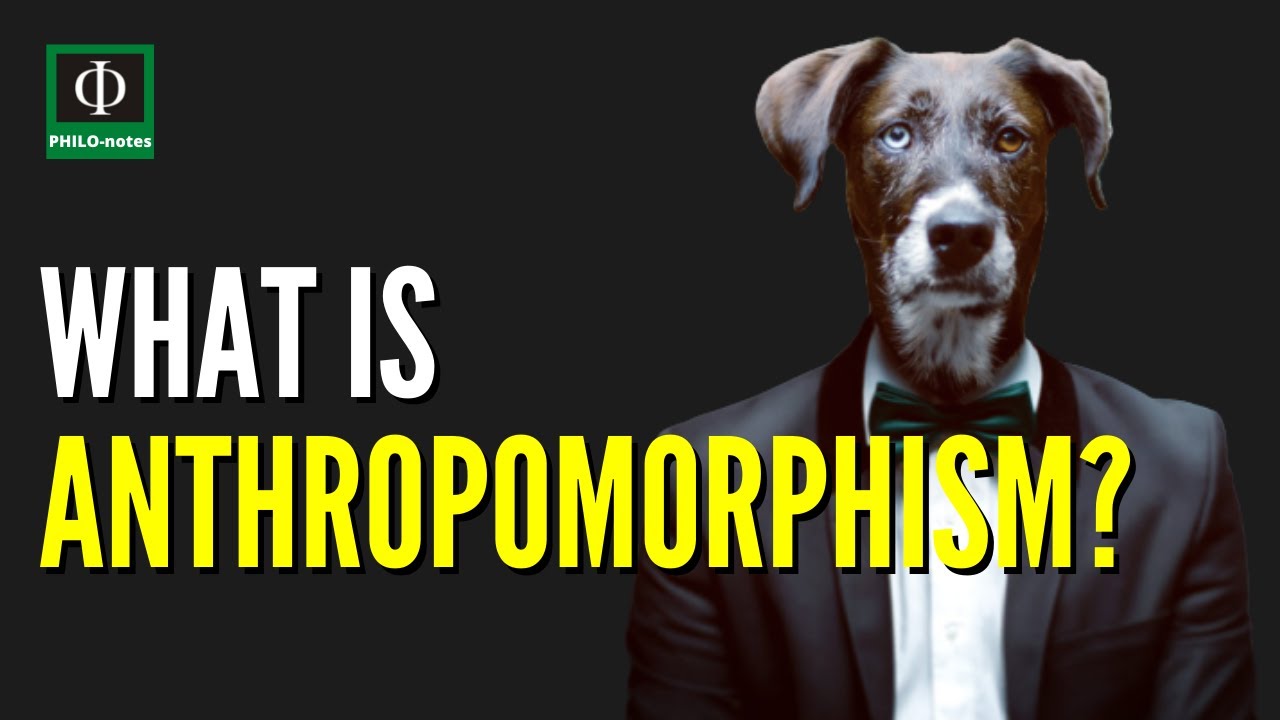
Consider the humble coffee mug sitting on your desk. To the untrained eye, it is merely a vessel for caffeine, a functional artifact devoid of emotion. Yet, when that mug bears the face of a cheerful barista or the silhouette of a steaming cup with googly eyes, something shifts. The mug is no longer a passive container—it becomes a participant in your daily ritual, a silent partner in your morning routine. This metamorphosis is the essence of anthropomorphism: the infusion of human traits into inanimate objects, rendering them relatable, endearing, and, crucially, desirable.
Brands have long harnessed this phenomenon, crafting mascots and characters that blur the line between product and personality. Think of the M&M’s characters, each a vibrant embodiment of a candy’s essence, or the Michelin Man, a jolly sentinel promising safety and reliability. These anthropomorphic figures do more than adorn packaging; they invite consumers into a narrative, transforming a transaction into an interaction. The key lies in the illusion of reciprocity—the sense that the product, now imbued with human-like qualities, is engaging with the consumer on a personal level. This illusion fosters emotional investment, making the act of purchase feel less like a transaction and more like a relationship.

Yet, anthropomorphism is not a one-size-fits-all elixir. Its effectiveness hinges on the delicate balance between familiarity and novelty. Too human, and the product risks losing its unique appeal; too abstract, and it fails to resonate. The most successful anthropomorphic campaigns strike a chord by tapping into archetypes—heroic baristas, mischievous cartoon characters, or wise old sages—that consumers already recognize and trust. This resonance transforms the product from a mere commodity into a symbol, a vessel for the consumer’s own aspirations and identity.
The Empathy Paradox: Why Consumers Fall for Products That Seem to Care
There exists a paradox at the core of anthropomorphism: the more a product appears to care, the more consumers are willing to invest in it. This empathy paradox reveals a fundamental truth about human nature—we are wired to respond to perceived emotion, even when it is manufactured. When a brand’s mascot “smiles” at us from a billboard or a voice assistant greets us by name, our brains react as if we are engaging with a sentient being. This triggers the release of oxytocin, the so-called “love hormone,” which fosters trust and loyalty.
Consider the rise of AI-powered chatbots that adopt conversational tones, emojis, and even humor. These digital entities are not human, yet their anthropomorphic design makes them feel approachable and relatable. Consumers, in turn, are more likely to forgive their occasional errors, viewing them as quirks rather than flaws. This phenomenon extends to physical products as well. A smart speaker that “sings” when turned on or a vacuum cleaner that “apologizes” for bumping into furniture may seem whimsical, but these touches humanize the technology, making it less intimidating and more inviting.
The empathy paradox also explains why anthropomorphism is particularly potent in industries where trust is paramount. In healthcare, for example, robotic companions designed with expressive faces have been shown to reduce patient anxiety, while in finance, chatbots with friendly avatars can make complex transactions feel less daunting. The lesson is clear: when products exhibit even the faintest glimmer of empathy, consumers are more likely to reciprocate with their loyalty—and their wallets.

Yet, this empathy is a double-edged sword. When misused, anthropomorphism can backfire, creating a sense of unease or distrust. The “uncanny valley” phenomenon—where a product’s human-like qualities become unsettlingly close to reality—serves as a cautionary tale. Brands must tread carefully, ensuring that their anthropomorphic designs evoke warmth rather than discomfort, connection rather than creepiness.
Power Dynamics and Purchase Intent: The Subtle Art of Matching Perceptions
Anthropomorphism is not merely about making products appear friendly; it is also about aligning them with the consumer’s sense of power. The interplay between a product’s perceived power and the consumer’s own self-image can significantly influence purchase decisions. This dynamic is particularly evident in luxury branding, where products are often anthropomorphized to exude authority, sophistication, or exclusivity.
Take, for instance, the sleek, minimalist design of a high-end watch. By anthropomorphizing it—imbuing it with the traits of a discerning aristocrat or a daring adventurer—the brand transforms the watch from a mere timekeeping device into a symbol of status. The consumer, in turn, purchases not just a watch, but a persona, a carefully curated extension of their own identity. This alignment of power perceptions creates a powerful feedback loop: the more the product embodies the consumer’s aspirations, the more desirable it becomes.
Conversely, products that are anthropomorphized to appear approachable or subservient can appeal to consumers seeking comfort or familiarity. A plush toy with a childlike face, for example, may evoke nurturing instincts, while a quirky robot vacuum might be designed to seem like a helpful but unassuming sidekick. The key lies in understanding the consumer’s psychological landscape and tailoring the product’s anthropomorphic traits to match their desired power dynamic.
This strategic anthropomorphism is not limited to physical products. In digital marketing, brands leverage the same principles by creating personas that resonate with their target audience. A fitness app might adopt the persona of a stern but encouraging coach, while a meditation app could embody the traits of a wise, calming mentor. These personas act as guides, helping consumers navigate their purchasing journey by aligning the product’s perceived power with their own needs and desires.

The interplay between power and anthropomorphism is a delicate dance, one that requires brands to strike a balance between aspiration and relatability. When executed effectively, it can transform a product from a mere offering into a coveted extension of the consumer’s self.
Beyond the Mascot: The Future of Anthropomorphism in Branding
The landscape of anthropomorphism is evolving, propelled by advances in technology and shifting consumer expectations. No longer confined to static mascots or cartoonish characters, anthropomorphism is taking on new forms, from AI-driven avatars to augmented reality experiences that blur the line between the digital and the physical.
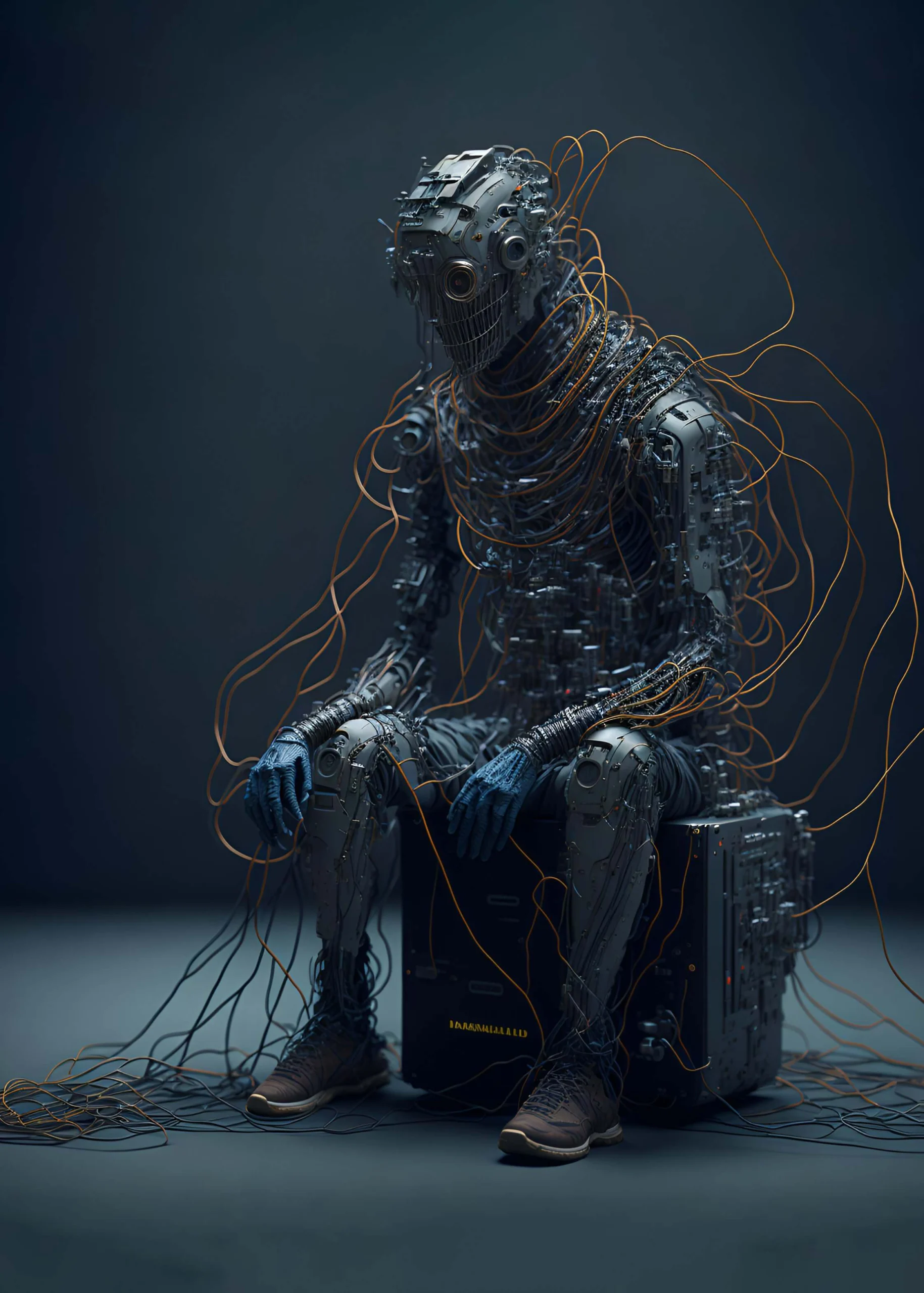
One of the most promising frontiers is the rise of “digital humans”—hyper-realistic AI entities that can engage in natural conversations, express emotions, and even develop personalities. These digital beings are not just tools; they are companions, capable of forming relationships with consumers over time. Imagine a virtual assistant that remembers your preferences, jokes with you, and even offers emotional support during stressful moments. Such anthropomorphic experiences could redefine customer service, turning interactions into meaningful connections.
Augmented reality (AR) is another arena where anthropomorphism is flourishing. Brands are experimenting with AR filters that overlay human-like features onto products, allowing consumers to visualize how an item might fit into their lives. A furniture retailer, for example, might use AR to project a virtual interior designer into a customer’s home, offering personalized recommendations with a human touch. This fusion of digital and physical anthropomorphism creates immersive experiences that feel both futuristic and deeply personal.
Yet, as anthropomorphism becomes more sophisticated, so too do the ethical considerations. Consumers are increasingly wary of manipulation, and brands must navigate the fine line between genuine connection and exploitative design. Transparency will be key—consumers must feel that the anthropomorphic traits they encounter are authentic reflections of the brand’s values, rather than cynical attempts to coerce purchases.
The future of anthropomorphism lies in its ability to foster genuine empathy, not just mimic it. Brands that succeed will be those that use anthropomorphic design to create meaningful interactions, where products feel like partners rather than props. In this brave new world of commerce, the most compelling stories will be those where the line between human and machine, between consumer and product, dissolves into something far more profound—a shared narrative of connection and belonging.


![Case Study: How [Comic Series] Used Anthropomorphism to Stand Out](https://anthropomorphism.org/wp-content/uploads/2026/05/San-Diego-Comic-Con-2-scaled-1.jpg)