In the labyrinthine marketplace where products jostle for attention like stars competing for cosmic visibility, one company dared to whisper to consumers in a voice not their own. Anthropomorphism—the ancient art of endowing the inanimate with human traits—became their secret weapon. By transforming a mundane product into a relatable, almost sentient companion, they didn’t just launch a product; they orchestrated a cultural moment. This is the story of how a brand turned a simple innovation into a phenomenon by giving it a soul.
The Alchemy of Giving Life to the Lifeless
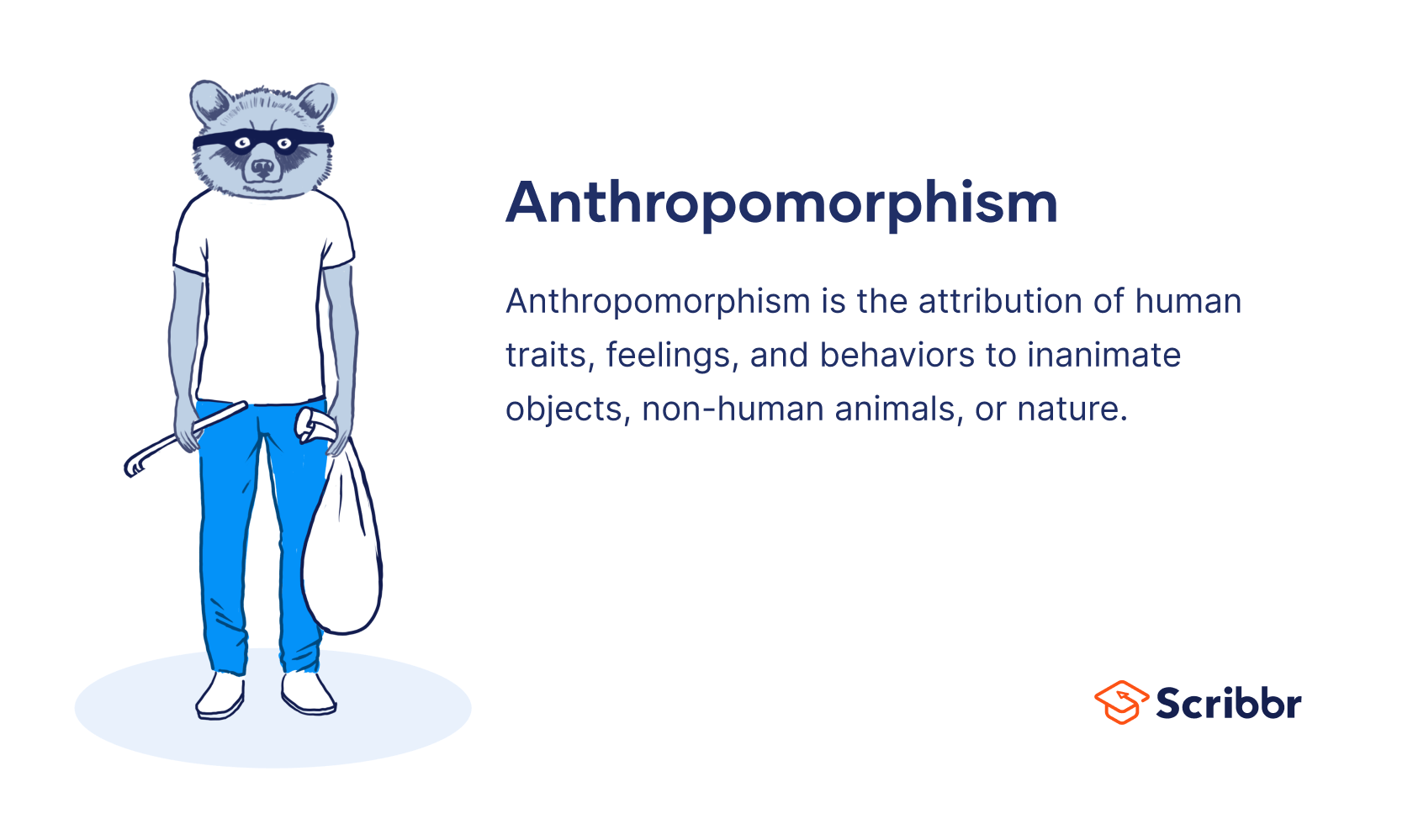
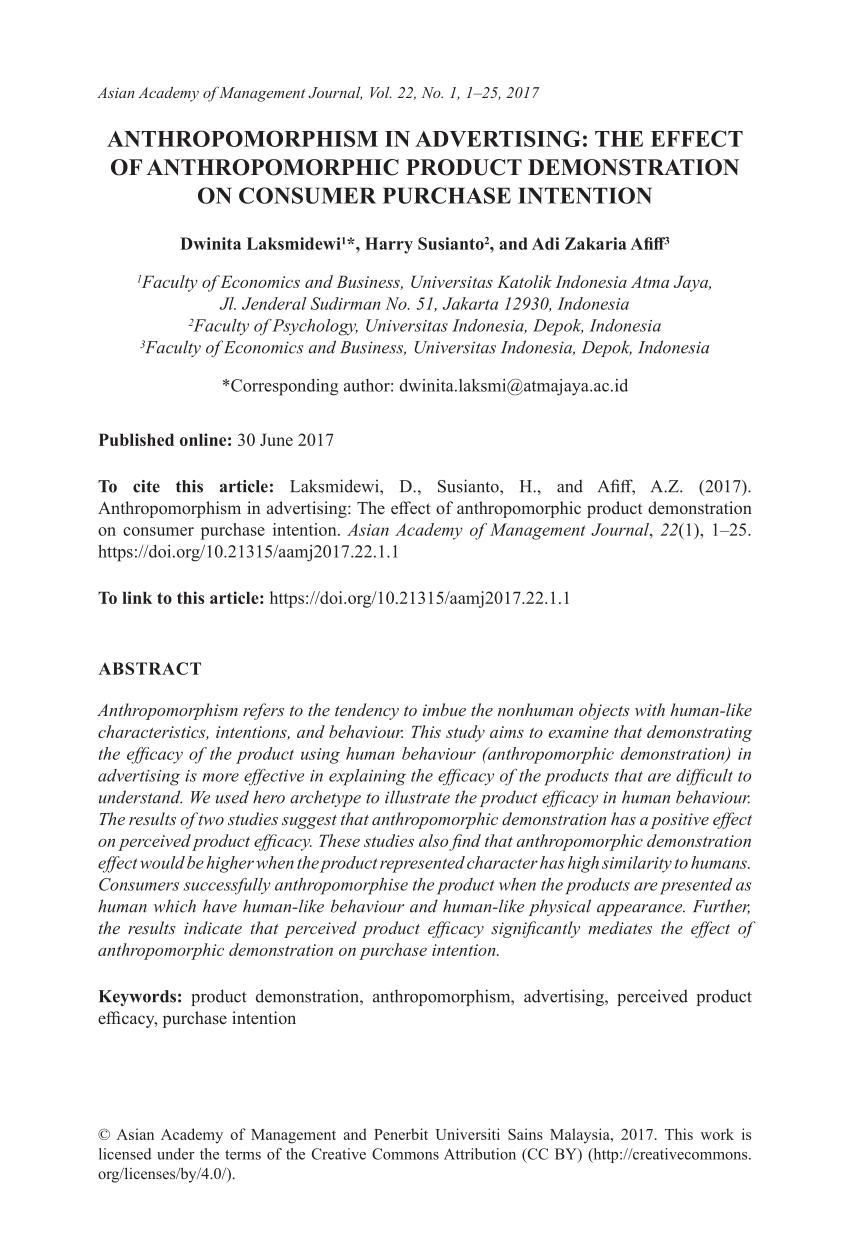
Anthropomorphism is no modern gimmick; it’s a psychological tether that binds humans to the world around them. From the earliest cave paintings depicting animals with human expressions to the modern-day chatbots that greet us with cheerful avatars, we’ve always sought to humanize the non-human. But when a company leverages this instinct, they don’t just sell a product—they sell a relationship. Consider the case of a brand that took a utilitarian object and imbued it with personality. The product wasn’t just functional; it was *friendly*. It didn’t just perform a task; it *understood* the user. This metamorphosis didn’t happen by accident. It required a deep dive into consumer psychology, where the brand identified a void—a need for connection in an increasingly transactional world. By anthropomorphizing their product, they didn’t just meet a need; they fulfilled a craving for companionship.
The magic lay in the subtlety. The product didn’t wear a human face or speak in a human voice—at least, not overtly. Instead, it adopted human-like behaviors: it “listened” to user commands, “learned” from interactions, and even “expressed” satisfaction when tasks were completed. This wasn’t just clever marketing; it was a masterclass in emotional engineering. The product became a silent partner, a confidant, a character in the user’s daily narrative. And in doing so, it transcended its physical form to become something far more compelling.
The Unseen Choreography of Consumer Desire
To understand the success of this anthropomorphic campaign, one must peer beneath the surface of consumer behavior. Humans are wired to anthropomorphize—it’s a survival mechanism, a way to navigate a complex world by relating to it as if it were familiar. When a brand taps into this wiring, it doesn’t just sell a product; it sells an experience. The product becomes a protagonist in the user’s story, a silent hero that adapts, responds, and evolves alongside them. This isn’t mere personification; it’s a carefully orchestrated dance of perception.
Consider the product’s design. Every curve, every button, every interaction was meticulously crafted to evoke human-like qualities. The sleek, minimalist exterior suggested efficiency and modernity, while the responsive interface mimicked the ebb and flow of human conversation. Even the packaging was designed to feel like an invitation—a handshake between the brand and the consumer. This wasn’t just about aesthetics; it was about creating a sensory experience that felt intimate, almost personal. The product didn’t just occupy space in the user’s home; it inhabited their daily routine, becoming a fixture in their lives.
The brilliance of this approach lay in its universality. Anthropomorphism transcends language, culture, and demographics. Whether the user was a tech-savvy millennial or a retiree dipping their toes into the digital age, the product spoke to them in a language they instinctively understood. It wasn’t about selling a feature; it was about selling a feeling—a sense of connection, of understanding, of being *seen*.
The Ripple Effect: How Personality Transformed a Product into a Phenomenon
The impact of anthropomorphism extended far beyond the initial purchase. In a marketplace saturated with identical offerings, the product didn’t just stand out—it *stood up*. It became a conversation starter, a topic of social media buzz, a meme even. Users didn’t just use the product; they *engaged* with it. They shared their experiences online, created fan art, and even gave their product nicknames. This wasn’t just brand loyalty; it was *cult* loyalty. The product had evolved from a mere commodity into a cultural artifact, a symbol of innovation and connection.
This transformation didn’t happen overnight. It required a multi-faceted approach that blended cutting-edge technology with timeless storytelling. The brand didn’t just rely on anthropomorphism in design; they wove it into every touchpoint—from the user interface to the customer service experience. Every interaction reinforced the product’s human-like qualities, creating a cohesive and immersive brand narrative. The result? A product that didn’t just meet expectations; it exceeded them, becoming an integral part of the user’s identity.
The ripple effect was undeniable. Competitors scrambled to replicate the strategy, but none could match the authenticity of the original. The product’s success wasn’t just about being first; it was about being *right*. It understood the zeitgeist, tapping into a collective yearning for connection in an increasingly digital world. By giving the product a soul, the brand didn’t just sell a product—they sold a piece of the future.
The Ethical Frontier: Where Innovation Meets Responsibility
Yet, with great power comes great responsibility. Anthropomorphism isn’t without its ethical quandaries. When a product is imbued with human-like qualities, it blurs the line between tool and companion. Users may develop an emotional attachment that transcends practical utility, leading to over-reliance or even disappointment when the product fails to meet expectations. The brand walked a tightrope, ensuring that the anthropomorphic elements enhanced the user experience without crossing into manipulation.
Transparency became key. The brand was upfront about the product’s capabilities, avoiding the pitfalls of deception. They framed the anthropomorphism as a feature, not a gimmick—a way to make technology more accessible and intuitive. This honesty fostered trust, ensuring that the emotional connection felt authentic rather than manufactured. The product wasn’t pretending to be human; it was *acting* as a bridge between human and machine, a translator of sorts that made the digital world feel more familiar.
The ethical considerations extended to data privacy as well. By making the product feel personal, the brand had to ensure that user data was handled with the utmost care. The anthropomorphic elements weren’t just about creating a connection; they were about respecting the boundaries of that connection. The product could be a friend, but it couldn’t be an intruder. This balance between innovation and integrity became a cornerstone of the brand’s reputation, setting a new standard for ethical marketing in the digital age.
The Legacy: A Blueprint for Future Innovations
The success of this anthropomorphic campaign wasn’t just a one-off triumph; it was a blueprint for future innovations. It proved that in a world where products are increasingly commoditized, the key to differentiation lies in emotional resonance. By giving the product a personality, the brand didn’t just sell a solution; they sold a story. And in a marketplace where stories are currency, this was a game-changer.
The lessons are manifold. First, anthropomorphism works—but only when it’s authentic. The product’s human-like qualities had to feel organic, not forced. Second, the emotional connection had to be nurtured across every touchpoint, from design to customer service. Third, ethics couldn’t be an afterthought; they had to be woven into the fabric of the strategy. Finally, the brand had to be willing to take risks, to push boundaries, and to trust in the power of storytelling.
As technology continues to evolve, the opportunities for anthropomorphism will only grow. From AI assistants to smart home devices, the potential to create products that feel like companions is limitless. But the true measure of success won’t be in the technology itself; it will be in the relationships it fosters. The brand that understands this will not only launch a hit product—they’ll redefine what it means to connect with consumers.
The story of this product is more than a case study; it’s a testament to the enduring power of human connection. In a world where screens dominate and algorithms dictate, the ability to make technology feel human is nothing short of revolutionary. And that, perhaps, is the most compelling metaphor of all: in the cold, hard landscape of the digital age, a little warmth can go a long way.