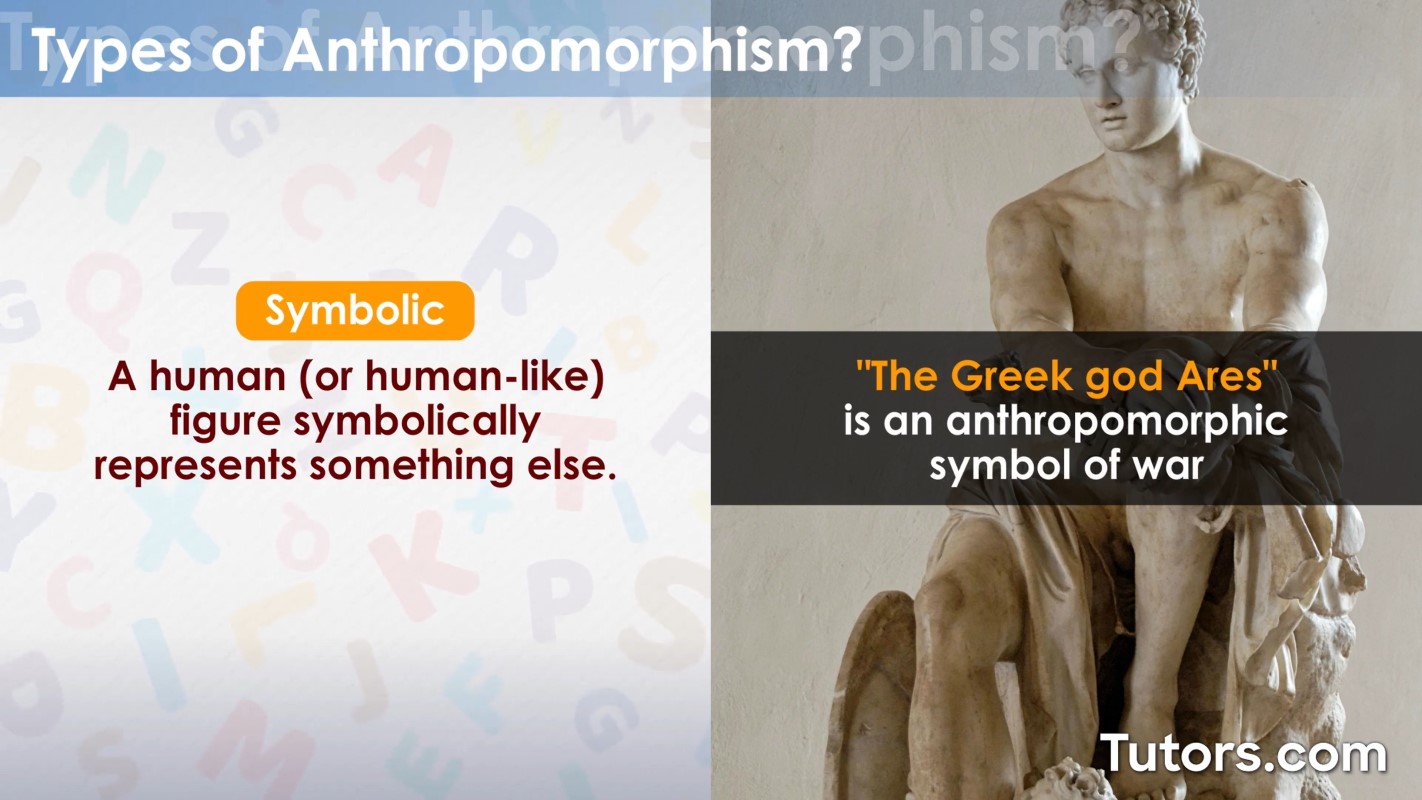
In the vast savannah of digital marketing, where attention is the most elusive prey, anthropomorphic advertisements have emerged as the cunning predators—silent, yet impossible to ignore. These ads, imbued with human-like traits, emotions, and behaviors, don’t just speak to us; they *speak with* us, transforming passive viewers into active participants in a silent dialogue. But why do they go viral? What alchemy turns a simple promotional message into a cultural echo that reverberates across timelines and feeds? The answer lies not in the product itself, but in the primal, almost mythological connection we forge with the inanimate when it is draped in humanity’s garb.
The Allure of the Familiar Stranger: Why We Trust Faces That Aren’t Faces
Humans are hardwired to seek patterns, to assign meaning to shapes that resemble our own. When an advertisement adopts a face—whether it’s a talking soda can, a weeping tissue box, or a mischievous bar of soap—it taps into a neurological shortcut. Our brains, ever the efficient storytellers, interpret these anthropomorphized entities as quasi-social actors. They become characters in a narrative we can relate to, rather than mere objects vying for our wallets.
Consider the uncanny valley in reverse: where the almost-human is not unsettling, but *inviting*. A cartoon character with exaggerated human features doesn’t trigger discomfort; it triggers recognition. The brain releases oxytocin, the “bonding hormone,” when we perceive these entities as friendly or relatable. This chemical nudge is the first step in transforming a fleeting ad impression into a shareable moment. The more human-like the ad, the more our subconscious whispers, *”This understands me.”* And in a world drowning in impersonal marketing, that whisper is a lifeline.
The Power of Emotional Alchemy: Turning Products into Protagonists
Anthropomorphic ads don’t just look human—they *feel* human. They laugh, they cry, they triumph, they fail. In doing so, they bypass the rational defenses we erect against traditional advertising. A talking cereal box doesn’t sell you breakfast; it sells you a morning ritual, a shared joke, a moment of levity before the day’s chaos. The product becomes a character in a mini-drama, and we, the audience, are the audience *and* the co-conspirators in its story.
This emotional alchemy is no accident. Studies in consumer psychology reveal that ads which evoke strong emotions—joy, nostalgia, even mild irritation—are up to 31% more likely to be shared. Anthropomorphism amplifies this effect by making the emotion *embodied*. A sad lamp isn’t just a product; it’s a metaphor for loneliness, a mirror for our own melancholic evenings. A dancing deodorant isn’t just a hygiene solution; it’s a celebration of confidence, a tiny rebellion against self-doubt. The ad doesn’t just tell us how to feel; it *shows* us how to feel, and in doing so, it invites us to project our own experiences onto it.

The Viral Catalyst: Shared Identity and the Illusion of Friendship
At its core, virality is a social phenomenon. We share ads not because they’re clever, but because they make us feel like insiders. Anthropomorphic ads excel here by creating a false sense of intimacy. When a brand mascot “likes” a user’s comment or “responds” to a tweet, it blurs the line between advertisement and friend. The ad doesn’t just occupy space in our feed; it occupies a niche in our social ecosystem.
This illusion of friendship is a masterstroke of modern marketing. In an era where trust in institutions is eroding, a brand that “speaks” to us—literally, with a voice and personality—becomes a confidant. The more an anthropomorphic ad mimics human interaction, the more it feels like a peer. And peers share things. They recommend things. They laugh at the same jokes. When a brand mascot becomes a meme, it’s not just the ad going viral; it’s the brand becoming a cultural shorthand, a shared language among strangers.
The key lies in the *uniqueness* of the anthropomorphism. A generic “friendly” mascot won’t cut it. The most viral ads are those that feel *alive*—quirky, flawed, and unpredictable. Think of the Geico Gecko’s dry wit or the M&M’s characters’ bickering. These aren’t just spokes-characters; they’re personalities, and personalities are what we invite into our lives.
The Neuroscience of Cuteness and the “Aww” Factor
There’s a reason why anthropomorphic baby animals and wide-eyed cartoon characters dominate viral ads. It’s not just nostalgia; it’s neuroscience. The “cute aggression” phenomenon—where overwhelming cuteness triggers a desire to squeeze or protect—is well-documented. When an ad leverages this, it doesn’t just capture attention; it hijacks it. The brain’s reward centers light up, releasing dopamine at the mere sight of a chubby, anthropomorphized puppy selling insurance.
But cuteness alone isn’t enough. The most effective anthropomorphic ads balance charm with *character*. A cute ad is a one-hit wonder; a character-driven ad is a franchise. The difference lies in the depth of the anthropomorphism. A talking cat isn’t just cute; it’s sassy, lazy, or secretly a genius. It has *traits*. And traits make it memorable. The brain doesn’t just register the ad; it *files it away* as a potential friend, a potential conversation starter.

The Paradox of Simplicity: How Less Becomes More
In a world of information overload, anthropomorphic ads thrive on simplicity. They distill complex ideas into digestible, human-scale narratives. A financial services ad doesn’t explain interest rates; it shows a harried cartoon piggy bank finally relaxing after a character “invests” in it. The message is clear, visceral, and—most importantly—*shareable*.
This simplicity is deceptive. Behind the scenes, these ads are meticulously crafted to evoke *schema*—mental shortcuts our brains use to interpret the world. When we see a character struggling, we instantly recognize the struggle. When we see it overcome an obstacle, we feel a surge of satisfaction. The ad doesn’t need to explain why; the schema does the work for it. And schemas, once activated, are sticky. They cling to memory like burrs to fabric, ensuring the ad—and the brand—lingers long after the video ends.
The Future of Anthropomorphic Ads: Where Technology Meets Mythology
As artificial intelligence and generative design advance, the line between human and non-human in advertising will blur further. Imagine an ad where a product doesn’t just *talk* but *adapts*—responding to a user’s tone of voice, their mood, even their past interactions. The anthropomorphism of tomorrow won’t be static; it will be dynamic, a chameleon that shifts to fit the audience’s emotional landscape.
Yet, for all its technological sophistication, the core appeal of anthropomorphic ads remains timeless. It’s the same appeal that has fueled myths and folktales for millennia: the desire to see ourselves in the world around us. A talking teapot isn’t just a marketing gimmick; it’s a modern-day sprite, a trickster that reminds us that even the most mundane objects can have personalities. And in a world that often feels cold and transactional, that reminder is a gift.
The most viral anthropomorphic ads don’t just sell products; they sell a feeling. They sell the idea that the world is alive, that objects can be friends, and that even the smallest stories are worth sharing. In the end, that’s why they go viral—not because they’re ads, but because they’re *human*.

![Case Study: How [Brand] Used Anthropomorphism to Go Viral](https://anthropomorphism.org/wp-content/uploads/2026/05/brand-case-study-tony-chocolonely.jpg)
![Case Study: How [Company] Used Anthropomorphism to Launch a Hit Product](https://anthropomorphism.org/wp-content/uploads/2026/05/Resources-Finance-Company-Predictive-Targeting-Case-Study-1028x768-1.webp)