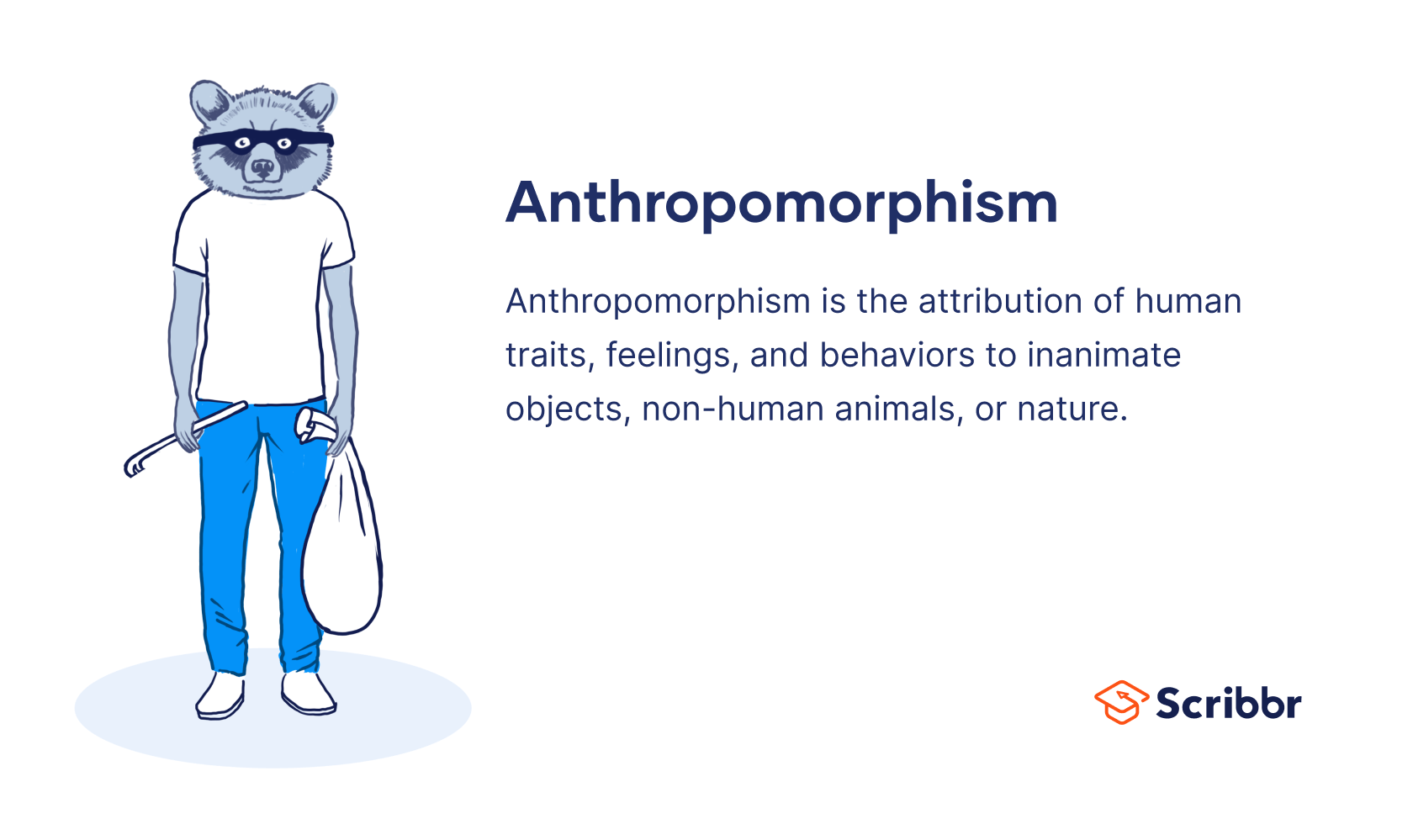
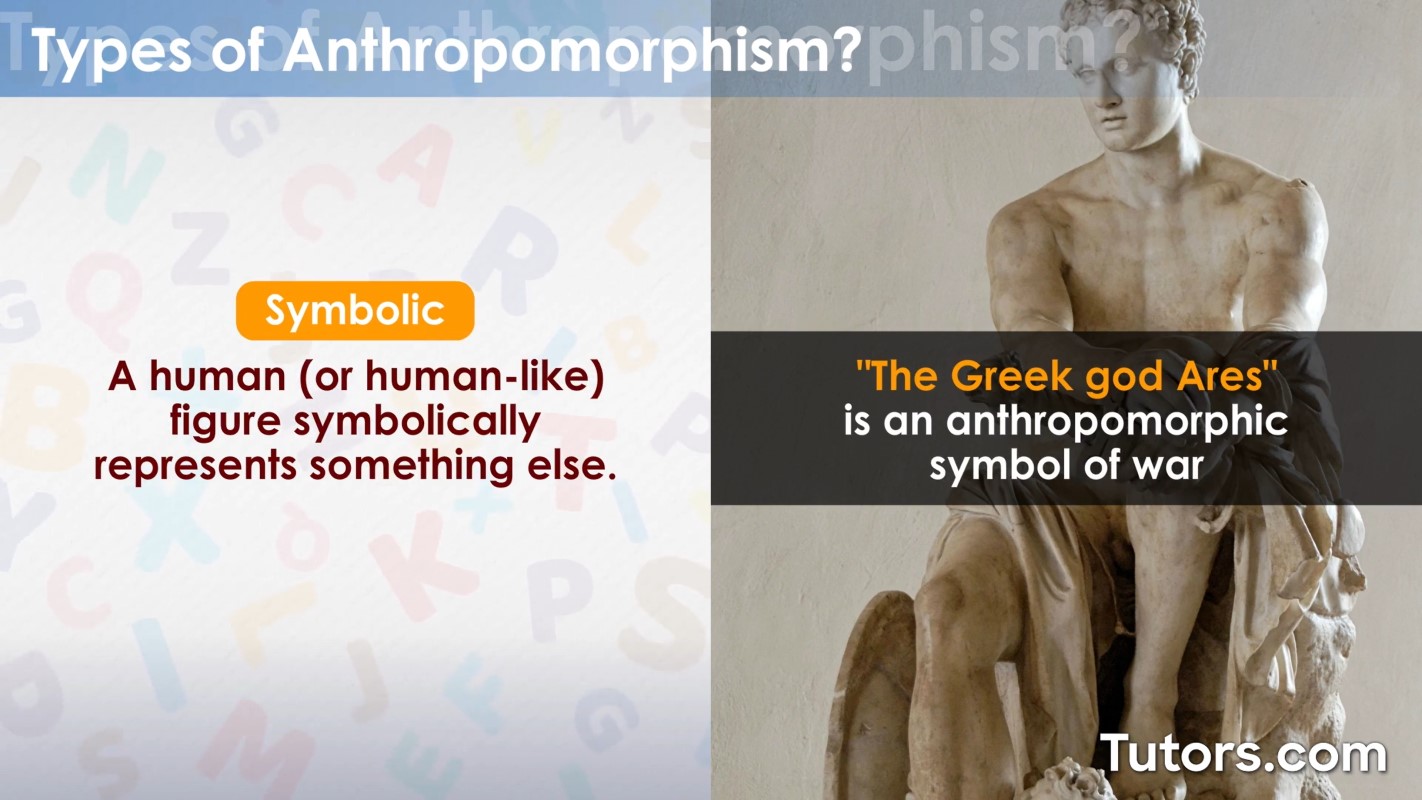
In the ever-evolving landscape of consumer psychology, few strategies wield as much transformative power as anthropomorphism—the art of imbuing non-human entities with human-like traits. When applied to rebranding, this technique transcends mere visual facelifts, morphing into a psychological bridge that connects brands to their audiences on a deeply intuitive level. The fascination with anthropomorphic rebranding isn’t merely aesthetic; it’s a reflection of humanity’s innate desire to humanize the world around us, to find familiarity in the unfamiliar. This narrative explores how brands leverage this phenomenon to revitalize their identities, foster emotional resonance, and ultimately, rewrite their narratives in the minds of consumers.
The Psychological Underpinnings of Anthropomorphism in Rebranding
At its core, anthropomorphism taps into the cognitive frameworks that govern human perception. When a brand adopts human-like characteristics—whether through a mascot, a voice, or a personality—it triggers the brain’s mirror neuron system, which processes social interactions. This neurological mimicry fosters empathy, making the brand feel less like a corporate entity and more like a relatable companion. Rebranding efforts that incorporate anthropomorphic elements often succeed because they simplify complex ideas into digestible, emotionally charged narratives. Consider the metamorphosis of a faceless corporation into a character with quirks, flaws, and aspirations. Suddenly, consumers aren’t just purchasing a product; they’re investing in a story.
The deeper allure of anthropomorphism lies in its ability to mitigate the alienation that often accompanies modernization. In an era where digital interfaces and automated services dominate, the human touch becomes a rare commodity. Brands that reintroduce this touch through rebranding don’t just update their logos; they restore a sense of intimacy. This psychological comfort is particularly potent in industries plagued by skepticism, such as finance or healthcare, where trust is the ultimate currency. By humanizing their identities, these sectors can dismantle barriers of distrust and cultivate loyalty through shared emotional experiences.
Visual Anthropomorphism: Crafting Icons That Speak Volumes
Visual anthropomorphism is the most immediate and visceral form of this strategy. A well-designed mascot or character can encapsulate a brand’s ethos in a single glance, transcending language and cultural barriers. Take, for instance, the evolution of a stodgy financial institution into a friendly, animated figure with a warm smile and approachable demeanor. This transformation isn’t arbitrary; it’s a calculated effort to align the brand’s visual identity with the emotional needs of its audience. The key lies in striking a balance between relatability and aspiration—characters should feel familiar enough to evoke comfort but distinctive enough to stand out in a crowded marketplace.
Beyond mascots, anthropomorphic design extends to typography, color palettes, and even packaging. Fonts that mimic handwriting or illustrations that resemble doodles can infuse a brand with personality, making it feel less rigid and more dynamic. The choice of colors further amplifies this effect; warm hues like coral or mustard can evoke friendliness, while cooler tones like teal or lavender might suggest innovation and calm. When these elements coalesce, they create a visual language that speaks directly to the subconscious, bypassing the need for explicit messaging. The result is a rebranding that feels organic, almost inevitable, as if the brand was always meant to wear its new identity.
However, visual anthropomorphism isn’t without its pitfalls. Overly cutesy or clichéd designs risk trivializing the brand’s message, while overly complex characters can confuse rather than clarify. The art lies in subtlety—hinting at humanity without resorting to caricature. A brand’s anthropomorphic elements should feel like an extension of its core values, not a superficial gimmick. When executed with precision, these visual cues become silent ambassadors, conveying the brand’s story without uttering a single word.
Narrative Anthropomorphism: Giving Brands a Voice and a Soul
While visuals capture attention, narrative anthropomorphism seizes the imagination. This approach involves crafting a brand story where the brand itself is the protagonist—a character with a past, present, and future. Rebranding through storytelling transforms a company from a faceless entity into a protagonist in a larger cultural narrative. Consider a heritage brand that reframes itself as a wise elder sharing timeless wisdom, or a tech startup that positions itself as a rebellious innovator challenging the status quo. These narratives don’t just describe what a brand does; they explain why it exists and why it matters.
The power of narrative anthropomorphism lies in its ability to create emotional continuity. Consumers don’t just remember facts about a brand; they remember how it made them feel. A compelling brand story can turn a one-time purchase into a lifelong relationship. For example, a rebranding campaign that frames a beverage company as a “guardian of joy” doesn’t just sell soda—it sells moments of happiness, nostalgia, and shared experiences. This narrative scaffolding provides a framework for all subsequent marketing efforts, ensuring consistency across campaigns, social media, and customer interactions.
Moreover, narrative anthropomorphism allows brands to address their own flaws or past missteps with honesty and vulnerability. A brand that admits to past mistakes and pledges to do better can humanize itself in the eyes of consumers. This authenticity fosters trust, a critical asset in an era where consumers are increasingly skeptical of corporate motives. By giving a brand a voice—whether through a founder’s manifesto, a customer testimonial, or an interactive storytelling campaign—rebranding efforts can transcend transactional relationships and cultivate a sense of community.
The Cultural Resonance of Anthropomorphic Rebranding
Anthropomorphism doesn’t operate in a vacuum; it thrives within the cultural zeitgeist. The most successful rebranding efforts tap into universal archetypes and societal trends, ensuring their anthropomorphic elements resonate on a collective level. For instance, during periods of economic uncertainty, brands often adopt nurturing or protective personas, positioning themselves as steadfast allies in turbulent times. Conversely, in eras of rapid technological advancement, brands may embrace a futuristic or avant-garde anthropomorphic identity, appealing to consumers’ aspirations for progress.
Cultural narratives also shape the types of characters brands choose to embody. In Western markets, brands might lean toward archetypes like the “hero” or the “mentor,” while in Eastern markets, they may adopt roles like the “wise sage” or the “harmonious guide.” These cultural nuances ensure that anthropomorphic rebranding feels authentic rather than imposed. Additionally, the rise of social media has democratized storytelling, allowing brands to co-create their anthropomorphic identities with consumers. Crowdsourced campaigns, user-generated content, and interactive polls can infuse a brand’s personality with the voices of its audience, making the anthropomorphic transformation feel like a shared journey rather than a top-down directive.
The interplay between culture and anthropomorphism also explains why certain rebranding efforts capture the public’s imagination while others fall flat. A character that feels culturally attuned—whether through humor, tradition, or shared values—can become a symbol of its time. Conversely, a poorly executed anthropomorphic identity risks feeling tone-deaf or out of touch. The lesson is clear: anthropomorphism in rebranding isn’t just about adding a human face to a brand; it’s about aligning that face with the collective consciousness of its audience.
Measuring the Impact: Anthropomorphism as a Strategic Imperative
The true test of anthropomorphic rebranding lies in its measurable impact on consumer behavior. Metrics such as brand recall, customer engagement, and emotional sentiment analysis provide tangible evidence of its effectiveness. Brands that successfully humanize their identities often see a surge in social media interactions, as consumers are more likely to share content that features relatable characters or stories. Additionally, anthropomorphic rebranding can lead to increased customer loyalty, as consumers develop a personal connection to the brand’s persona. This emotional investment translates into higher lifetime value and reduced churn rates.
However, the benefits of anthropomorphism extend beyond financial gains. Brands that embrace this strategy often report improved internal cohesion, as employees feel a stronger sense of purpose and alignment with the brand’s new identity. When a company’s mascot or narrative becomes a rallying point, it fosters a shared vision that transcends departmental silos. This internal alignment can be particularly transformative during periods of organizational change, as it provides a unifying narrative that guides decision-making and communication.
Yet, the measurement of anthropomorphism’s success isn’t solely quantitative. Qualitative feedback—such as customer testimonials, focus group discussions, and sentiment analysis—offers deeper insights into how the rebranding resonates on an emotional level. Brands that listen to this feedback and iterate accordingly can refine their anthropomorphic identities to better meet the evolving needs of their audience. The key is to view anthropomorphism not as a one-time rebranding exercise but as an ongoing dialogue between the brand and its consumers.
The Future: Anthropomorphism in the Age of AI and Personalization
As technology advances, the role of anthropomorphism in rebranding is poised to evolve in fascinating ways. Artificial intelligence, for instance, is enabling brands to create dynamic, interactive characters that adapt to individual consumer preferences. Imagine a virtual assistant that not only answers questions but also develops a unique personality based on user interactions. This level of personalization could redefine customer service, making every interaction feel bespoke and human-like. Similarly, augmented reality and virtual reality technologies offer new avenues for anthropomorphic storytelling, allowing consumers to step into a brand’s narrative in immersive, three-dimensional spaces.
The rise of generative AI also presents opportunities for brands to experiment with anthropomorphic identities at scale. AI-driven content creation can generate countless variations of a brand’s mascot or narrative, tailoring them to different segments of the audience. This hyper-personalization ensures that anthropomorphism remains relevant in an increasingly fragmented media landscape. However, it also raises ethical questions about authenticity—consumers may grow wary if they sense that a brand’s personality is being manipulated rather than genuinely felt.
Looking further ahead, the convergence of anthropomorphism and biotechnology could lead to even more radical transformations. Brands might explore the use of biofeedback or neurotechnology to create characters that respond to consumers’ emotional states in real time. While this may sound like science fiction, the groundwork is already being laid in fields like affective computing. For rebranding strategies, this could mean creating personas that not only look and sound human but also *feel* human, blurring the line between brand and consumer in unprecedented ways. The challenge will be to navigate these innovations with a sense of responsibility, ensuring that anthropomorphism remains a tool for connection rather than manipulation.