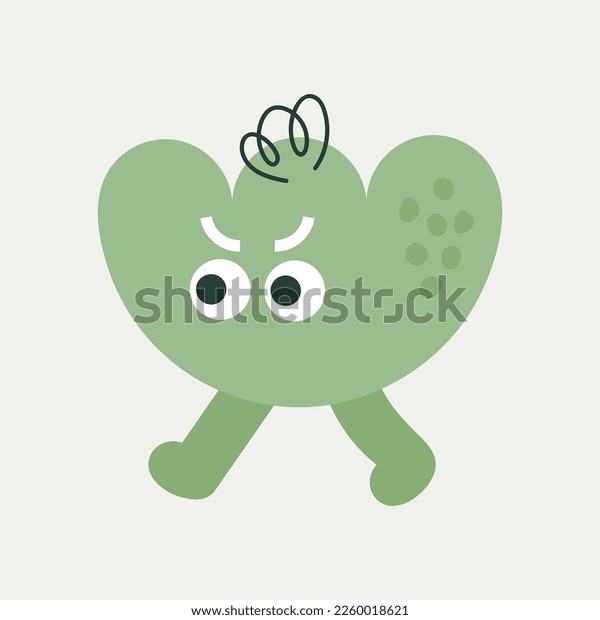
In the vast landscape of branding, an anthropomorphic mascot is more than a mere visual emblem—it is a narrative vessel, a silent ambassador that breathes life into a company’s identity. These characters, with their human-like traits and expressive forms, transcend the boundaries of static logos, forging emotional connections that linger in the minds of audiences. Whether you’re a fledgling startup or an established enterprise, crafting a mascot that resonates requires a blend of creativity, psychology, and strategic foresight. This guide explores the multifaceted process of designing an anthropomorphic mascot that not only captivates but endures, transforming brand perception into an unforgettable experience.
The Psychology Behind Anthropomorphism: Why We Connect with Mascots
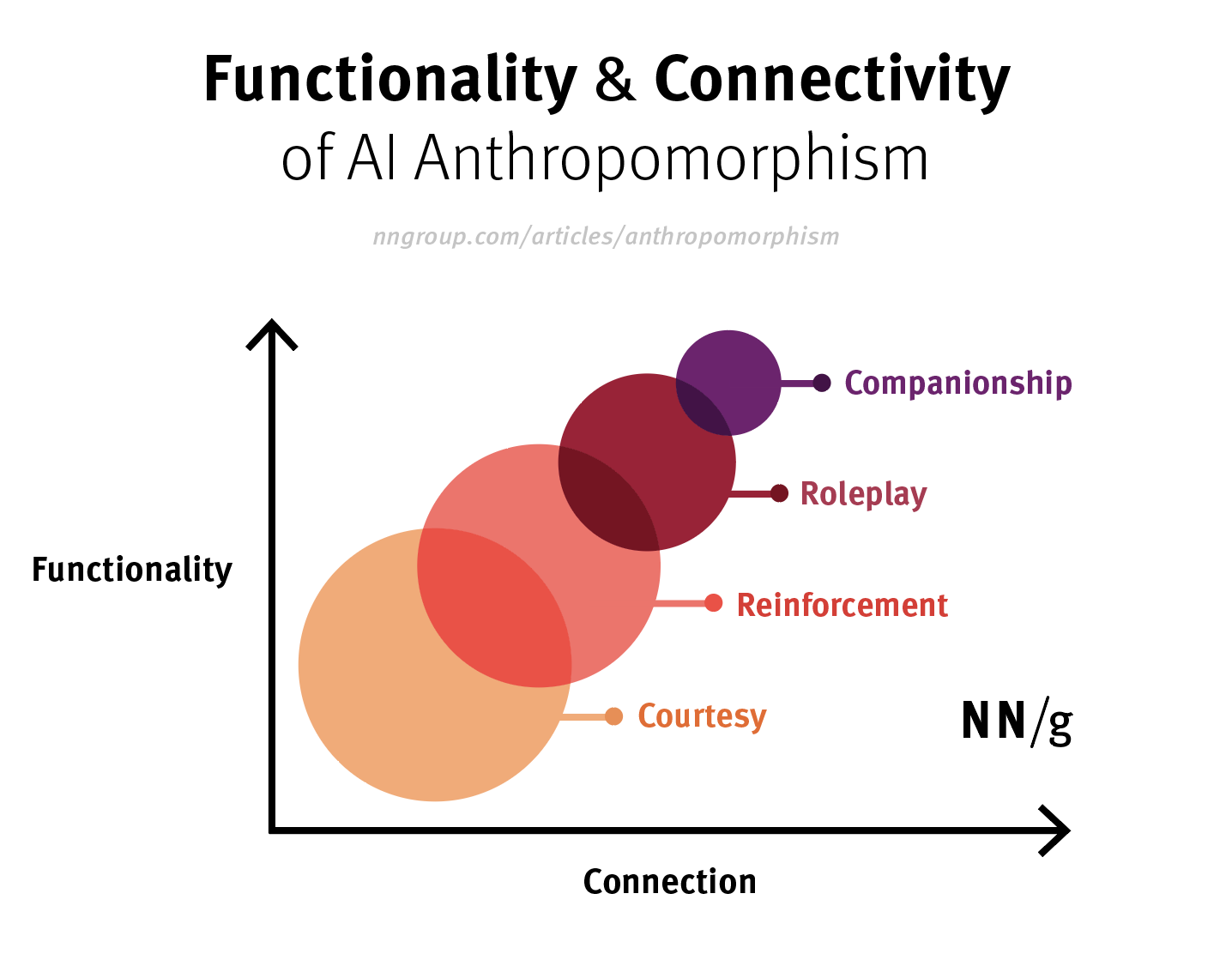
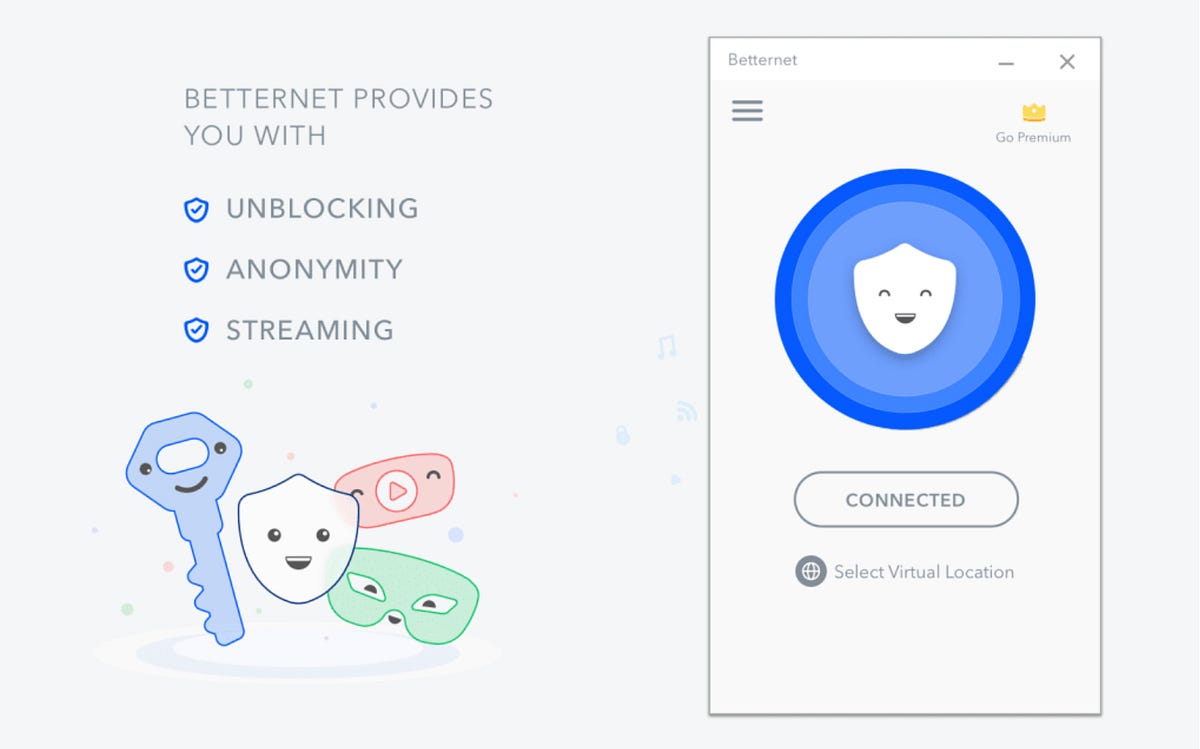
Humans are wired to anthropomorphize—our brains instinctively attribute human characteristics to non-human entities, a phenomenon rooted in our evolutionary need to understand and relate to the world around us. When a mascot embodies human traits—whether through facial expressions, posture, or behavior—it becomes a relatable figure, bridging the gap between abstraction and familiarity. Studies in consumer psychology reveal that mascots with anthropomorphic features elicit stronger emotional responses, fostering trust and brand loyalty. For instance, a mascot with wide, expressive eyes and a friendly smile subconsciously signals approachability, while dynamic gestures can convey energy and innovation. The key lies in leveraging these psychological triggers to create a character that feels less like a corporate symbol and more like a trusted companion.

Defining Your Mascot’s Core Identity: Beyond Aesthetics
Before sketching a single line, it’s imperative to crystallize the mascot’s identity—a process that demands introspection into the brand’s ethos, values, and audience. Start by asking: What emotions should this mascot evoke? Is it meant to be whimsical, authoritative, or perhaps a mischievous trickster? The answer hinges on the brand’s narrative. A playful mascot might suit a children’s toy company, while a sleek, minimalist design could align with a tech startup aiming for sophistication. Additionally, consider the mascot’s role: Will it be a protagonist in campaigns, a silent observer, or a dynamic participant in user interactions? This foundational clarity ensures the design isn’t just visually appealing but strategically aligned with the brand’s overarching goals.
Choosing the Right Anthropomorphic Traits: A Delicate Balancing Act
The art of mascot design lies in striking a balance between human and non-human elements. Too much abstraction risks obscuring relatability, while excessive anthropomorphism may dilute the brand’s uniqueness. Begin by selecting a primary animal or object as the base, then infuse it with human traits that resonate with the target demographic. For example, a fox could embody cunning and adaptability, making it ideal for a financial advisory firm, while an owl might symbolize wisdom for an educational platform. Pay attention to subtle details—such as the curvature of a smile or the tilt of a head—that can amplify the mascot’s personality. Tools like character archetypes (e.g., the Hero, the Sage, the Jester) can serve as a compass, guiding the design toward a universally recognizable yet distinct persona.

Color Palette and Visual Symbolism: Painting Emotions
Color is a silent storyteller, capable of evoking emotions and shaping perceptions before a single word is spoken. The mascot’s color palette should harmonize with the brand’s identity while amplifying its intended message. Warm hues like orange and red can convey enthusiasm and urgency, perfect for a sports brand, while cooler tones like blue and green might evoke trust and tranquility, suiting a healthcare organization. Beyond color, consider texture and contrast—matte finishes can soften a mascot’s appearance, making it more approachable, while glossy surfaces might suggest modernity and precision. Additionally, incorporate symbolic elements into the design, such as a crown for authority or a lightning bolt for energy, to reinforce the mascot’s narrative subconsciously.
Motion and Expressive Dynamics: Bringing the Mascot to Life
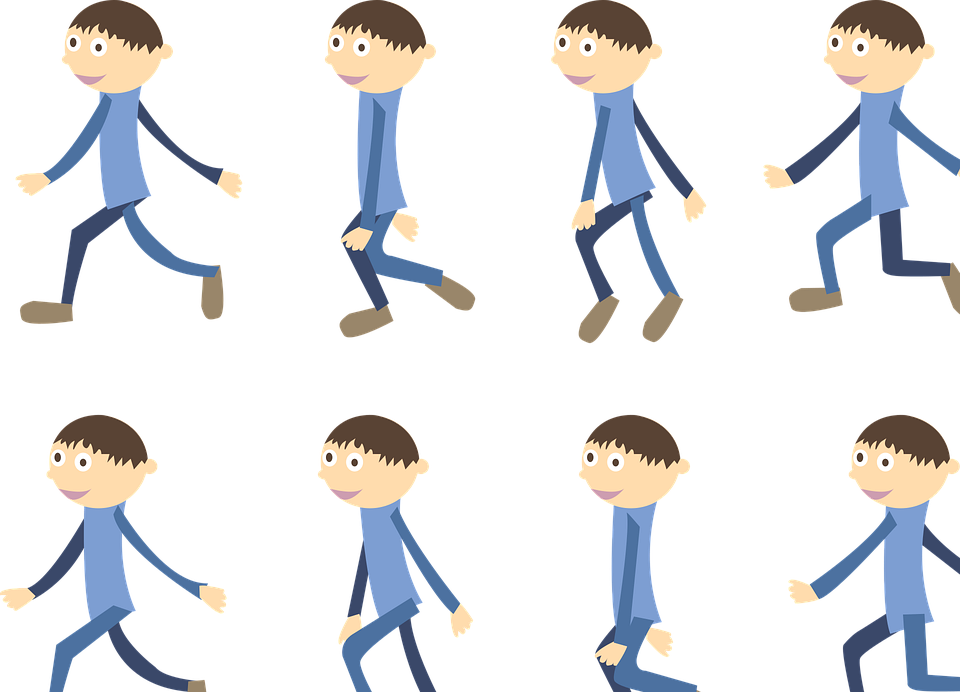
A static mascot is a missed opportunity. In an era dominated by digital interactions, motion design breathes vitality into the character, transforming it from a static image into a dynamic entity. Consider how the mascot moves—does it stride confidently, float ethereally, or scurry playfully? Animated mascots can convey emotions through subtle gestures, such as a raised eyebrow to indicate skepticism or a twirl to express joy. Even in print, the illusion of motion can be achieved through implied lines and dynamic poses. For instance, a mascot mid-jump suggests energy and aspiration, while a relaxed, seated posture conveys approachability. Tools like Adobe After Effects or even CSS animations can help prototype these movements, ensuring the mascot’s personality shines across all mediums.

Cultural Sensitivity and Universality: Avoiding Missteps
While a mascot’s design should be distinctive, it must also navigate the complexities of cultural context. What resonates in one region may alienate or offend in another. For example, certain animals carry specific connotations—an owl might symbolize wisdom in Western cultures but be associated with bad luck in others. Similarly, colors and gestures can have unintended meanings; a thumbs-up might be positive in the U.S. but offensive in parts of the Middle East. Conduct thorough research to ensure the mascot’s design is culturally neutral or, better yet, universally appealing. When in doubt, opt for simplicity and ambiguity, allowing the audience to project their own interpretations onto the character.
Storytelling Through the Mascot: Crafting a Narrative Arc
A mascot is most effective when it’s part of a larger narrative—a story that unfolds across campaigns, social media, and customer interactions. This narrative arc should align with the brand’s journey, whether it’s a hero’s quest, a mentor’s guidance, or a companion’s support. For instance, a mascot could evolve from a curious novice to a seasoned expert, mirroring the brand’s growth. Alternatively, the mascot might serve as a recurring character in mini-stories, solving problems or celebrating milestones alongside customers. The key is consistency—each interaction should reinforce the mascot’s established personality and the brand’s core values. Over time, this storytelling transforms the mascot from a logo into a beloved protagonist in the audience’s daily lives.
Testing and Iteration: Refining for Maximum Impact
No mascot design is flawless from the outset. Testing with focus groups or A/B experiments can reveal unintended associations or weaknesses in the design. For example, a mascot intended to appear friendly might be perceived as creepy due to exaggerated features. Gather feedback on the mascot’s likability, memorability, and alignment with the brand. Iterate based on this data, refining the design until it achieves the desired emotional resonance. Tools like heatmaps or eye-tracking software can also provide insights into how audiences visually engage with the mascot, highlighting areas that draw attention or cause confusion. Remember, the goal isn’t perfection but resonance—a mascot that feels tailor-made for its audience.
Integrating the Mascot Across Touchpoints: Consistency is Key
A mascot’s power lies in its ubiquity. To maximize impact, it must be seamlessly integrated across all brand touchpoints—from websites and packaging to social media and customer service. Develop a comprehensive style guide that outlines the mascot’s proportions, color codes, and usage rules to maintain consistency. For digital platforms, ensure the mascot is scalable, appearing crisp on everything from mobile screens to billboards. In physical spaces, consider three-dimensional adaptations, such as plush toys or statues, to create tangible connections. The more consistently the mascot appears, the more it becomes synonymous with the brand, embedding itself in the audience’s subconscious.

Measuring Success: Beyond Vanity Metrics
Evaluating a mascot’s effectiveness requires looking beyond superficial metrics like likes or shares. Instead, focus on qualitative indicators such as brand recall, customer engagement, and emotional sentiment. Surveys or sentiment analysis tools can gauge how audiences perceive the mascot, while analytics track engagement rates across different platforms. For example, if the mascot appears in email campaigns, monitor open rates and click-through rates to see if it drives action. Additionally, observe how the mascot influences brand perception—does it make the company feel more approachable or innovative? Over time, these insights will reveal whether the mascot has successfully transcended its role as a visual element to become a cornerstone of the brand’s identity.
Designing an anthropomorphic mascot that resonates is a journey of empathy, creativity, and strategic precision. It’s about distilling the essence of a brand into a character that feels alive, relatable, and enduring. By understanding the psychology behind connection, defining a clear identity, and iterating thoughtfully, you can create a mascot that doesn’t just represent your brand—it elevates it. In a world saturated with fleeting trends, a well-crafted mascot stands as a timeless beacon, guiding audiences toward a deeper, more meaningful relationship with the brand.