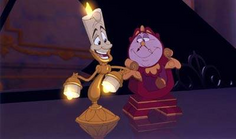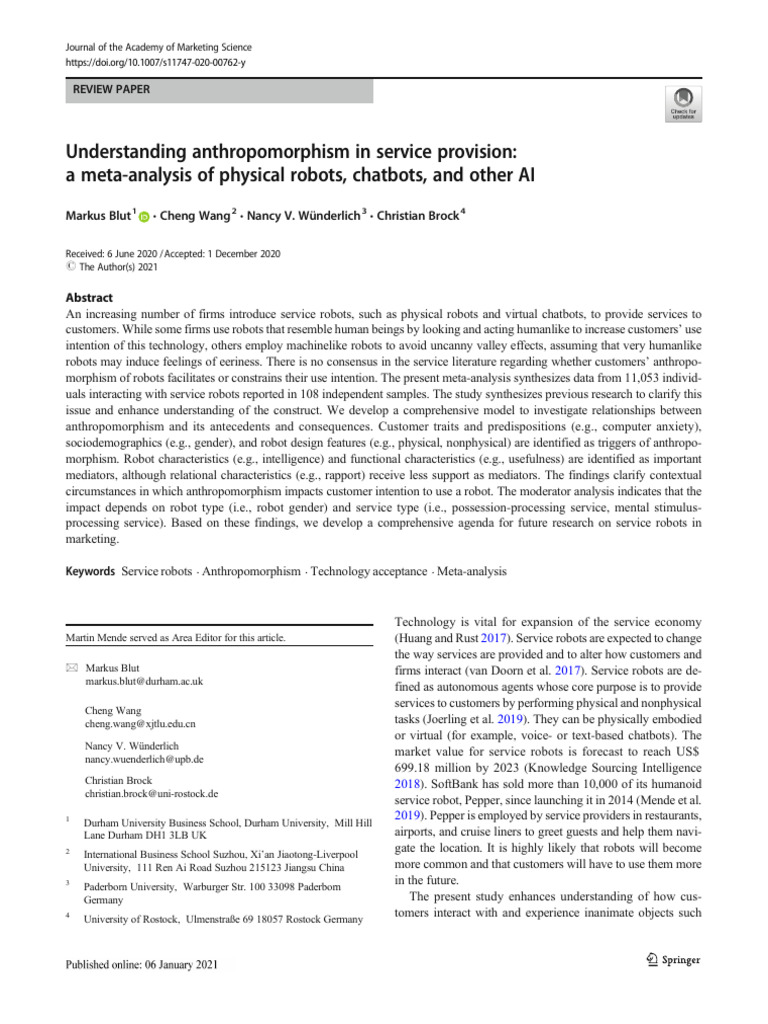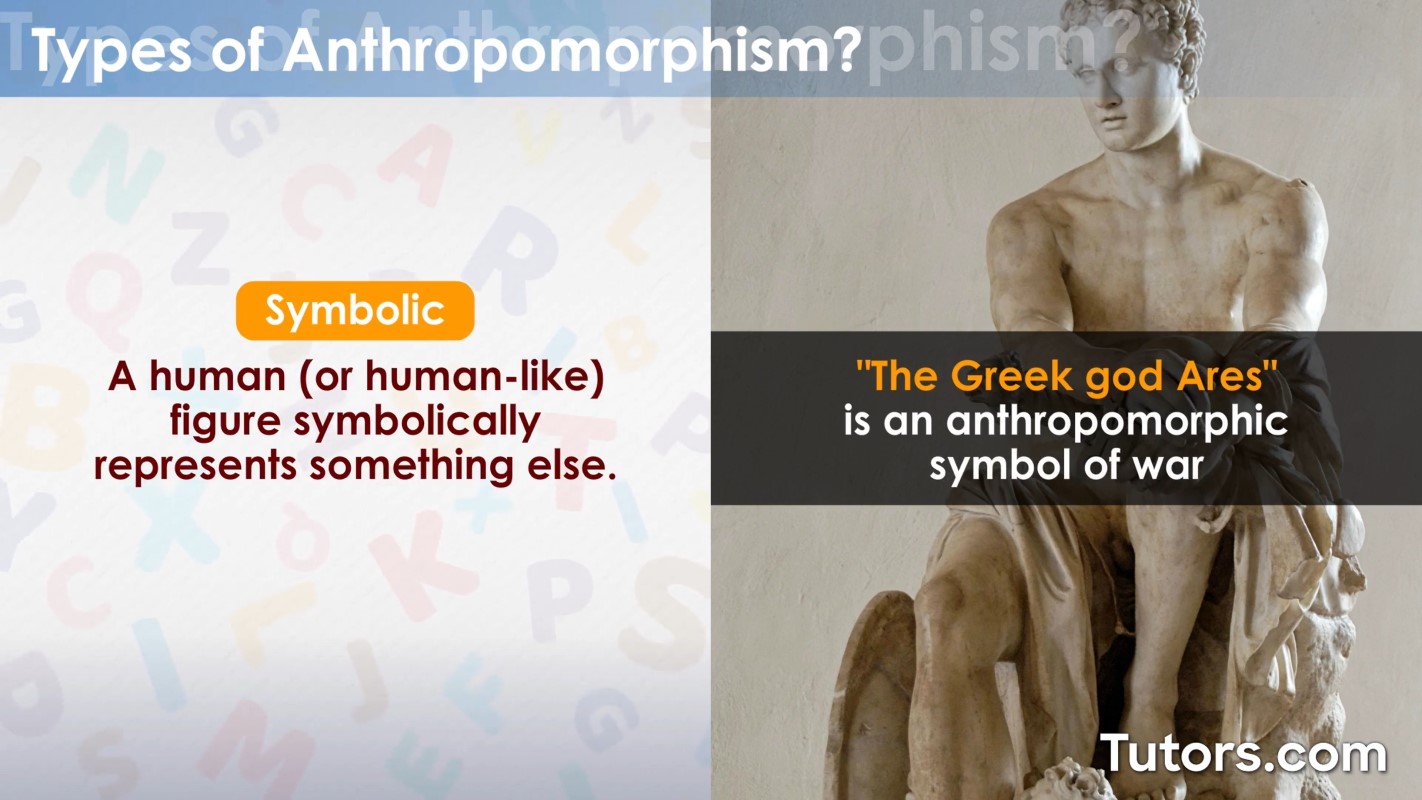
In the ever-evolving landscape of blockchain technology, one concept has emerged as both a bridge and a barrier: anthropomorphism. The practice of attributing human characteristics to non-human entities has long been a tool in storytelling, marketing, and even artificial intelligence. Yet, its intersection with blockchain and NFTs (Non-Fungible Tokens) presents a fascinating paradox. On one hand, anthropomorphism humanizes digital assets, making them relatable and emotionally resonant. On the other, it risks distorting the very essence of decentralization and immutability that underpins blockchain’s revolutionary potential. This article delves into the multifaceted role of anthropomorphism in blockchain and NFTs, exploring its psychological allure, its commercial implications, and the ethical dilemmas it introduces.
The Psychological Allure of Anthropomorphism in Digital Assets
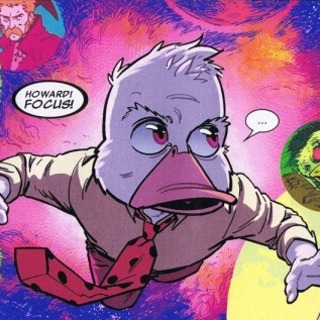
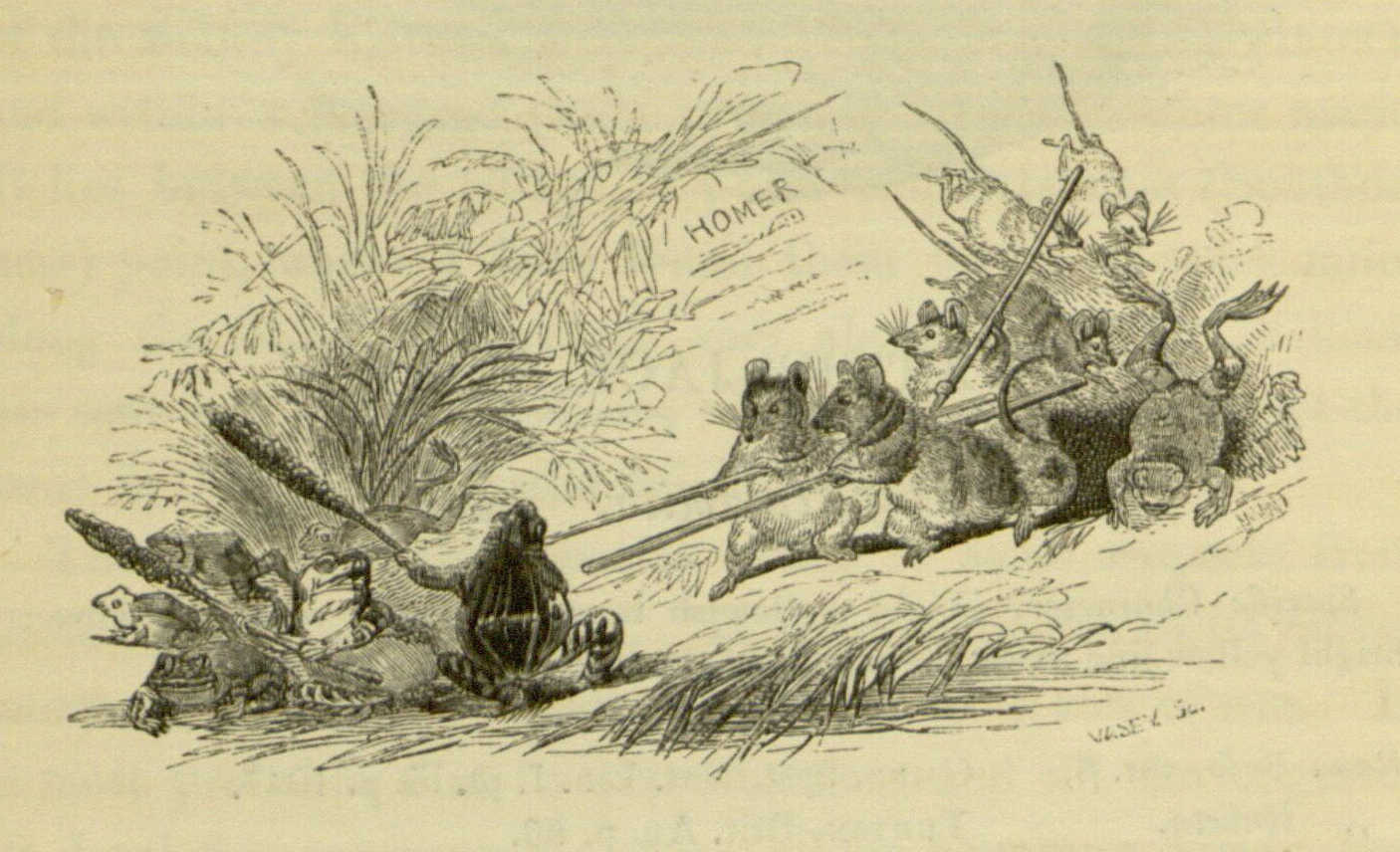
Humans are wired to anthropomorphize. From ancient myths to modern-day chatbots, we instinctively project human traits onto non-human entities to make sense of the unfamiliar. In the realm of blockchain, this tendency manifests in the form of NFTs that resemble characters, creatures, or even inanimate objects imbued with human-like personalities. Consider the success of collections like CryptoPunks or Bored Ape Yacht Club, where pixelated avatars are given backstories, social hierarchies, and even celebrity endorsements. This anthropomorphic appeal taps into our innate desire for connection and narrative, transforming abstract digital tokens into tangible, emotionally engaging assets.
The psychological underpinnings of this phenomenon are rooted in the uncanny valley effect—a concept borrowed from robotics where objects that appear almost, but not quite, human elicit a sense of unease. NFTs, however, navigate this terrain with finesse. They don’t aim for realism; instead, they embrace stylization, allowing users to project their own interpretations onto the characters. This creates a participatory illusion, where owners feel a sense of ownership not just over the asset, but over the story it represents. The result? A market where scarcity and uniqueness are amplified by emotional investment, driving demand and value.
Anthropomorphism as a Marketing Catalyst
Blockchain projects have leveraged anthropomorphism as a powerful marketing tool, transforming NFTs from mere digital certificates into cultural phenomena. The rise of community-driven narratives is a testament to this strategy. Projects like World of Women or Cool Cats NFTs don’t just sell images; they sell identities. Buyers aren’t just acquiring a JPEG—they’re joining a tribe, a subculture, or even a social movement. This marketing alchemy works because anthropomorphism simplifies complex blockchain concepts into relatable archetypes. A “decentralized autonomous organization” (DAO) becomes a council of wise avatars; a smart contract morphs into a trustworthy digital steward.
Yet, this approach is not without its pitfalls. The same emotional hooks that drive engagement can also foster speculative bubbles. When NFTs are marketed as “digital pets” or “virtual celebrities,” they blur the line between utility and hype. The 2021 NFT boom saw collections like the Ethereum Name Service (ENS) domains rebranded as “digital identities,” complete with human-like handles and avatars. While this anthropomorphic framing made the technology more accessible, it also contributed to a market frenzy where prices were detached from underlying value. The lesson? Anthropomorphism, when wielded recklessly, can turn innovation into a fleeting trend.
The Ethical Dilemma: Humanizing Decentralized Systems
At the heart of blockchain’s ethos lies decentralization—a principle that resists centralization, authority, and, by extension, anthropomorphism. Yet, the humanization of NFTs and blockchain entities introduces a paradox. If a smart contract is given a “face” or a DAO is personified as a collective of avatars, does it undermine the very idea of trustless, code-enforced systems? This ethical quandary forces us to question whether anthropomorphism is a necessary evil for mass adoption or a dangerous distortion of blockchain’s core tenets.
Consider the case of algorithmically generated NFTs, where traits are randomly assigned to create unique characters. While this process ensures rarity, it also reinforces the illusion of individuality. Each NFT becomes a “person” with a distinct backstory, even though its creation was purely mathematical. This raises questions about authenticity in a space that prides itself on transparency. If an NFT’s value is tied to its perceived personality rather than its technical attributes, does it risk becoming a form of digital animism—the belief that inanimate objects possess a soul? The implications are profound, especially as blockchain intersects with sectors like gaming, where NFTs are used to represent characters with evolving narratives.
Anthropomorphism in Blockchain Gaming: A Double-Edged Sword
Gaming has become a proving ground for anthropomorphism in blockchain, where NFTs are not just assets but active participants in virtual worlds. Games like Axie Infinity and Illuvium feature creatures with human-like traits, abilities, and even emotions. Players don’t just collect these NFTs; they nurture them, battle with them, and integrate them into their digital lives. This creates a symbiotic relationship between player and asset, where the NFT’s anthropomorphic design fosters deeper engagement.
However, this immersion comes at a cost. The more human-like an NFT character becomes, the more it risks emotional exploitation. Games like Star Atlas or DeFi Kingdoms use anthropomorphism to create immersive experiences, but they also blur the line between entertainment and manipulation. Players may form attachments to their NFTs, only to see their value fluctuate based on market whims. The ethical challenge here is to balance anthropomorphism’s emotional pull with the need for clear, transparent mechanics that prevent exploitation.
The Future: Balancing Humanity and Decentralization
As blockchain technology matures, the role of anthropomorphism will likely evolve from a marketing gimmick to a strategic tool for education and adoption. The key lies in striking a balance—using anthropomorphic elements to make complex concepts accessible without compromising the integrity of decentralized systems. For instance, blockchain tutorials could use animated characters to explain concepts like consensus mechanisms or gas fees, making them more digestible for newcomers. Similarly, NFT marketplaces could adopt dynamic anthropomorphism, where assets evolve based on real-world data or user interactions, blending human-like behavior with algorithmic precision.
Yet, the future also demands vigilance. The more blockchain entities are anthropomorphized, the greater the risk of decentralized identity crises. If a DAO is treated as a person, who is held accountable for its actions? If an NFT is seen as a living entity, how do we reconcile its digital existence with real-world legal frameworks? These questions underscore the need for a meta-anthropomorphic framework—one that acknowledges the human tendency to project while preserving the technical and ethical foundations of blockchain.
Conclusion: The Anthropomorphic Paradox
Anthropomorphism in blockchain and NFTs is a double-edged sword, capable of both democratizing technology and distorting its purpose. It humanizes the abstract, making blockchain more relatable and engaging, but it also risks obscuring the very principles that make it revolutionary. The challenge ahead is to harness anthropomorphism’s power without succumbing to its pitfalls. Whether through innovative storytelling, ethical design, or transparent mechanics, the future of blockchain may well depend on our ability to navigate this paradox—turning pixels into people, and code into connection, without losing sight of the decentralized dream.