Anthropomorphism—the attribution of human traits, emotions, or intentions to non-human entities—is a pervasive phenomenon across cultures, yet its prevalence varies dramatically. Some societies weave it into their mythologies, folklore, and even scientific discourse with ease, while others maintain a more detached, literal interpretation of the world. The reasons behind this disparity are as complex as they are fascinating, rooted in historical, psychological, and environmental factors. To understand why some cultures anthropomorphize more than others, we must explore the interplay between cognitive predispositions, societal structures, and the natural world they inhabit.
The Cognitive Foundations of Anthropomorphism: Why Our Brains Seek Human Faces in the Unknown
At the heart of anthropomorphism lies a fundamental aspect of human cognition: our brains are wired to recognize patterns, especially those that resemble faces or human-like forms. This phenomenon, known as pareidolia, explains why we see faces in clouds, the moon, or even toast. Evolutionarily, this tendency likely developed as a survival mechanism—quickly identifying potential threats or allies in ambiguous environments would have conferred a significant advantage. When applied to non-human entities, this cognitive shortcut transforms abstract concepts into relatable figures, making the unfamiliar feel familiar.
Cultural anthropologists suggest that societies with a strong emphasis on oral traditions or animistic beliefs are more prone to anthropomorphism because their worldviews inherently blur the line between the human and the non-human. For instance, many Indigenous cultures in the Americas and Australia traditionally view animals, plants, and even natural phenomena as possessing spirits or consciousness. This perspective isn’t merely symbolic; it’s a functional framework for understanding the world, where agency is not confined to humans but extends to the entire ecosystem. In such cultures, anthropomorphism isn’t just a literary device—it’s a cognitive necessity.
Contrast this with cultures that prioritize empirical observation and mechanistic explanations, such as those in Western scientific traditions. Here, anthropomorphism is often relegated to the realm of metaphor or childhood storytelling. Yet even in these societies, it persists in unexpected places—from corporate logos featuring friendly animal mascots to the personification of natural disasters in media. The difference lies not in the absence of anthropomorphic tendencies but in their contextualization: where one culture sees a living spirit, another sees a useful narrative tool.

Environmental and Ecological Influences: How Geography Shapes Perception
The environments in which cultures develop play a pivotal role in shaping their propensity for anthropomorphism. Societies that coexist closely with diverse ecosystems—such as hunter-gatherer communities or agricultural societies reliant on seasonal cycles—often develop rich traditions of animism and anthropomorphism. In these settings, the boundaries between human and non-human realms are porous; animals are not merely prey or pests but potential kin, teachers, or adversaries. The !Kung San of the Kalahari, for example, describe animals in their myths as possessing human-like intentions, reflecting their deep interdependence with the natural world.
Conversely, cultures that emerge in arid or resource-scarce environments may prioritize practicality over symbolism. The ancient Egyptians, while deeply religious, often depicted their gods in hybrid forms—part human, part animal—yet their anthropomorphism was highly structured, tied to specific roles and domains. This suggests that even in resource-limited settings, anthropomorphism can flourish when it serves a functional purpose, such as reinforcing social hierarchies or explaining natural phenomena.
Climate also influences the types of entities that are anthropomorphized. In flood-prone regions like the Indus Valley, rivers and storms were often deified as capricious deities, reflecting the unpredictability of the environment. Meanwhile, in mountainous regions like the Andes, where altitude and isolation breed a sense of awe toward the landscape, mountains themselves were revered as living entities. These examples illustrate how anthropomorphism adapts to the immediate challenges and wonders of a culture’s surroundings.
Religious and Mythological Frameworks: Gods, Spirits, and the Human Imagination
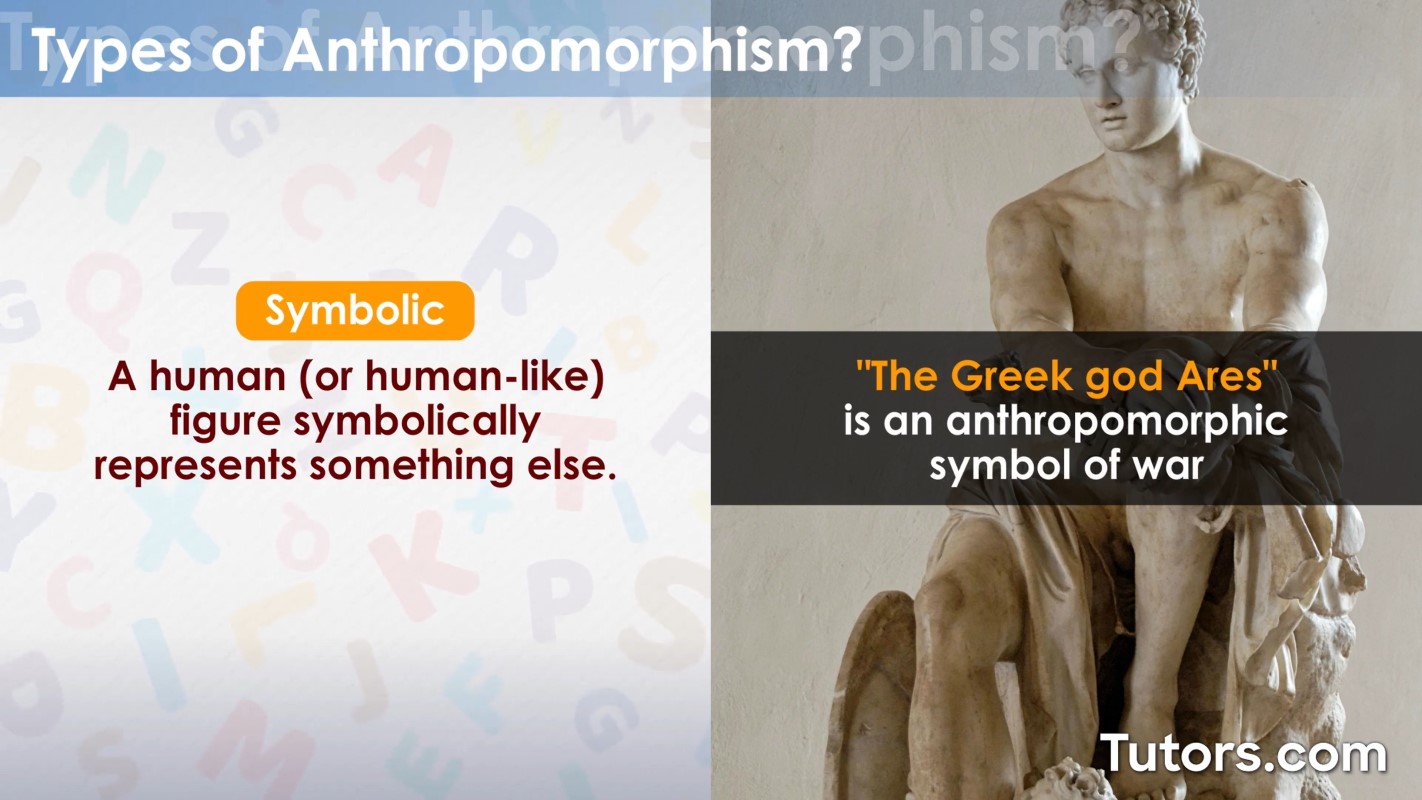
Religion and mythology are perhaps the most fertile grounds for anthropomorphism, where deities, demons, and spirits are routinely endowed with human emotions, flaws, and motivations. The degree to which a culture anthropomorphizes its deities often correlates with the complexity of its pantheon. Polytheistic religions, such as those of ancient Greece or Hinduism, teem with gods who exhibit very human traits—jealousy, love, wrath—because these deities are meant to be relatable, serving as both moral guides and cautionary tales. The Greek gods’ petty squabbles and emotional outbursts make their stories timeless, bridging the gap between the divine and the mortal.
Monotheistic traditions, by contrast, often struggle with the paradox of an omnipotent, transcendent deity. Judaism, for instance, strictly prohibits the creation of graven images, yet biblical texts frequently describe God in anthropomorphic terms—walking in the garden, regretting decisions, or even appearing in human form. This tension reflects a deeper philosophical question: how does one reconcile an abstract, infinite being with the limitations of human language? The answer, in many cases, is anthropomorphism—using human-like imagery to make the divine comprehensible.
Mythologies also reveal cultural priorities. In Norse mythology, gods like Odin and Thor are deeply flawed, embodying traits such as greed and impulsiveness, which reflect the values and fears of Viking society. Meanwhile, the abstract, non-anthropomorphic deities of certain Indigenous Australian traditions emphasize a more holistic, interconnected worldview where agency is distributed rather than centralized. These variations underscore how anthropomorphism is not a universal constant but a tool shaped by cultural needs.

Social and Political Structures: Power, Control, and the Personification of Authority
Anthropomorphism isn’t confined to the spiritual or natural worlds; it also permeates human institutions. The personification of abstract concepts like justice, war, or the nation-state serves to make these entities feel tangible and accountable. The Roman goddess Justitia, blindfolded and holding scales, embodies the ideal of impartial justice, while the modern concept of “Mother Nature” frames the environment as a nurturing but occasionally vengeful force. These personifications are not merely decorative—they shape how societies conceptualize and interact with power structures.
Political anthropomorphism often serves to legitimize authority. Leaders and rulers have long been depicted as father figures, shepherds, or even divine avatars to foster loyalty and obedience. The concept of the “divine right of kings” in medieval Europe is a prime example, where monarchs were portrayed as extensions of God’s will. Similarly, revolutionary movements frequently anthropomorphize the nation itself, framing it as a suffering entity in need of liberation. The French Revolution’s depiction of Liberty as a woman with a Phrygian cap is a potent symbol of this trend.
In contrast, societies with decentralized or egalitarian structures may anthropomorphize less, preferring to describe power in more abstract or collective terms. The Iroquois Confederacy, for instance, conceptualized governance through a council of clan mothers rather than a single anthropomorphized authority figure. This reflects a cultural emphasis on consensus and shared responsibility over hierarchical personification.
Technological and Scientific Anthropomorphism: From Myth to Machine
The modern era has seen a resurgence of anthropomorphism, albeit in new forms. As technology becomes more integrated into daily life, we increasingly attribute human-like qualities to machines, algorithms, and even abstract systems. Voice assistants like Siri or Alexa are designed with human-like names and voices, while AI researchers debate whether machines can possess “intelligence” or “creativity.” This phenomenon, sometimes called technomorphism, reveals how anthropomorphism adapts to contemporary contexts.
Science, too, employs anthropomorphism as a heuristic tool. Biologists might describe a cell’s “decision” to divide or a virus’s “strategy” to infect, not because these entities possess consciousness, but because human-like language makes complex processes more intuitive. Even in physics, particles are often described as “interacting” or “choosing” paths, a linguistic shortcut that belies the deterministic nature of their behavior. This reflects a broader trend: as our understanding of the world grows more abstract, we rely on anthropomorphic metaphors to ground it in familiar terms.
Yet this modern anthropomorphism is not without controversy. Critics argue that it can lead to misconceptions, such as the belief that AI possesses genuine understanding or that ecosystems operate with intentionality. The challenge lies in balancing the utility of anthropomorphic language with the need for precision—a tension that mirrors historical debates over religious and mythological personifications.
Cultural Exchange and Globalization: The Blending and Clashing of Anthropomorphic Traditions
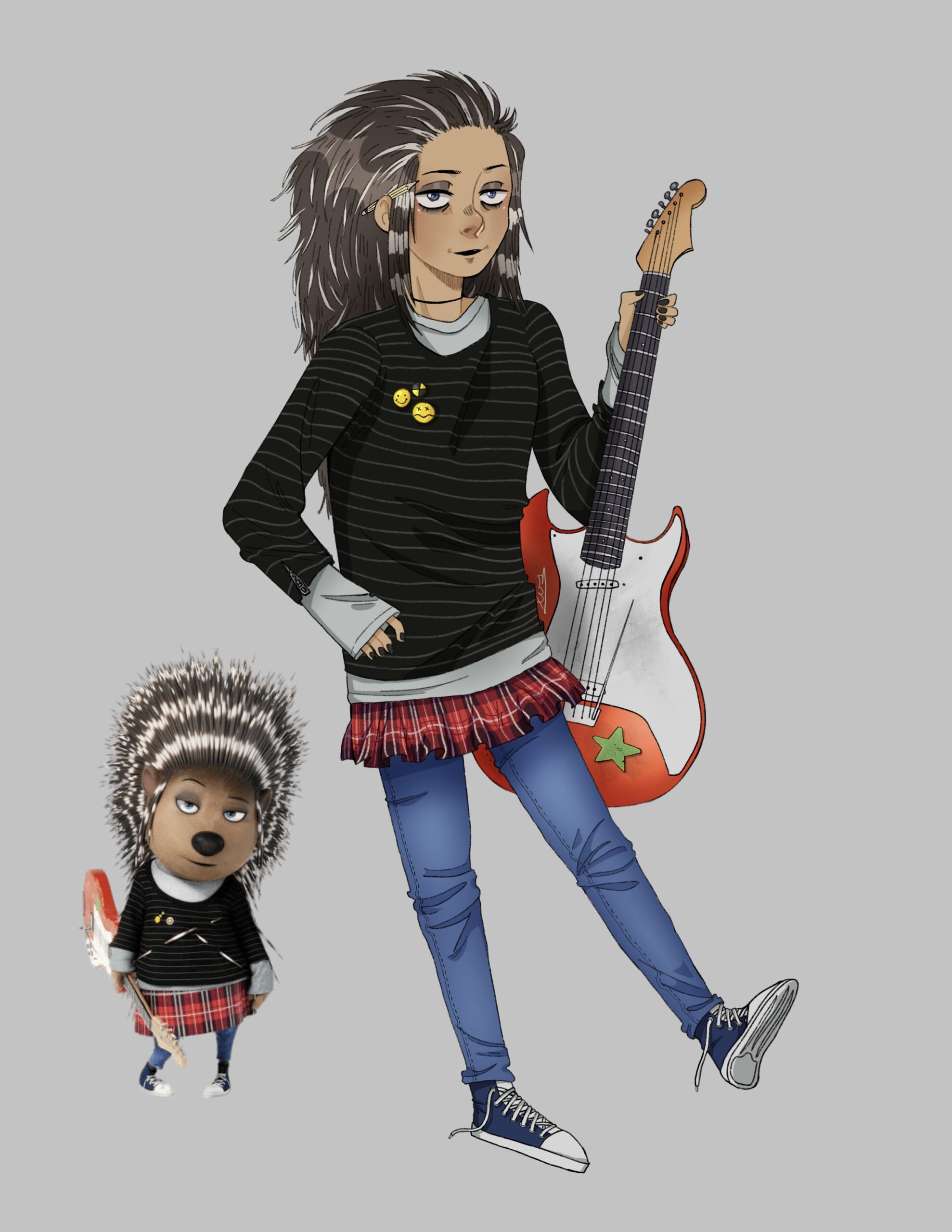
In an era of globalization, anthropomorphic traditions are no longer confined to their cultures of origin. Western cartoons, anime, and video games have exported anthropomorphic characters—from Mickey Mouse to Pikachu—to audiences worldwide, often blending or diluting traditional meanings. Meanwhile, non-Western traditions are gaining visibility, with figures like the Hindu deity Ganesha or the Japanese kitsune appearing in global media. This cross-pollination can enrich cultural understanding but also risks reducing complex symbolism to simplistic tropes.
Globalization also sparks resistance. Some cultures push back against the imposition of anthropomorphic narratives, viewing them as a form of cultural erasure. For example, Indigenous communities have criticized the commercialization of sacred figures, arguing that their anthropomorphic representations are being stripped of their original spiritual significance. This tension highlights the power dynamics at play when anthropomorphism crosses cultural boundaries.
Yet, when approached with sensitivity, cultural exchange can lead to innovative reinterpretations. The fusion of Japanese anime aesthetics with Indigenous storytelling, for instance, has given rise to new forms of anthropomorphic art that honor both traditions. These hybrid forms demonstrate that anthropomorphism is not a static phenomenon but a dynamic, evolving dialogue between cultures.
Conclusion: The Enduring Allure of the Human-Like Unknown
Anthropomorphism is far more than a literary device or a quirk of human psychology—it is a fundamental aspect of how we make sense of the world. Whether through the animistic beliefs of Indigenous cultures, the mythological personifications of ancient religions, or the technomorphic metaphors of modern science, the impulse to see ourselves in the non-human is a testament to our need for connection and meaning. The variations in how cultures anthropomorphize reflect deeper differences in their values, environments, and structures of power. Yet beneath these differences lies a shared human experience: the desire to bridge the gap between the known and the unknown, the self and the other.
As our world becomes increasingly interconnected and abstract, anthropomorphism will continue to evolve, adapting to new challenges and contexts. It will persist not because it is a flaw in our thinking, but because it is a tool—a way of navigating a universe that is, at its core, indifferent to our existence. In endowing the world with human-like qualities, we do not merely project our own image onto it; we create a language through which we can engage with it, understand it, and ultimately, find our place within it.