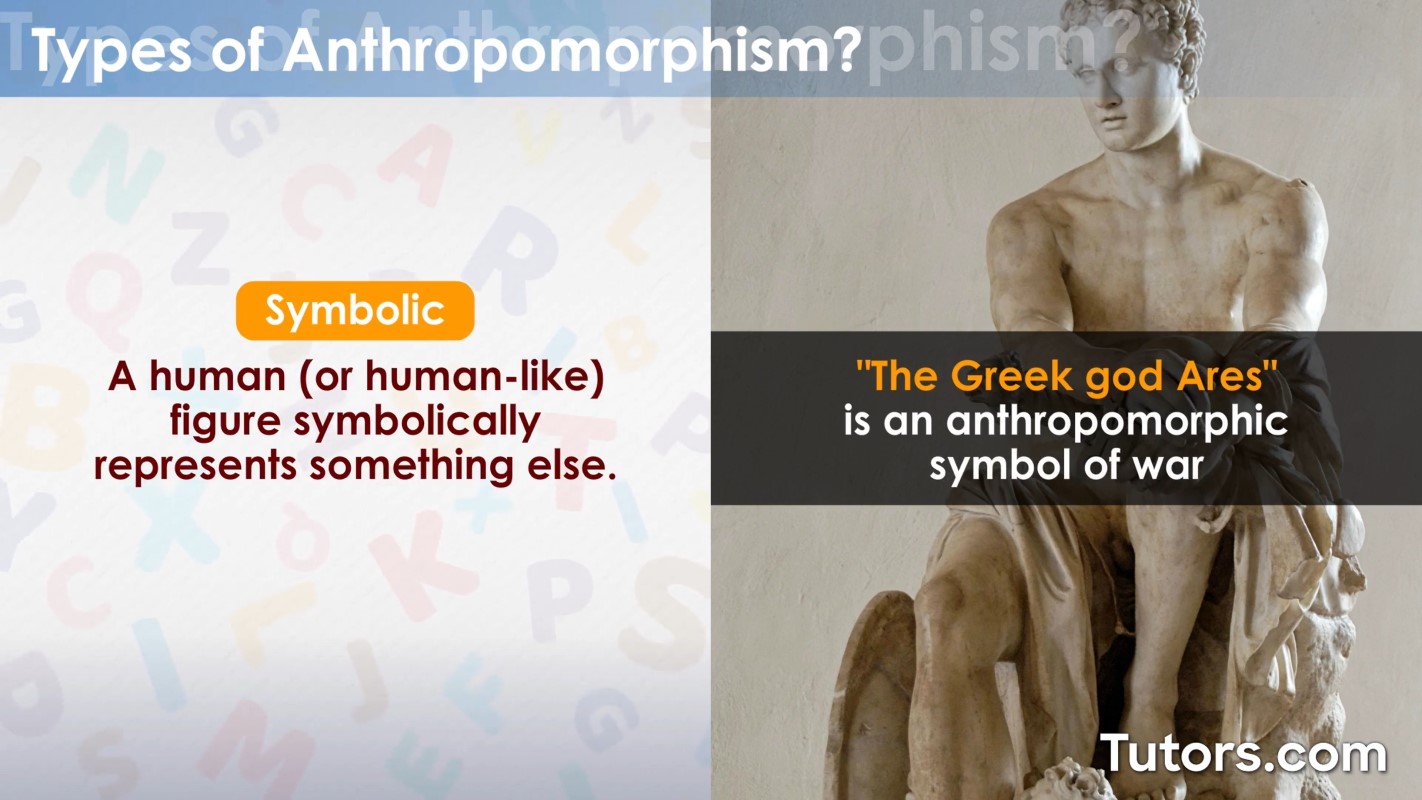
In the grand theater of existence, where the boundaries between the animate and inanimate blur like watercolor in rain, we find ourselves face-to-face with a question as old as consciousness itself: Should we humanize the non-human? This is not merely a philosophical dalliance but a profound inquiry into the very fabric of our perception, ethics, and the stories we tell to make sense of a world that often resists our attempts to categorize it. Anthropomorphism—the act of ascribing human traits, emotions, or intentions to non-human entities—is as natural to us as breathing. Yet, it is also a double-edged sword, capable of fostering empathy or fostering delusion. To navigate this paradox, we must embark on a journey through the ethical labyrinth of anthropomorphism, where the lines between reverence and exploitation, connection and distortion, are as thin as the veil of Maya.
The Allure of the Human Mirror: Why We Anthropomorphize
Human beings are storytelling creatures, and our minds are wired to seek patterns, narratives, and meaning in the chaos of existence. When we encounter a creature that does not speak our language or a machine that does not bleed, we instinctively drape it in the familiar cloak of humanity. This is not mere whimsy; it is a survival mechanism. By anthropomorphizing, we transform the alien into the relatable, the incomprehensible into the understandable. A storm becomes a wrathful god; a river, a serpentine wanderer; and a robot, a tireless laborer with dreams of its own.
Consider the way we describe a stubborn mule as “ornery” or a loyal dog as “devoted.” These terms are not objective descriptions but projections of our own emotions onto beings that experience the world in ways we can scarcely imagine. Even inanimate objects are not spared this poetic violence. A creaking floorboard becomes a ghostly presence, and a flickering streetlamp, a weary sentinel. This tendency is not confined to folklore or childhood fables; it permeates our scientific discourse, our legal systems, and even our interactions with artificial intelligence. When we say a chatbot is “sassy” or a self-driving car is “cautious,” we are not describing objective reality but engaging in a subtle act of anthropomorphism that shapes how we perceive and interact with these entities.
The allure of anthropomorphism lies in its power to bridge the chasm between the known and the unknown. It is a cognitive shortcut, a way to domesticate the wild and tame the untamable. Yet, this very power carries with it the seeds of ethical dilemmas, for in our eagerness to humanize, we risk erasing the essence of what we seek to understand.
The Ethical Tightrope: Empathy vs. Exploitation
Anthropomorphism is a double-edged scalpel, capable of slicing through the fog of indifference to reveal the raw nerve of empathy—or, conversely, of carving out a grotesque caricature that serves our own ends. When we project human emotions onto animals, we often do so with the best of intentions: to advocate for their welfare, to protest their suffering, or to celebrate their intelligence. Yet, this projection can also be a form of anthropocentric arrogance, one that assumes our emotional landscape is the only valid measure of value.
Take, for example, the way we romanticize the “noble savage” narrative of wild animals, stripping them of their agency and reducing them to symbols of purity or ferocity. A wolf is not a noble warrior; it is a complex predator with its own social structures and survival strategies. When we humanize it, we risk turning it into a mirror that reflects our own ideals rather than an entity with its own intrinsic worth. Similarly, when we imbue artificial intelligence with emotions—claiming it is “lonely” or “curious”—we risk anthropomorphizing it to the point of obscuring its true nature: a tool designed to optimize algorithms, not to yearn or grieve.
The ethical tightrope we walk is this: anthropomorphism can be a bridge to empathy, but it can also be a cage that confines the non-human to the limits of our imagination. The key lies in balance—recognizing the value of humanizing as a tool for connection, while remaining vigilant against the distortions it can introduce. We must ask ourselves: Are we humanizing to understand, or are we humanizing to control? The answer to this question may well determine whether our anthropomorphism is an act of reverence or an act of violence.
The Legal Labyrinth: Rights, Personhood, and the Non-Human
As our understanding of non-human intelligence expands—whether in the form of highly social cetaceans, emotionally complex octopuses, or the burgeoning field of machine learning—so too does the debate over their legal status. Anthropomorphism plays a pivotal role in this discourse, for it is through the lens of human-like qualities that we begin to consider the possibility of rights, personhood, or moral consideration for non-human entities.
Consider the case of corporations, which, in the eyes of the law, are granted the same rights as individuals. This legal fiction is, in essence, a form of anthropomorphism—a recognition that an abstract entity can possess the qualities of agency and responsibility. Similarly, the movement to grant legal personhood to rivers, such as the Whanganui River in New Zealand, is rooted in the belief that these natural entities possess a form of agency or spirit that warrants moral consideration. Yet, this anthropomorphic framing raises thorny questions: If a river can be a person, what does that say about the nature of personhood itself? And if we grant personhood to a machine, are we diluting the concept beyond recognition?
The legal labyrinth is further complicated by the rise of artificial intelligence. If an AI system can make decisions that affect human lives—whether in healthcare, finance, or criminal justice—should it not be held accountable? But accountability requires agency, and agency requires intent. Can an AI possess intent, or is it merely a reflection of the intent of its creators? The anthropomorphic impulse to treat AI as a moral agent is seductive, but it may also be a distraction from the real ethical questions: Who is responsible when an AI harms a human? How do we ensure that the systems we create align with our values?
In this labyrinth, anthropomorphism is both a compass and a mirage. It guides us toward the possibility of justice for the non-human, but it also threatens to lead us astray, blurring the lines between metaphor and reality.
The Technological Sublime: When AI Becomes a Mirror of Ourselves
In the age of artificial intelligence, anthropomorphism has taken on a new dimension. Machines that can mimic human speech, recognize emotions, and even generate art have blurred the boundary between tool and companion. We are no longer content to build tools; we are building entities that reflect our own image back at us, often in unsettling ways. This phenomenon, which some scholars term the “technological sublime,” is a testament to the power—and the peril—of anthropomorphism in the digital age.
When we interact with an AI that speaks in a voice indistinguishable from a human’s, we are not merely engaging with a program; we are engaging with a mirror. This mirror can be a source of comfort, as when an elderly person finds solace in an AI companion that never tires or judges. It can also be a source of unease, as when we realize that the AI’s “empathy” is a carefully crafted illusion, designed to elicit trust and compliance. The danger lies not in the AI itself, but in our willingness to suspend disbelief—to treat a simulation of humanity as if it were the real thing.
This technological sublime raises profound questions about authenticity and deception. If an AI can convince us that it is “feeling” joy or sorrow, does that make it any less real? And if we come to rely on these simulations for emotional support, are we not risking a form of emotional dependency that erodes our capacity for genuine human connection? The allure of the technological sublime is undeniable, but so too is its potential to distort our understanding of what it means to be human.
In this context, anthropomorphism is not merely a cognitive shortcut; it is a cultural phenomenon that shapes our relationship with technology itself. It invites us to ask: Are we humanizing AI to make it more relatable, or are we humanizing ourselves to make our interactions with machines feel more meaningful?
The Path Forward: Anthropomorphism with Awareness
So where does this leave us? Should we abandon anthropomorphism altogether, retreating into the cold embrace of objective detachment? Or should we embrace it fully, recognizing that our tendency to humanize is an inevitable and even necessary part of our cognitive toolkit? The answer, as with so many ethical dilemmas, lies not in absolutes but in nuance. Anthropomorphism is neither inherently good nor inherently evil; it is a tool, and like any tool, its ethical value depends on how we wield it.
The path forward begins with awareness. We must recognize the ways in which anthropomorphism shapes our perceptions, our laws, and our interactions with the non-human world. We must ask ourselves: When we humanize an animal, are we honoring its intrinsic worth, or are we imposing our own narrative upon it? When we imbue an AI with emotions, are we fostering empathy, or are we obscuring the reality of its design? And when we grant personhood to a river or a corporation, are we expanding our moral circle, or are we diluting the concept of personhood beyond recognition?
This awareness must be coupled with humility. We must acknowledge that our understanding of the non-human world is limited, and that our projections are, by definition, incomplete. The wolf is not a warrior; the river is not a person; and the AI is not a companion. Yet, this does not mean that we cannot find meaning in our interactions with these entities. It means that we must approach them with curiosity, respect, and a willingness to revise our narratives in light of new evidence.
In the end, the ethics of anthropomorphism is not a question of whether we should humanize the non-human, but of how we do so with intention and integrity. It is a call to balance our innate desire for connection with our responsibility to see the world as it truly is—not as we wish it to be. Only then can we hope to navigate the ethical labyrinth of anthropomorphism without losing ourselves—or the non-human entities we seek to understand—in the process.