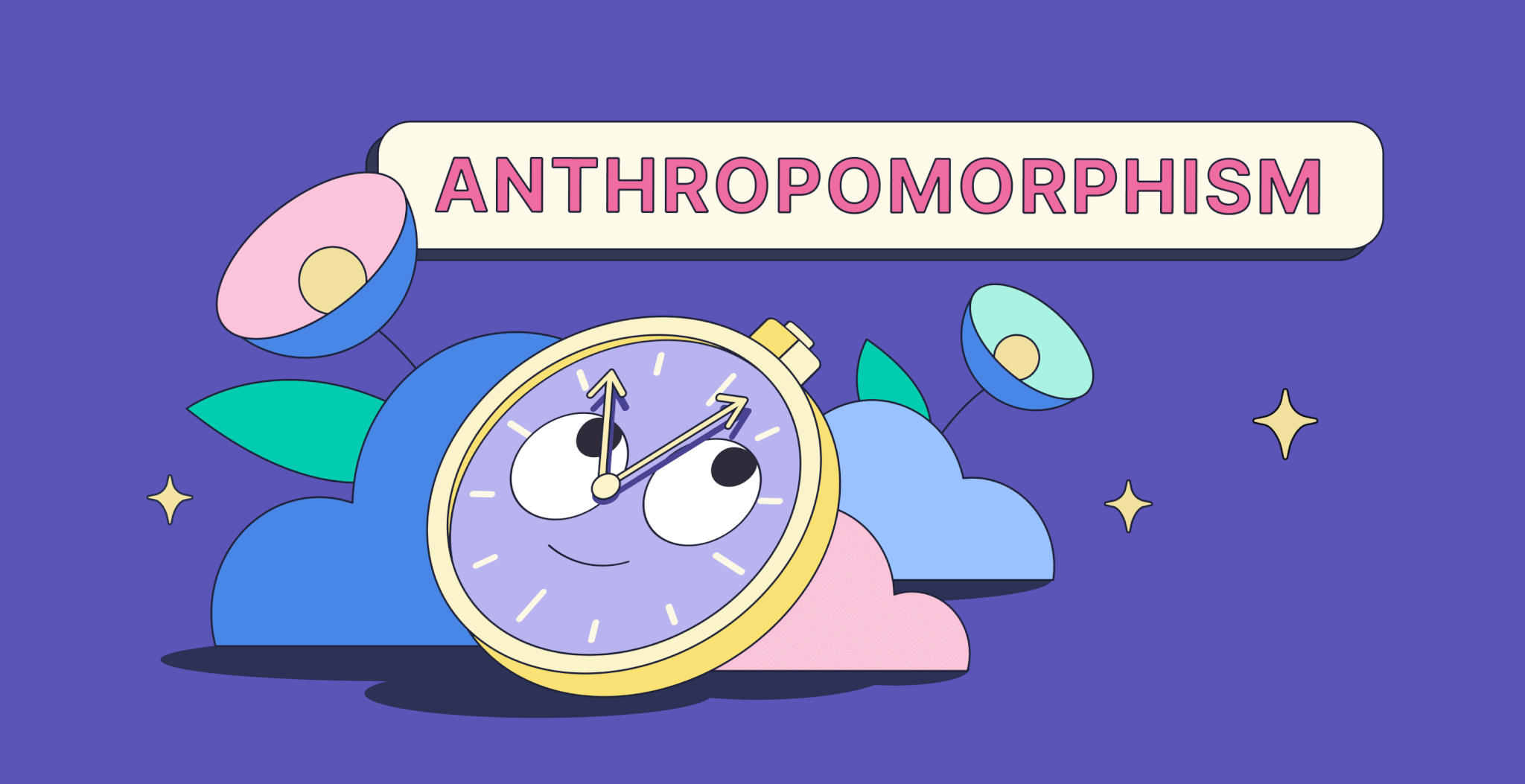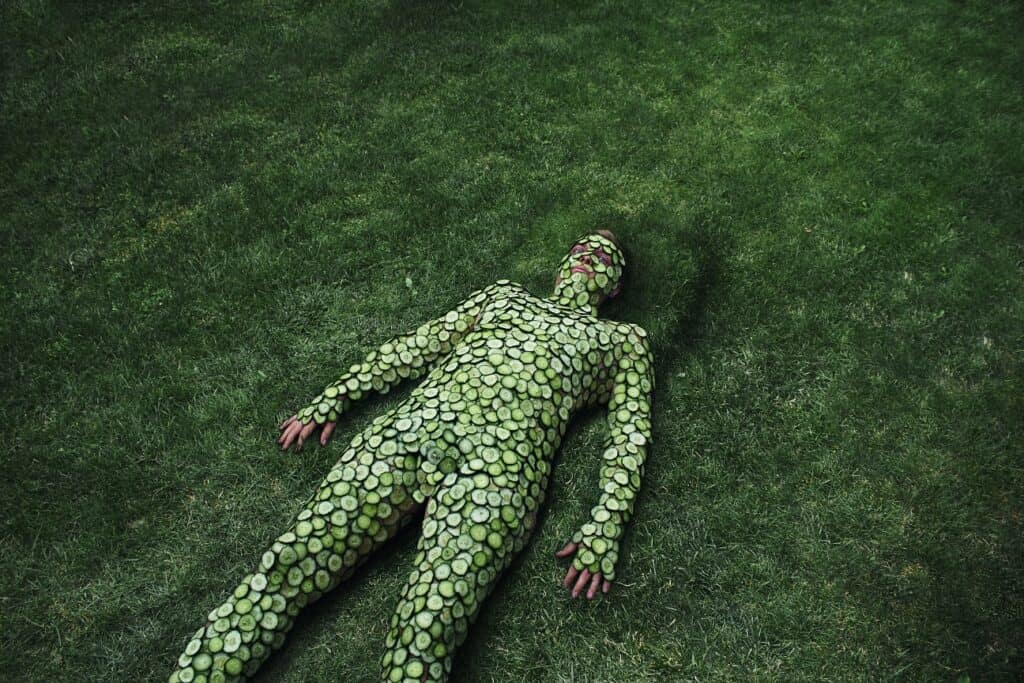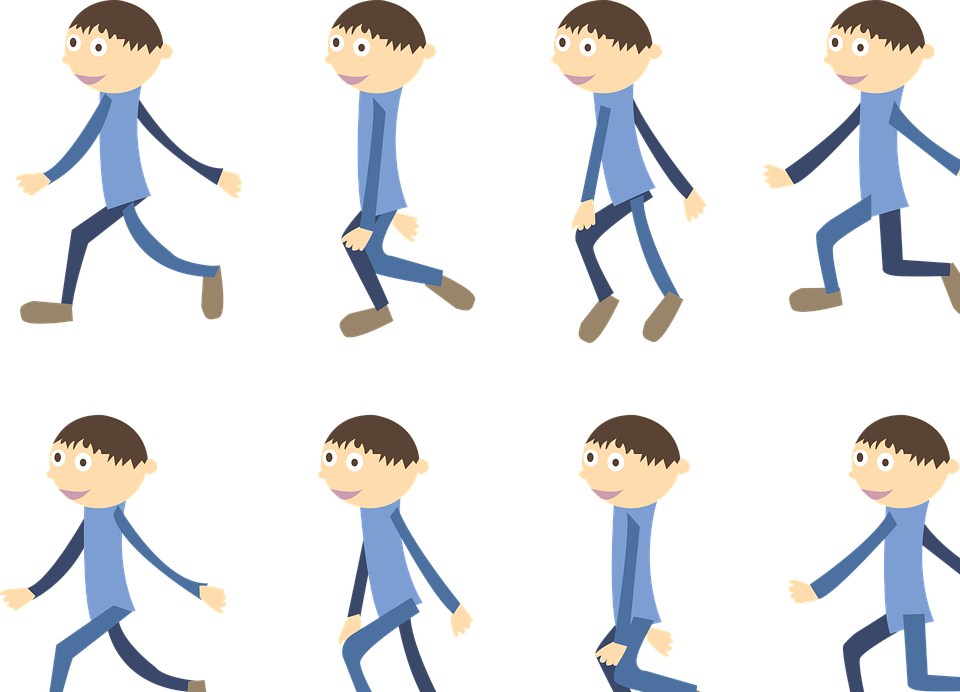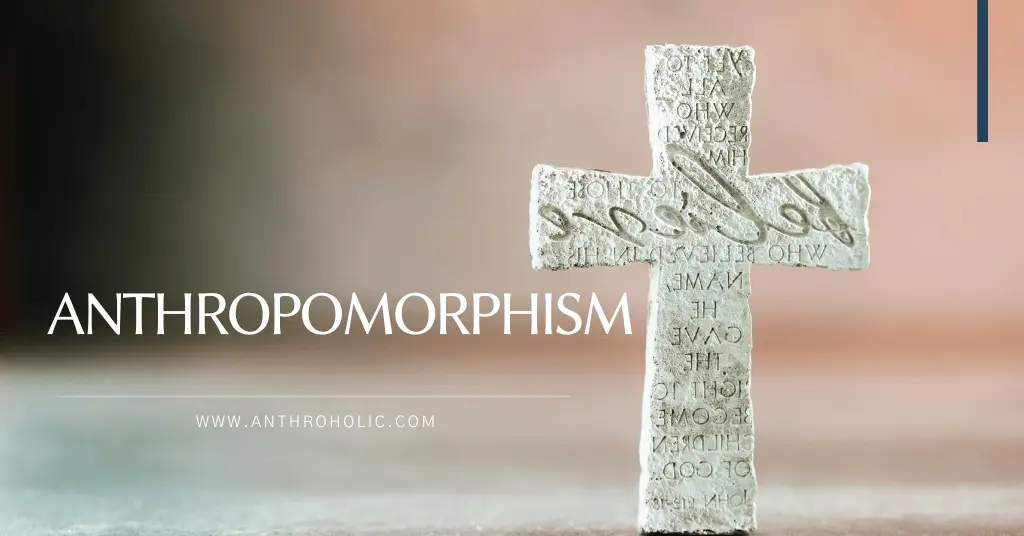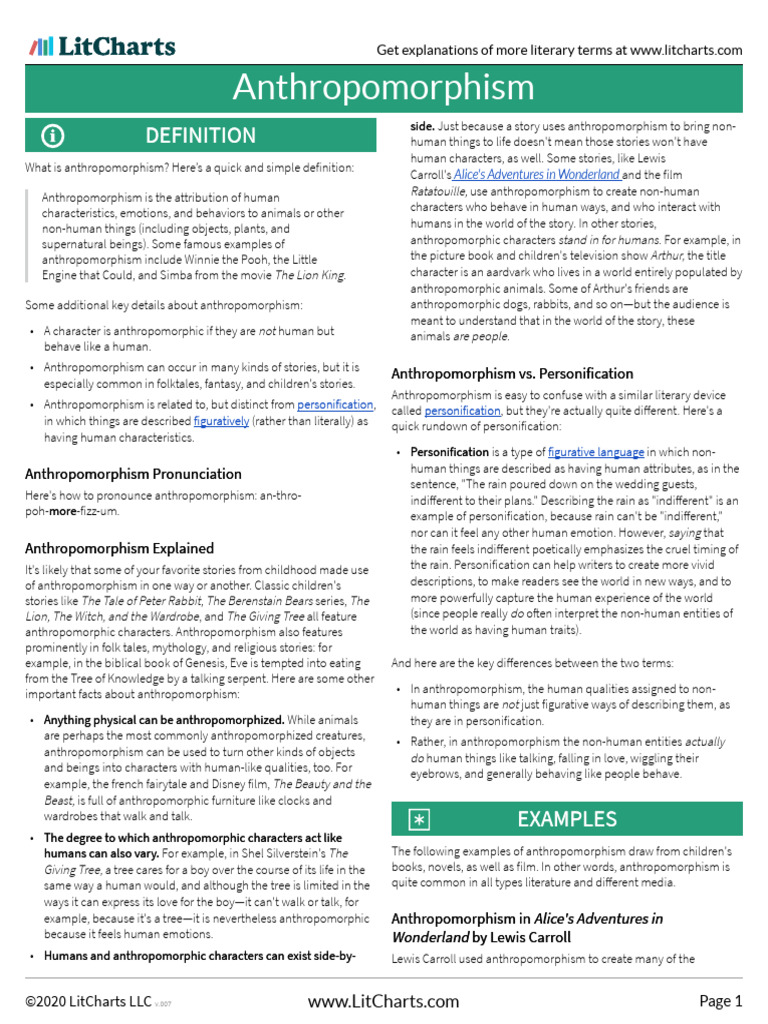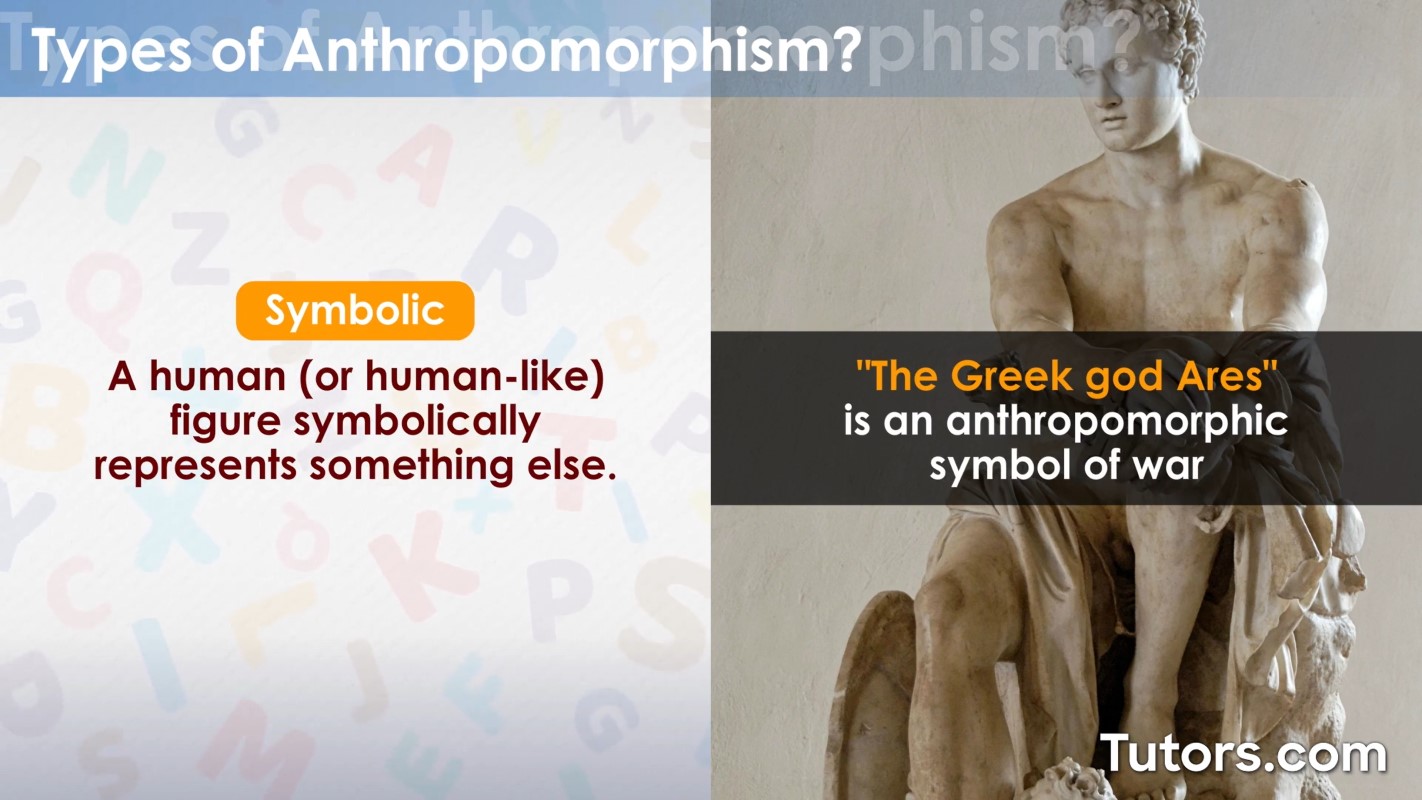
Anthropomorphism—the act of attributing human characteristics to non-human entities—is a linguistic and artistic device as old as storytelling itself. From the chattering trees of ancient myths to the sentient robots of modern cinema, this phenomenon bridges the gap between the familiar and the unknown, allowing us to make sense of the world through relatable lenses. Whether in literature, media, or everyday language, anthropomorphism serves as a powerful tool for communication, education, and emotional connection. This guide explores its multifaceted nature, examining its psychological roots, cultural significance, and practical applications across diverse domains.
The Psychological Foundations of Anthropomorphism: Why We See Ourselves in Everything
At its core, anthropomorphism is a cognitive shortcut—a way for the human brain to process complexity by framing it in familiar terms. Evolutionary psychologists suggest that this tendency stems from our ancestors’ need to predict the behavior of both predators and prey. When early humans encountered rustling bushes, attributing agency to the movement (e.g., “a lion is stalking me”) improved survival odds. Today, this instinct manifests in our interactions with pets, gadgets, and even abstract concepts like “Mother Nature.” Studies in cognitive science reveal that anthropomorphism activates the same neural pathways as human-to-human interaction, reinforcing its deep-seated role in how we perceive the world.
Beyond survival, anthropomorphism fulfills a deeper psychological need: the desire for connection. When we imbue a chatbot with personality or a storm with rage, we reduce feelings of isolation by creating companionship with the inanimate. This phenomenon, known as social surrogacy, explains why people form attachments to fictional characters or even brands. The brain, wired for social engagement, often treats these entities as quasi-human, triggering oxytocin release—a hormone associated with bonding. This explains the uncanny comfort we feel when a Roomba “avoids” obstacles or a GPS voice “thanks” us for a turn.

Literary Anthropomorphism: From Fables to Modern Narratives
Literature has long been the playground of anthropomorphism, where animals, objects, and forces of nature take on human traits to convey moral lessons or explore complex themes. Aesop’s fables, with their talking foxes and industrious ants, are early masterclasses in this technique. These stories distill human virtues and vices into digestible narratives, making abstract concepts tangible. Fast-forward to the 20th century, and anthropomorphism evolves into a tool for satire and social commentary. George Orwell’s Animal Farm transforms barnyard animals into allegorical figures, critiquing totalitarianism through the lens of a seemingly simple tale. Here, the technique transcends mere personification; it becomes a scalpel for dissecting power structures.
In contemporary literature, anthropomorphism often serves as a bridge between the mundane and the magical. Consider Haruki Murakami’s novels, where cats possess existential musings or wells harbor sentient whispers. These narratives exploit anthropomorphism to blur the line between reality and surrealism, inviting readers to question the boundaries of consciousness. Even in children’s literature, where anthropomorphism is most overt, the technique performs a dual role: it entertains while subtly teaching empathy. When a child sees a grumpy cloud “crying” rain or a brave little engine “chugging” uphill, they learn to interpret emotions and resilience in others—human or not.
Anthropomorphism in Media and Pop Culture: The Rise of the Sentient Sidekick
The silver screen and digital platforms have elevated anthropomorphism from literary device to cultural phenomenon. Pixar’s Toy Story franchise, for instance, turns inanimate toys into a microcosm of human society, complete with hierarchies, rivalries, and emotional arcs. This isn’t mere whimsy; it’s a reflection of how we project our own lives onto objects, especially in an era of consumerism where products often feel like extensions of identity. Similarly, video games like The Legend of Zelda or Animal Crossing leverage anthropomorphism to create immersive worlds where players interact with characters who exhibit human-like motivations, flaws, and growth.
Beyond entertainment, anthropomorphism shapes how we engage with technology. Voice assistants like Siri or Alexa are designed with human-like voices and conversational quirks to foster trust and relatability. This isn’t accidental; it’s a calculated use of parasocial interaction, where users develop one-sided emotional bonds with digital entities. The phenomenon extends to social media, where brands personify themselves (e.g., “Duolingo’s sassy owl”) to cultivate loyalty. Even memes and internet culture thrive on anthropomorphism, with inanimate objects or abstract concepts (like “the algorithm”) being blamed, praised, or anthropomorphized in viral jokes.
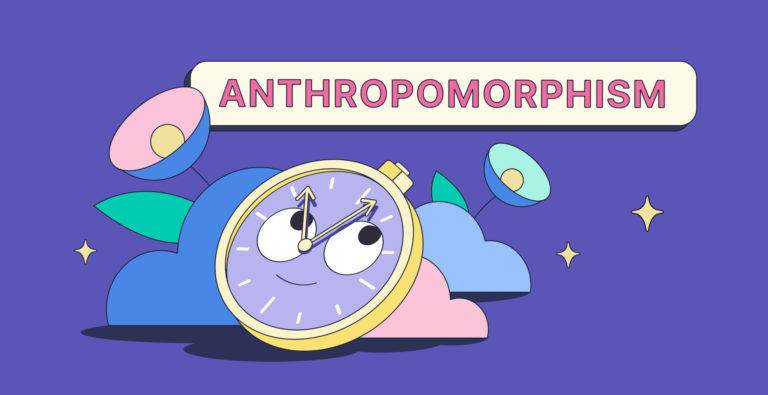
Anthropomorphism in Science and Education: Making the Abstract Tangible
In scientific communication, anthropomorphism is a double-edged sword. On one hand, it simplifies complex concepts, making them accessible to non-experts. For example, biologists might describe a cell’s “decision” to divide or a virus’s “trick” to invade a host, using human-like agency to demystify microscopic processes. This approach, known as conceptual metaphor, leverages familiar schemas to explain the unfamiliar. On the other hand, over-reliance on anthropomorphism can lead to misconceptions, especially in fields like physics or chemistry where non-human systems lack intentionality.
Education, particularly early childhood learning, harnesses anthropomorphism to spark curiosity. Textbooks often depict atoms as “happy” or “lonely” to explain bonding, while geography lessons personify rivers as “carrying” water to the sea. These metaphors transform rote memorization into engaging narratives. However, educators must tread carefully to avoid reinforcing misconceptions. For instance, describing the sun as “smiling” might make it easier for a child to remember its role, but it could also blur the line between poetic license and scientific accuracy. The key lies in balancing creativity with clarity, ensuring that anthropomorphism serves as a stepping stone—not a stumbling block—to deeper understanding.
The Dark Side of Anthropomorphism: When Personification Misleads
While anthropomorphism can illuminate, it can also distort. In legal and ethical debates, the tendency to attribute human-like intentions to corporations or algorithms has led to contentious outcomes. For example, the concept of “corporate personhood”—where companies are granted some legal rights as if they were individuals—has sparked controversies about accountability and morality. Similarly, the anthropomorphizing of AI systems (e.g., calling them “biased” or “deceptive”) can obscure the fact that these systems are products of human design, not autonomous agents with malice.
Psychologically, anthropomorphism can also fuel superstition and fear. When people blame a “cursed” object for misfortune or attribute agency to natural disasters (“the earthquake punished us”), they risk avoiding responsibility for their actions or misinterpreting random events as intentional. This is particularly evident in conspiracy theories, where inanimate systems (e.g., “the deep state,” “big pharma”) are personified as orchestrating global events. Recognizing these pitfalls is crucial in fields like risk communication, where clear, non-anthropomorphic language can prevent panic or misplaced blame.
Practical Applications: How to Use Anthropomorphism Effectively
For writers, marketers, and educators, anthropomorphism is a versatile tool—but its effectiveness hinges on intentionality. In storytelling, the key is to ensure that the human-like traits serve a purpose. A talking animal in a fable should embody a theme (e.g., greed, perseverance), not exist solely for novelty. In branding, anthropomorphism works best when it aligns with the product’s identity. A luxury car might be personified as sophisticated and refined, while a children’s toy could be playful and mischievous. The goal is to create a consistent, believable persona that resonates with the audience.
When designing user interfaces, anthropomorphism can enhance usability by making interactions feel more natural. A chatbot with a name, backstory, and empathetic responses can reduce user frustration compared to a sterile, impersonal interface. However, overdoing it—such as giving a toaster a full personality—can feel gimmicky or patronizing. The sweet spot lies in subtlety: a loading spinner with a face might be charming, but a refrigerator that “yells” at you for leaving the door open crosses into annoyance. Testing and iteration are essential to strike this balance.

Cultural Variations: How Different Societies Personify the World
Anthropomorphism isn’t a universal constant; its forms and functions vary across cultures. In Western traditions, animals often embody human traits in a straightforward way—think of the sly fox or the wise owl. Meanwhile, Eastern philosophies like Shintoism revere nature itself as sacred and sentient, with rivers, mountains, and trees considered divine or alive. This perspective, known as animism, treats anthropomorphism as a spiritual practice rather than a literary device.
In some cultures, anthropomorphism extends to celestial bodies. The ancient Greeks saw constellations as mythological figures (e.g., Orion the Hunter), while the Chinese zodiac assigns human-like personalities to animals. Even language reflects these differences. In Japanese, the word kami (神) can refer to gods, spirits, or sacred essences, blurring the line between anthropomorphism and reverence. These cultural nuances remind us that while the impulse to personify may be universal, its expressions are deeply tied to societal values, histories, and belief systems.
The Future of Anthropomorphism: AI, Ethics, and the Blurring of Lines
As artificial intelligence advances, anthropomorphism is entering uncharted territory. AI systems are increasingly designed to mimic human emotions, voices, and even physical appearances, raising ethical questions about consent and deception. Should a robot companion be programmed to express sadness when its owner is upset? Is it ethical to design an AI with a “personality” if users might form unhealthy attachments? These debates force us to confront the implications of blurring the boundary between human and machine.
The rise of generative AI also introduces new challenges. When an AI generates a story about a “lonely robot,” is it engaging in anthropomorphism, or is it merely reflecting the anthropomorphic tendencies of its human creators? The distinction matters because it forces us to examine who—or what—is really behind the personification. As AI becomes more integrated into daily life, the need for transparency and ethical guidelines around anthropomorphism will only grow.
Yet, the future isn’t solely fraught with risks. Anthropomorphism could also pave the way for more empathetic technology. Imagine AI caregivers that use personified language to comfort the elderly or educational tools that adapt their “personality” to suit different learning styles. The key lies in harnessing this technique responsibly, ensuring that it serves humanity rather than exploits our cognitive biases.