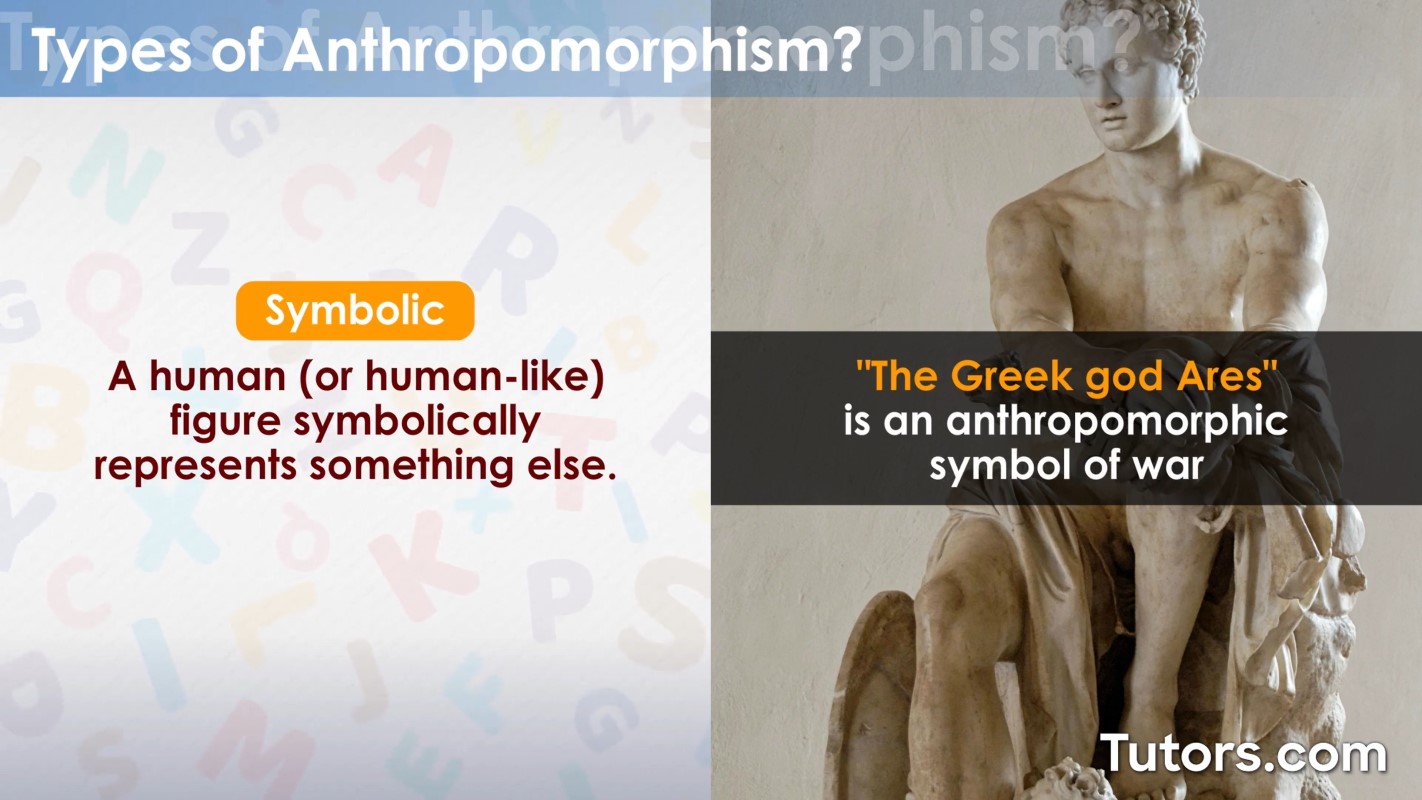
Climate change is no longer a distant specter haunting future generations—it is a present-day reality reshaping ecosystems, economies, and human societies. Yet, despite the overwhelming scientific consensus, public engagement remains uneven. Why do some campaigns galvanize millions while others fade into the background noise of digital media? The answer may lie in a subtle yet powerful tool: anthropomorphism—the attribution of human traits, emotions, or intentions to non-human entities. When climate change is personified as a suffering polar bear, a grieving Earth, or a vengeful force, it transcends abstract data and taps into deep psychological reservoirs. This narrative alchemy transforms cold statistics into compelling stories, but its effectiveness is a double-edged sword, fraught with both opportunity and peril.
The Allure of the Human Face in Environmental Storytelling
Humans are hardwired to respond to faces. From infancy, we instinctively recognize and prioritize human-like features, a phenomenon known as the “face bias.” When climate change is framed through anthropomorphic imagery—melting glaciers depicted as weeping faces or forests as lungs gasping for air—it leverages this cognitive predisposition. The brain, wired to detect agency and intent, interprets these representations as moral actors, assigning blame, responsibility, or even empathy. This is not mere artistic license; it is a strategic recalibration of perception. Studies in environmental psychology suggest that anthropomorphism can reduce the psychological distance between individuals and climate impacts, making distant disasters feel immediate and personal. Yet, this proximity is not without its pitfalls. When climate change is reduced to a singular, emotive figure—such as a lone polar bear on a shrinking ice floe—it risks oversimplifying a complex, systemic issue into a heart-wrenching but ultimately reductive narrative.
The Paradox of Empathy: When Personification Backfires
Anthropomorphism can evoke empathy, but it can also breed complacency or even resentment. Consider the iconic image of the “Earth as a patient”—a frail, feverish planet in need of healing. While this framing underscores urgency, it may inadvertently infantilize the public, positioning them as passive bystanders rather than active agents of change. Worse still, it can foster a savior complex, where individuals derive moral satisfaction from performative activism (e.g., sharing a viral image) without engaging in substantive action. The phenomenon of “compassion fatigue” further complicates this dynamic. When climate change is consistently depicted through suffering—whether of animals, ecosystems, or future generations—it can desensitize audiences, turning urgent pleas into background noise. The challenge, then, is to wield anthropomorphism with precision: to evoke empathy without inducing paralysis, and to personify without patronizing.
The Science Behind the Seduction: Why We Anthropomorphize
The human tendency to anthropomorphize is not arbitrary; it is rooted in evolutionary biology and cognitive architecture. Anthropomorphism allows us to navigate uncertainty by imposing familiar frameworks onto the unknown. In the context of climate change, where the causes and consequences are often invisible or delayed, this cognitive shortcut provides a sense of control. It transforms the amorphous threat of rising temperatures into a tangible, almost conversational entity—one that can be reasoned with, negotiated with, or even fought against. Neuroscientific research suggests that anthropomorphic representations activate the brain’s social cognition networks, including the medial prefrontal cortex and the temporoparietal junction, regions typically engaged when processing human interactions. This neural hijacking explains why a cartoon of a crying Earth can feel more urgent than a graph of CO2 levels. Yet, this cognitive convenience comes at a cost: it risks obscuring the systemic roots of climate change, reducing a multifaceted crisis to a morality tale of human versus nature.

From Villains to Victims: The Moral Framing of Climate Change
Anthropomorphism does not merely humanize climate change; it moralizes it. When corporations are depicted as “carbon villains” or fossil fuels as “toxic invaders,” the narrative shifts from a technical challenge to an epic struggle between good and evil. This moral framing can be a potent motivator, galvanizing collective action under the banner of justice. However, it also risks polarizing discourse, entrenching adversarial positions rather than fostering collaboration. The danger lies in reducing complex systems—such as global supply chains or economic dependencies—into simplistic archetypes. Moreover, moralized anthropomorphism can backfire when it triggers reactance, a psychological phenomenon where audiences resist perceived attempts to manipulate their beliefs. The key lies in balance: to personify without demonizing, to evoke moral responsibility without inducing guilt, and to frame climate action as a shared endeavor rather than a crusade against a singular foe.
The Limits of Personification: When Abstraction Becomes Necessary
While anthropomorphism can bridge the gap between data and emotion, there are contexts where abstraction is not only preferable but essential. Consider the challenge of communicating carbon budgets or tipping points. Here, the precision of scientific language—though admittedly dry—is crucial. Personifying these concepts risks trivializing their complexity, reducing them to oversimplified metaphors that fail to convey the urgency of thresholds like 1.5°C of warming. Furthermore, anthropomorphism can inadvertently center human narratives at the expense of non-human actors. When climate change is framed solely through human suffering, it risks sidelining the voices and experiences of Indigenous communities, ecosystems, and future generations who bear disproportionate burdens. The solution is not to abandon anthropomorphism entirely but to deploy it judiciously, using it to complement rather than replace rigorous scientific communication.
Designing for Impact: Best Practices in Anthropomorphic Climate Communication
To harness the power of anthropomorphism without succumbing to its pitfalls, communicators must adopt a nuanced approach. First, specificity is paramount. Instead of depicting climate change as a monolithic force, tailor anthropomorphic representations to highlight particular impacts—such as the plight of coral reefs or the resilience of coastal communities. Second, pair personification with actionable solutions. An image of a suffering entity must be accompanied by clear pathways for engagement, whether through policy advocacy, lifestyle changes, or community initiatives. Third, embrace diversity in representation. Avoid the trope of the “helpless victim” by showcasing agency—whether of Indigenous leaders fighting deforestation or scientists developing carbon capture technologies. Finally, test and iterate. What resonates with one audience may alienate another; pilot different narratives to gauge their effectiveness and refine accordingly.

The Future of Climate Narratives: Beyond Personification
As climate communication evolves, so too must its tools. While anthropomorphism remains a powerful lever for engagement, the future lies in hybrid narratives that blend the emotional resonance of personification with the rigor of systemic analysis. Emerging technologies, such as augmented reality and interactive data visualizations, offer new avenues to make climate change tangible without resorting to simplistic metaphors. For instance, an AR experience could allow users to “see” the impact of their daily choices on local ecosystems in real time, grounding abstract concepts in personal experience. Similarly, storytelling that centers collective action—rather than individual guilt or heroism—can foster a sense of shared purpose. The goal is not to abandon anthropomorphism but to use it as a bridge to deeper understanding, ensuring that the stories we tell about climate change are as complex, nuanced, and hopeful as the solutions we seek to inspire.


![Case Study: How [Comic Series] Used Anthropomorphism to Stand Out](https://anthropomorphism.org/wp-content/uploads/2026/05/San-Diego-Comic-Con-2-scaled-1.jpg)