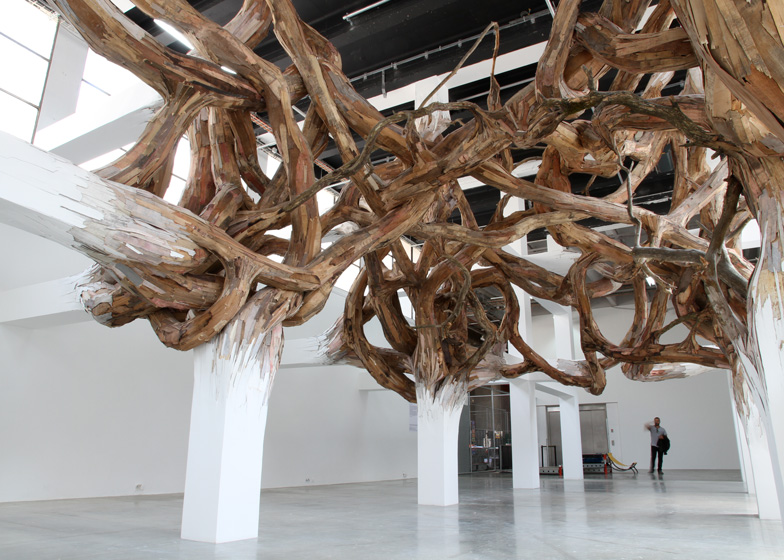
In the labyrinth of consumer psychology, where decisions are often made in the subconscious blink of an eye, a subtle yet potent force shapes purchasing behavior: anthropomorphism in product descriptions. This phenomenon, where inanimate objects are imbued with human-like traits, doesn’t just adorn marketing copy—it fundamentally alters how we perceive and interact with products. From the grinning face of a cereal mascot to the “personality” of a smart speaker that “listens” to commands, anthropomorphism transforms transactions into quasi-social exchanges. But why does this matter? Because when a product feels like it has a soul, it doesn’t just sell—it captivates, endears, and ultimately, converts.
The Allure of the Familiar: Why We Bond with Inanimate Objects
Humans are hardwired to seek connections. Evolution has wired our brains to prioritize social bonds, as survival once depended on tribal cohesion. This instinct doesn’t vanish when we’re shopping. When a product description describes a vacuum cleaner as “eager to tackle dust bunnies” or a fitness tracker as “cheering you on,” it triggers the same neural pathways as interacting with a friend. This phenomenon, known as parasocial interaction, allows consumers to form one-sided relationships with brands, where the product feels like a companion rather than a commodity.
The magic lies in the illusion of reciprocity. Even though the vacuum cleaner can’t actually feel excitement, our brains interpret its “enthusiasm” as a form of engagement. This creates a sense of obligation—a psychological quirk where we feel compelled to reciprocate the “friendliness” of the product. Retailers leverage this by crafting descriptions that mimic human dialogue, turning a simple purchase into a simulated social contract. The result? Higher engagement, longer browsing sessions, and a greater likelihood of conversion.
The Empathy Effect: How Personified Products Reduce Purchase Anxiety
Buying a product is often accompanied by a shadow of doubt: Will it work? Is it worth the price? Anthropomorphism acts as a salve for these anxieties by humanizing the product’s role in the consumer’s life. When a smartwatch is described as “your tireless health companion,” it shifts from being a cold piece of technology to a loyal ally. This narrative reframing reduces perceived risk because the product is no longer an object but a partner in the consumer’s journey.
Consider the difference between two descriptions for a blender:
- Neutral: “High-powered blender with 12 speeds.”
- Anthropomorphic: “Meet Blendo, your kitchen’s unsung hero, ready to pulverize ice and blend smoothies with the gusto of a five-star chef.”
The latter doesn’t just describe features—it creates an emotional narrative. The blender becomes a character, and characters are easier to trust. This empathy effect is particularly potent in categories where performance is subjective, such as skincare or home appliances. When a product “understands” the consumer’s needs, the decision to buy feels less like a gamble and more like an act of faith.
The Dark Side of Charm: When Anthropomorphism Backfires
Not all anthropomorphism is a marketing panacea. Overdoing it can veer into the uncanny valley, where the product’s human-like traits feel unsettling rather than endearing. A robot vacuum described as “dutifully scrubbing floors while humming lullabies” might amuse some but unnerve others. The key lies in balance—enough personality to create connection, but not so much that it triggers discomfort.
Moreover, anthropomorphism can inadvertently set unrealistic expectations. If a “friendly” fitness tracker is portrayed as a cheerleader, consumers may feel let down when the product fails to deliver motivational pep talks. This misalignment between expectation and reality can erode trust. The solution? Subtlety. The best anthropomorphic descriptions hint at personality without overpromising, ensuring the product remains relatable without becoming a caricature.
The Science Behind the Spell: Neuroscience and Consumer Behavior
The impact of anthropomorphism isn’t just anecdotal—it’s backed by neuroscience. Studies using fMRI scans reveal that when consumers interact with anthropomorphized products, the brain’s mirror neuron system activates. This network, responsible for empathy and social cognition, treats the product as if it were a living entity. The result is a surge in dopamine, the neurotransmitter associated with pleasure and reward, making the purchase feel more satisfying.
Additionally, anthropomorphism taps into the halo effect, where positive traits in one area (e.g., a product’s “friendly” demeanor) spill over to influence perceptions of unrelated attributes (e.g., its durability or effectiveness). This cognitive bias explains why a “charming” smart speaker might be perceived as more reliable than a similarly spec’d competitor with a bland description. Brands that master this technique don’t just sell products—they sell experiences, wrapped in the warm glow of human connection.
Case Studies: Brands That Nailed (and Flubbed) Anthropomorphism
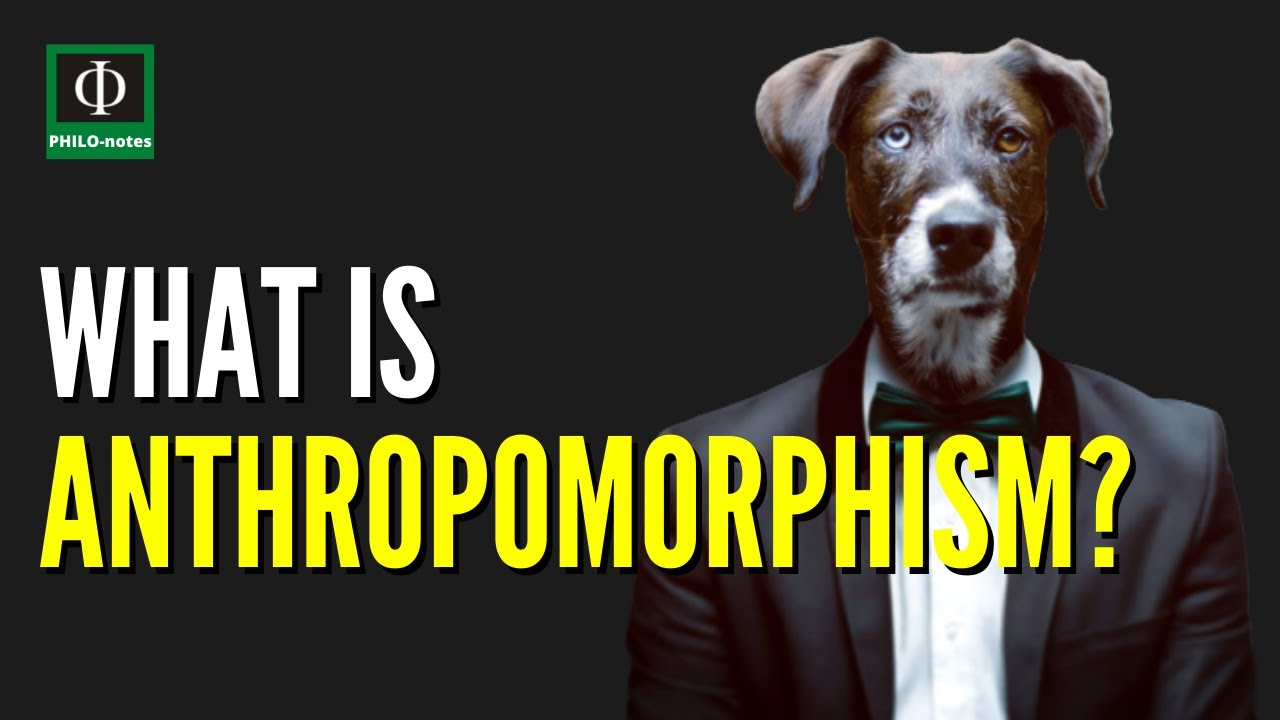
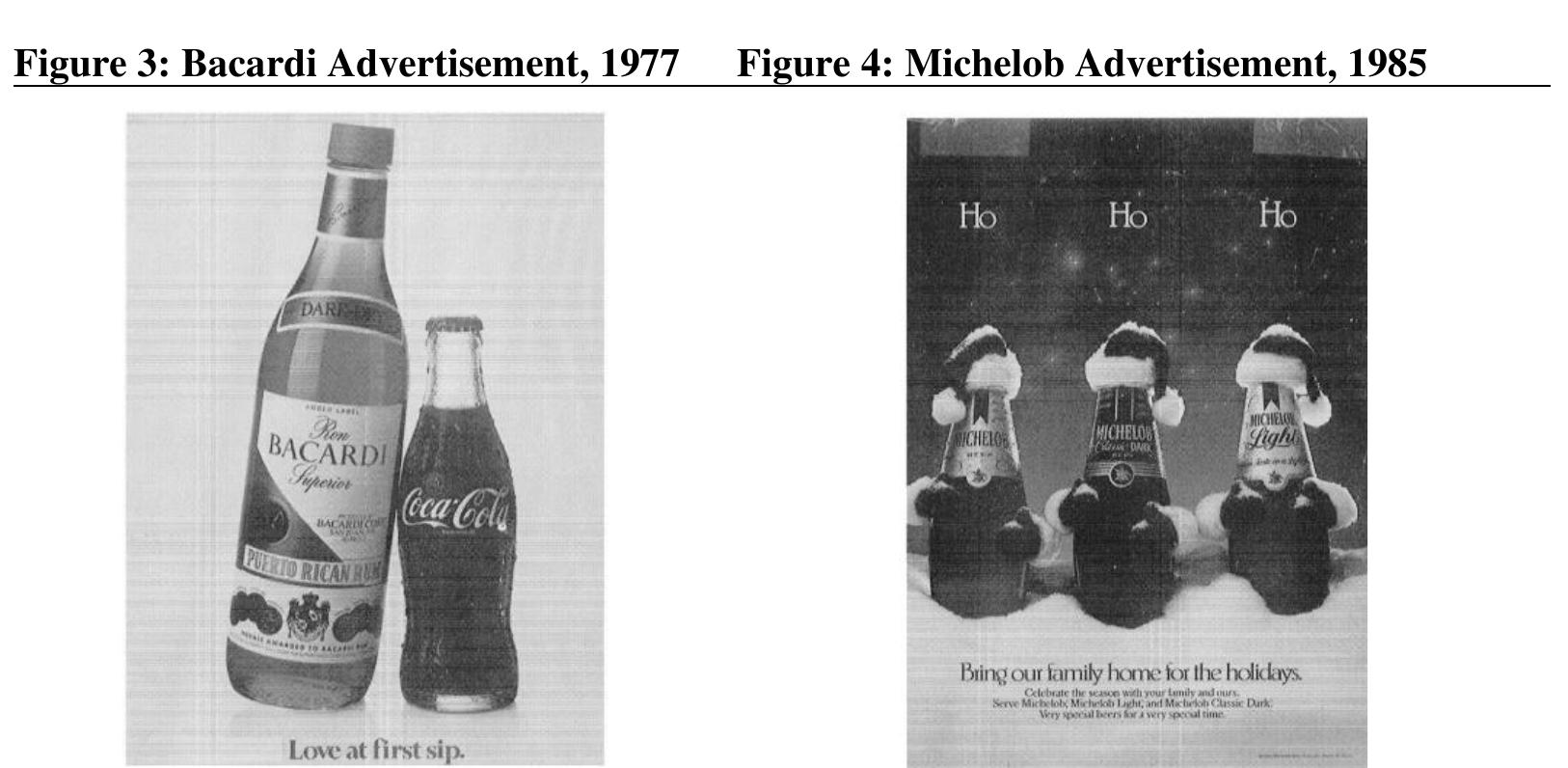
Tony the Tiger: Kellogg’s iconic mascot is a masterclass in anthropomorphism. By giving Tony a voice (“They’re grrreat!”), a personality (playful, energetic), and even a backstory, the brand transformed a breakfast cereal into a cultural icon. Tony isn’t just selling Frosted Flakes—he’s selling a lifestyle, one that’s fun, adventurous, and slightly mischievous. The result? Decades of brand loyalty and a mascot that’s instantly recognizable worldwide.

The Pitfalls of Over-Anthropomorphism: In 2017, a smart speaker brand launched an ad campaign featuring a “sassy” AI assistant that responded to commands with snarky remarks. While some users found it amusing, others felt the tone was condescending, particularly when the assistant “rolled its eyes” at simple requests. The backlash was swift, with consumers accusing the brand of being tone-deaf. The lesson? Anthropomorphism must align with the brand’s identity and the target audience’s expectations. What works for a cereal mascot may not work for a utility device.
Practical Tips: How to Use Anthropomorphism Without Crossing the Line
For brands looking to harness the power of anthropomorphism, subtlety is key. Start by identifying the core emotions you want to evoke—trust, excitement, companionship—and weave them into the product’s narrative. Avoid clichés like “our product is your best friend” unless the brand’s voice is inherently playful. Instead, opt for nuanced descriptors: “This blender doesn’t just crush ice—it does so with the precision of a sushi chef.”
Another strategy is to personify the product’s role in the consumer’s life. For example, a mattress described as “the silent guardian of your slumber” frames the product as a protector, tapping into primal instincts. Always ensure the anthropomorphism feels authentic to the product’s function. A luxury watch might be portrayed as “elegant and discerning,” while a rugged outdoor tool could be “a steadfast companion on life’s adventures.”
Finally, test and iterate. What resonates with one audience may fall flat with another. Use A/B testing to compare anthropomorphic descriptions against neutral ones, and track metrics like time spent on page, add-to-cart rates, and conversion rates. The goal isn’t to force a personality but to uncover the innate charm of the product and amplify it.
The Future: Where Anthropomorphism Meets AI and Beyond
As artificial intelligence becomes more sophisticated, the line between anthropomorphism and actual sentience will blur. Imagine a virtual assistant that doesn’t just respond to commands but “remembers” your preferences with the warmth of a close friend. Or a smart home device that adjusts its “tone” based on your mood, detected through voice inflection and biometric data. The future of anthropomorphism lies in dynamic, adaptive interactions that feel increasingly human.
However, this evolution comes with ethical considerations. Brands must navigate the fine line between creating engaging experiences and manipulating consumer emotions. Transparency will be crucial—consumers should never feel deceived into believing a product has consciousness when it doesn’t. The most successful brands will be those that use anthropomorphism to enhance, not exploit, the human connection.
In the end, anthropomorphism in product descriptions is more than a marketing trick—it’s a reflection of our deepest desire to connect. Whether it’s a cereal mascot or a smart speaker, when a product feels like it understands us, we’re not just buying a thing. We’re inviting a presence into our lives. And in a world where transactions are increasingly digital, that presence is worth its weight in gold.


![Case Study: How [Brand] Used Anthropomorphism to Rebrand](https://anthropomorphism.org/wp-content/uploads/2026/05/42460992a1479fb27133c86bb954fd2891a0d2f3_180.jpg)