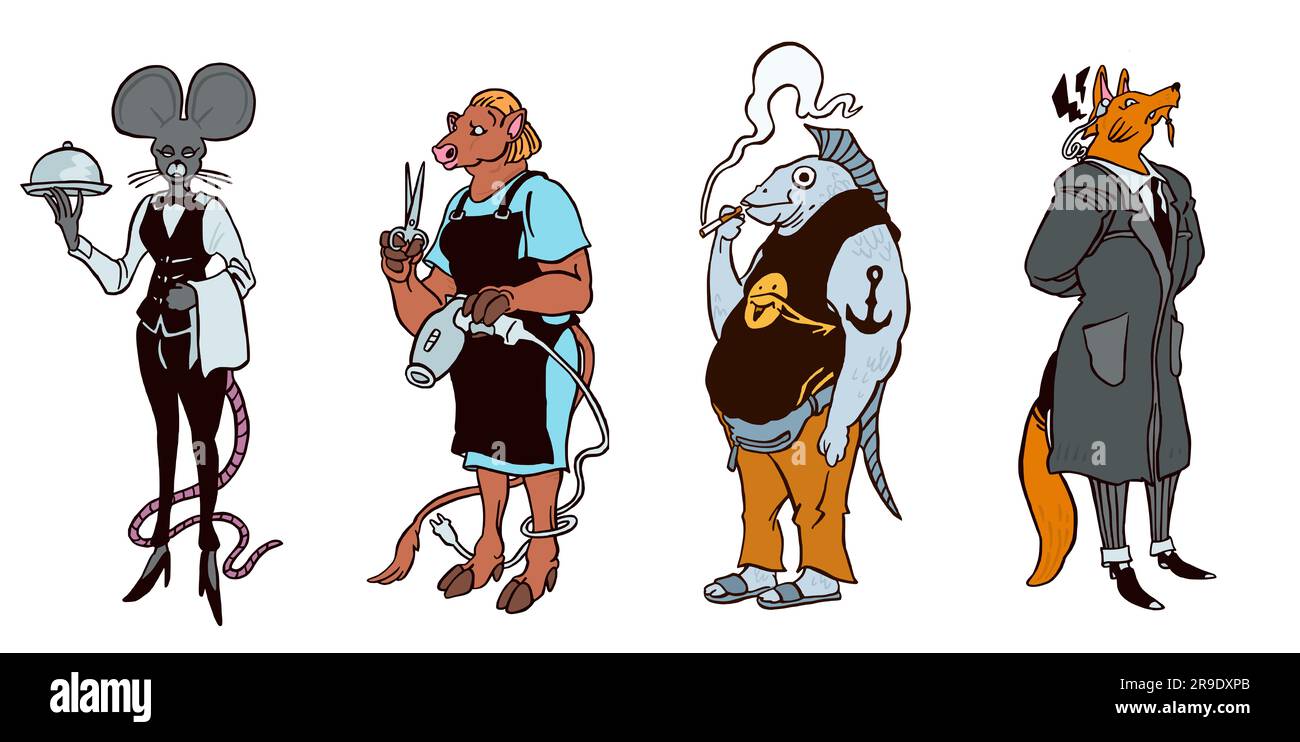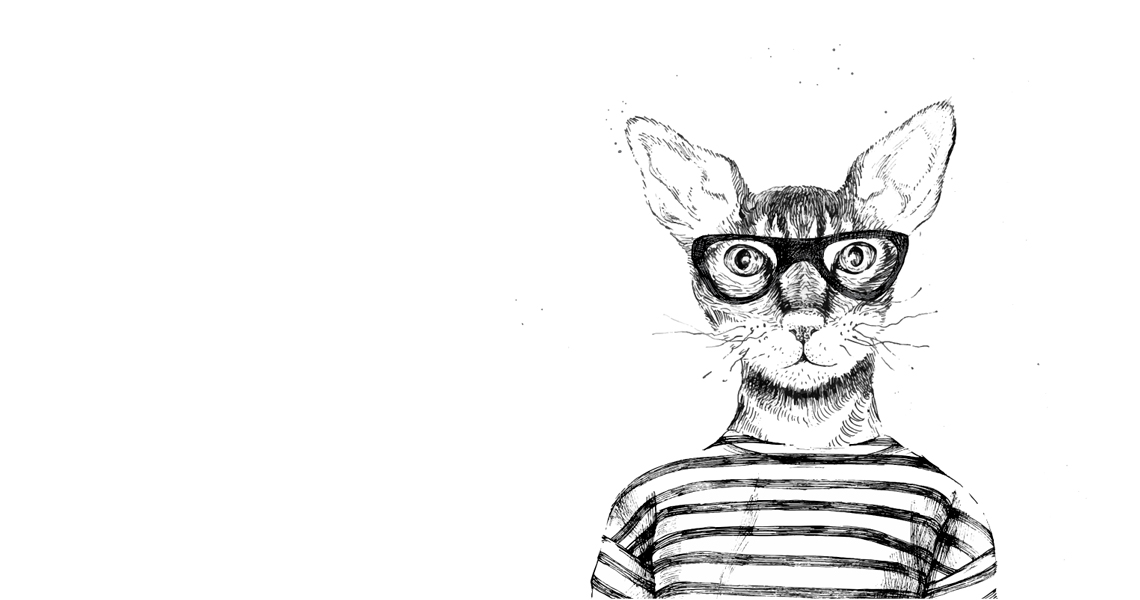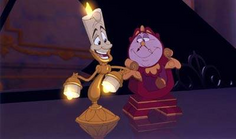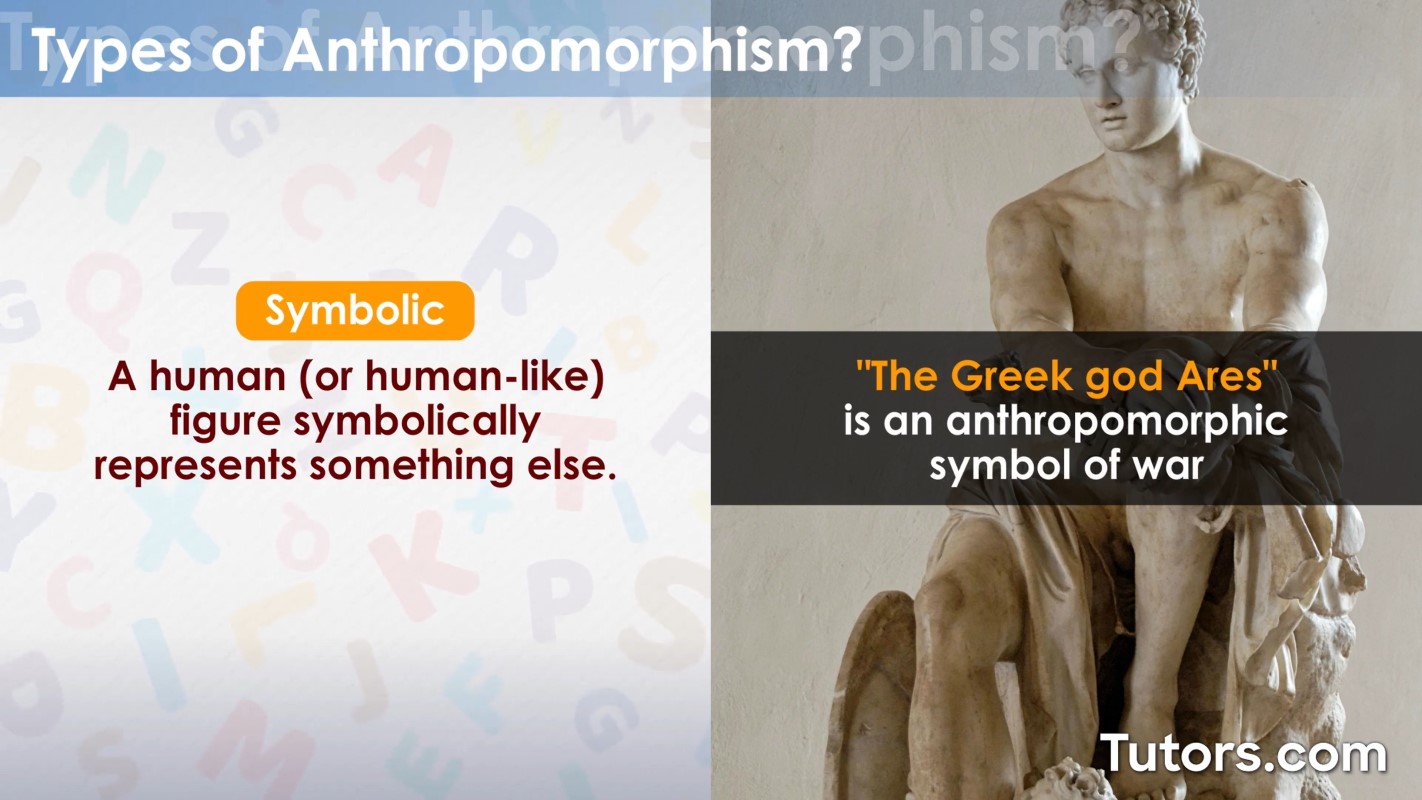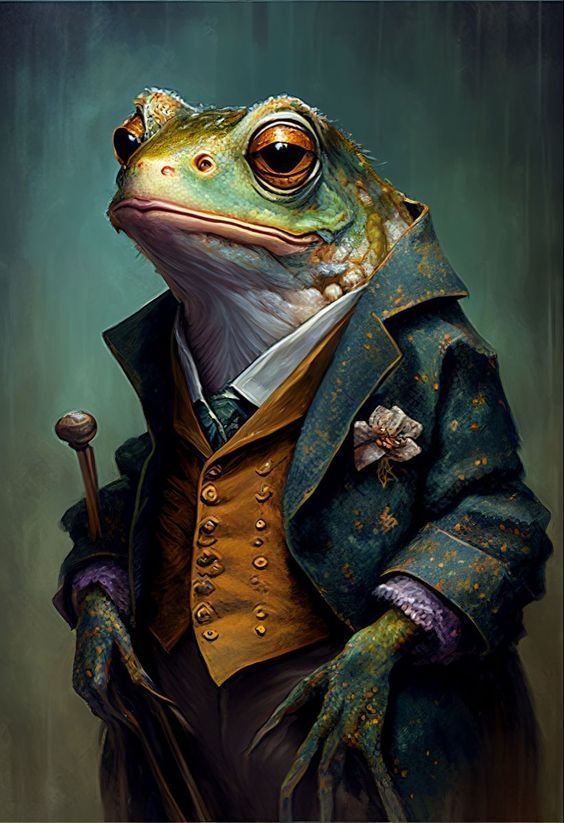
What if the lion lounging in the savanna wasn’t just a predator, but a philosopher pondering the meaning of life? What if the fox darting through the underbrush wasn’t merely hunting for its next meal, but plotting a mischievous heist worthy of a Disney villain? These whimsical notions aren’t just flights of fancy—they’re the very essence of anthropomorphism, the human tendency to imbue non-human entities with human-like traits, emotions, and intentions. Nowhere is this phenomenon more vivid—or more intriguing—than in our perception of wild animals. From the cunning fox to the majestic eagle, we often see reflections of ourselves in the untamed world, blurring the boundaries between species and sparking both wonder and debate.
The Allure of the Humanized Wild: Why We Attribute Personality to Predators
At the heart of anthropomorphism lies a paradox: we are drawn to the unfamiliar, yet we crave familiarity. Wild animals, with their alien behaviors and alien worlds, present a canvas upon which we project our own narratives. The lion’s roar, so often described as a declaration of dominance, might just as easily be interpreted as a motivational speech before a hunt. The playful antics of a raccoon rummaging through trash become a comedic caper, complete with a mischievous grin. This cognitive shortcut—seeing human-like traits in animals—serves a deeper psychological purpose. It helps us make sense of the unpredictable, to domesticate the wild in our minds, and to find companionship even in creatures that would, in reality, see us as prey.
Evolutionary psychologists suggest that this tendency is hardwired. Our ancestors who could quickly assess the intentions of other beings—whether human or animal—had a survival advantage. A rustle in the bushes wasn’t just wind; it was a potential threat or opportunity. By anthropomorphizing, we reduce uncertainty. A wolf howling at the moon isn’t just communicating; it’s expressing loneliness. A mother bear protecting her cubs isn’t just instinctual; she’s embodying maternal ferocity. This mental model, while occasionally flawed, has kept humans safe for millennia. Today, it keeps us emotionally engaged with the natural world, even as concrete jungles replace wild ones.
From Fables to Filmmaking: The Cultural Tapestry of Animal Anthropomorphism
Anthropomorphism isn’t just a quirk of individual perception—it’s a cultural cornerstone. For millennia, humans have woven animals into their stories, myths, and moral lessons, often as stand-ins for human virtues and vices. Aesop’s fables, with their talking foxes and scheming wolves, weren’t just children’s tales; they were allegories about cunning, greed, and justice. In Japanese folklore, the kitsune, a fox spirit, could shapeshift into a beautiful woman to test human morality. These narratives endure because they resonate with our innate desire to see the world through a human lens, even when the world is decidedly non-human.
Modern media has amplified this phenomenon. Animated films like The Lion King and Zootopia don’t just depict animals; they humanize them, complete with complex emotions, societal structures, and even wardrobes. The meerkat Timon and warthog Pumbaa aren’t just comic relief; they’re a dysfunctional duo navigating life’s absurdities. Documentaries, too, often fall into the trap of anthropomorphism, narrating animal behavior with dramatic inflections that imply intention and emotion. A nature show might describe a hunting sequence as a “high-stakes chase,” as if the gazelle and cheetah are engaged in a cinematic duel rather than a biological imperative. This narrative framing isn’t just entertainment; it’s a reflection of how deeply anthropomorphism is embedded in our storytelling DNA.
The Double-Edged Sword: When Anthropomorphism Distorts Reality
Yet, for all its charm, anthropomorphism is a double-edged blade. While it fosters empathy and connection, it can also distort our understanding of the natural world, leading to misconceptions that have real-world consequences. Consider the case of the “cute” raccoon, often depicted as a playful bandit in children’s stories. In reality, raccoons are opportunistic omnivores capable of inflicting significant damage to property and spreading disease. Similarly, the image of the “noble” wolf, a symbol of loyalty and family in many cultures, overlooks the animal’s complex social hierarchy and occasional aggression. These misrepresentations can skew conservation efforts, public policy, and even individual behavior toward wildlife.
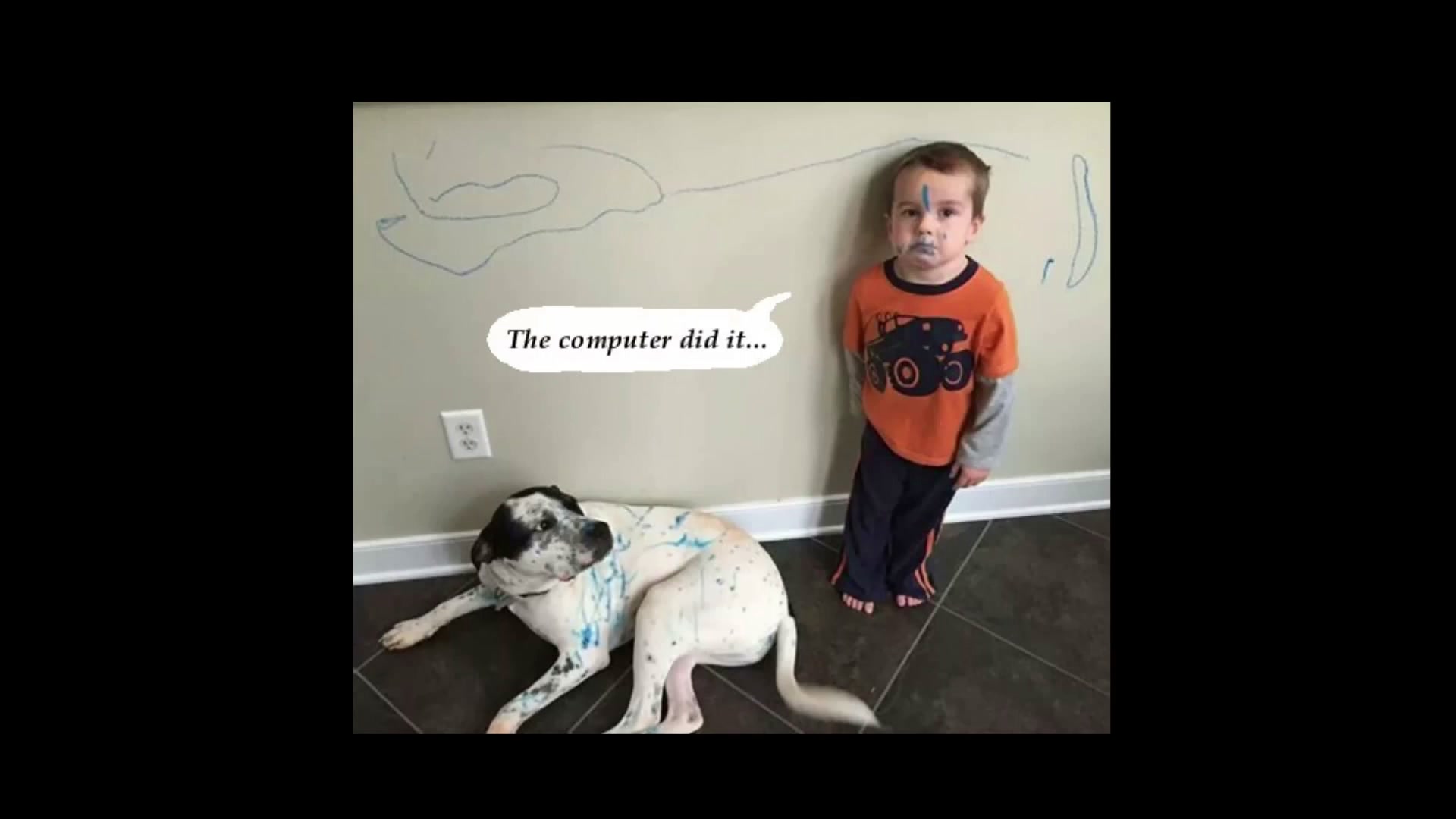
There’s also the ethical dilemma of projecting human emotions onto animals. When we say a dog is “guilty” for knocking over a trash can, we’re attributing a human emotion—shame—to a creature that may simply be reacting to our disapproval. This anthropocentric lens can lead to anthropocentric solutions, such as overestimating an animal’s capacity for empathy or moral reasoning. It’s a subtle form of solipsism, the belief that only humans possess true consciousness, which can blind us to the rich, albeit alien, inner lives of other species. The challenge, then, is to balance our emotional connection with the natural world with a rigorous commitment to scientific accuracy.
The Neuroscience Behind the Phenomenon: How Our Brains Construct Animal Minds
To understand why we anthropomorphize wild animals, we must delve into the neural machinery that constructs our perception of the world. Studies in cognitive neuroscience reveal that our brains are wired to detect agency—the capacity for intentional action—in virtually any moving object. This “agent detection device” evolved to spot predators, prey, and allies, but it’s notoriously indiscriminate. A shadow on the wall, a flicker of movement in the grass, or even a passing cloud can trigger our brain’s threat-assessment systems, priming us to see intention where there may be none.
This phenomenon is rooted in the brain’s mirror neuron system, which fires not only when we perform an action but also when we observe someone else performing it. This neural mirroring allows us to empathize with others, but it also extends to non-human entities. When we watch a bird building a nest, our brains simulate the actions, imbuing the bird with human-like diligence. Similarly, the amygdala, our brain’s fear center, can be activated by the mere suggestion of animal malice, even when the animal’s behavior is purely instinctual. This neural predisposition explains why we’re more likely to anthropomorphize animals that resemble us—mammals with forward-facing eyes, for instance—than creatures like insects or reptiles, which our brains struggle to “read” as agents.
The Ethical Implications: Can We Love Wildlife Without Misrepresenting It?
The tension between anthropomorphism and ecological accuracy raises a provocative question: Is it possible to care about wild animals without projecting human traits onto them? Conservationists and ethicists grapple with this dilemma daily. On one hand, anthropomorphism can be a powerful tool for fostering empathy. Images of “smiling” dolphins or “grieving” elephants tug at our heartstrings, motivating us to protect endangered species and their habitats. On the other hand, this emotional appeal can backfire if it leads to misplaced priorities, such as prioritizing charismatic megafauna like pandas over less “cute” but ecologically vital species like insects or fungi.
One solution lies in “mindful anthropomorphism,” a deliberate approach that acknowledges our tendency to humanize while striving for accuracy. This means celebrating the uniqueness of animal behaviors without conflating them with human experiences. A chimpanzee using a stick to fish for termites isn’t “inventing tools”; it’s demonstrating a sophisticated form of problem-solving that, while different from human innovation, is no less remarkable. Similarly, a wolf pack’s social structure isn’t a “family” in the human sense, but a complex network of alliances and hierarchies that serve survival purposes. By embracing this nuanced perspective, we can cultivate a deeper, more respectful relationship with the wild world.
The Future of Wild Encounters: Can Technology Bridge the Gap?
As technology advances, it offers new ways to explore the boundaries between human and animal cognition. Virtual reality, for instance, allows us to “step into the paws” of a wild animal, experiencing its environment through its senses. While these simulations are still crude, they hold the potential to reduce anthropomorphism by immersing us in the alien realities of other species. Similarly, advances in animal tracking and AI-driven behavioral analysis are providing unprecedented insights into animal minds, revealing complexities that challenge our human-centric narratives.
Yet, technology also risks amplifying anthropomorphism. Social media, with its endless stream of “cute” animal videos, often reduces wild animals to caricatures of human emotions. A viral clip of a “shy” octopus or a “playful” squirrel may go viral not for its scientific accuracy, but for its perceived relatability. The challenge for the future lies in leveraging technology to deepen our understanding of wildlife without falling prey to the seductive simplicity of anthropomorphic storytelling. It’s a delicate balance—one that requires both technological innovation and a commitment to intellectual honesty.
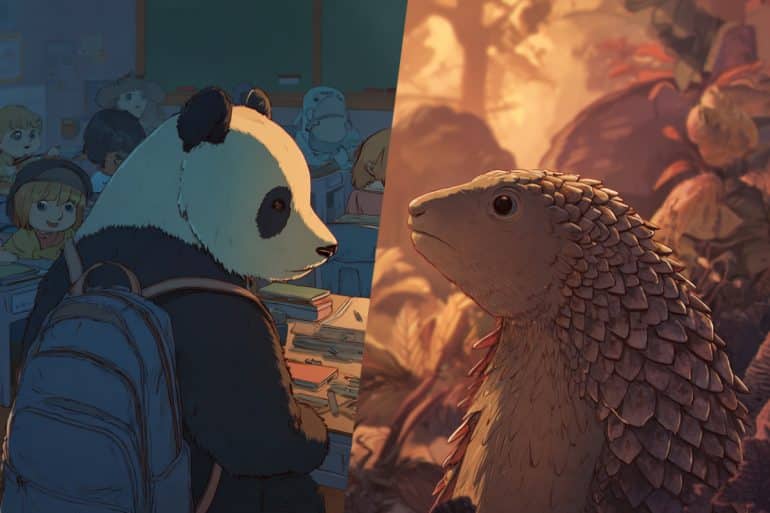
The next time you encounter a wild animal—whether in a documentary, a story, or the corner of your backyard—pause for a moment. Ask yourself: Are you seeing the creature as it truly is, or are you seeing a reflection of yourself? The answer may reveal as much about the human mind as it does about the animal kingdom.