In the quiet hum of a child’s imagination, a teddy bear whispers secrets at night, or a cartoon fox swindles a farmer with cunning charm. These are not mere flights of fancy—they are the subtle threads of anthropomorphism weaving through our moral fabric, shaping how we judge right from wrong. When we ascribe human traits to non-human entities, we don’t just entertain; we recalibrate our ethical compass. This phenomenon doesn’t merely color our perceptions—it redefines them, bending the rigid lines of moral judgment into something more fluid, more forgiving, and sometimes, more perilous.
The Cognitive Bridge: How Human-Like Traits Distort Moral Boundaries
Anthropomorphism acts as a cognitive bridge, allowing us to project human intentions, emotions, and culpability onto the inanimate and the non-human. When a storm cloud is described as “angry” or a robot as “deceptive,” we don’t just anthropomorphize—we moralize. The brain, wired to detect agency and intent, struggles to resist assigning blame or praise where none exists. This cognitive shortcut, while evolutionarily advantageous for social navigation, becomes a double-edged sword in moral reasoning.
Consider the case of a self-driving car involved in an accident. Jurors, tasked with assigning blame, may subconsciously anthropomorphize the vehicle, imagining it as a reckless driver rather than a complex algorithm. The result? A shift from systemic failure to individual culpability—a moral distortion that obscures the true locus of responsibility. Such distortions aren’t trivial; they shape legal precedents, public policy, and even the design of emerging technologies.
The Empathy Paradox: When Compassion Blurs the Line Between Human and Non-Human
Anthropomorphism doesn’t just influence how we judge machines or animals—it reshapes our empathy, often in ways that defy logic. Studies show that people are more likely to forgive a harmful act committed by a non-human entity if it’s framed with human-like traits. A corporation, for instance, is judged less harshly when its misdeeds are narrated through the lens of a “misguided CEO” rather than a faceless entity. This empathy paradox reveals a troubling truth: our moral judgments are not fixed but malleable, swayed by the veneer of humanity we drape over the unfamiliar.
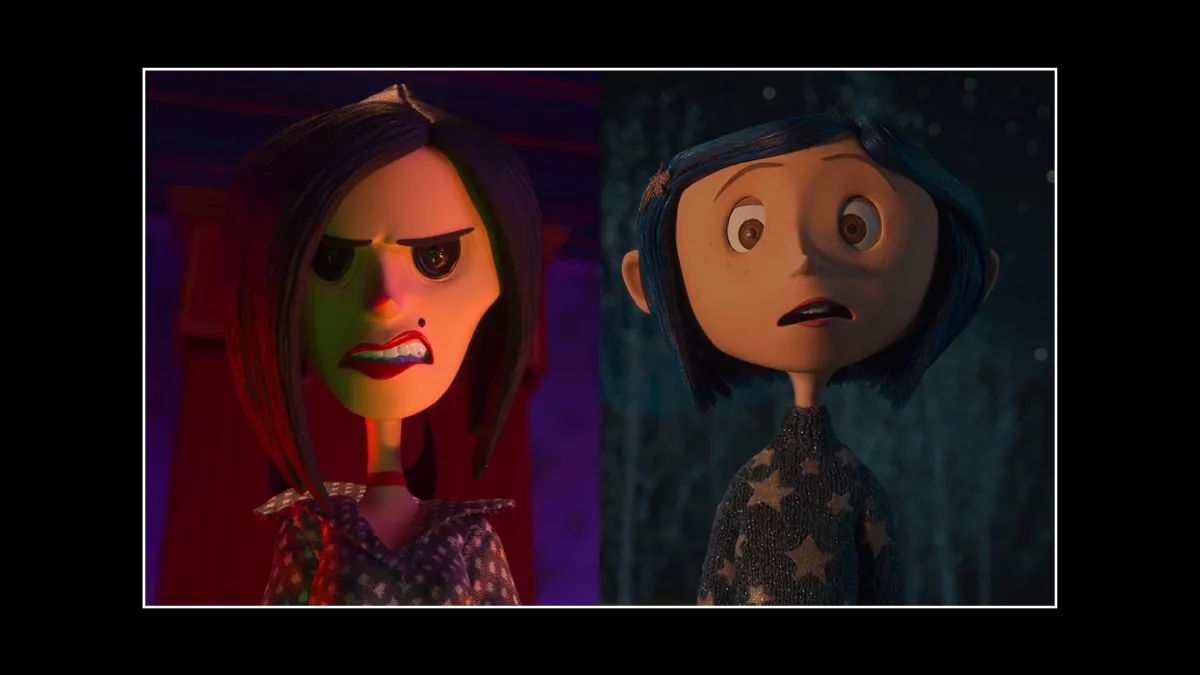
Yet, this malleability cuts both ways. When a beloved cartoon character betrays a friend, children’s moral outrage can be just as fierce as if a human had committed the act. The intensity of this reaction underscores how anthropomorphism can amplify moral emotions, turning abstract principles into visceral, personal judgments. In this light, anthropomorphism becomes a tool—not just for understanding, but for manipulating moral sentiment.
The Narrative Trap: Stories That Shape Our Moral Imagination
Narrative is the scaffolding of anthropomorphism, and stories are its most potent architects. From Aesop’s fables to modern AI ethics, narratives that endow non-human entities with human motives don’t just entertain—they instruct. Aesop’s tortoise and hare teach patience and perseverance, but they also imply that moral lessons can be extracted from non-human actors. This narrative trap is insidious: it suggests that morality is a universal property, not confined to human agency.
Consider the rise of “corporate personhood” in legal discourse. By framing corporations as individuals with rights and responsibilities, legal narratives anthropomorphize them, justifying moral and legal accountability. Yet, this framing obscures the collective nature of corporate actions, diluting the true sources of harm. The narrative trap, then, is not just about storytelling—it’s about power. Who controls the narrative controls the moral lens through which we judge the world.

The Ethical Chameleon: How Context Colors Our Moral Judgments
Anthropomorphism is not a static phenomenon—it is an ethical chameleon, shifting hues with context. A dog that “guiltily” avoids eye contact after knocking over a vase is judged less harshly than a human who does the same. The context of species shapes our moral expectations, creating a hierarchy of culpability. This contextual bias extends to technology: a chatbot that “lies” is treated with more leniency than a human liar, simply because it lacks the capacity for true deceit.
Yet, this contextual flexibility is a double-edged sword. When applied to marginalized groups—whether animals, AI, or even future generations—anthropomorphism can either elevate their moral standing or strip it away. The key lies in recognizing these biases, not as flaws, but as opportunities to refine our ethical frameworks. By acknowledging how context shapes our judgments, we can begin to construct moral systems that are more equitable and less susceptible to manipulation.
The Future of Moral Agency: Anthropomorphism in the Age of AI
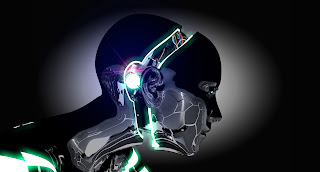
The rise of artificial intelligence presents an unprecedented challenge to our moral frameworks. As AI systems grow more sophisticated, the line between human and machine blurs, and so too does our capacity to judge them. Should an AI be held morally accountable for a harmful decision? The question itself is a testament to anthropomorphism’s reach—we are already framing the AI as an agent, a decision-maker, a moral entity.
This future demands a reckoning. If we continue to anthropomorphize AI, we risk creating a moral vacuum where accountability dissolves into abstraction. Yet, if we resist anthropomorphism entirely, we deny ourselves the tools to navigate a world where machines increasingly influence our lives. The solution lies in balance: recognizing anthropomorphism’s power while guarding against its distortions. Only then can we construct a moral framework capable of guiding us through the ethical labyrinth of the 21st century.

The Unseen Hand: How Anthropomorphism Shapes Public Policy
Beyond individual judgments, anthropomorphism wields an unseen hand over public policy. When a river is granted legal personhood, as in New Zealand’s Whanganui River case, it’s not just a legal precedent—it’s a moral revolution. By anthropomorphizing natural entities, societies redefine their relationship with the environment, shifting from exploitation to stewardship. Yet, this shift is not without controversy. Critics argue that such policies anthropomorphize nature to an extent that obscures its true ecological value, reducing complex systems to simplistic moral actors.
Similarly, the debate over animal rights hinges on anthropomorphism. Are animals moral agents, or are we projecting our own ethical frameworks onto them? The answer determines whether we grant them legal protections or treat them as property. In this arena, anthropomorphism is not just a cognitive tool—it is a battleground where the future of moral consideration is decided.
The Paradox of Control: Can We Harness Anthropomorphism Without Being Misled?
The final irony of anthropomorphism is that its greatest strength—its ability to bridge the human and non-human—is also its greatest weakness. We cannot escape it, nor should we entirely. Instead, we must learn to wield it with intention. By understanding how anthropomorphism shapes our moral judgments, we can design systems that mitigate its distortions while leveraging its power to foster empathy and responsibility.
This is not a call for cynicism, but for vigilance. The next time you find yourself judging a non-human entity, pause. Ask yourself: am I reacting to its actions, or to the human-like traits I’ve projected onto it? The answer may reveal more about your own moral landscape than about the entity itself.