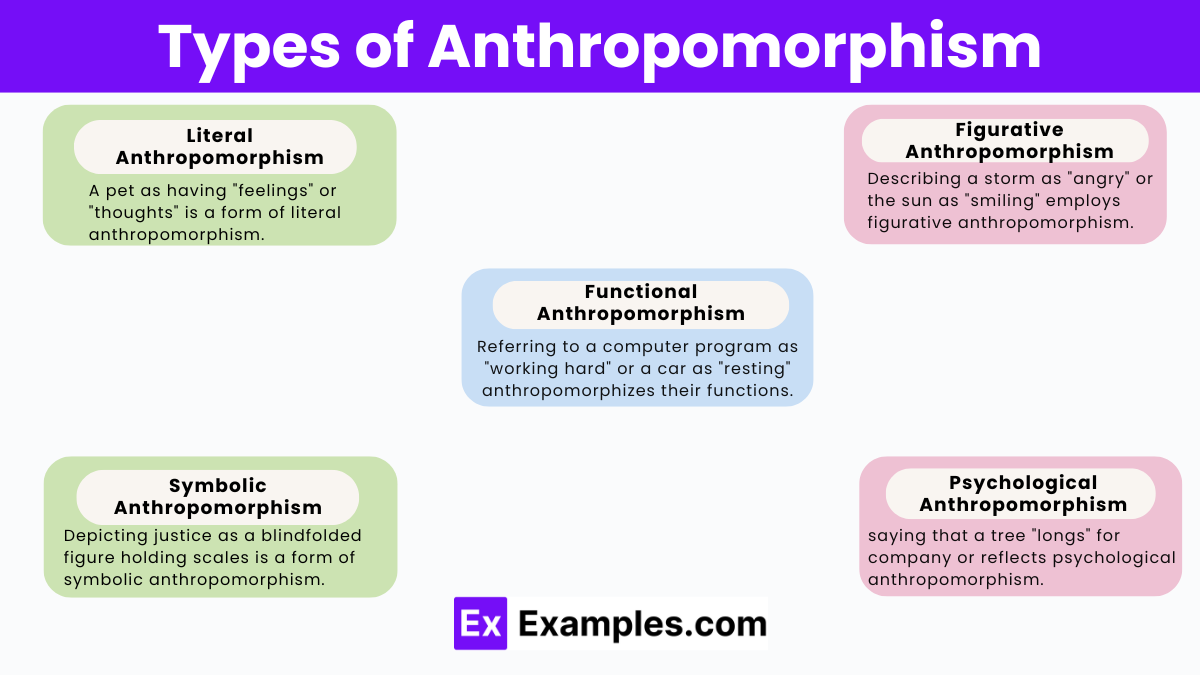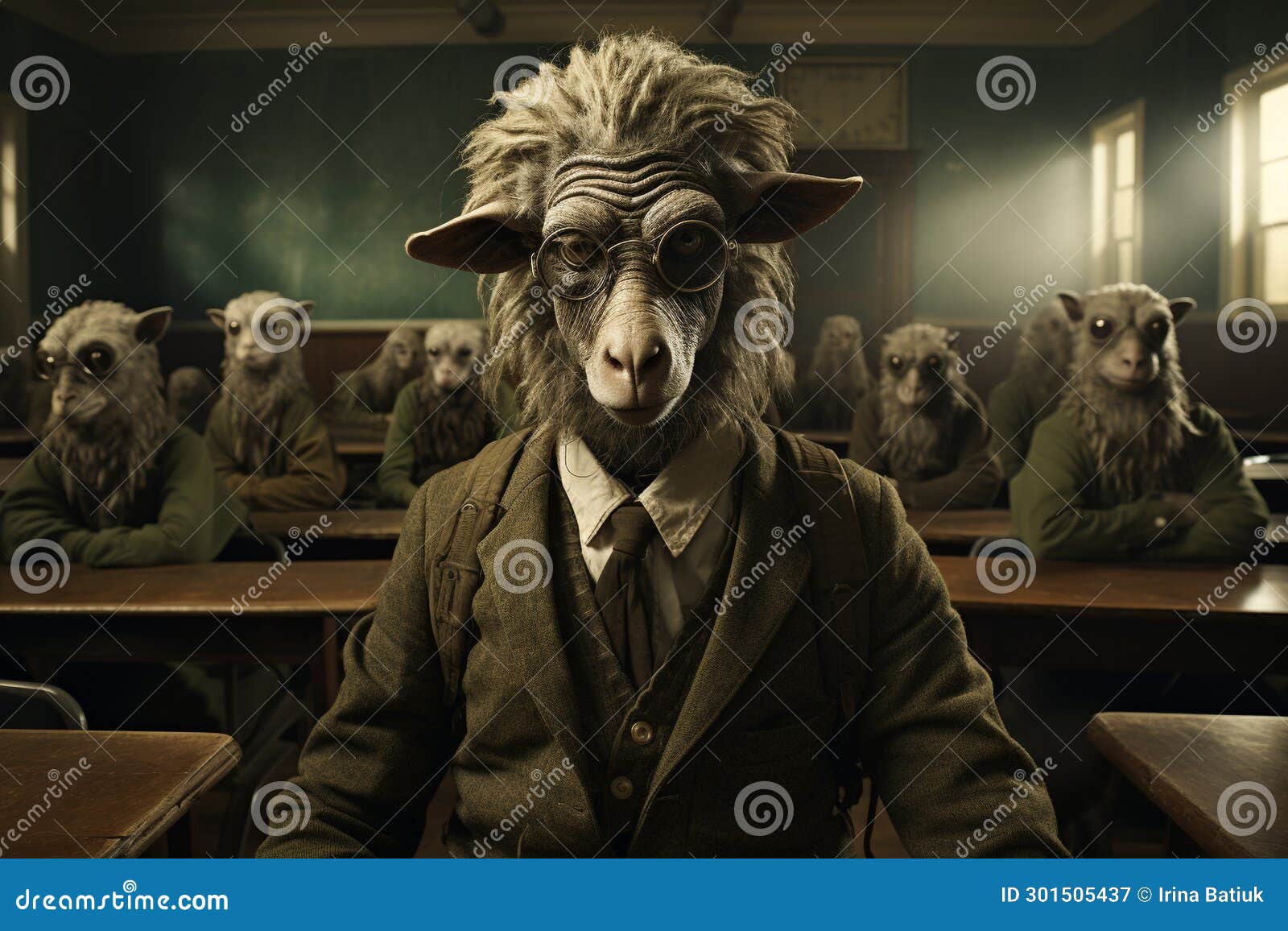
In the vast tapestry of human storytelling, few threads weave as seamlessly across cultures as the concept of anthropomorphism—the attribution of human traits, emotions, and intentions to non-human entities. From the ancient fables of Aesop to the modern marvels of Pixar, anthropomorphic characters have transcended temporal and geographical boundaries, captivating audiences with an almost mystical allure. But why do these hybrid beings, neither fully human nor entirely animal, plant such deep roots in our collective imagination? The answer lies not in their strangeness, but in their profound ability to mirror our own humanity back to us, offering a lens through which we can examine the human condition with fresh eyes.
The Universal Language of Emotion: How Anthropomorphism Bridges the Divide
At the heart of anthropomorphism’s global appeal is its unparalleled capacity to distill complex emotions into tangible, relatable forms. Consider the fox in Japanese folklore, a cunning trickster whose antics reflect the duality of human nature—clever yet flawed, benevolent yet self-serving. Or the industrious ant in African proverbs, embodying perseverance and communal responsibility. These characters, though rooted in specific cultures, speak a universal language of emotion that transcends linguistic barriers. By endowing animals, objects, or even natural phenomena with human-like feelings, anthropomorphism transforms abstract concepts into vivid, memorable narratives. It allows us to confront our own vulnerabilities—fear, greed, love—without the discomfort of direct self-examination. In this way, the fox doesn’t just tell a story; it becomes a mirror, reflecting the shadows and light of our own souls.

The Power of the Familiar Made Strange: Cognitive Dissonance as a Storytelling Tool
Anthropomorphism thrives on cognitive dissonance—the mental discomfort that arises when we perceive a non-human entity behaving in a human-like manner. This dissonance is not a flaw in the narrative but a deliberate device, one that jolts the audience into heightened awareness. When a teapot in *Beauty and the Beast* pours tea with the grace of a butler, or a talking tree in *The Lord of the Rings* offers counsel with the gravitas of a sage, our brains are forced to reconcile the ordinary with the extraordinary. This cognitive leap sharpens our perception, making the mundane feel magical and the familiar feel new. It’s a narrative sleight of hand that invites us to question the boundaries between the human and the non-human, ultimately revealing that these boundaries are far more porous than we might assume. In doing so, anthropomorphism doesn’t just entertain; it reshapes our understanding of what it means to be alive.
Cultural Mirrors: How Anthropomorphism Reflects Societal Values and Fears
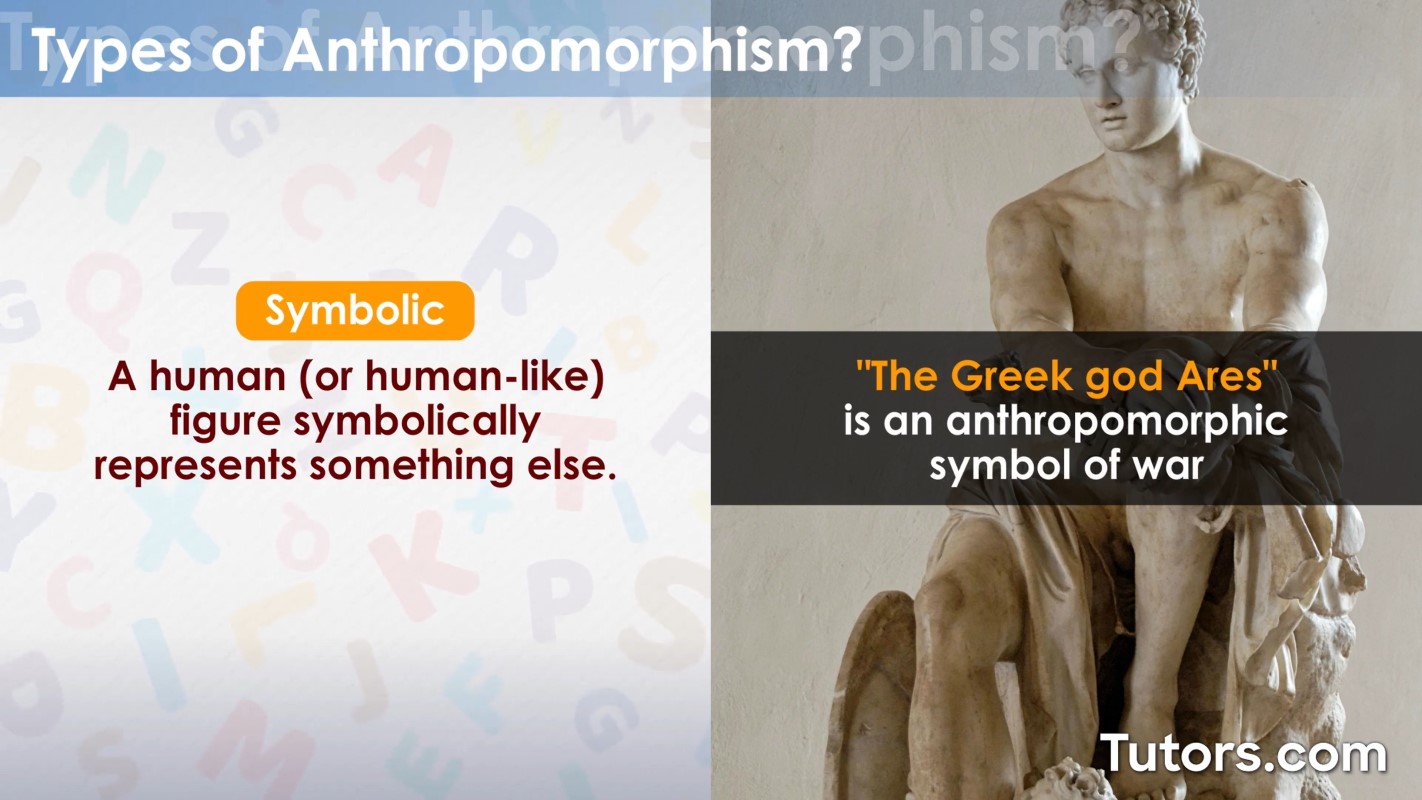
Every culture’s pantheon of anthropomorphic characters is a reflection of its deepest values, anxieties, and aspirations. In Norse mythology, the trickster god Loki embodies the unpredictable nature of fate, while in Hindu traditions, the elephant-headed Ganesha symbolizes wisdom and the removal of obstacles. These characters are not mere figments of imagination; they are cultural artifacts, encoding the collective wisdom of their societies. By studying them, we gain insight into the moral frameworks and existential concerns that shape human communities. For instance, the prevalence of anthropomorphic animals in Native American stories often underscores themes of harmony with nature, while European fairy tales frequently use animals to explore the consequences of greed or vanity. Anthropomorphism, then, is not just a storytelling technique—it is a cultural Rosetta Stone, decoding the unspoken rules and fears that govern human behavior.

The Therapeutic Alchemy: Anthropomorphism as a Tool for Healing and Growth
Beyond its narrative and cultural significance, anthropomorphism serves a therapeutic function, offering a safe space to process trauma, guilt, and personal growth. Therapists often employ anthropomorphic characters in storytelling therapy, allowing individuals to externalize their emotions and confront them from a distance. A child who fears abandonment might find solace in a story about a lonely cloud learning to embrace its solitude, while an adult grappling with self-doubt could relate to a robot discovering its own worth. This alchemy works because anthropomorphism provides a buffer—a layer of abstraction that makes painful truths more digestible. By projecting our struggles onto non-human characters, we gain the distance needed to examine them objectively, turning personal crises into universal lessons. In this way, anthropomorphism becomes more than a narrative device; it is a balm for the human psyche, a way to transmute suffering into meaning.
The Evolutionary Advantage: Why Our Brains Are Wired for Anthropomorphism
From an evolutionary standpoint, our propensity for anthropomorphism may have conferred a survival advantage. Early humans who could quickly interpret the intentions of predators—whether a stalking lion or a sudden storm—were more likely to survive and reproduce. This hyper-sensitivity to agency in non-human entities, known as the “intentional stance,” is deeply ingrained in our cognitive architecture. Anthropomorphism, then, is not just a cultural quirk but a fundamental aspect of human cognition. It allows us to see patterns where none exist, to attribute motives to inanimate objects, and to find agency in the natural world. This tendency, while occasionally leading to superstition, also fosters creativity, empathy, and problem-solving. By imagining the world as alive with intention, we become more attuned to our surroundings, better equipped to navigate the complexities of both nature and society.
The Future of Anthropomorphism: From Folklore to Artificial Intelligence
As technology advances, anthropomorphism is undergoing a renaissance, taking on new forms that challenge our definitions of humanity. Virtual assistants like Siri and Alexa are designed with human-like voices and personalities, blurring the line between tool and companion. Meanwhile, artificial intelligence researchers are exploring the creation of robots with emotional expressions, from the melancholic droop of a Pixar lamp to the mischievous grin of a Boston Dynamics robot. These modern incarnations of anthropomorphism raise profound questions about the future of human-machine interaction. Will we come to see AI as mere extensions of ourselves, or will we forge entirely new forms of relationship with these entities? One thing is certain: as long as humans seek to understand the world—and their place within it—anthropomorphism will remain a vital and evolving tool, shaping not just our stories, but our very conception of reality.